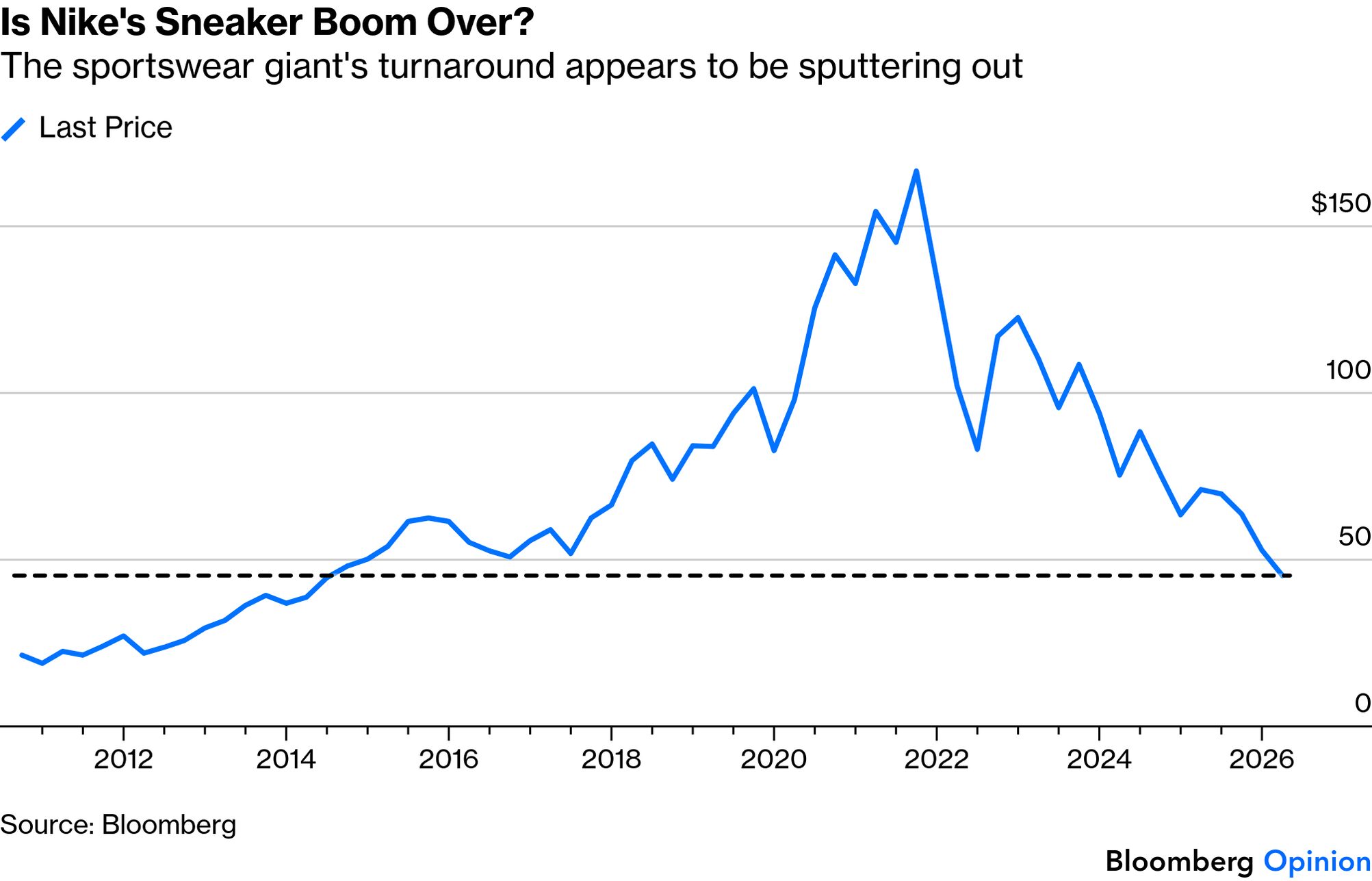
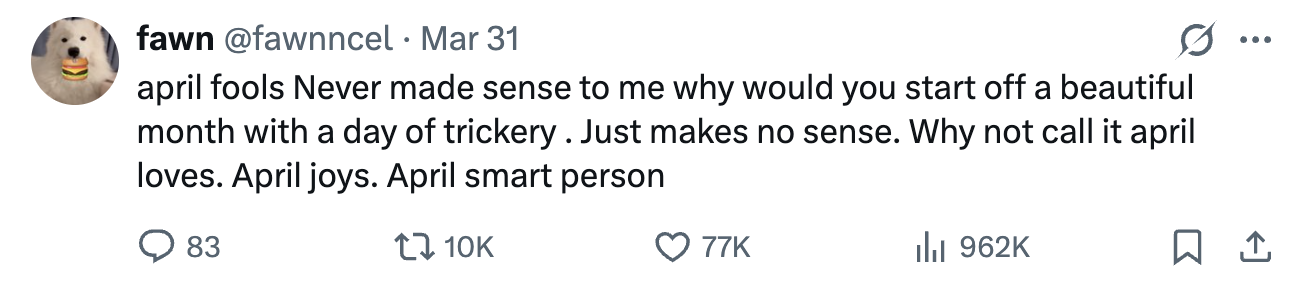
| April Fools' Day is, without question, a journalist's worst nightmare. I've spent the day questioning every headline I've encountered: Did Nestle really launch a stolen KitKat tracker? Did a top FEMA official truly teleport to a Waffle House? Will Ryanair actually adopt a "more corporate and professional" tone on social media? Has Jonathan Bailey really been cast in Season 2 of Heated Rivalry? Is Red Lobster for real about bringing back endless shrimp? Would Oreo seriously release dill pickle-flavored cookies? The answers to these questions — yes, so he says, no, no (but I WISH!), yes (incredulously) and yes (to my tastebuds' horror) — were not easy for me to glean, and I blame my troubles on the pope. More specifically, this pope: 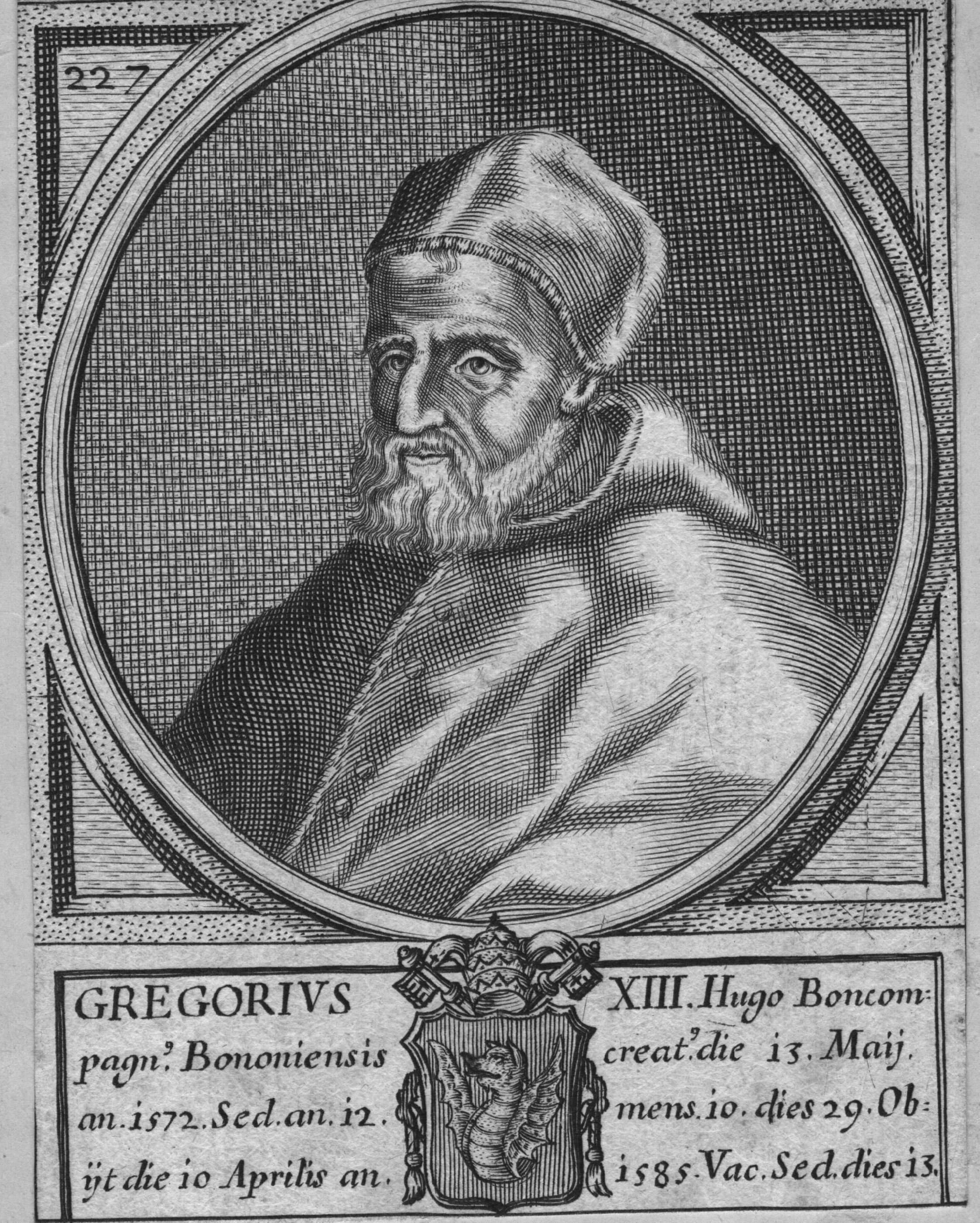 Photographer: Hulton Archive Nobody knows the exact origins of this ludicrous holiday, but one of the more popular theories involves Pope Gregory XIII, who introduced his namesake calendar in 1582. Up until that point, France had been following the Julian calendar (named after Julius Caesar), which had the new year beginning on April 1. The Gregorian calendar we use today bumped it to Jan. 1. In the 1500s, there was no TikTok or cable news, so not everyone realized the calendar had changed. That lag time meant that some clueless townsfolk were celebrating the old new year's on the first of April. Those people, as legend has it, were the OG fools. Nowadays, the pope doesn't have time to tinker with the calendar. He's too busy lambasting President Donald Trump's administration during mass in St. Peter's Square: "Jesus, King of Peace, who rejects war, whom no one can use to justify war. He does not listen to the prayers of those who wage war, but rejects them, saying: 'Even though you make many prayers, I will not listen: your hands are full of blood.'" Andreas Kluth says Leo XIV's message on Palm Sunday "was as clear as modern popes get." Whether the administration will receive that message is a different story. The executive branch is not a church, but you'd be forgiven for thinking it's turned into one during Trump's second term. The president has promoted a $59.99 "God Bless the USA Bible" and claims he was "saved by God to make America great again." Vice President JD Vance has announced a new memoir about his conversion to Catholicism. And Secretary of "War" Pete Hegseth hosts regular worship services at the Pentagon, where he prays for "overwhelming violence" against his enemies. Invoking religion is by no means a new phenomenon for world leaders — see: Russia, Israel and Iran — but the US is different from other countries, thanks to a little clause in the Constitution that separates church and state. "America, of all countries, would be wise to leave God out of this war," Andreas writes. If the administration fails to heed that advice, David M. Drucker says fractures may emerge in Trump's already fragile coalition. "The president's job approval rating sits at 41%. His handling of the economy is rated even worse, at 38%. Even on immigration, usually Trump's strong suit, he is underwater by a net negative 8.5 percentage points," he writes. In recent weeks, Mary Ellen Klas has warned that the Catholic vote might be reshaped by the president's systemic attacks on immigrants. "The fight has not only helped the newly minted US-born pope to bring a divided church together — it has helped galvanize opposition to Trump among Latino Catholics," she notes. 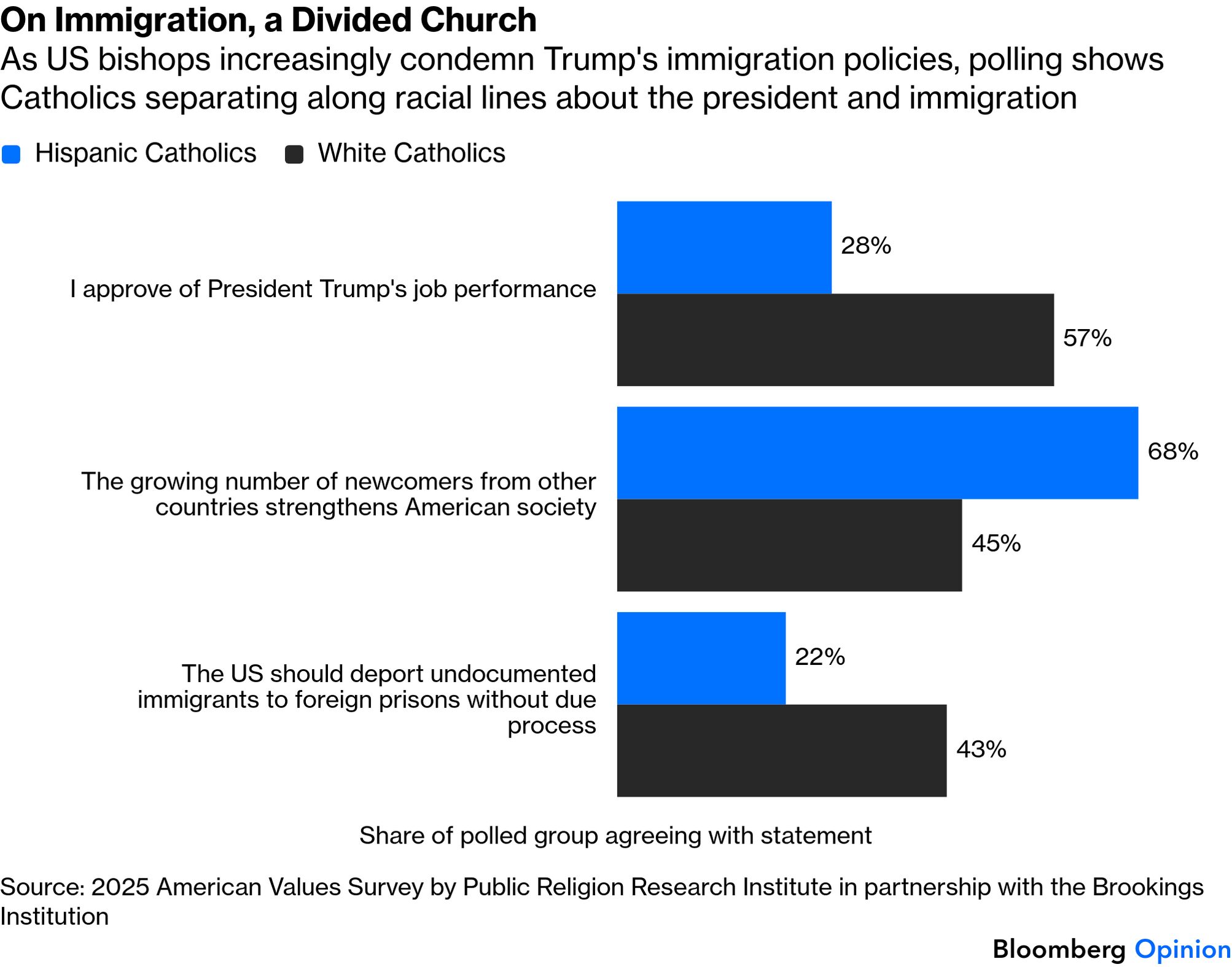 Despite religious divisions, Trump hasn't budged on his hardline immigration stance. On Wednesday, he reportedly made history by becoming the first sitting president to attend Supreme Court oral arguments, only to watch as his originalist appointees sounded "the death knell for his executive order ending birthright citizenship," says Noah Feldman. On a day where everything can seem like a joke, one thing is very real: Leo XIV doesn't think God would approve of Trump's ways. Swoosh Goes the Stock Price | I'm sure I'm not the first person to point this out, but it's sadly fitting that the CEO of Nike has the last name Hill — because right now, it's an uphill battle for him as the brand heads downhill. The athletic giant's gloomy third-quarter earnings did not inspire confidence. Sales fell by double digits in North America, Europe and China, and shares fell as much as 13% after trading began Wednesday — Nike's lowest intraday in 11 years. "Part of this is driven by efforts to clear out stale casual sneakers, which continue to be a drag, and will have reduced sales by about $4 billion from peak levels. But it's not the whole story," writes Andrea Felsted. "The change in fashion trends is complicating efforts by Chief Executive Officer Elliott Hill to turn around the Nike juggernaut." "I'm so tired, and I know you are too, of talking about fixing this business," Hill said in an all-hands meeting on Tuesday. "I want to move to inspiring and driving growth and having fun." If selling the Converse brand, capitalizing on the upcoming World Cup games and brainstorming the next hit fashion product is fun, then Andrea says Hill should have at it. | 








No comments:
Post a Comment