| Read in browser | ||||||||||||||

Welcome to Balance of Power, bringing you the latest in global politics. If you haven’t yet, sign up here. Even as all eyes are on the war in the Gulf, in the frigid waters of the North Atlantic another threat to global security is building. It’s here that NATO and Russia are facing off in an echo of Cold War-era anti-submarine warfare, only with new and increasingly sophisticated technology. Russia’s ground and air forces are well known since their 2022 all-out invasion of Ukraine. Less attention is paid to Moscow’s maritime power. Yet Vladimir Putin has put significant resources into reconstituting the Russian navy after its post-Soviet demise, with a raft of new vessels including modern nuclear submarines entering service in the past decade, and more to come. That’s a contrast with the US, which still enjoys a slight numerical advantage over its old adversary but is struggling to build submarines due to severe labor shortages. 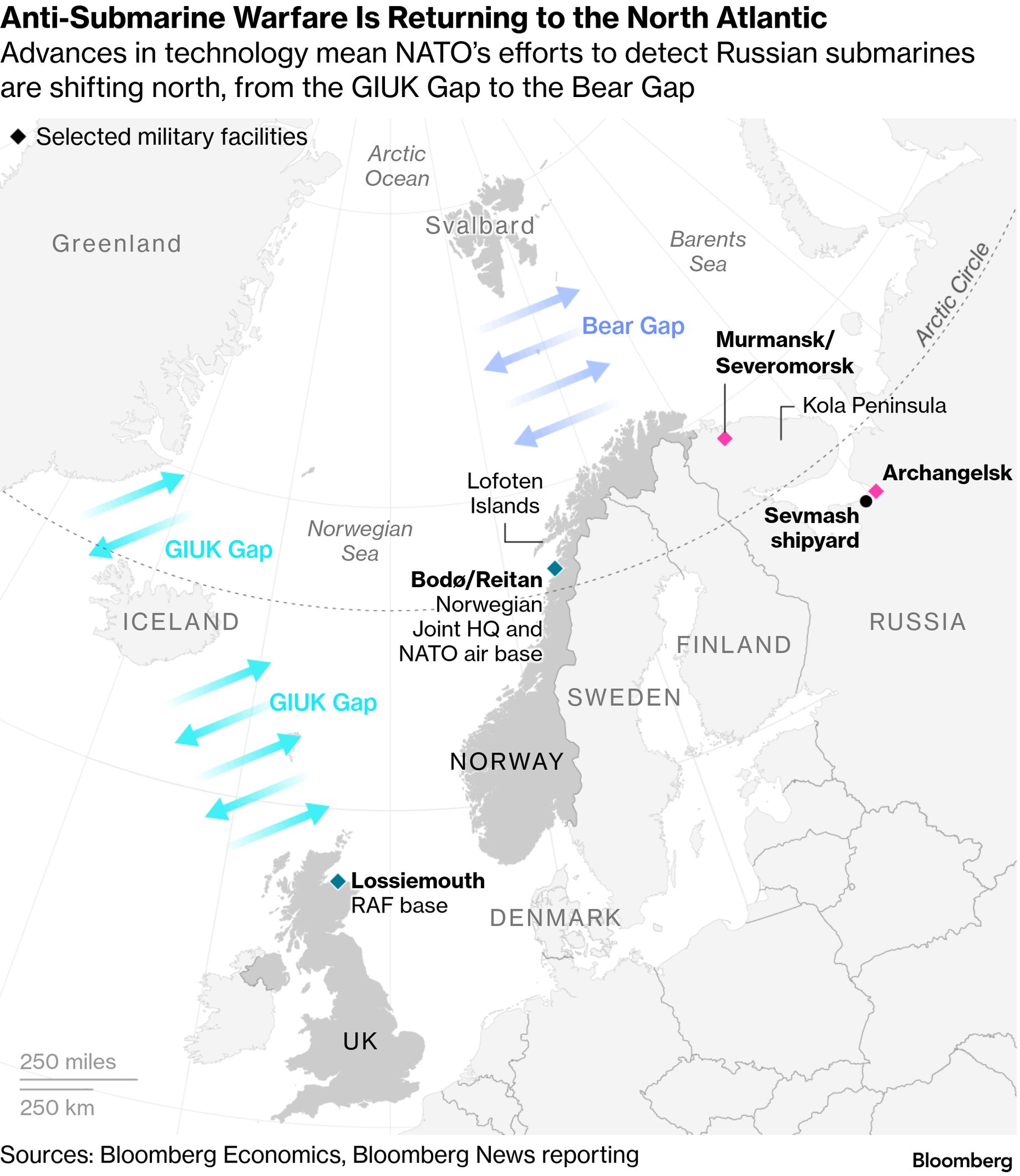
As military officials told us, these new Russian boats are good, heavily armed and hard to track. And they’re prompting a robust response from frontline NATO states, primarily Norway, the UK and — for now, at least — the US, despite President Donald Trump’s open disdain for the military alliance. A rare glimpse of the cat-and-mouse playing out came earlier this month, when the UK announced it had disrupted a covert Russian operation targeting subsea infrastructure in and around British waters. It began when a Russian attack submarine was picked up as it entered international waters in the High North. The Northern Fleet, based near Murmansk in the Arctic, is the mainstay of Russia’s nuclear deterrent and the apex of the navy. Whether transiting south from the Kola Peninsula and into the North Atlantic or lurking under the polar ice cap, these submarines are the most muscular expression of Putin’s seapower. As the UK and Norway can attest, it’s a threat that’s becoming more potent by the year. — Alan Crawford 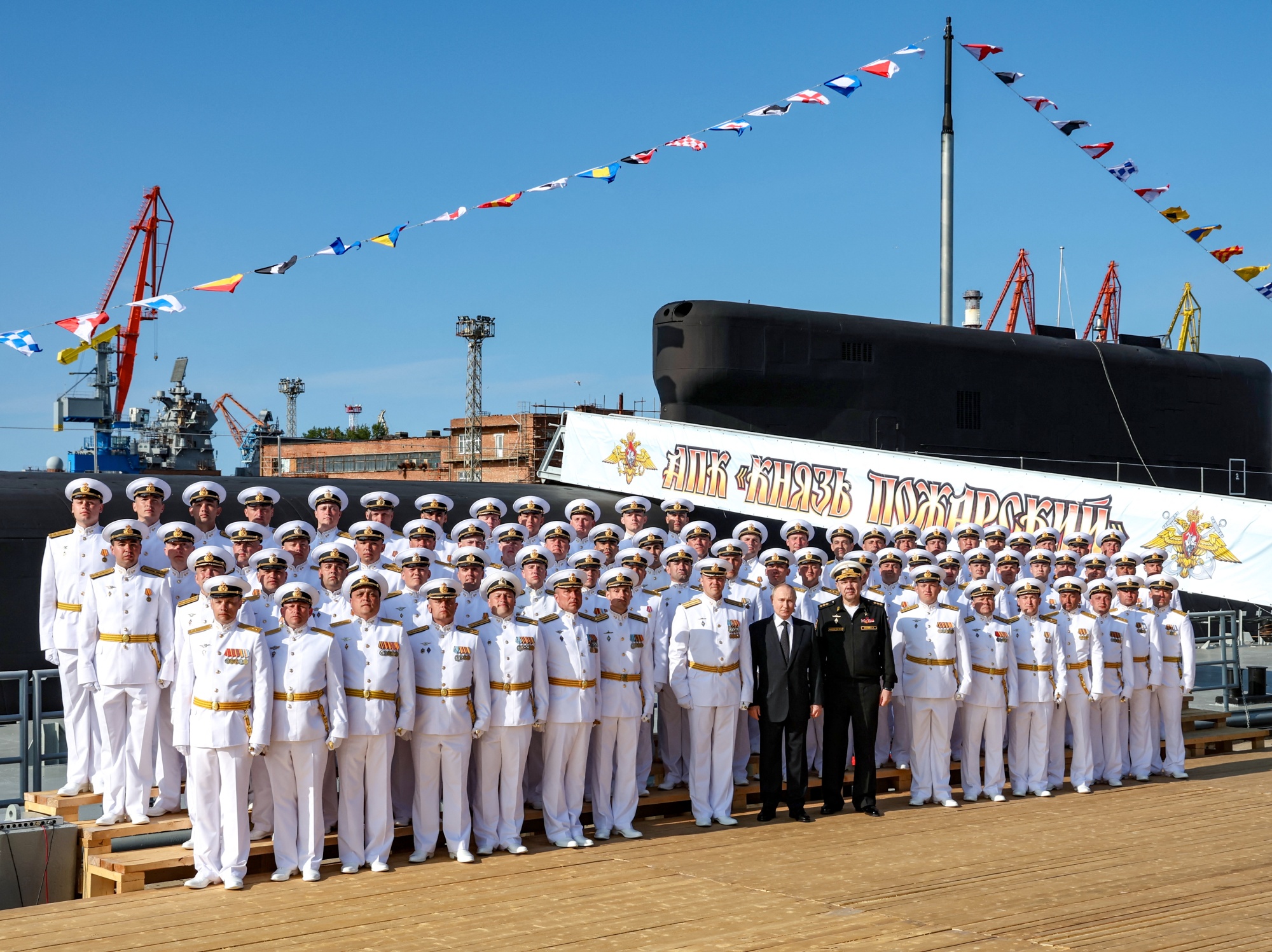
Putin attends a flag-raising ceremony in Severodvinsk, Russia, in July 2025.
Photographer: Alexander Kazakov/Sputnik/AFP/Getty Images
Global Must ReadsTrump said he’s unlikely to extend the two-week ceasefire with Iran once it expires tomorrow evening Washington time, increasing the urgency for negotiators to conclude a deal to end the war at talks expected — though by no means certain — to resume in Pakistan. He invoked the Defense Production Act to provide federal funds for a range of energy projects, as his administration faces pressure to help curb rising oil, gasoline and electricity costs. 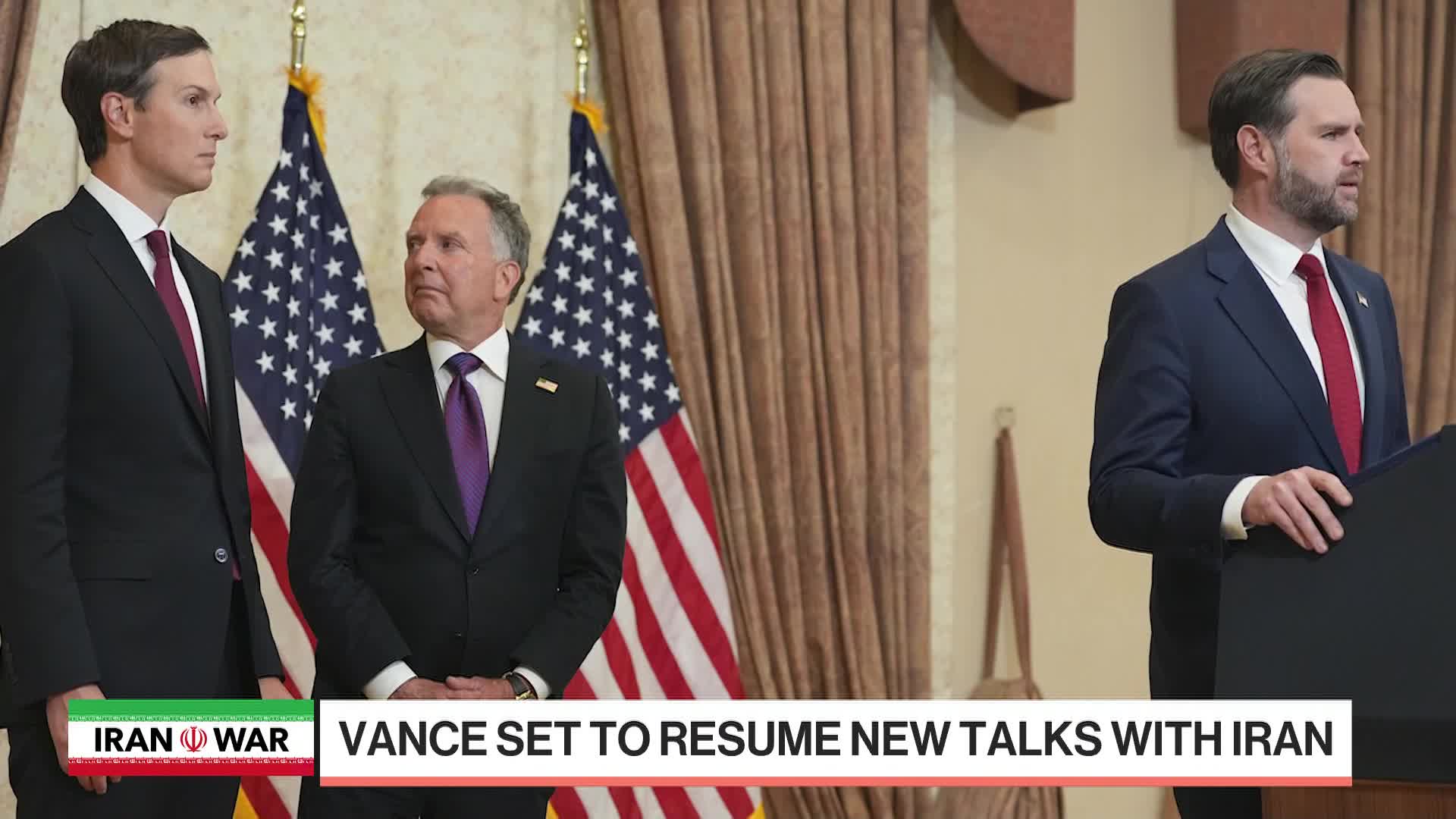 
Bloomberg’s Joumanna Bercetche has the latest on the talks.
Chinese President Xi Jinping broke his silence on the standoff over the Strait of Hormuz, using a rare call with Saudi Crown Prince Mohammed bin Salman to urge the restoration of transit through the vital waterway and an end to the Middle East war. Three vessels — two cargo ships and a fuel tanker — appeared to have crossed the strait today as US and Iranian blockades remain in place. Keir Starmer’s fate may rest with the bureaucrat he fired after the UK prime minister did what he could to get through a parliamentary showdown yesterday over his handling of the Peter Mandelson scandal. He is halfway through two bruising days of public testimony on his decision to appoint Mandelson as ambassador to the US despite links to disgraced financier Jeffrey Epstein, with former senior civil servant Olly Robbins due to give testimony today. Japan removed most of its restrictions on weapons exports, allowing the nation to sell arms overseas for the first time since World War II in a move aimed at strengthening its defense industrial base. Only six months after becoming prime minister, Sanae Takaichi, a security hawk, has moved quickly to boost Tokyo’s military profile by raising spending and positioning the nation to become a major player in the global defense market. Kevin Warsh has for years accused the Federal Reserve of losing its way and said it’s in desperate need of “regime change.” Now Trump’s pick to be the next Fed leader, Warsh will have the opportunity to map out his plans to remold the world’s most important central bank when he testifies before the Senate Banking Committee today. Final results of Peru’s presidential election first round are set to be pushed back by weeks as electoral authorities settle as many as a million challenged ballots, leaving open who will challenge conservative Keiko Fujimori in a June runoff. 
Rafael López Aliaga, left, and Roberto Sanchez are vying to join the runoff.
Photographer: Sebastian Castaneda/Bloomberg
María Corina Machado said she will return to Venezuela this year, a move that will test acting President Delcy Rodríguez’s tolerance for dissent and the US commitment to back the opposition leader it once pledged to protect. French billionaire Vincent Bolloré has created a Christian-inspired think tank with other wealthy business leaders to propose a conservative agenda ahead of France’s presidential election next year. Assaults on Ukrainian military recruiters almost tripled last year, as an unpopular mobilization deepens tensions among citizens wearied by the war with Russia. 
Photographer: Angel Garcia/Bloomberg
Live Q&A: Whether it’s tech giants doing battle with politicians over regulation or startups abandoning the continent for the US, Europe’s relationship with the industry remains as bumpy as it’s ever been. Bloomberg journalists answer your questions in a live conversation today at 2 p.m. CET. Listen here. Sign up for the Washington Edition newsletter for news from the US capital and watch Balance of Power at 1 and 5 p.m. ET weekdays on Bloomberg Television. Chart of the Day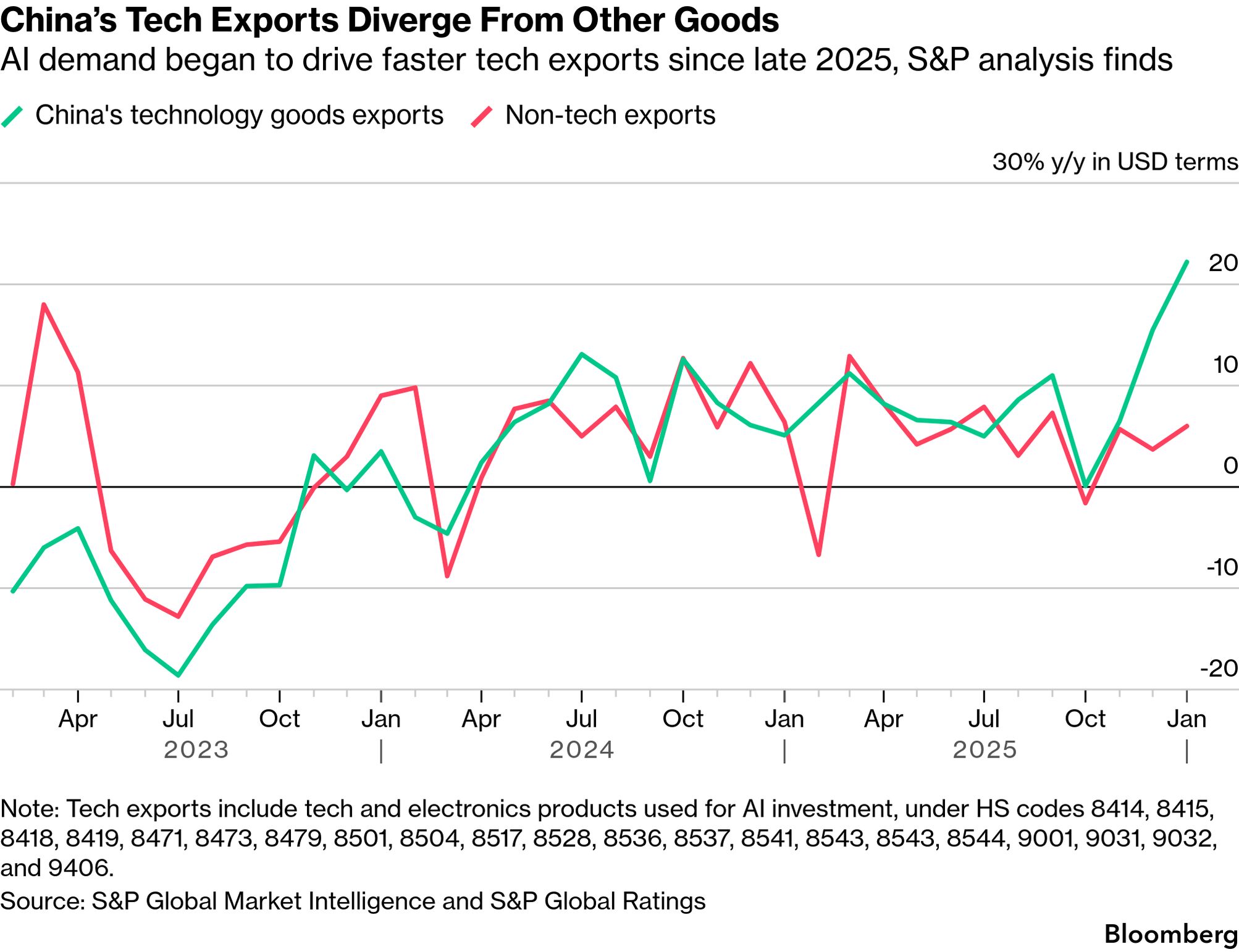
Despite the near absence of traditional buyers from the Gulf, a brash new generation of tech companies stood out at the Canton Fair in China’s southern city of Guangzhou — and few wanted to dwell on war in the Middle East. Supply chains are creaking and delivery times are growing more unpredictable, but the world’s factory floor is increasingly getting retrofitted for a new era of artificial intelligence and robotics, churning out technological innovation the world craves in war and peacetime. Coming soon: Get the AI Today newsletter — chronicling the disruptions and threats of AI on businesses, workers, governments and economies with analysis from Bloomberg’s global newsroom. And FinallyCubans seeking to leave their country are finding it increasing difficult to do so, with Trump’s campaign to starve the island of fuel disrupting airline and administrative services. While reducing options to depart is playing well with his base domestically, it also raises pressure on the government in Havana, which the US president hopes to topple after 67 years of one-party rule. 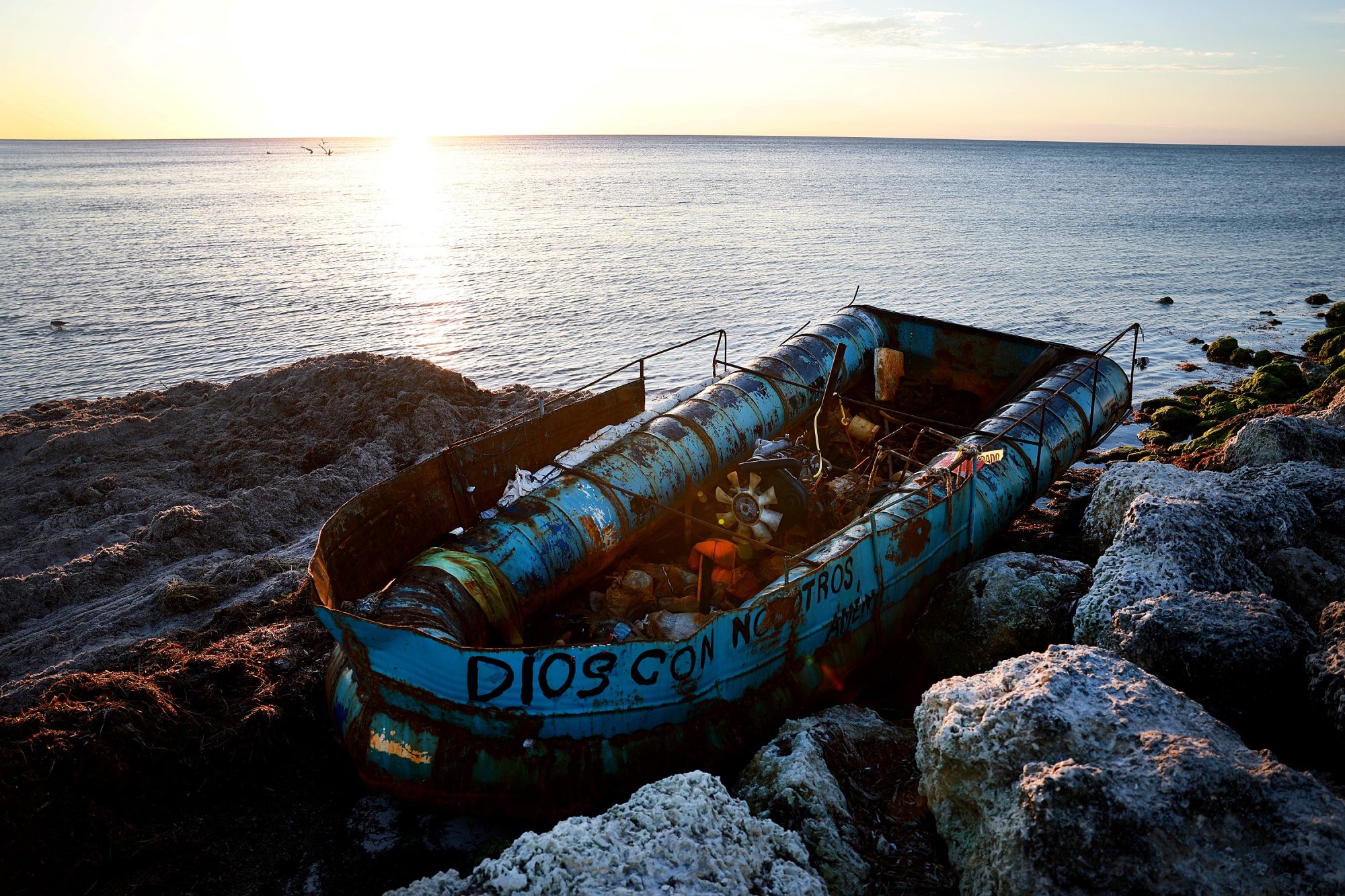
A boat left along the Florida shoreline after it was used to transport Cuban migrants from the island nation in January 2023.
Photographer: Joe Raedle/Getty Images
More from Bloomberg
We’re improving your newsletter experience and we’d love your feedback. If something looks off, help us by reporting it here. Follow Us
You received this message because you are subscribed to Bloomberg’s Balance of Power newsletter. If a friend forwarded you this message, sign up here to get it in your inbox.
|
Tuesday, April 21, 2026
Putin’s submarine menace





Subscribe to:
Post Comments (Atom)
Four hours from now the room opens. Here's what's inside.
THE 4PM OPEN. Today at 2PM Eastern. Free. No replay. Free Watchlist for every live attendee. ͏ ͏ ͏ ͏ ͏ ͏ ͏ ͏ ͏ ͏ ͏ ͏ ͏ ͏ ͏ ...

-
PLUS: Dogecoin scores first official ETP ...
-
Swaps, memes, homes, tokens. View in browser Unicorn bucket We have talked a fe...


No comments:
Post a Comment