| Read in browser | ||||||||||||||
Welcome to Balance of Power, bringing you the latest in global politics. If you haven’t yet, sign up here. Tomorrow marks the start of highly anticipated peace talks between the US and Iran. The unlikely star of the show, however, is Pakistan. The South Asian country has pulled off a coup, managing to bring together the warring parties to the capital Islamabad after Prime Minister Shehbaz Sharif helped broker a ceasefire this week. Vice President JD Vance will lead the US team as international delegates descend on the leafy Pakistani capital, which virtually overnight has transformed into a fortress. 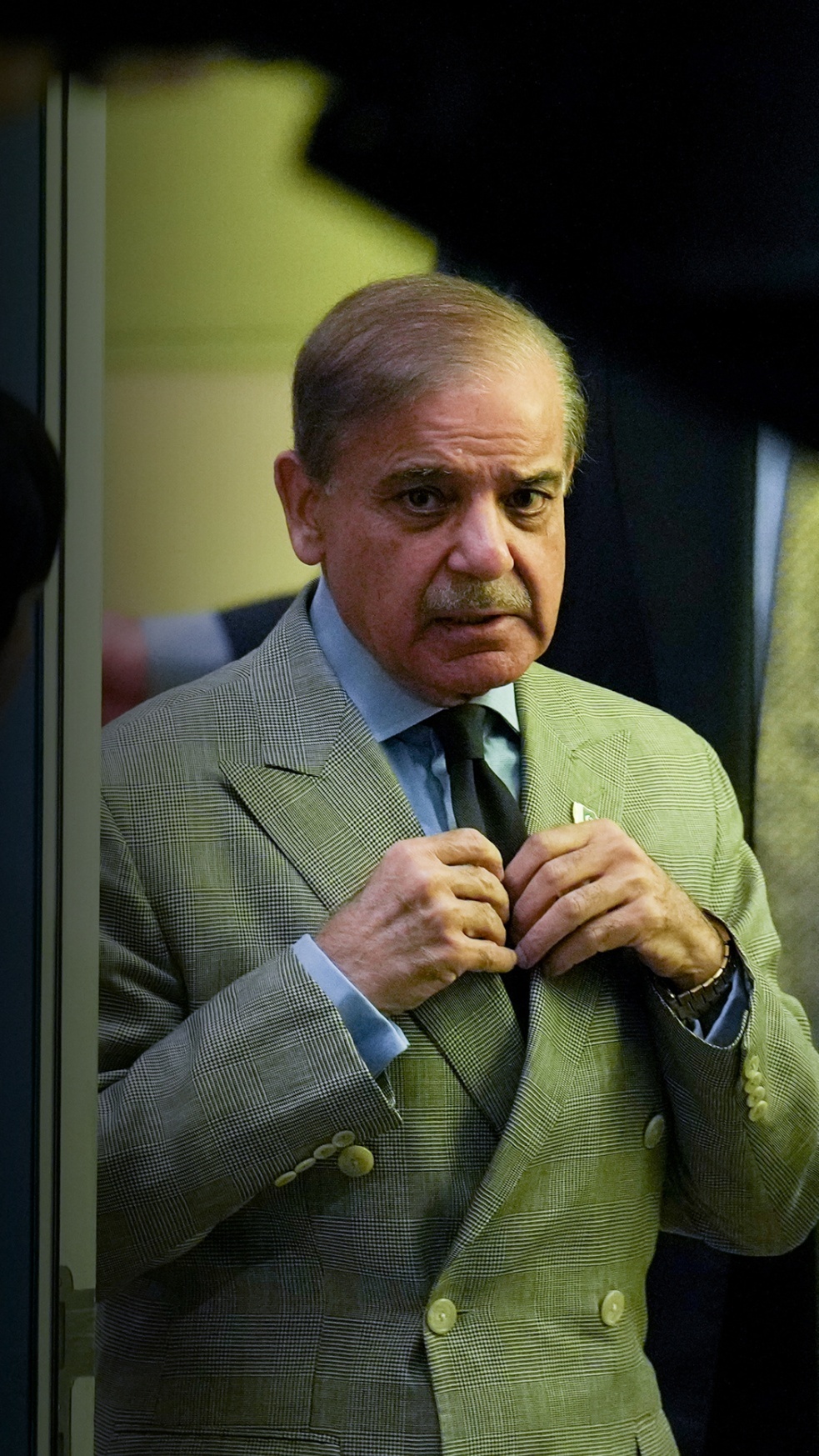 
Dan Strumpf explains how Sharif used global ties to broker a ceasefire and buy time for talks.
Even if the parties don’t strike an immediate deal, Pakistan comes out ahead: It’s garnered elevated prestige on the world stage, earning goodwill from virtually all sides. That’s key, given that the US is an important source of investment, and Iran of energy. That’s not to say there are no potential downsides. As a treaty ally of Saudi Arabia, Pakistan risks getting sucked into any resumption of the conflict while it’s already fighting Afghanistan. Tensions appear to be emerging with the United Arab Emirates, which called in a $3 billion loan. For now, though, the jubilation in Pakistan contrasts with the mood in India, where officials are warily eyeing events across the border. The global affirmation flowing Islamabad’s way undermines New Delhi’s longtime strategy of trying to isolate its neighbor and cast it as a bad actor that sponsors terrorism. To India, the talks lend legitimacy to Pakistan’s top leaders, Sharif and Asim Munir, the country’s powerful army chief, who has forged close ties with President Donald Trump. But for New Delhi, too, an end to this war would be welcome. Under Prime Minister Narendra Modi, India has worked hard to avoid taking sides. In so doing, it’s skirted antagonizing Trump while helping to unlock energy shipments from Iran, putting it in good stead with both sides once the war concludes. When and whether it does, though, rests in no small part with Pakistan. — Dan Strumpf 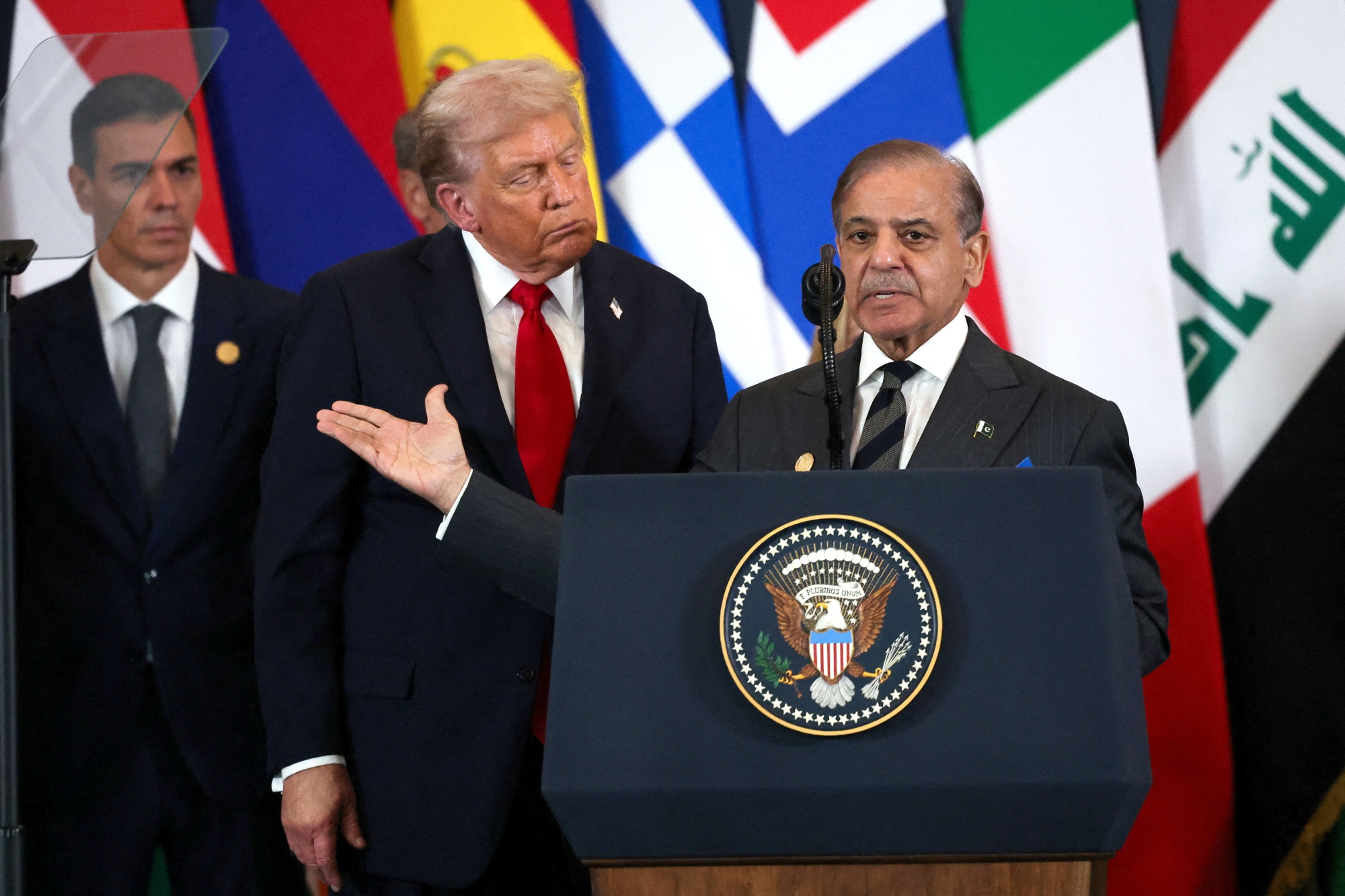
Sharif and Trump in Sharm El-Sheikh, Egypt, in October.
Photographer: Suzanne Plunkett/Pool/Getty Images
Global Must ReadsBenjamin Netanyahu agreed to hold talks with Lebanon as Trump said the Israeli prime minister is “going to low-key it” with strikes, signaling some hope for de-escalation even as Netanyahu vowed to keep fighting Iran-backed Hezbollah. While years of lobbying by the Israeli leader paid off when Trump decided to go to war with Iran, the fault lines in one of the president’s closest geopolitical relationships now threaten to box him in. 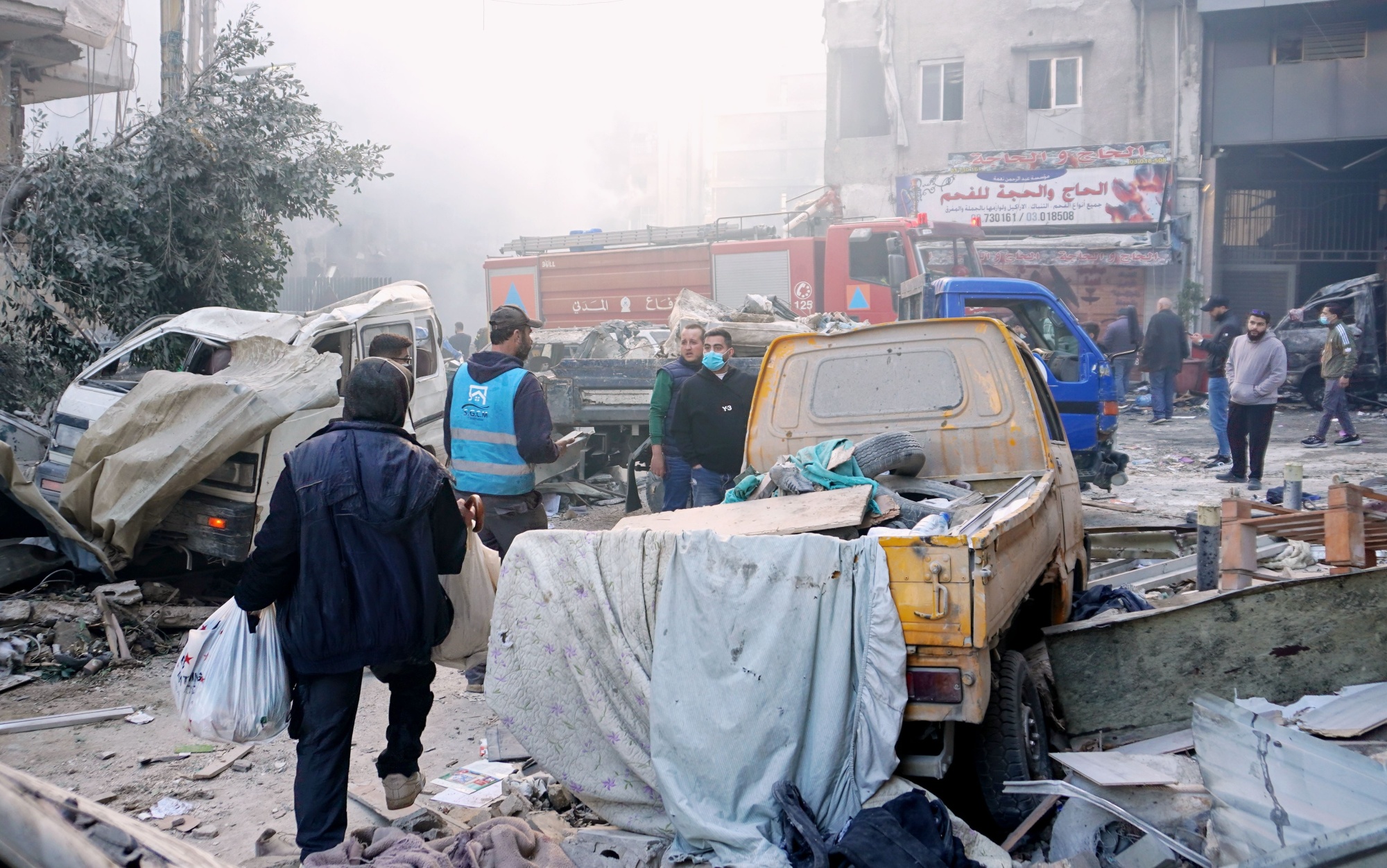
The aftermath of an Israeli strike in Beirut, Lebanon, on Wednesday.
Photographer: Elisa Gestri/Sipa/AP Photo
Ukraine’s top negotiator with Russia told us that he sees progress toward a potential peace deal with the Kremlin. President Volodymyr Zelenskiy meanwhile said Ukraine will “mirror” Russia’s actions after Vladimir Putin announced a brief Orthodox Easter ceasefire, shifting the focus to whether Moscow would actually halt fighting. US Treasury Secretary Scott Bessent and Federal Reserve Chair Jerome Powell summoned Wall Street leaders to an urgent meeting on Tuesday to discuss concerns that the latest artificial-intelligence model from Anthropic will usher in an era of greater cyber risk. They want to make sure banks are aware of possible future threats raised by Anthropic’s Mythos and potential similar models, and are taking precautions to defend their systems, sources say. Venezuela’s National Assembly passed a mining law pushed by Acting President Delcy Rodríguez to court US support and foreign investment, replacing a nearly three-decade-old framework and that’s part of her broader effort to offer legal guarantees and a more flexible tax regime to international investors. Separately, security forces blocked an anti-government march from reaching the presidential palace yesterday after a vague pledge to raise wages failed to calm workers angered by soaring prices. President Xi Jinping’s diplomatic backing for Iran is being constrained by a vast trail of Chinese capital across the Gulf, where the Asian nation is outcompeting the US as a regional financier. Still, as Trump neared his self-imposed deadline on the Islamic Republic this week, one country had enough clout to convince Tehran to de-escalate: Iranian officials credited a last-minute push by Beijing with securing their acceptance for a truce. 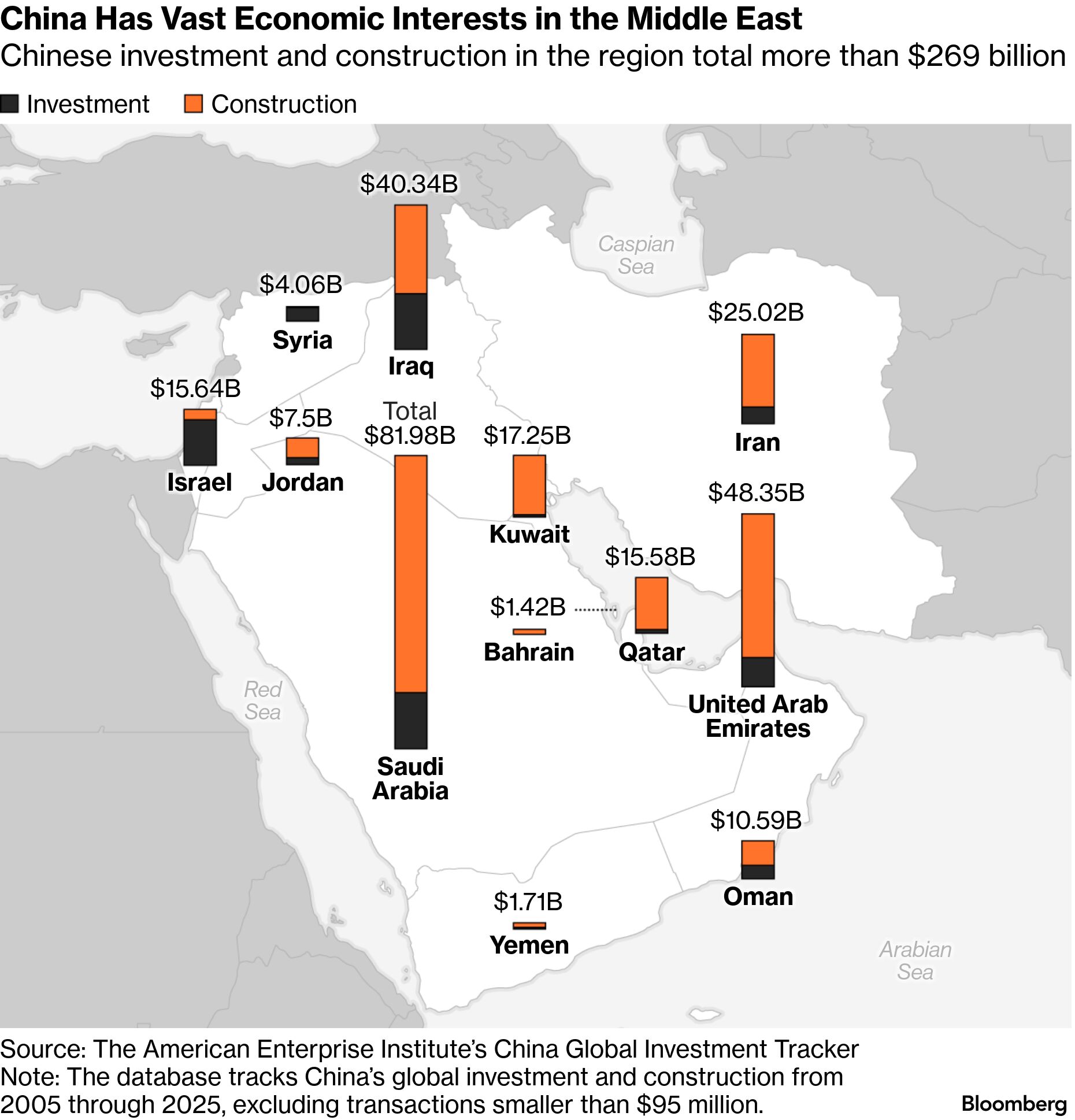
Xi met the leader of Taiwan’s biggest opposition party, the Kuomintang’s Cheng Li-wun, in Beijing today, and reaffirmed China’s claim to sovereignty over the self-governing democracy. Global telecom companies operating in South Africa must partner with local businesses partly owned by Black citizens to comply with post-apartheid equality rules, but Elon Musk’s SpaceX has spent the past year trying to get those rules changed. The Pentagon and the Vatican both denied allegations of a rift following Pope Leo XIV’s criticism of the Trump administration and reports that a senior US defense official warned the Catholic Church to take Washington’s side. US First lady Melania Trump denied ties to the late, disgraced financier Jeffrey Epstein in a rare on-camera statement, calling online claims about a supposed relationship “false smears” and threatening retaliation. Don’t miss from Bloomberg Weekend: Mishal Husain chats with Pakistan’s former ambassador to the US, Maleeha Lodhi, about Islamabad’s diplomatic moment, Zoltan Simon looks at Hungarian newspeak, and Ben Westcott reports how a distant war is impacting Australian farmers. Subscribe to the newsletter here. Sign up for the Washington Edition newsletter for news from the US capital and watch Balance of Power at 1 and 5 p.m. ET weekdays on Bloomberg Television. Chart of the Day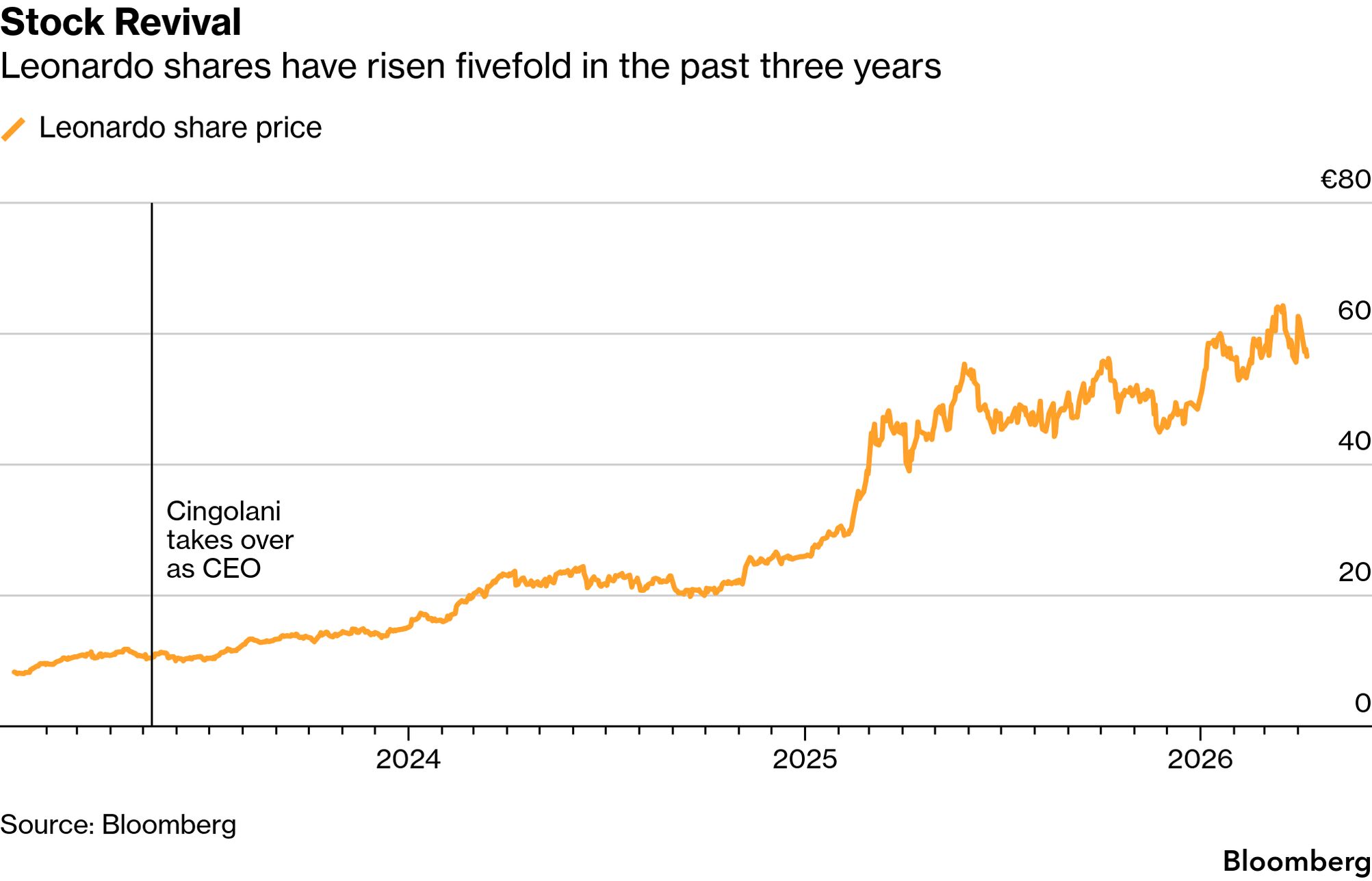
Italian Prime Minister Giorgia Meloni ousted the CEO of Leonardo, the state-backed aerospace and defense contractor, while retaining the leaders at energy firms Eni and Enel. Meloni is recalibrating leadership at state-controlled firms ahead of next year’s re-election campaign after a vote setback last month weakened the premier and heightened attention on this round of executive appointments. And FinallyItaly’s disparate opposition has been electrified by the referendum defeat handed to Meloni, galvanzing their hopes of unseating her at the election. Cue Silvia Salis, a 40-year-old former Olympic hammer thrower turned progressive mayor of Genoa, who is betting that countering Meloni’s culture-war script can make her a credible challenger. Salis doesn’t belong to any party but says she roots herself firmly in the left. As she broadens her appeal and gets ready for the prime time, some have even begun referring to her as the “anti-Meloni.” 
Silvia Salis.
Photographer: Carlotta Cardana/Bloomberg
Pop Quiz (no cheating!). Russia warned which country that relations had reached an all-time low? Send your answers to balancepower@bloomberg.net More from Bloomberg
We’re improving your newsletter experience and we’d love your feedback. If something looks off, help us by reporting it here. Follow us
You received this message because you are subscribed to Bloomberg’s Balance of Power newsletter. If a friend forwarded you this message, sign up here to get it in your inbox.
|
Friday, April 10, 2026
Pakistan’s moment





Subscribe to:
Post Comments (Atom)
-
PLUS: Dogecoin scores first official ETP ...
-
Bloomberg Evening Briefing Americas View in browser Who's paying for Donald Trum...


No comments:
Post a Comment