| Read in browser | ||||||||||||||
 When it doesn't snow in Norway, the rest of Europe feels the pinch. That's because the Scandinavian country exports hydropower that relies on that snow to melt and fill reservoirs. Well, this winter was a dry one. Today's newsletter looks at the looming hydropower shortage amid an already tight market. And find out how climate tech is making Europe more resilient to energy shocks on the latest episode of the Zero podcast. Dam problemsBy Lars Paulsson, Kari Lundgren, and Joe Wertz High in the mountains of southern Norway, where winter is usually measured in meters of snow, engineers are confronting an unfamiliar sight. Standing atop the Vatndals dam on a recent day, the hydrologist Sverre Eikeland looked out over craggy slopes that should still be blanketed in white powder. The reservoir, large enough to fill nearly half a million Olympic swimming pools, depends on spring melt to replenish and generate electricity. But after Norway's driest winter in decades, the water level is far below where it should be, prompting companies to limit outflows. "Less snow means less energy stored in that snow," said Eikeland, who advises power utility A Energi. "There should be more." 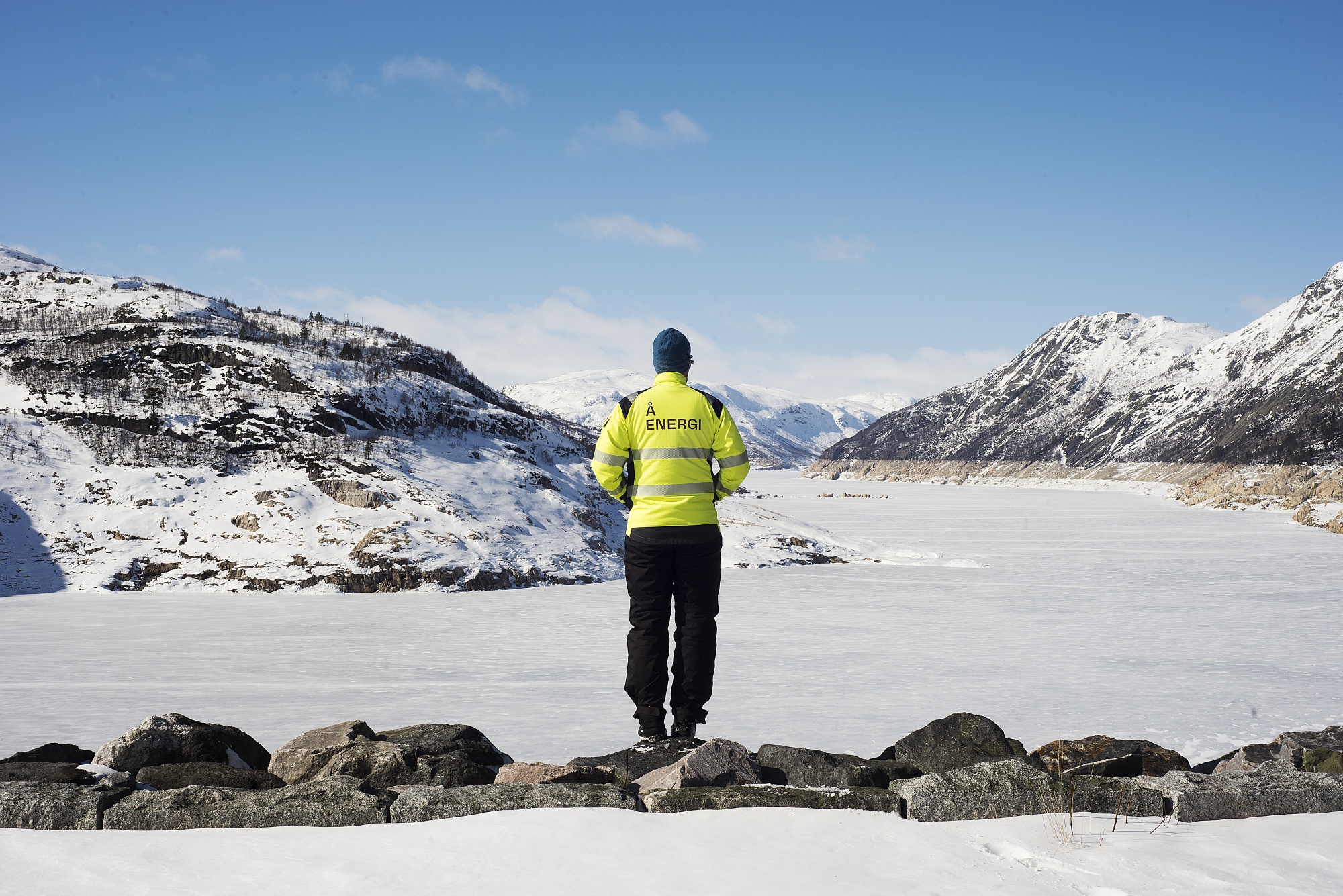 Sverre Eikeland at the Vatndals Dam in March. Photographer: Dana Ullman/Bloomberg Norway, with its thousands of dams, is often called Europe's biggest battery. Under normal conditions, the country's hydropower system produces enough electricity to meet domestic demand and export large volumes. Last year, net sales abroad amounted to about 15% of its production. But months of dry weather have upended that pattern. This winter was Norway's coldest since 2010, the result of persistent high pressure near Greenland that blocked flows of moist Atlantic air into the Nordic region. With little precipitation, snow reserves have fallen to their lowest levels in two decades, creating a deficit of about 25 terawatt-hours of energy, according to Tuomo Saloranta, a hydrologist at the Norwegian Water Resources and Energy Directorate. That's nearly a fifth of Norway's total hydropower output last year. The shortfall is already rippling through electricity markets, slashing exports to the UK and Germany and pushing Nordic prices sharply higher. More than half of the region's supply comes from hydropower, and in Norway it accounts for nearly all generation. "We're a weather-based system," said Kari Ekelund Thorud, executive vice president for energy at Norsk Hydro ASA, one of Norway's biggest power users. "We are much more vulnerable if the weather goes the wrong way." 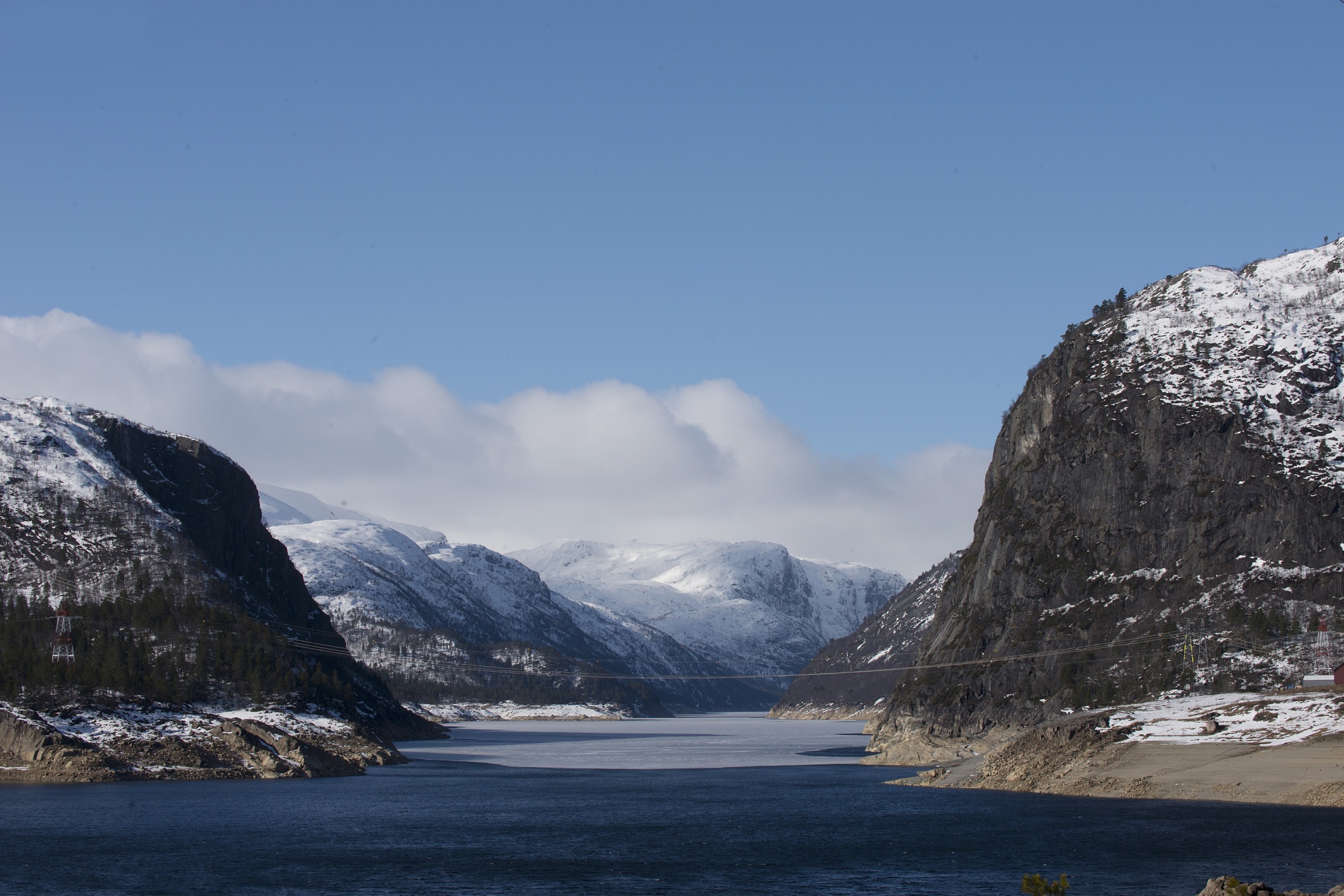 Overlooking Botsvatn, a lake and reservoir in southern Norway, from the Skarg hydropower plant. Botsvatn holds water for hydroelectric power stations along the Otra river. Photographer: Dana Ullman/Bloomberg This year, when A Energi measured the snowpack — using rods to extract cores and measure density — staff realized they had a problem. "There was no snow in February, and now none in March," said Lars Erik Omland, who leads the company's market analysis team. "We gradually realized that this would be a winter with little snow." Consumers are already feeling the pinch. Electricity sales to the UK and Germany — major export markets — have plunged by about 50% and 40% this year, respectively, while winter energy prices in northern Sweden have surged to more than four times their 2025 levels. The surge in electricity prices comes at a difficult moment for Europe, as the region contends with higher gas prices tied to the war in the Middle East. In the UK, windier-than-average weather has helped keep the country supplied despite a drop in imports from Norway. Even so, the most expensive hours are still often covered by fossil fuels — a challenging dynamic as exports through the Persian Gulf have effectively come to a standstill. Read the story For the latest on how extreme weather is impacting markets, subscribe to the weekly Weather Watch newsletter. Sharing power1.1 gigawatts How much electricity Nepal will send to India's grid this summer. Nepal is doubling its hydropower exports and could help mitigate any shortages caused by the war. Going big"There's no challenge more thrilling than a really big dam." Dan Wang Author, Breakneck: China's Quest to Engineer the Future China is taking on that challenge by building a $167 billion project that would be the largest dam in the world. The project may drive 3 trillion yuan in total investment over the next 10 to 15 years — about 2.2% of last year's GDP. Listen: Europe's clean tech resilienceWill the Iran War finally be the moment where countries move to renewables en masse, or will they rely more heavily on fossil fuels? This week on Zero, Akshat Rathi is joined by Aurore Belfrage, a tech investor, geopolitical risk advisor, and sustainability strategist, to look at how the energy investment landscape is changing with a fresh war in the Middle East, and how climate tech is making countries more resilient. Listen now, and subscribe on Apple, Spotify or YouTube to get new episodes of Zero every Thursday. More from Green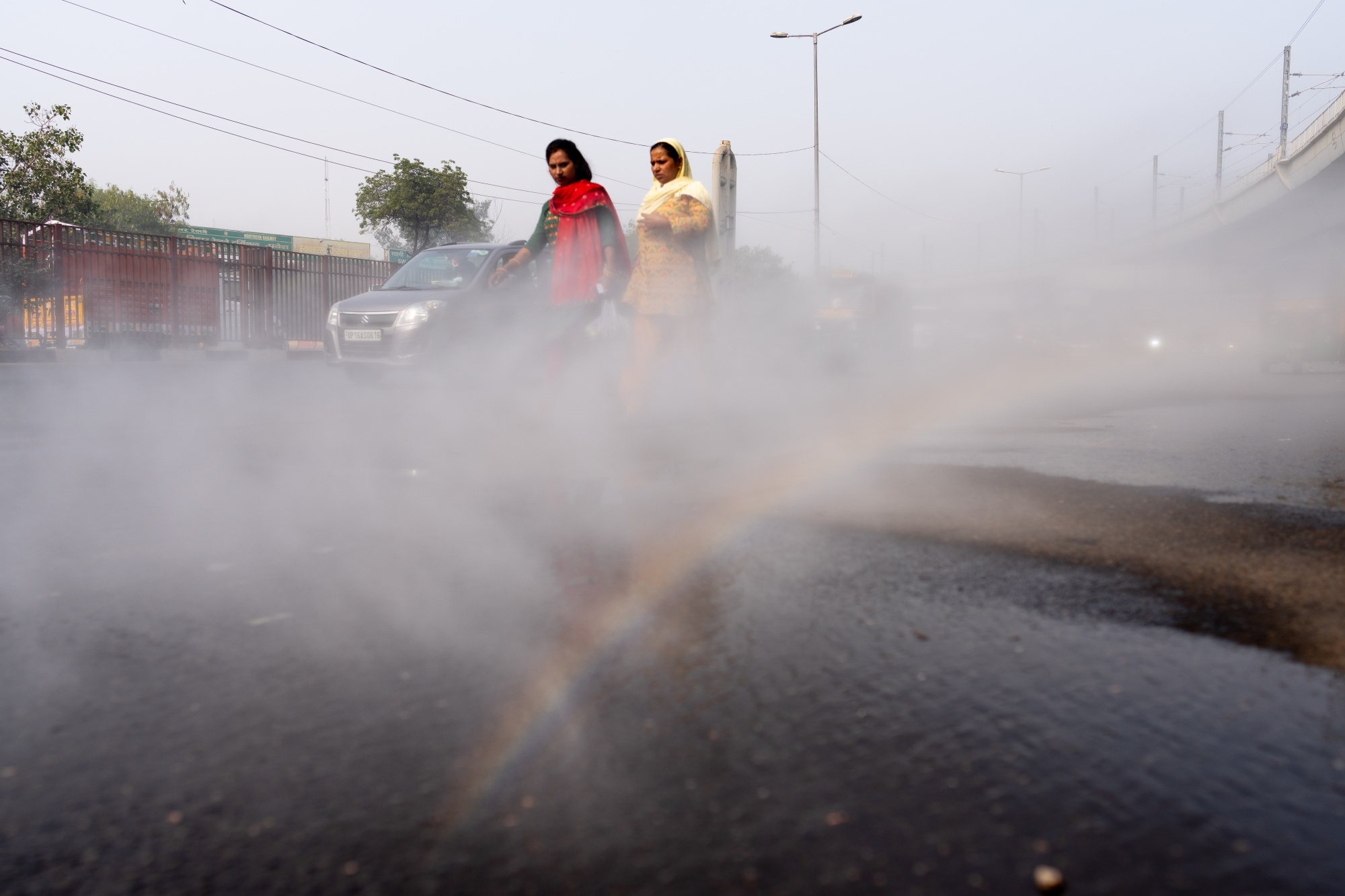 Severe air pollution episode in New Delhi, India. Photographer: Anindito Mukherjee/Bloomberg India's new emissions-reduction plans offer significant investment opportunities in sectors related to grid upgrades and storage batteries, according to one of the country's largest climate-focused funds. By 2035, the world's third-largest polluting nation aims to increase the share of electricity generation from cleaner sources to 60%, and plans to cut emissions intensity — the amount per unit of economic output — by 47% from a baseline year of 2005. "That means very significant investment opportunities," said Jayant Sinha, president of Eversource Capital, a private equity firm with more than $700 million in assets that invests in infrastructure. "Billions and billions of dollars have to flow into grid upgradation, battery storage, and so on." Read more Microsoft is in exclusive talks with Chevron and investment fund Engine No. 1 over a long-term deal that would underpin a giant power plant in West Texas, providing electricity to a large data center campus. California is heading into its dry season with just a fraction of the snow it typically has across its highest peaks at the end of its winter months, raising the prospects of drought across the most populous US state. More from Bloomberg
Explore all Bloomberg newsletters. We're improving your newsletter experience and we'd love your feedback. If something looks off, help us fine-tune your experience by reporting it here. Follow us
You received this message because you are subscribed to Bloomberg's Green Daily newsletter. If a friend forwarded you this message, sign up here to get it in your inbox.
|
Thursday, April 2, 2026
Norway’s big export dries up






Subscribe to:
Post Comments (Atom)
Re: check this out
Hey please check this out asap because this unusual opportunity is about to disappear. Heads up. T...

-
Bloomberg Evening Briefing Americas View in browser Who's paying for Donald Trum...
-
PLUS: Dogecoin scores first official ETP ...


No comments:
Post a Comment