| Read in browser | ||||||||||||||
Welcome to Next Africa, a daily newsletter on where the continent stands now — and where it’s headed. Sign up here to have it delivered to your email. In today’s edition, we look at the impact the Iran war is having on African economies. And:
Paying for a Distant WarMost African economies swept into 2026 with the wind in their sails after recording the best growth in a decade. Then the US and Israel attacked Iran. Just like the Russian invasion of Ukraine in 2022 and the Covid pandemic two years earlier, the continent will pay the price for far-away events that it didn’t start. A Middle East ceasefire may be holding, but the conflict has already lifted oil prices by more than 30% since fighting began on Feb. 28. Fertilizer is up by an even larger margin. 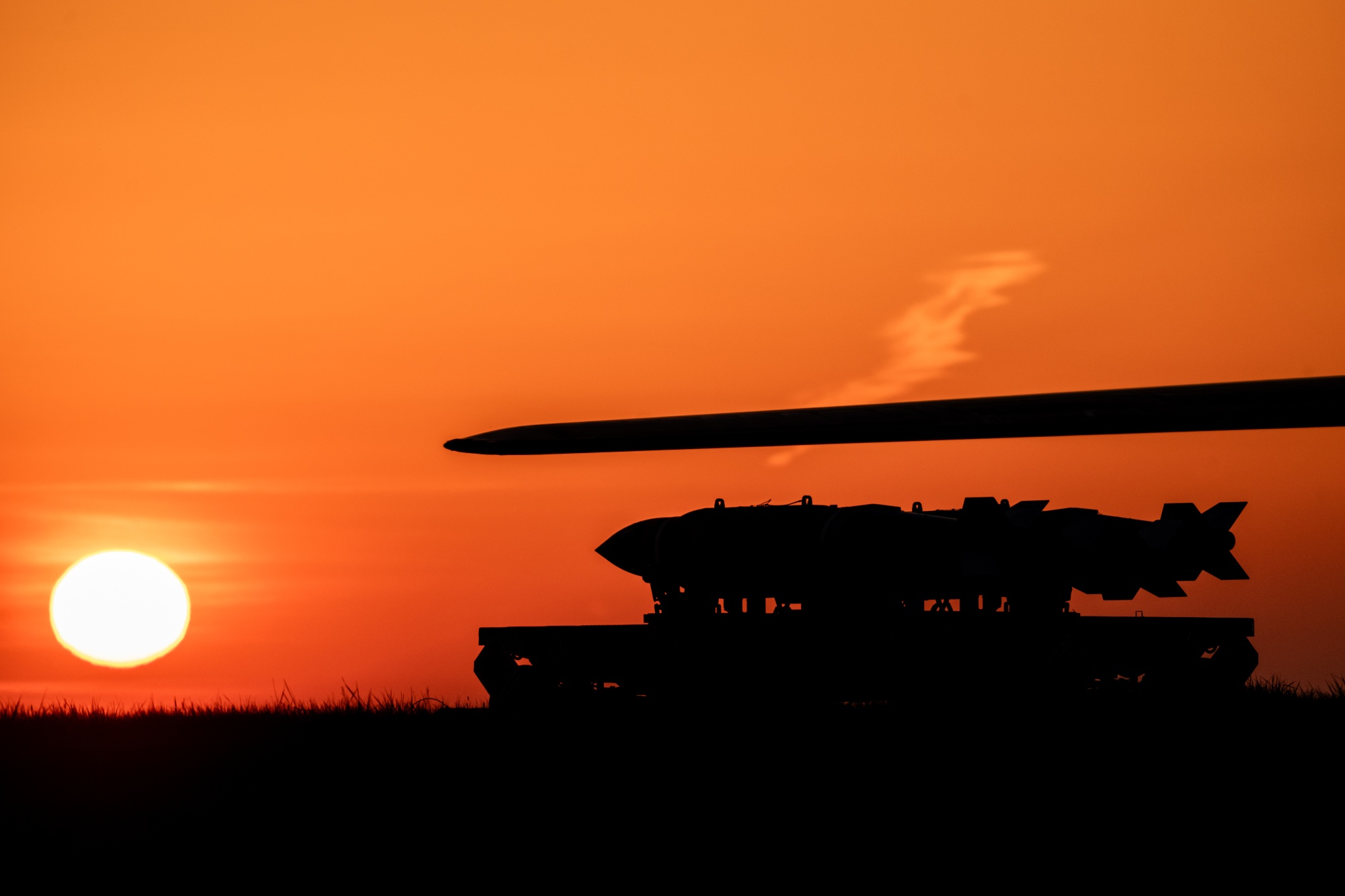
Bombs next to a US Air Force Rockwell B-1B Lancer in Fairford, UK, on Wednesday.
Photographer: Chris J. Ratcliffe/Bloomberg
That risks slower growth and higher inflation. The International Monetary Fund warns that 20 million more people could be confronting food insecurity in a region that’s already home to many of the world’s poor. In its outlook for sub-Saharan Africa, released in Washington yesterday, the IMF trimmed its growth forecast for this year and warned the situation could get significantly worse if fighting drags on. That would stoke potential social unrest in a region that’s recently witnessed a spate of deadly protests sparked by fury over high living costs and a lack of opportunities. To be sure, some African countries have put public finances onto a stronger footing after learning hard lessons in the aftermath of the pandemic, when surging prices and higher interest rates shut governments out of international capital markets. Yet the IMF estimates that more than a third of nations on the continent remain at high risk of debt distress, or are already experiencing it. That raises the potential threat posed by a prolonged Iran war, even if economic heavyweights South Africa and Nigeria are in better shape to navigate the headwinds than they were before. — Alister Bull 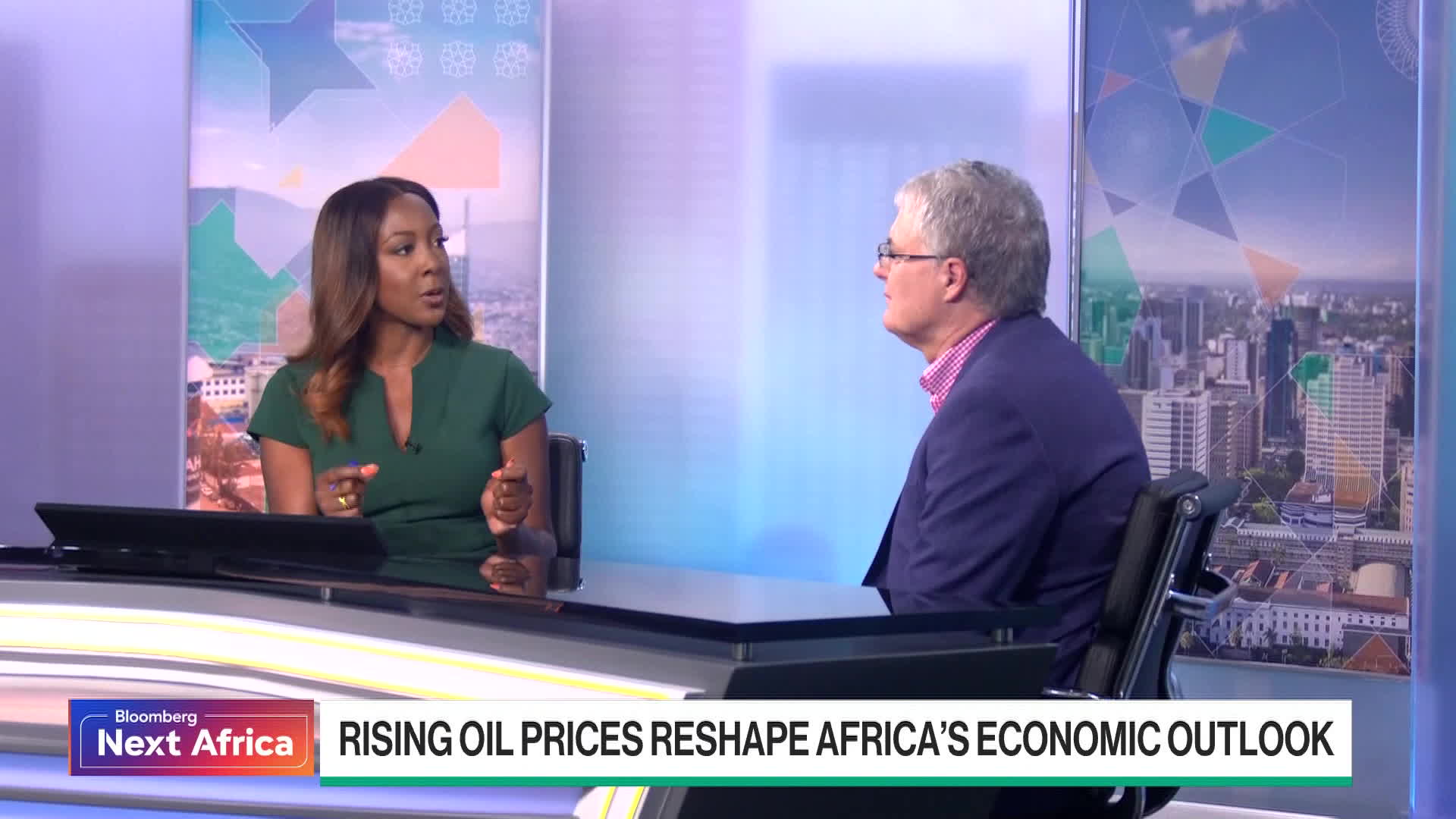 
Jennifer Zabasajja speaks with Citi Senior Africa Economist David Cowan on this week’s IMF meetings and the impact of the war on Bloomberg TV.
What Everyone’s ReadingUS President Donald Trump claimed Iran has made key concessions in ongoing negotiations to end hostilities, while a ceasefire between Israel and Hezbollah in Lebanon increased the prospects for peace. Oil prices fell, Many leaders are now looking to China’s Xi Jinping to bring stability. A mega-refinery owned by Africa’s richest person is becoming an important source of vital jet fuel supplies to Europe, helping fill a gap that’s opened up due to the Iran war. Aliko Dangote’s plant in Nigeria reached full capacity a few weeks before the fighting broke out. The billionaire plans to sell about 10% of the business on multiple African stock exchanges to fund expansion. 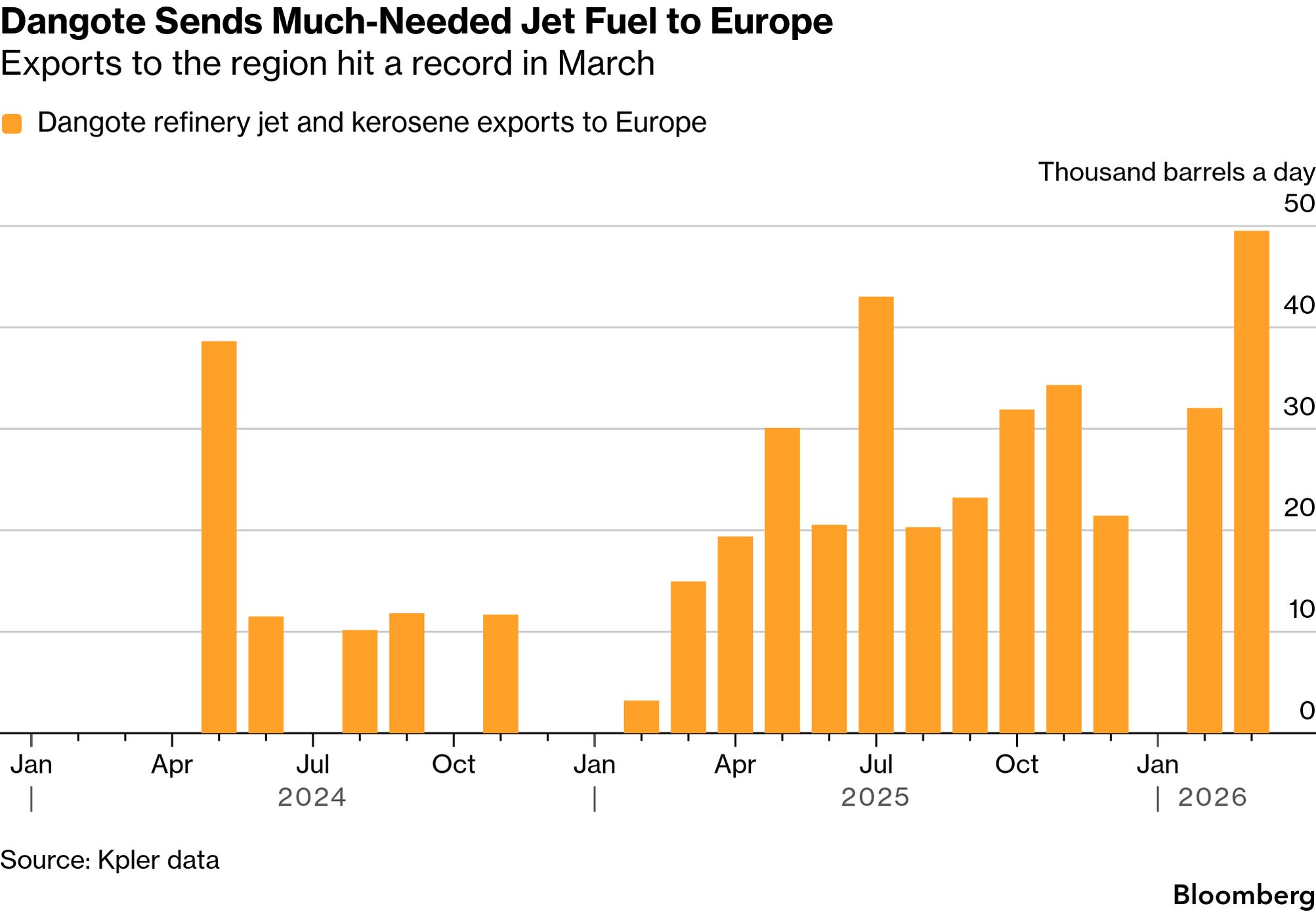
Kenya is in talks with the World Bank for emergency funding to cushion against the impact of the war. The East African nation wants to tap the lender’s Rapid Response Option facility, central bank Governor Kamau Thugge said. It allows quick access to as much as 10% of already approved but undisbursed financing under an existing $1.2 billion program. The bad-case scenario for South African inflation from the Iran war that policymakers warned about is starting to play out, Lesetja Kganyago says. The central bank chief also acknowledged in an interview in Washington that officials will likely lower their growth forecast because of the oil-price shock’s impact on global output and domestic spending. 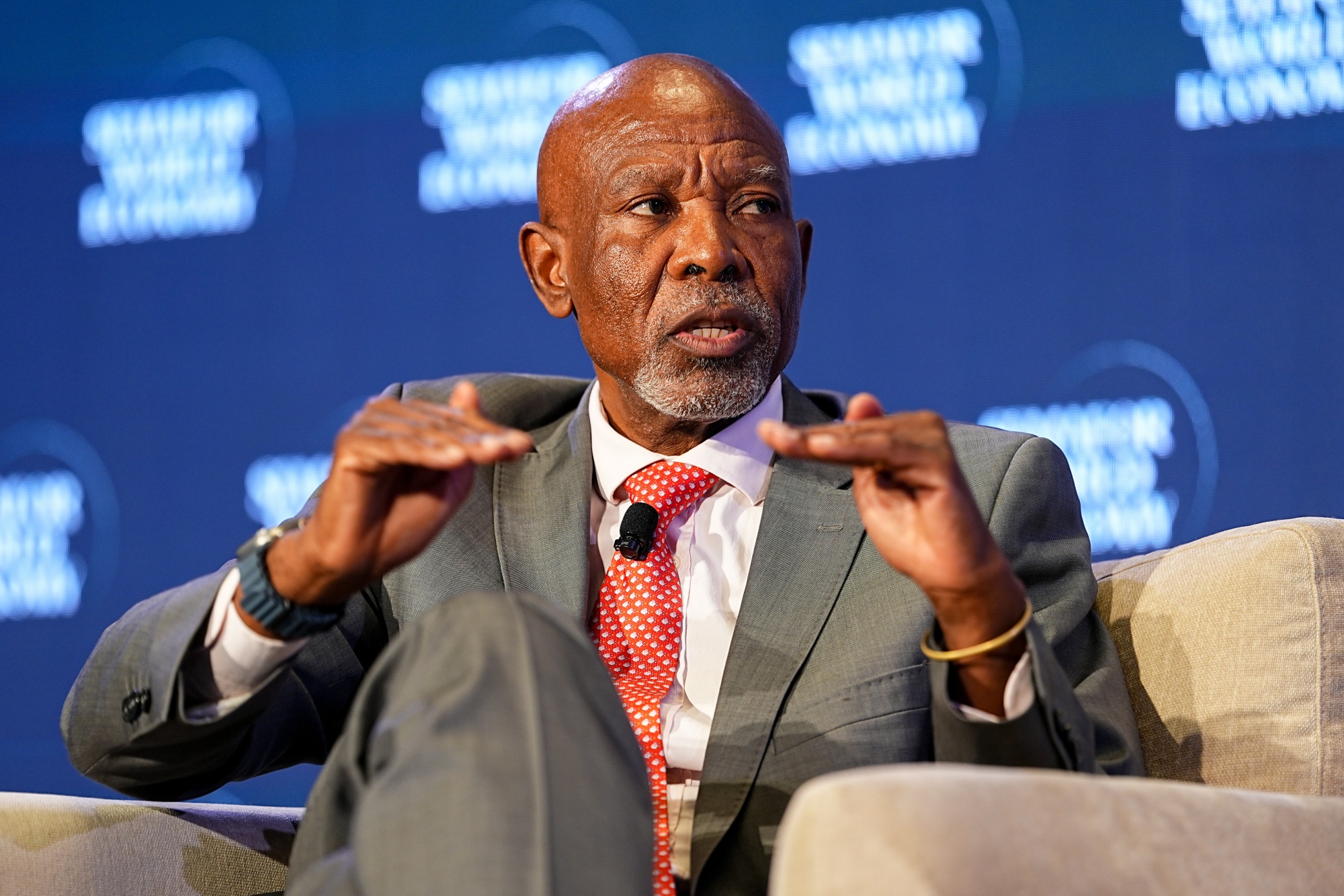
Lesetja Kganyago.
Photographer: Aaron Schwartz/Bloomberg
Almost 300 claimants have filed a class-action suit against BP and Kenyan authorities, seeking compensation for environmental damage caused by toxic waste. They allege the oil major disposed of hazardous materials at wells in northern Kenya, leading to the deaths of about 500 people. Angola plans to conclude a debt-for-education swap of roughly $400 million by June, Finance Minister Vera Daves de Sousa said in an interview. Africa’s third-biggest oil producer got approval for guarantees from the World Bank and engaged a lender that will execute the transaction. Next Africa Quiz — The head of which church, currently on a tour of Africa, challenged the Trump administration’s argument that God is on the side of the US in the war on Iran? Send your answers to mcohen21@bloomberg.net 
On this week’s Next Africa episode, Jennifer Zabasajja is joined by Bloomberg’s Loni Prinsloo and Rivaldo Jantjies to discuss Starlink’s expansion across Africa and its clash with the South African government.
What’s Coming Up
Last WordSouth Africa’s Biovac Institute won funding from the European Investment Bank and the International Finance Corp. to expand its vaccine facility in Cape Town. The plant, which will cost a total of $180 million, will be the continent’s biggest once completed. It will eventually produce more than 400 million doses of multiple vaccines. 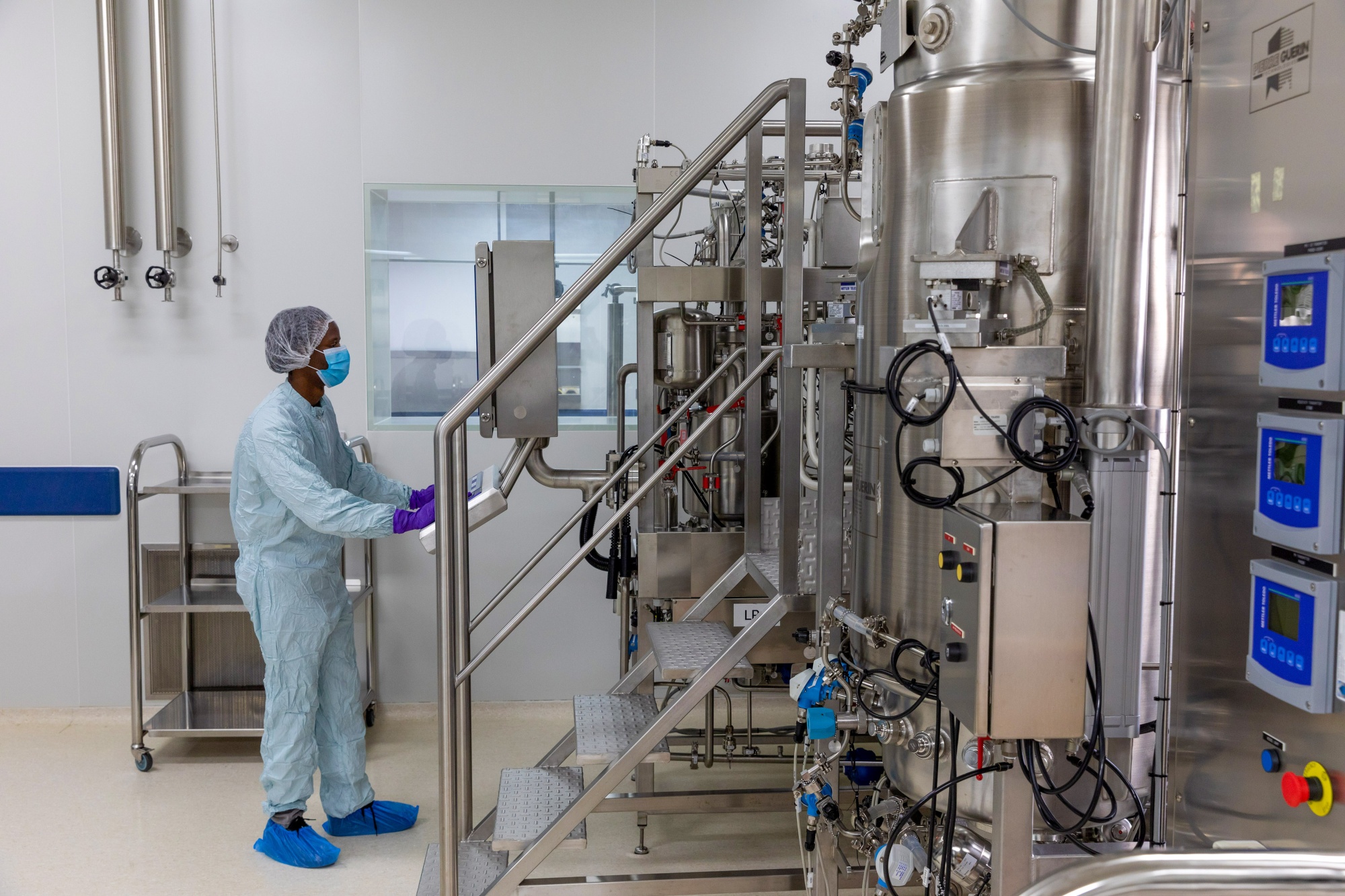
A Biovac laboratory in Cape Town.
Photographer: Dwayne Senior/Bloomberg
We’ll be back in your inbox with the next edition on Monday. Send any feedback to mcohen21@bloomberg.net More From BloombergEnjoying Next Africa? You might also like:
We’re improving your newsletter experience and we’d love your feedback. If something looks off, help us fine-tune your experience by reporting it here. Follow Us
You received this message because you are subscribed to Bloomberg’s Next Africa newsletter. If a friend forwarded you this message, sign up here to get it in your inbox.
|
Saturday, April 18, 2026
Next Africa: The price of war far away





Subscribe to:
Post Comments (Atom)
The 3-Question Test I Use Before Putting a Dollar Into Any Company
Three questions stood between thousands of pitches and one $70,000 check that changed everything. ...
-
PLUS: Dogecoin scores first official ETP ...
-
Swaps, memes, homes, tokens. View in browser Unicorn bucket We have talked a fe...


No comments:
Post a Comment