| Read in browser | ||||||||||||||
 Welcome to Next Africa, a daily newsletter on where the continent stands now — and where it's headed. Sign up here to have it delivered to your email. In today's edition, we look at Ghana's plans to boost local ownership of gold mines as well as:
Keeping It in the FamilyA three-decade-old Ghanaian mine owned by Gold Fields has become a bellwether for the West African nation's ambitions to boost local ownership in a key sector. Mature mines — unloved by multinational operators and in need of a new lease of life — should be perfect candidates for takeovers by homegrown companies in Africa's biggest gold producer. Yet elevated bullion prices mean that even old assets are coveted by international players with deep pockets. When Newmont offloaded the Akyem project in 2024, domestic businesses couldn't compete with the $1 billion offered by China's Zijin Mining. 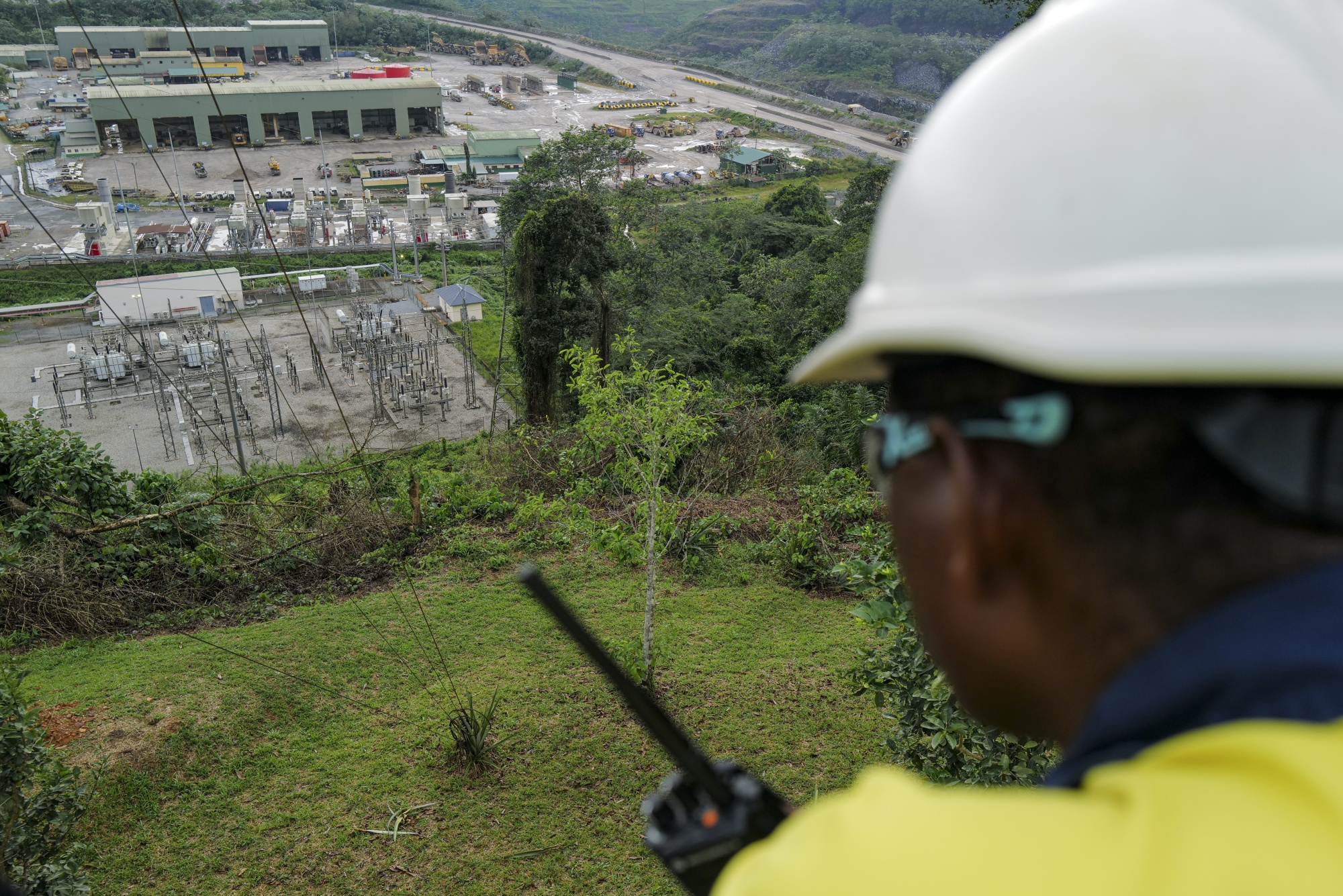 Gold Fields' Tarkwa mine in Ghana in 2024. Photographer: Francis Kokoroko/Bloomberg To avoid being priced out this time round, Ghana's government has limited a tender for Gold Fields' Damang mine — which will be transferred to the state on April 18 — to companies wholly owned by its own citizens. Gold Fields, prioritizing other projects in a globe-spanning portfolio, had been weighing up whether to sell Damang but the authorities upended those plans by refusing to renew the mine's lease. Swirling in the background are negotiations around extending licenses for the company's larger Tarkwa operation. Engineers and Planners — a well-known contracting firm owned by President John Mahama's brother that already works at Gold Fields' assets in Ghana — has been linked with acquiring Damang. The trend aligns with the push by African leaders – from Mali to Zimbabwe – for a chunkier share of revenues generated by their minerals. The same aspiration motivates Ghana's introduction earlier this month of significantly higher royalty rates for gold miners. Meanwhile, the example of Damang could hold lessons for owners of other gold mines nearing the ends of their lives: their fate could be out of your hands. 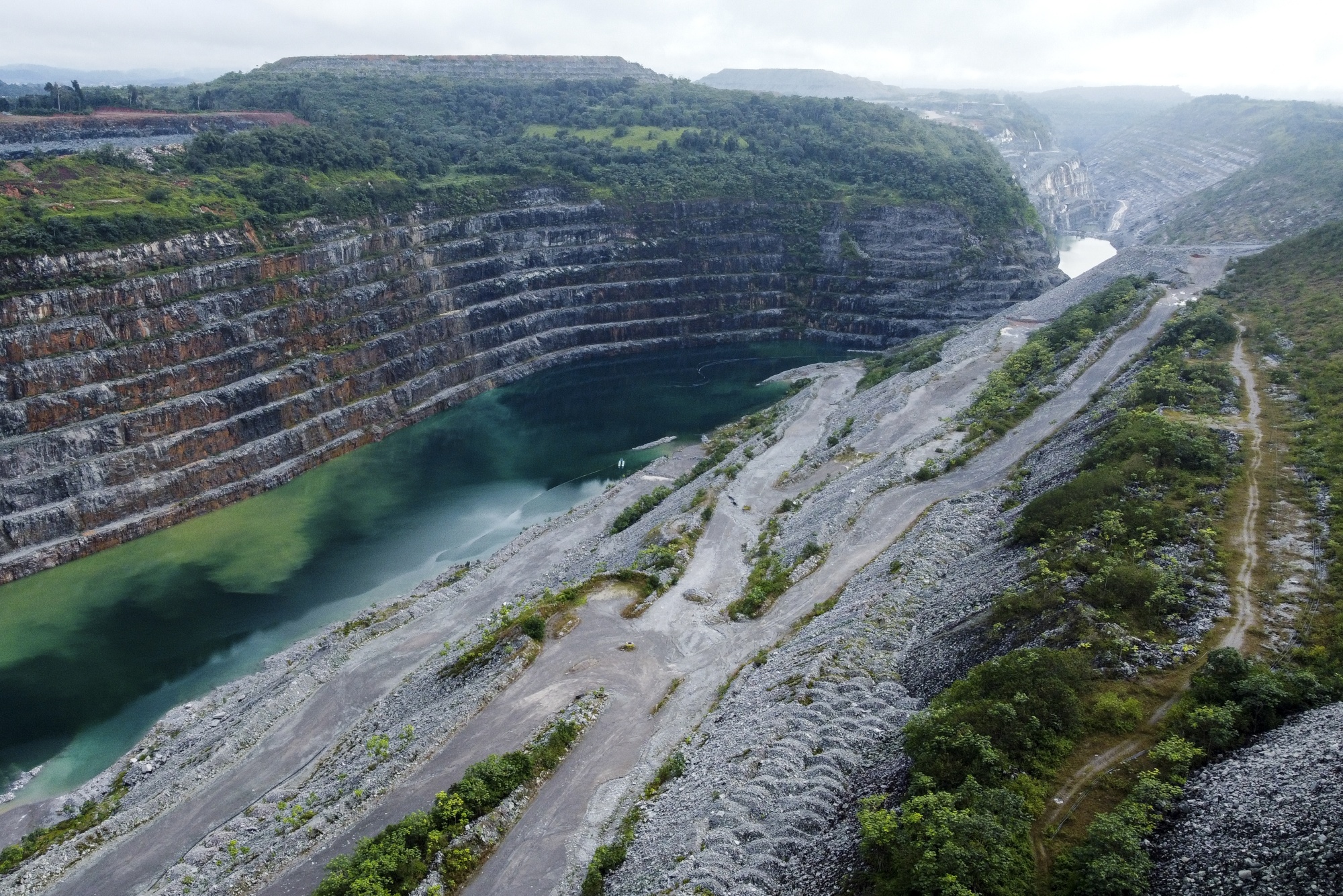 Another view of the Tarkwa mine. Photographer: Francis Kokoroko/Bloomberg What Everyone's ReadingMissile and drone attacks continued across the Middle East even after US President Donald Trump signaled the war could end soon. He said yesterday the conflict could end within two to three weeks, suggesting the US had largely accomplished its military goals and could leave it to other nations to reopen the Strait of Hormuz. Oil fell, gold rose and emerging-market currencies strengthened against the dollar. 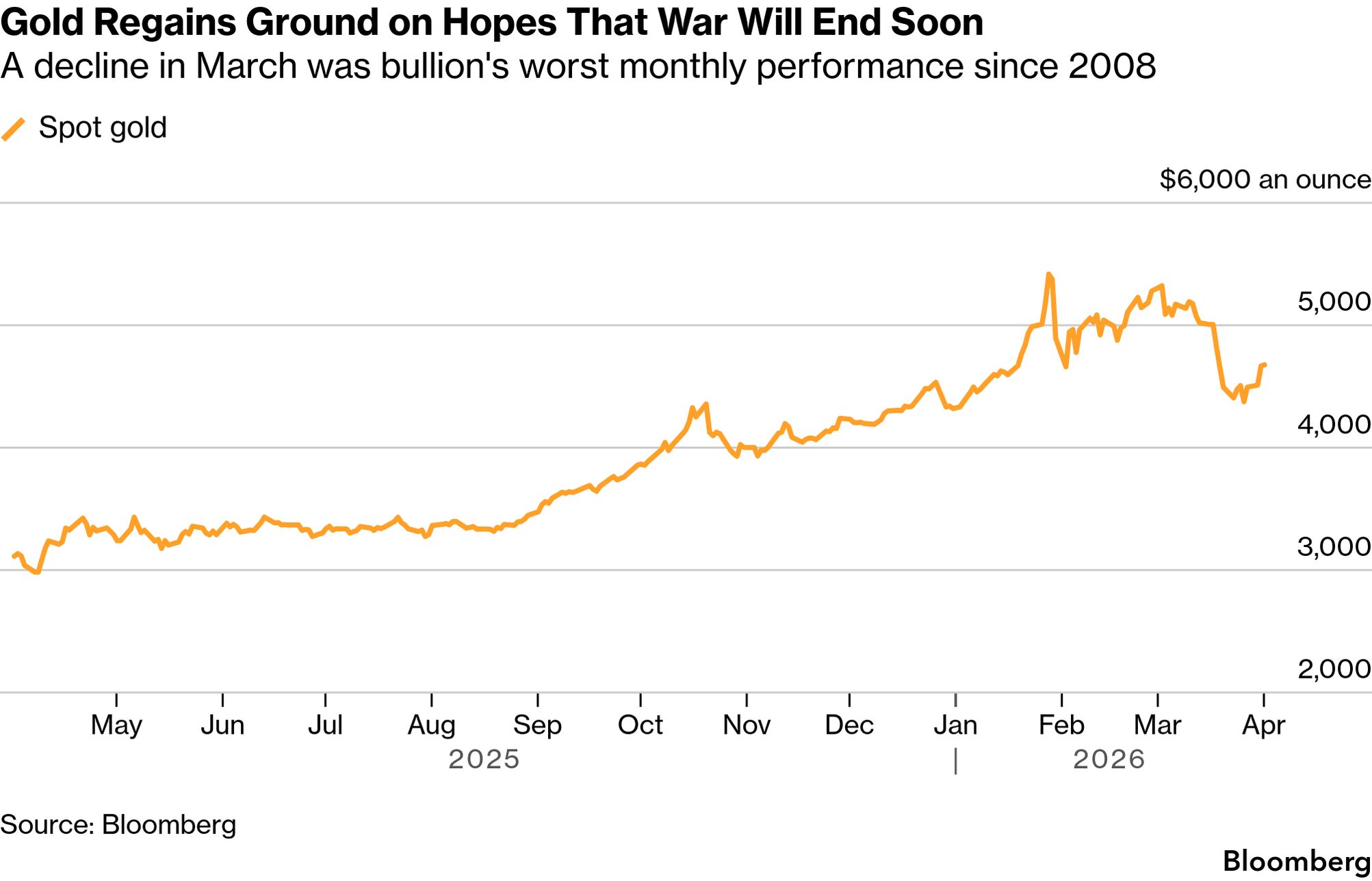 Nigeria plans to raise $5 billion from the United Arab Emirates' largest lender in a derivatives deal to cut borrowing costs, joining a growing number of African nations using the instruments as the war in Iran drives government bond yields higher. Mozambique has repaid about $700 million to the International Monetary Fund ahead of schedule and in full in a surprise move that raises questions about its motivations and the status of talks over a potential new program with the lender. Ghana's annual inflation rate cooled to 3.3% last month, extending an easing streak to a 15th month despite pressure for higher fuel prices because of fallout from the Iran war. Its economy has benefited from an improved fiscal outlook and high gold prices, with a stable local currency, the cedi, curbing price-growth pressures. Africa's biggest fund manager is seeking a buyer for Daybreak Foods, its wholly owned chicken business in South Africa that has been plagued by scandals and a business-rescue process. The Public Investment Corporation, which manages $220 billion in state-worker pension funds, plans to sell "more then 60%" of the company, Chairman David Masondo said. 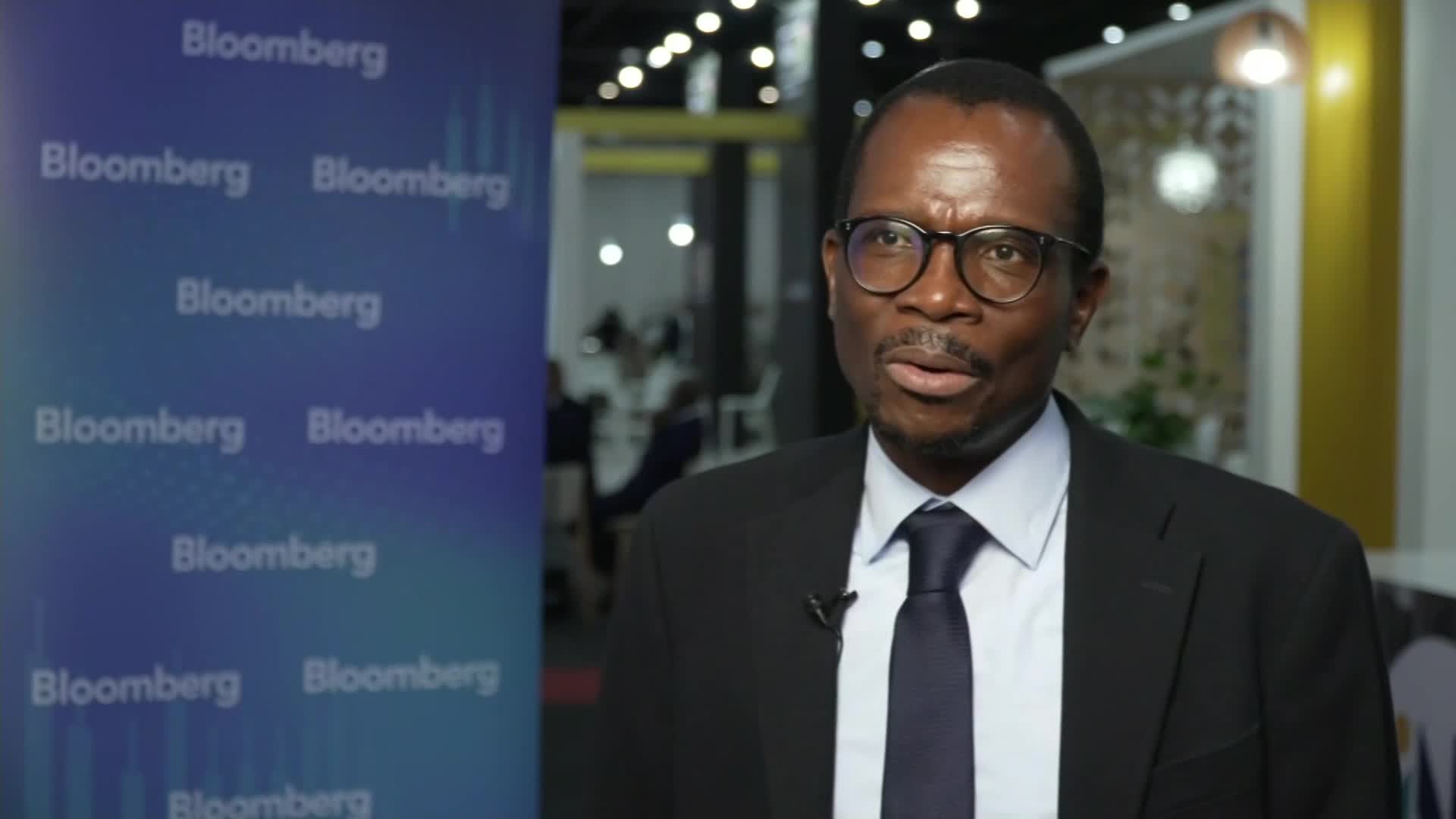  South Africa is better equipped than other emerging markets to withstand the current energy shock from the war in Iran, according to Masondo. FirstRand sold a $149 million bond that rewards investors based on improvements in a Cape Town water-catchment area, measured by the removal of invasive vegetation. It's the first issued by a commercial bank that ties investor returns to ecological restoration outcomes. What You Need to KnowLast WordCoca-Cola is deepening its investment in South Africa — where it has operated for almost a century — with a fresh $1 billion commitment to expand capacity and distribution through 2030. The investment follows a broader reshaping of the global drinks giant's bottling network on the continent, including the creation of Coca-Cola Beverages Africa in 2016. 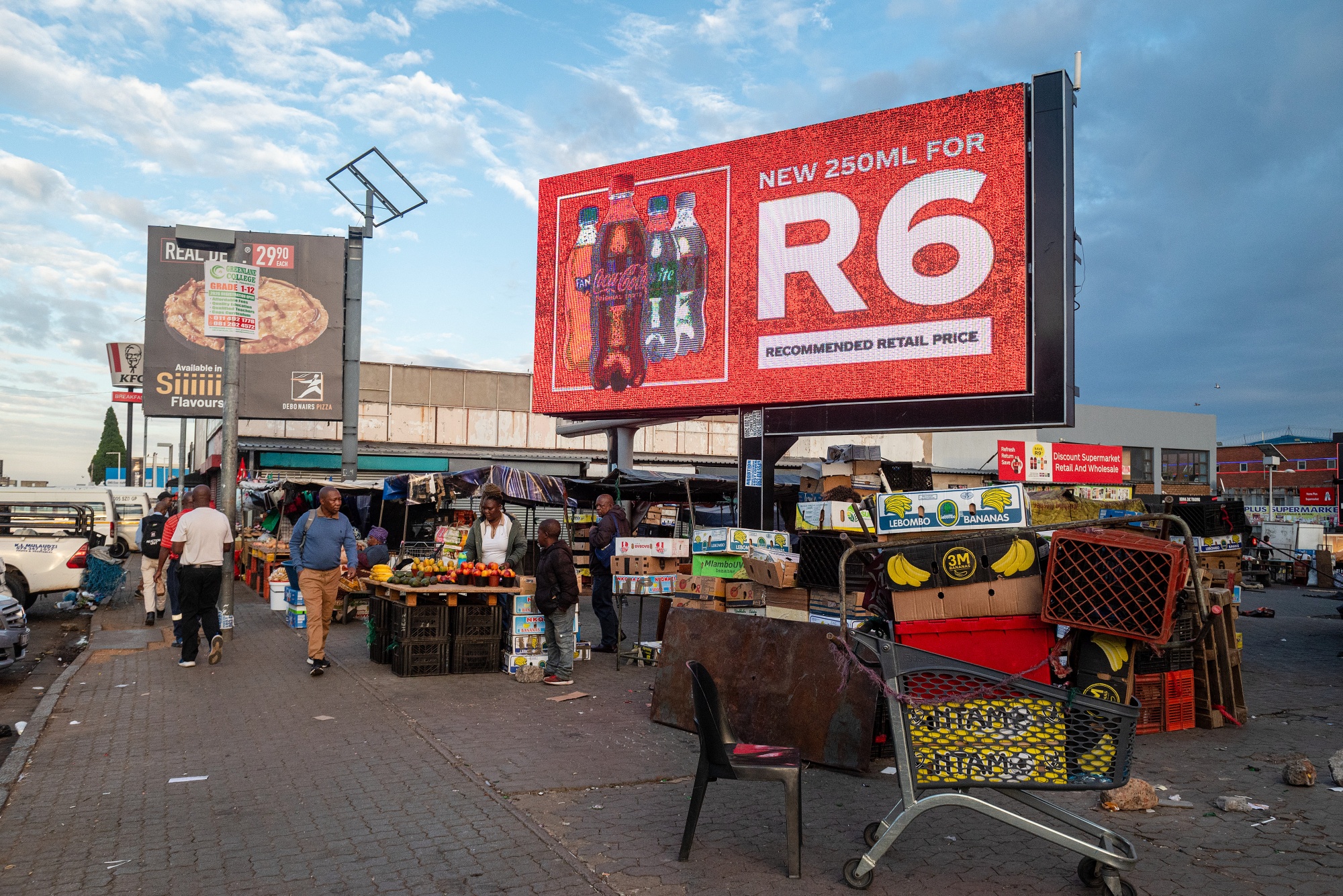 A Coca-Cola advertisement in Soweto near Johannesburg in February. Photographer: Leon Sadiki/Bloomberg More From BloombergEnjoying Next Africa? You might also like:
We're improving your newsletter experience and we'd love your feedback. If something looks off, help us fine-tune your experience by reporting it here. Follow us
You received this message because you are subscribed to Bloomberg's Next Africa newsletter. If a friend forwarded you this message, sign up here to get it in your inbox.
|
Wednesday, April 1, 2026
Next Africa: Keeping it local






Subscribe to:
Post Comments (Atom)
Dropping the Dough: Yum! Brands Strategically Trims the Fat
Yum! Brands is shedding Pizza Hut’s drag to sharpen its Taco Bell and KFC focus, unlock billions in capital and fuel shareholder return...

-
Revolutionary Stem Cell & PRP —Start Your Journey Today ...
-
You’ve shown interest in Regenerative Medicine ...


No comments:
Post a Comment