| Read in browser | ||||||||||||||
  Welcome to the Brussels Edition. I'm Suzanne Lynch, Bloomberg's Brussels bureau chief, bringing you the latest from the EU each weekday. Make sure you're signed up. It's a year since President Donald Trump — armed with a giant poster in the White House Rose Garden — unveiled the most significant tariffs on US trading partners in more than a century. A year on from so-called Liberation Day, Europe is still absorbing the impact. Though the European Commission stands by the trade deal it struck with Trump in Scotland last July — which locked in a 15% ceiling rate on most EU goods in exchange for eliminating duties on many US products — residual issues remain. Chief among them is concern about levies on steel and aluminum. EU metal exports into the US face a 50% tariff, with a host of derivative products made from steel and aluminum also affected. When the European Parliament approved the EU-US trade deal last month, lawmakers added a provision that said tariff reductions on the US would only take effect if metals duties were reduced. 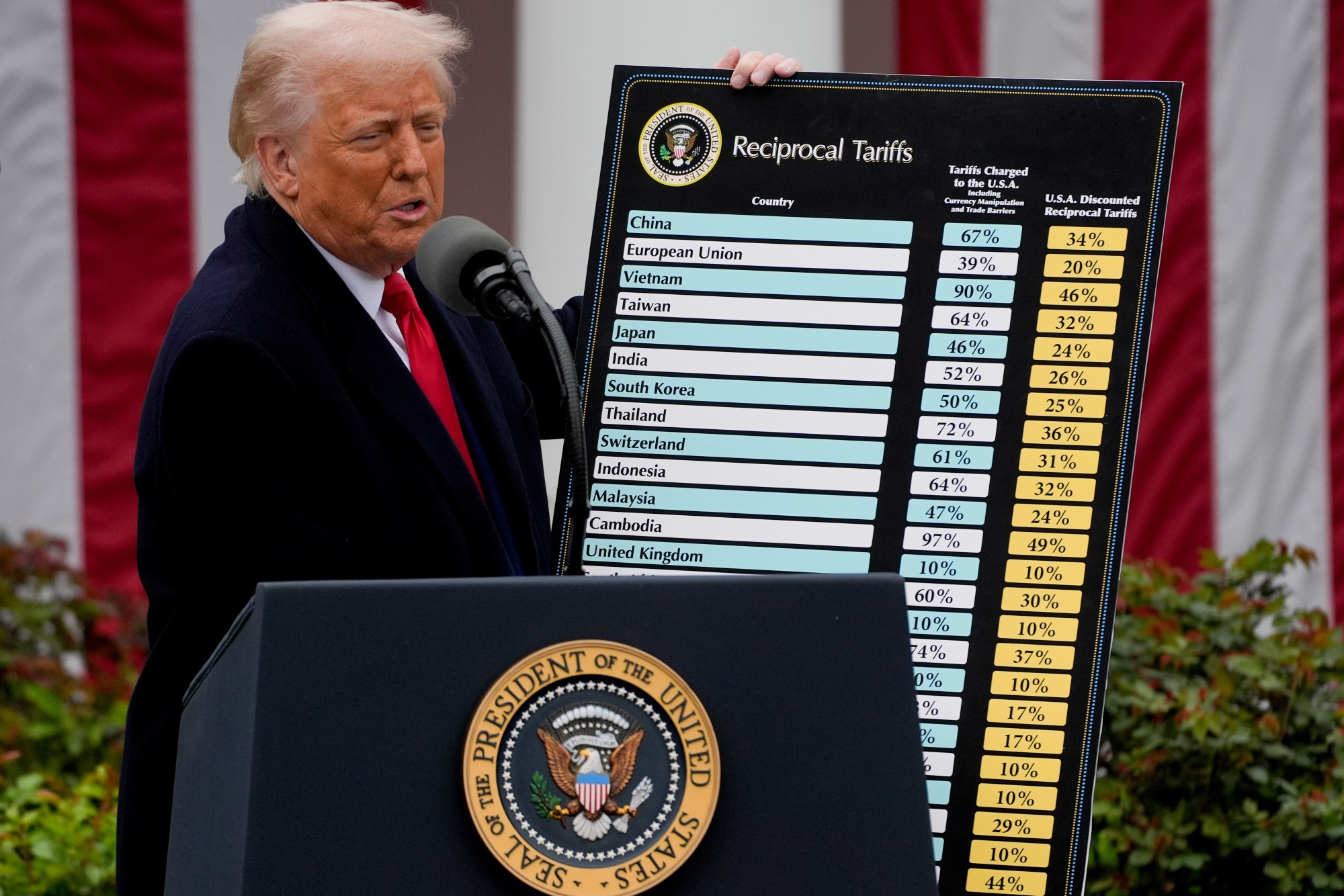 US President Donald Trump announces tariff rates on April 2, 2025. Photographer: Kent Nishimura/Bloomberg There were signs overnight that the US is preparing a tiered system for steel and aluminum products in an attempt to simplify a process for companies and help keep a lid on prices for consumers.This could see some products charged a lower 25% rate and could benefit some European exporters, which had already been struggling with oversupply in the market. But on the flip side, the US is considering new tariffs on pharmaceutical companies that haven't already struck deals with the US. With trade tensions lingering, the Commission said it is discussing with the US plans to set up a "dialog" on digital technologies and markets. Despite such openings, the EU's executive arm insists the bloc's tech regulation is not up for negotiation. That's clearly a point of contention. A senior US official warned this week that EU tech rules — particularly the Digital Markets Act, or DMA — is central to ongoing trade discussions. Speaking during a visit to Brussels yesterday, Under Secretary of State for Economic Affairs Jacob Helberg said that the DMA accounts for "90% of the problems" between the US and the EU. Tension over tech regulation is "the biggest point of friction" in economic relations with the bloc," he added. "It's very much a part of ongoing trade negotiations." The Latest
Brussels Edition is taking a break over Easter and will be back Tuesday, April 7. Seen and Heard on Bloomberg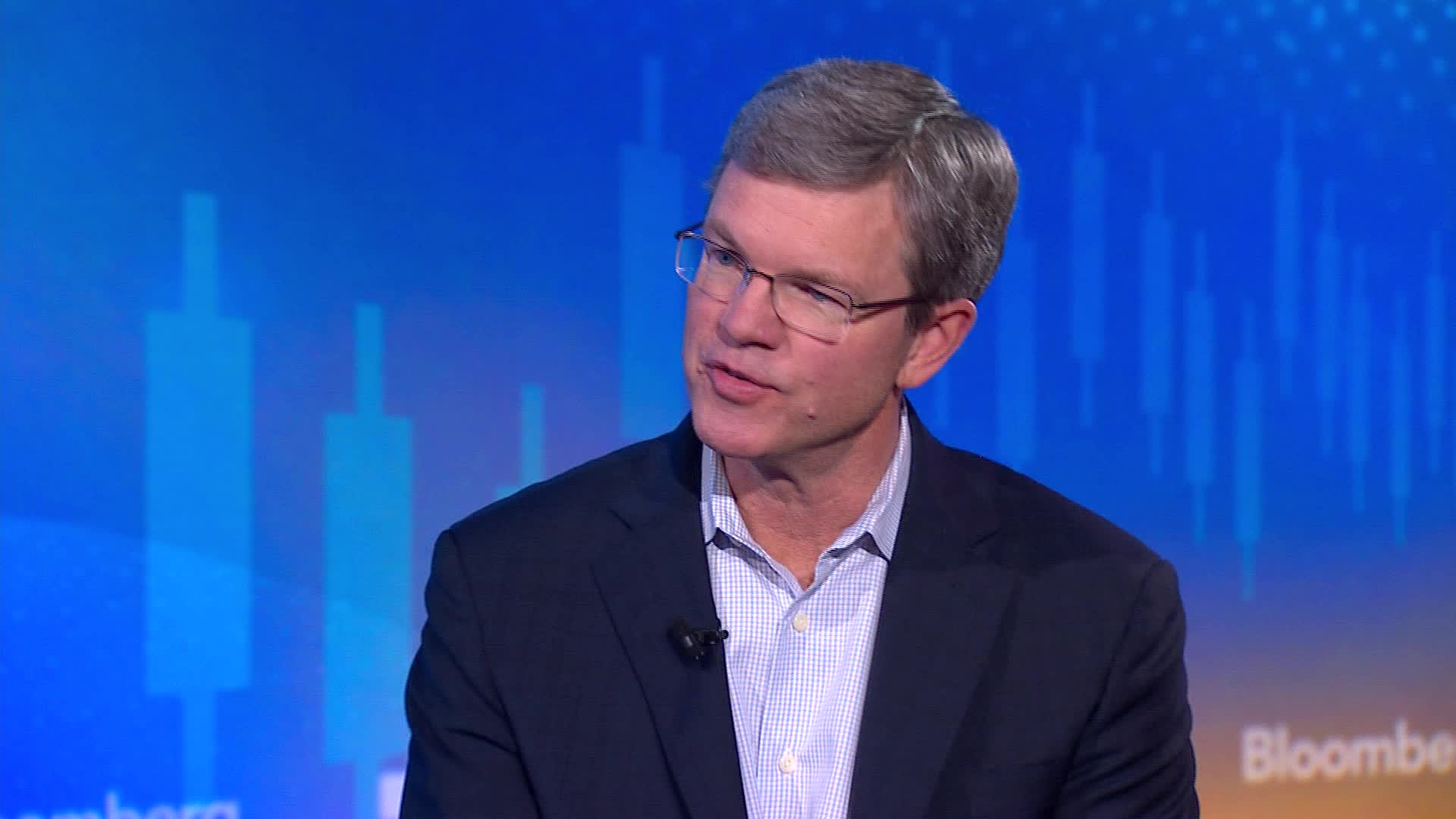  News that Eli Lilly's weight-loss pill Foundayo gained FDA approval came as no surprise to rival Novo Nordisk, according to its head of US Operations Jamey Millar. "Imitation is the best form of flattery," he told Bloomberg TV. "We're exceedingly proud to have pioneered this category and look forward to sustaining the trajectory we've seen since launch with Wegovy pill," Millar said, also highlighting Novo's recently-launched subscription model. Chart of the Day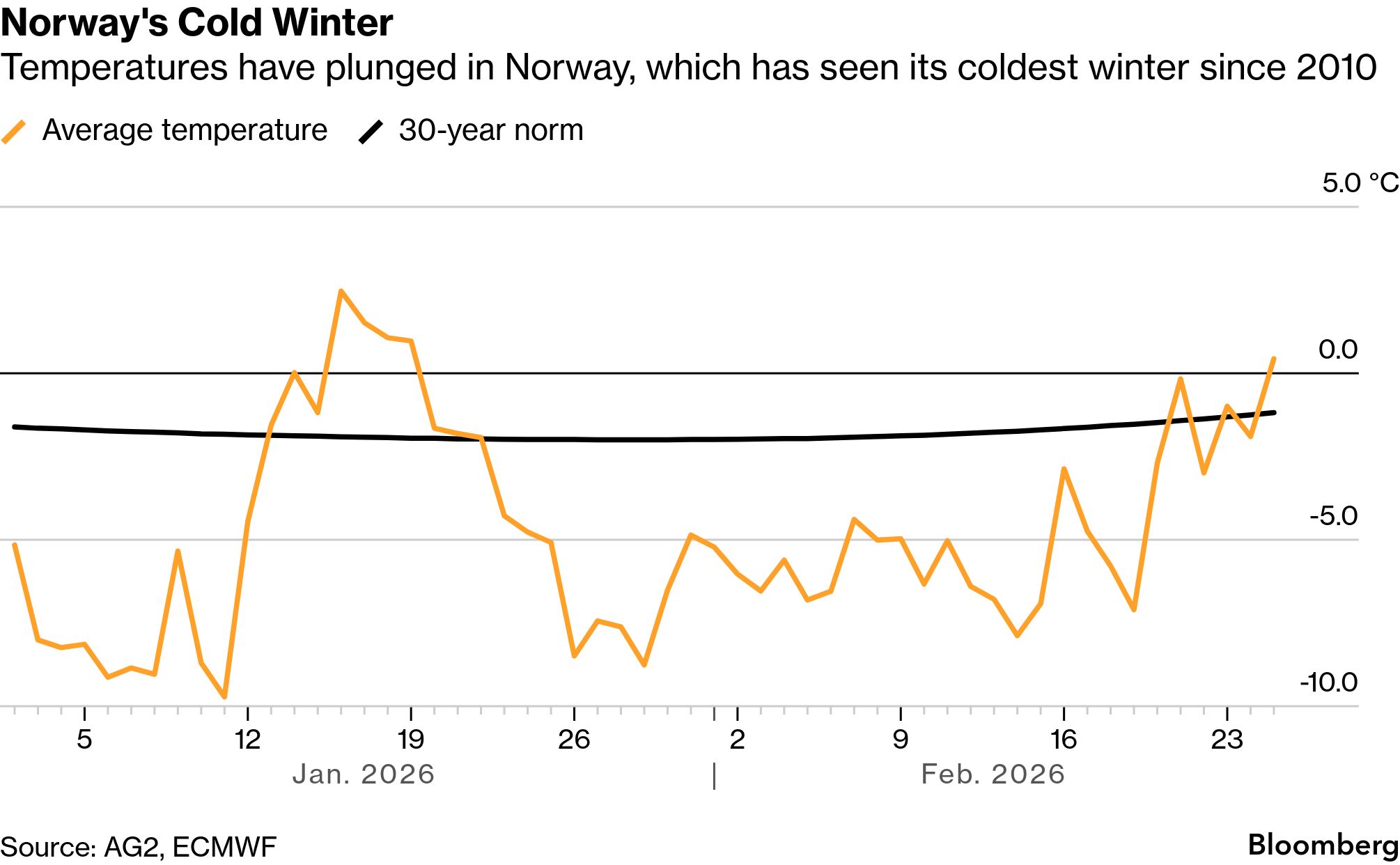 Norway's driest winter in decades has led to low water levels in reservoirs, creating a deficit of about 25 terawatt-hours of energy. The shortfall in hydropower is affecting electricity markets, with exports to the UK and Germany slashed and Nordic prices sharply higher. Norway's coldest winter since 2010 is the result of persistent high pressure near Greenland that blocked flows of moist Atlantic air into the Nordic region. Coming Up
Final Thought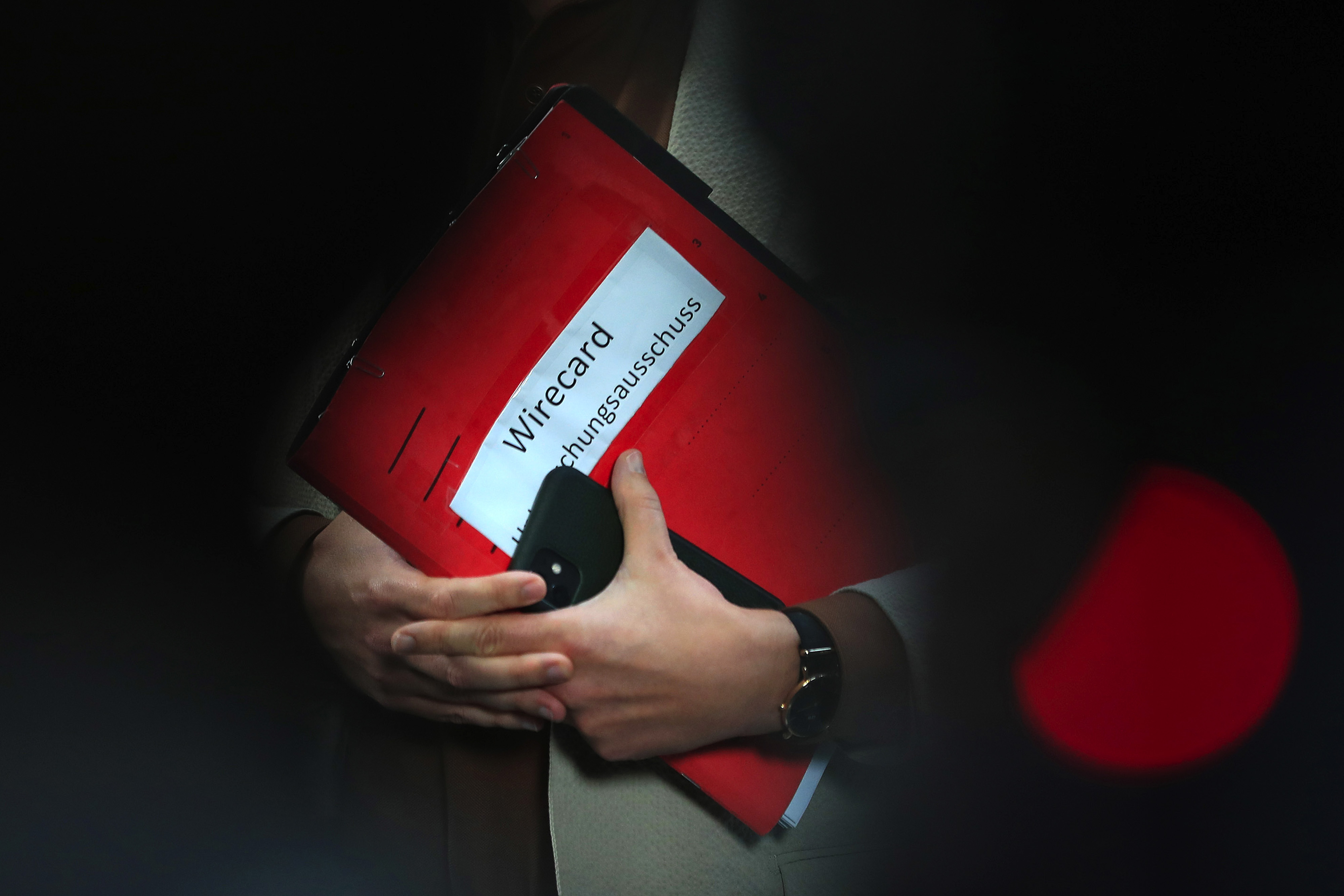 Documentation for the Wirecard inquiry in Berlin, in 2020. Photographer: Krisztian Bocsi/Bloomberg When the FBI arrested Ruben Weigand on a March 2020 layover at Los Angeles International Airport, alarm bells rang at payment companies thousands of miles away in Europe. The German national had connected several of them — including the now-defunct Wirecard and a business called Payone, which has become part of Worldline — to lucrative customers, such as operators of pornography and dating websites, we've been told. More than five years on, German authorities allege that networks of criminals defrauded people across the globe of more than €300 million. Like the Brussels Edition?Don't keep it to yourself. Colleagues and friends can sign up here. How are we doing? We want to hear what you think about this newsletter. Let our Brussels bureau chief know. We're improving your newsletter experience and we'd love your feedback. If something looks off, help us fine-tune your experience by reporting it here. Follow us
You received this message because you are subscribed to Bloomberg's Brussels Edition newsletter. If a friend forwarded you this message, sign up here to get it in your inbox.
|
Thursday, April 2, 2026
Brussels Edition: Marking Liberation Day





Subscribe to:
Post Comments (Atom)
See how AI is changing trade decisions
Quick reminder: watch your AI investing session Hi — Jessica here from Wyatt Investment Research. ...

-
Bloomberg Evening Briefing Americas View in browser Who's paying for Donald Trum...
-
PLUS: Dogecoin scores first official ETP ...


No comments:
Post a Comment