| Given Pete Hegseth's proclivities for lobster tails and donut holes, you wouldn't think he's a fan of leafy greens. But the self-proclaimed "secretary of war" actually loves salad — word salad, that is. Here's my very unofficial take on his recipe: In between push-ups, whisk together 1 cup of muscular Christianity ("Deus Vult" variety), a dash of vice signaling, two tablespoons of stale beard hairs, one soundbite featuring "tragic things happen," a whisper of "peace through strength" and the sweat of one junior airman (not from the Ivy League). Stir the dressing until the "Warrior Ethos" makes you feel comfortable inside the violence and you ask for "more bombs, sir, and bigger bombs." Next, bake the woke croutons for four to eight weeks, or until they are rid of globalist and radical ideologies. Do not pause for questions, even if they pertain to insider trading allegations. Pour the dressing over a bed of shredded history lessons (bonus points if you use Norman F. Dixon's On the Psychology of Military Incompetence) and finish with a heavy dusting of lethality, to taste. Serve to a captive audience of generals.
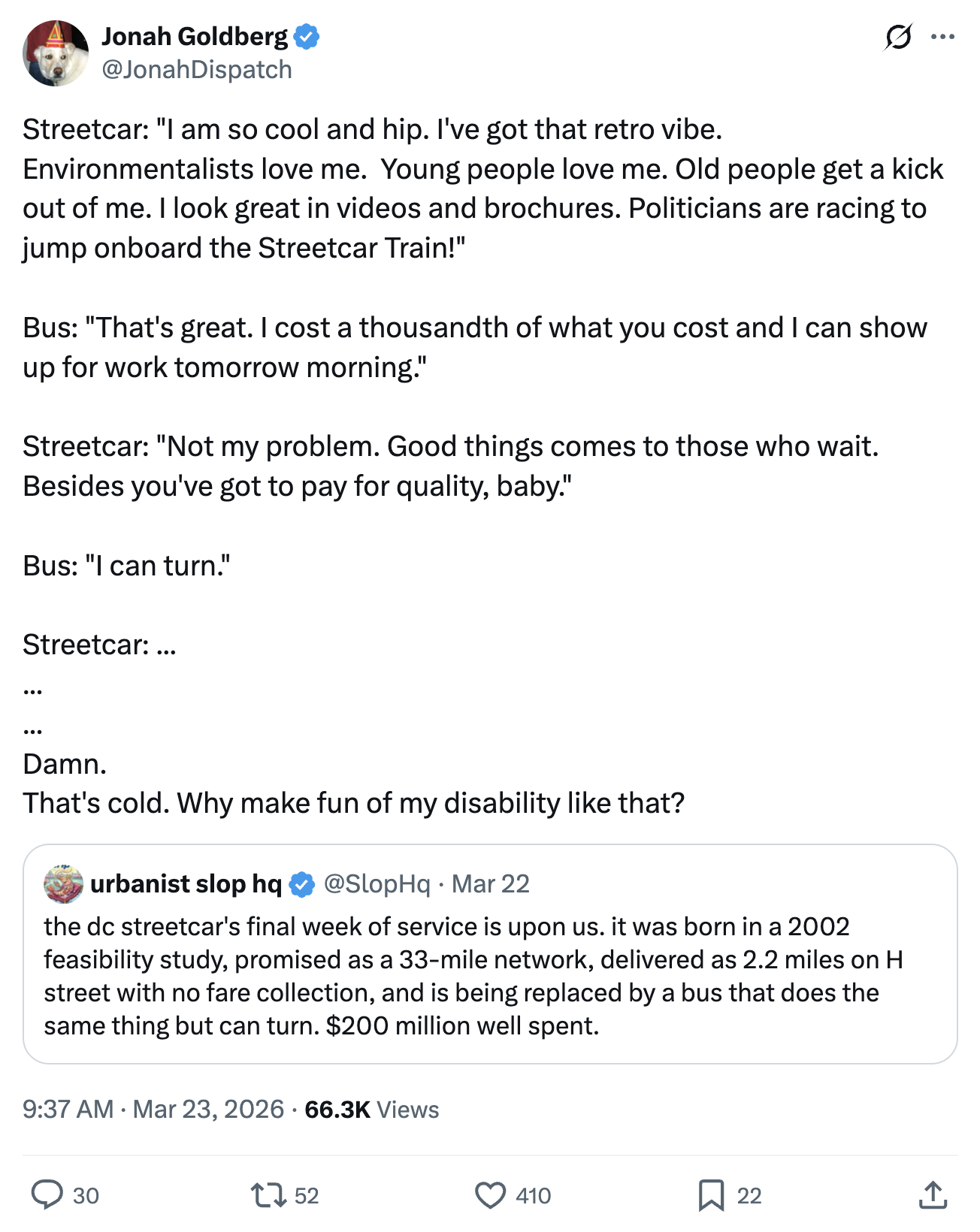
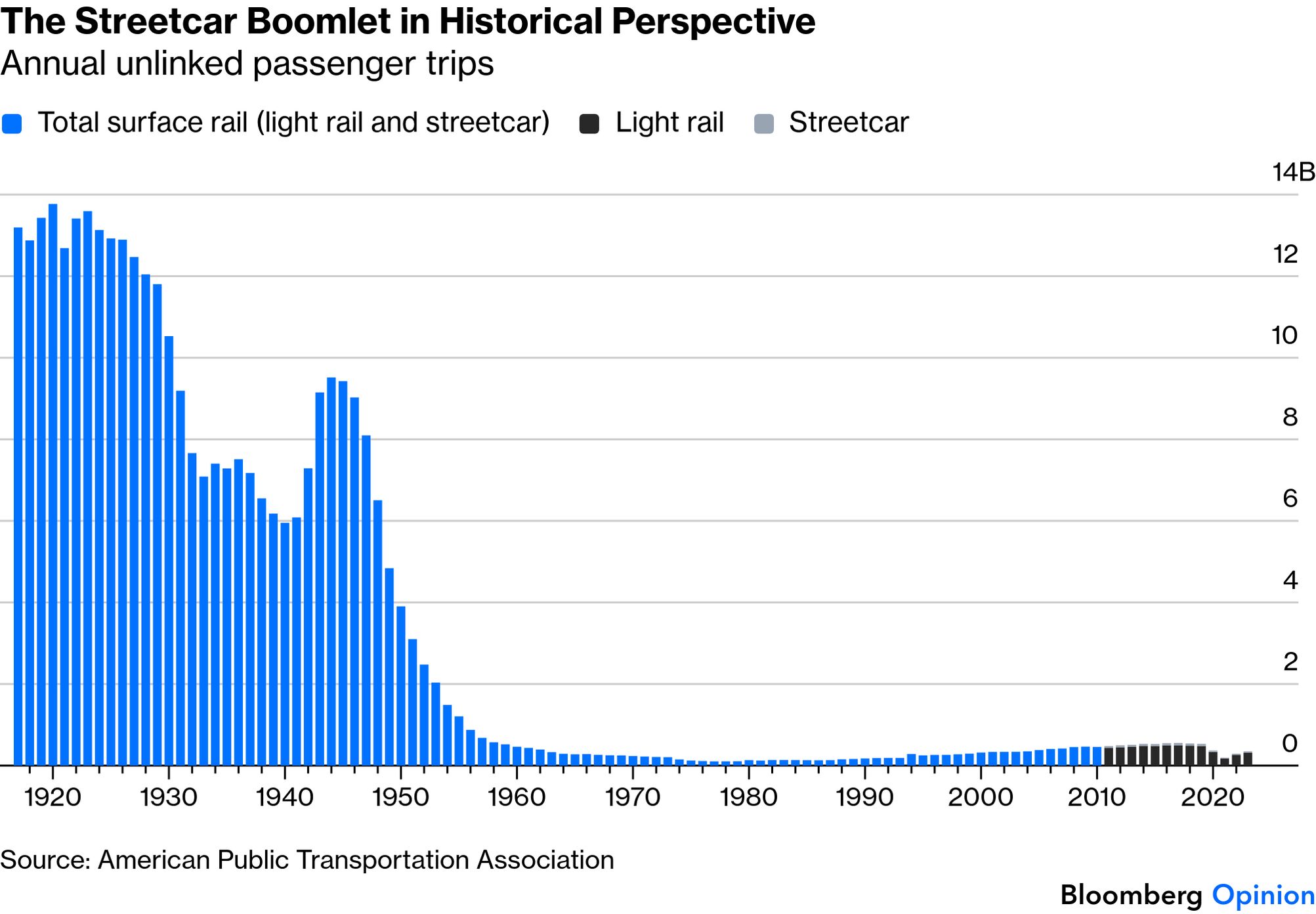
What does Tobin Harshaw make of such a meal? "It would be easy to pass Hegseth's sound bites off as mere rhetoric — an infinity-loop locker-room speech intended to stir the troops and stoke the culture wars," he writes, but the Pentagon is "planting the seed for a radical change in one aspect of military behavior that doesn't get enough attention: psychology." In a sweeping analysis, Tobin says Hegseth is playing a dangerous game with his military word salad. "Broadly, armed forces take on a mentality shaped by their leaders. My concern is that the wrong one can lead to disaster," he writes. 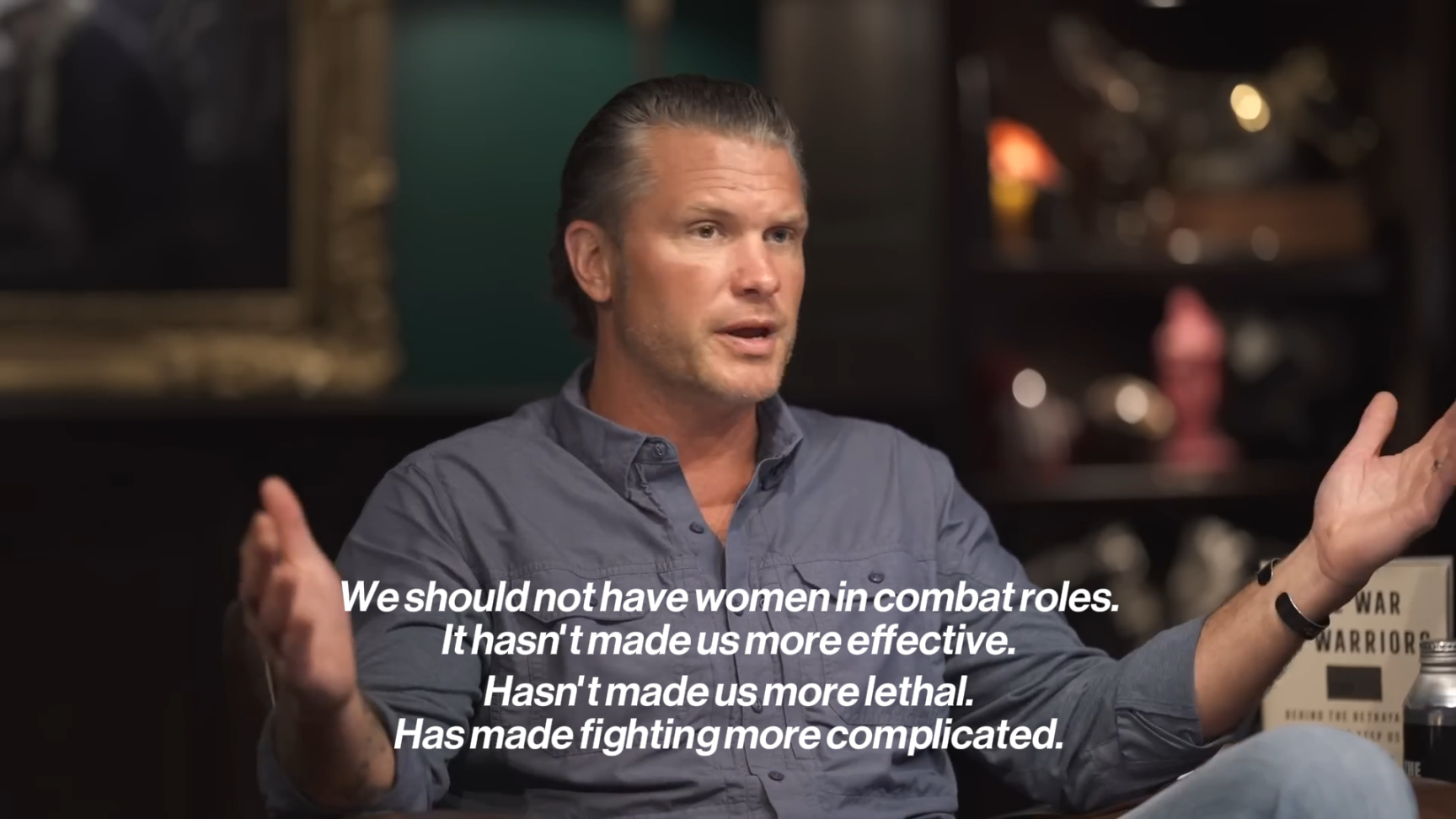 Source: Shawn Ryan Show via YouTube History speaks to that concern. In Dixon's 1976 book (the one we shredded for the salad), he chronicles how "top brass — and the militaries they led — succumbed to institutional rigidity, groupthink, uniformity and authoritarianism." The British psychologist "didn't find that incompetence occurred more frequently in the military — only that for no other profession can incompetence cause so much human tragedy so quickly," Tobin explains. Hegseth's breezy dismissal of life in the Middle East — "things happen" — may be the status quo, but according to Dixon, most bloodshed is avoidable: "Military incompetence is a largely preventable, tragically expensive and quite absorbing segment of human behaviour. It also follows certain laws." Laws that Hegseth unfortunately models. Read the whole thing. Bonus Forgotten History Reading: The 1953 Nissho Maru incident explains today's oil shock. — David Fickling If you live in DC, you have until 10 o'clock tonight to take one last ride — or your very first ride, let's be real — on the free streetcar before it goes away on April 1st. Justin Fox says the $200 million project "was part of a wave of similar experiments launched in the 2010s with enthusiastic support from the Obama administration." From the get-go, these streetcars have been mocked for two obvious reasons: (1) they're not as good as buses and (2) they cost an absurd amount of money. "Streetcars in general have been a tiny part of a much larger — if still quite small by historical standards — light-rail revival in the US," Justin writes. The difference between buses and streetcars mostly boils down to one of Gen Z's favorite phrases: It's aesthetic. Put simply, "they look cooler," Justin writes. "This is, it has to be said, a pretty suspect reason to spend hundreds of millions of dollars on a transportation project. It's not illegitimate to take aesthetics into account, but if the system doesn't fill a significant transportation need, it's likely to be a boondoggle." | 









No comments:
Post a Comment