| Read in browser | ||||||||||||||
 Welcome to Balance of Power, bringing you the latest in global politics. If you haven't yet, sign up here. Pakistan is walking a fine line as the US-Iran conflict reverberates across the region, upending oil supplies along with Islamabad's delicate web of alliances. The government has publicly called for restraint, dialog and de-escalation, but behind the cautious language lies a more complicated reality. Pakistan's new defense agreement with Saudi Arabia formalizing long-standing cooperation, its relations with Iran, and its reliance on the US leave little room for taking sides. The pact with Saudi Arabia states that aggression against one would be treated as a threat to both — placing Pakistan in a tricky position. Its top military leader, Field Marshal Asim Munir, was in Saudi Arabia at the weekend as Iran attacked Al Kharj and Riyadh. The Saudi defense minister said they discussed the strikes and "measures needed to halt them." 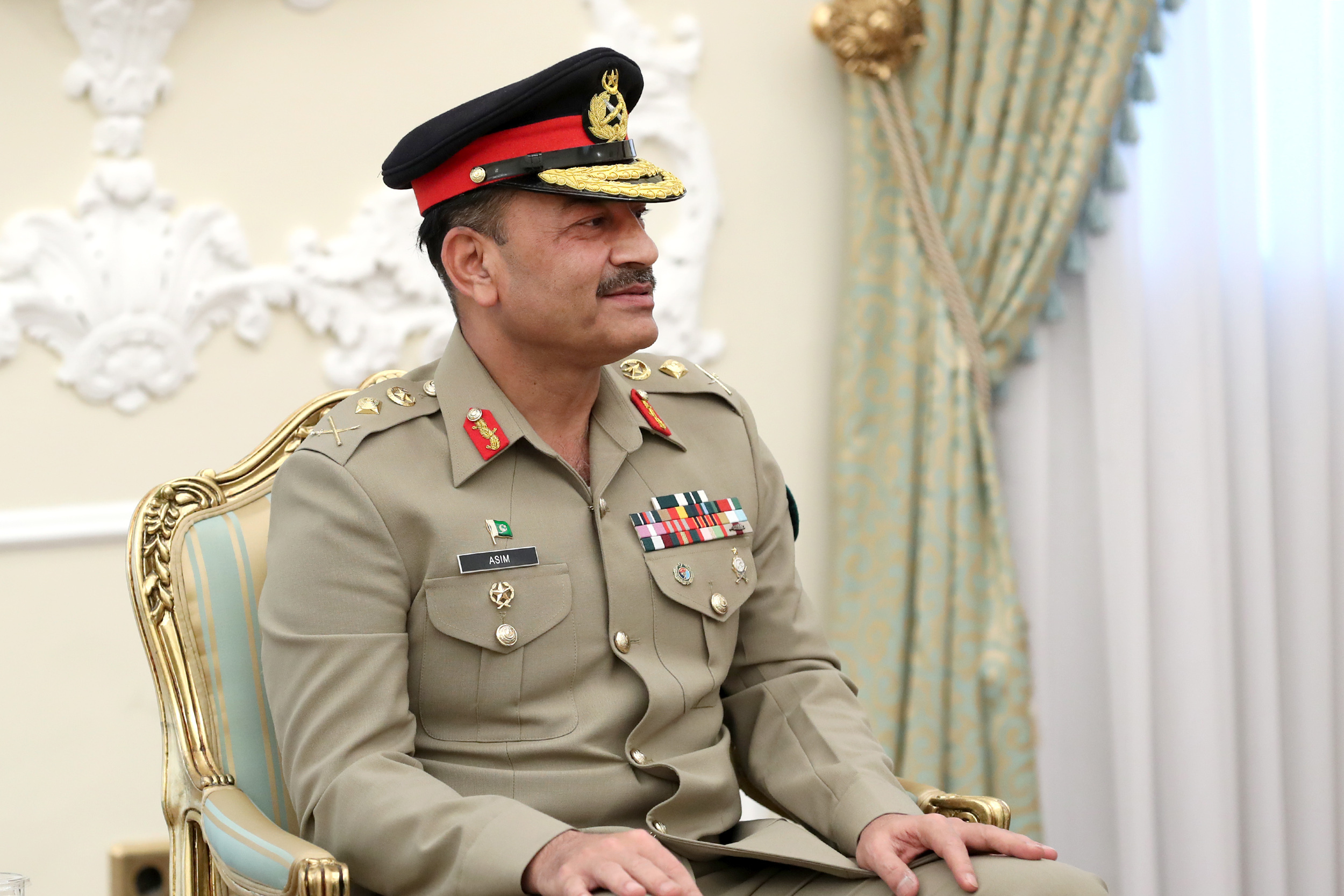 Asim Munir. Source: Iranian Presidency/Anadolu Agency/Getty Images Relations run deep for the two Muslim nations. Riyadh has already granted Islamabad a loan of $5 billion, as talks proceed on an economic cooperation agreement. Yet it's no easy decision for Pakistan to stand shoulder-to-shoulder with Saudi Arabia. It would turn Pakistan against a neighbor at a time when sympathies for Iran run deep in a significant portion of the Shiite population, which shares strong religious and ideological ties with the Islamic Republic. Pakistan is meanwhile enjoying warm US relations: Donald Trump hosted Munir at the White House last year. So Pakistan has condemned Iran's attacks while seeking peace negotiations. Indonesian President Prabowo Subianto has offered to mediate, possibly in a joint visit to Iran with Pakistani Prime Minister Shehbaz Sharif. While Pakistan is not a direct participant, it's among those suffering the war's impact. With gas from Qatar suspended, the government halted supplies to fertilizer companies, raised fuel prices by a record 21% and introduced austerity measures to cut consumption. The result is a familiar but increasingly fraught geopolitical balancing act: neutrality in public, caution in private, and constant diplomatic engagement behind the scenes. — Bilal Hussain and Tooba Khan 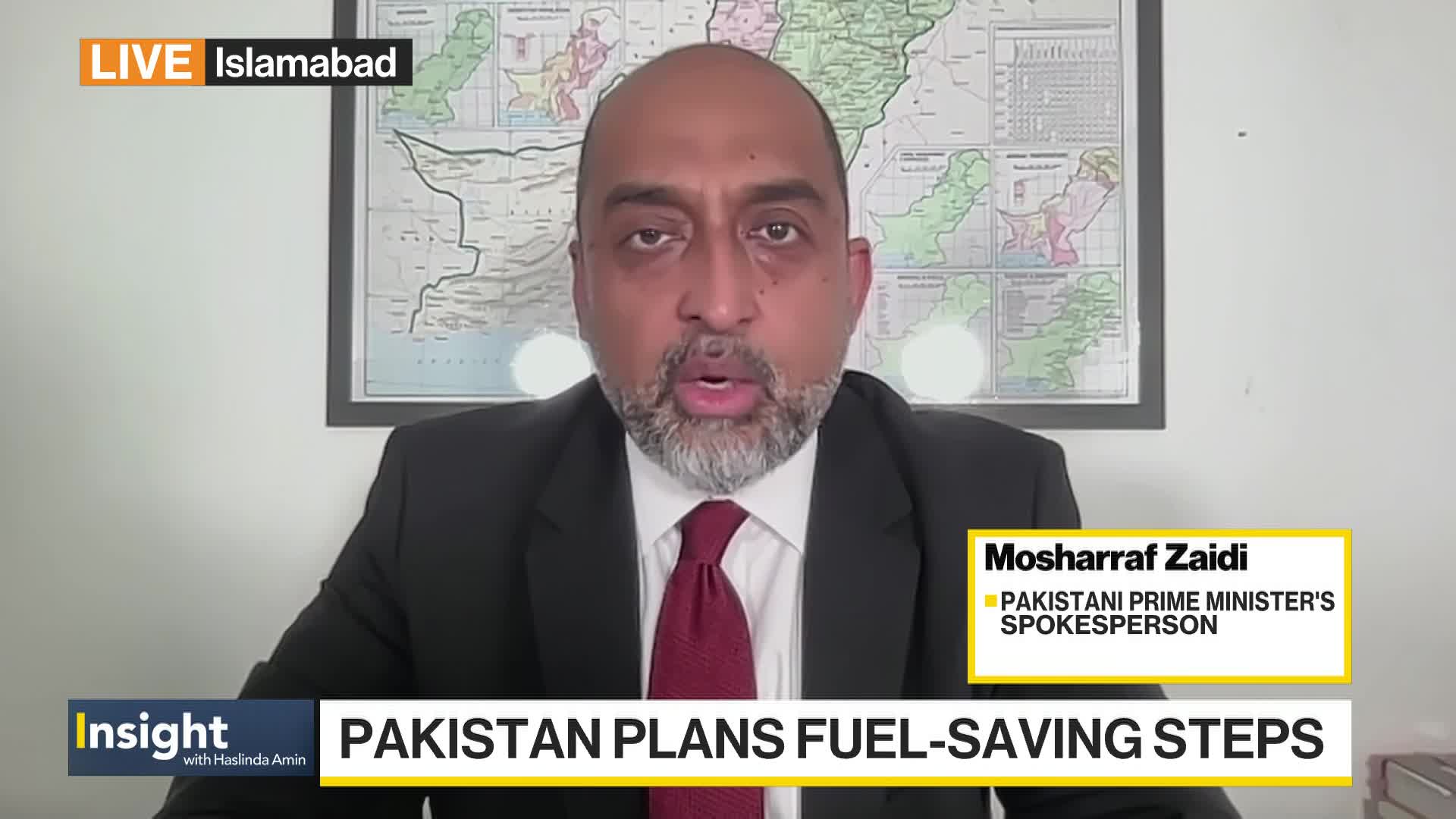 WATCH: Mosharraf Zaidi, the Pakistani prime minister's spokesperson for foreign media, tells Bloomberg TV that Islamabad will come to Riyadh's aid whenever needed. Global Must ReadsEnergy markets whipsawed again as investors raced to interpret rapidly shifting comments from the Trump administration on the war on Iran. Oil prices plummeted after Energy Secretary Chris Wright posted — and then deleted — a message that said the US Navy had escorted an oil tanker through the Strait of Hormuz, and White House Press Secretary Karoline Leavitt later conceded no such operation had occurred. The International Energy Agency is proposing the largest release of oil reserves to date, of about 300 million to 400 million barrels, with a decision possible later today, a source says. That's as governments seek to contain a spike in energy prices driven by the war and the near total closure of the Strait of Hormuz, with Gulf producers so far shaving about 6% from global oil output. 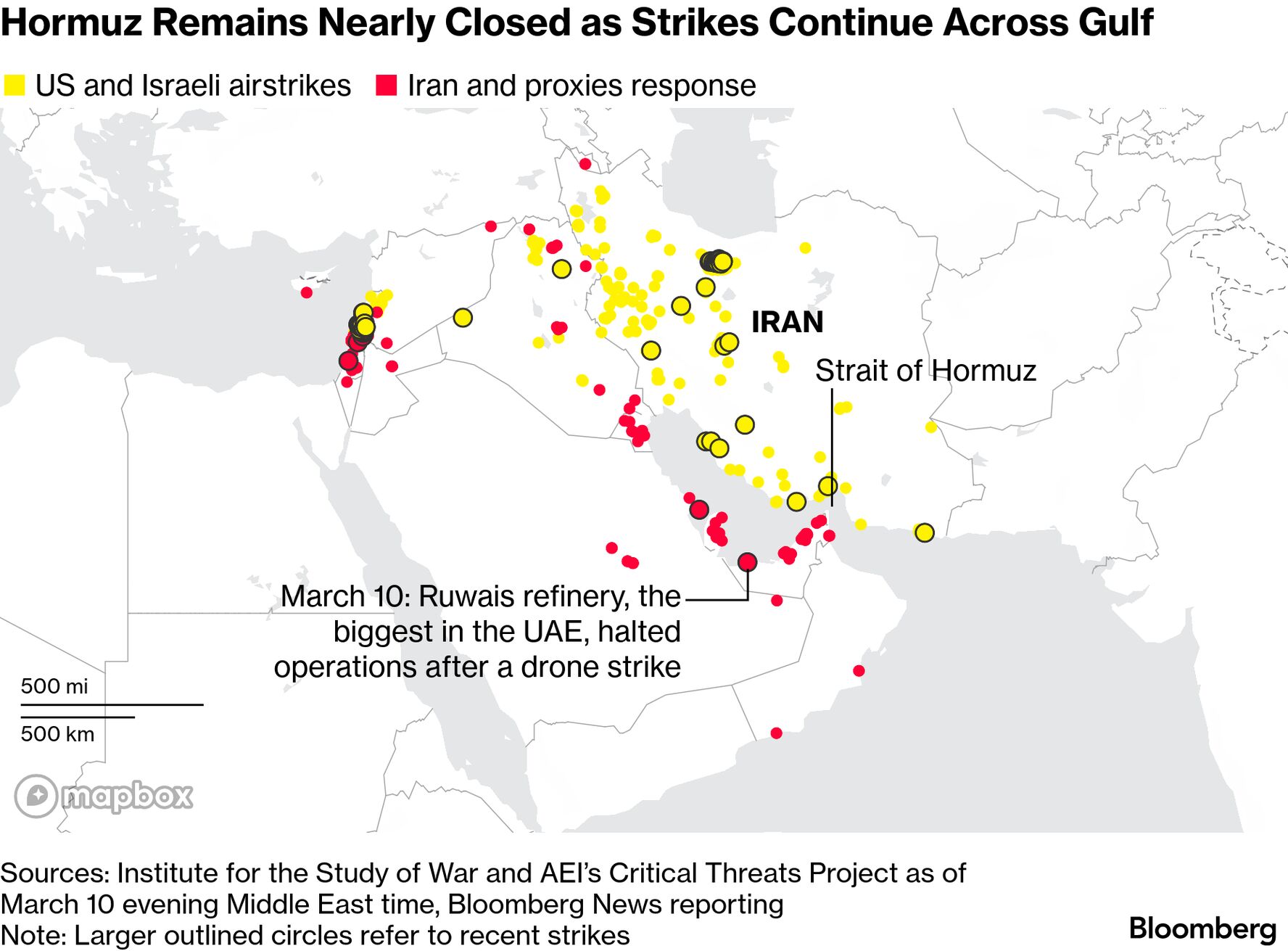 The US war effort is showing unexpected signs of strain against Iran's arsenal of missiles and drones, which has forced the Defense Department to dig deep into inventories of expensive interceptors. The US and Israel have drawn lessons from the 12-day war last year, including the importance of destroying the Islamic Republic's command nodes and launchers, and have been using tactics such as moving personnel and equipment out of range to avoid retaliatory strikes. Israel is quietly planning for a potential base at the mouth of the Red Sea from which to attack one of Tehran's last proxies still operating at full strength: the Houthis of Yemen. Prime Minister Benjamin Netanyahu's government recognized Somaliland in December and will follow up with a strategic security partnership with the breakaway Somali territory. Meanwhile, Israel is set to expand its defense budget by almost 40 billion shekels ($13 billion) to fund the war with Iran. Chinese authorities moved to restrict state-run enterprises and government agencies from running OpenClaw AI apps on office computers, acting swiftly to defuse potential security risks after local companies and consumers began experimenting with the agentic AI phenomenon. The warning underscores Beijing's growing concern about the platform that requires unusually broad access to private data and can communicate externally, potentially exposing computers to hacking. Ukraine's air defenses are being stretched as the US-led war with Iran burns through global stockpiles of Patriot missiles, the most valuable weapon Kyiv has to defend against Russian attacks. North Korea test-fired cruise missiles from its latest warship, the second time in a week it has launched its new sea-to-surface weapons as reports grow that the US is shifting air-defense assets out of South Korea to help it fight Iran. 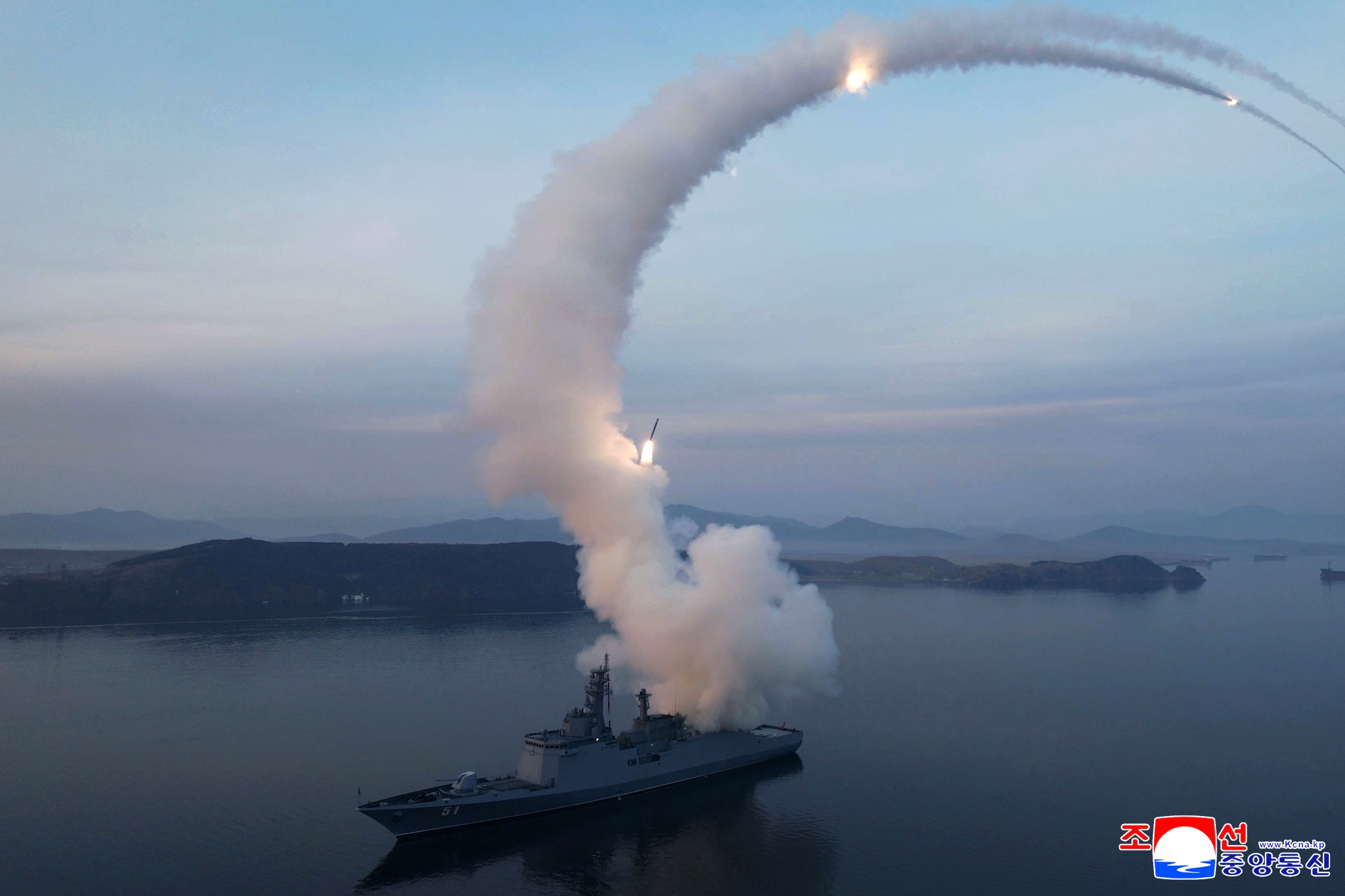 A test-firing yesterday in a photo provided by the North Korean government. Source: Korean Central News Agency/Korea News Service/AP Photo A widening rift between Senegal's top leaders risks splitting the ruling party and stoking renewed uncertainty as the nation contends with ballooning debt and negotiates a new International Monetary Fund program. Hungary's ruling party narrowed the gap slightly to the opposition Tisza party in a new poll less than five weeks before the national election, though Tisza still holds a 14-point advantage over Prime Minister Viktor Orban's Fidesz. Sign up for the Washington Edition newsletter for news from the US capital and watch Balance of Power at 1 and 5 p.m. ET weekdays on Bloomberg Television. Chart of the Day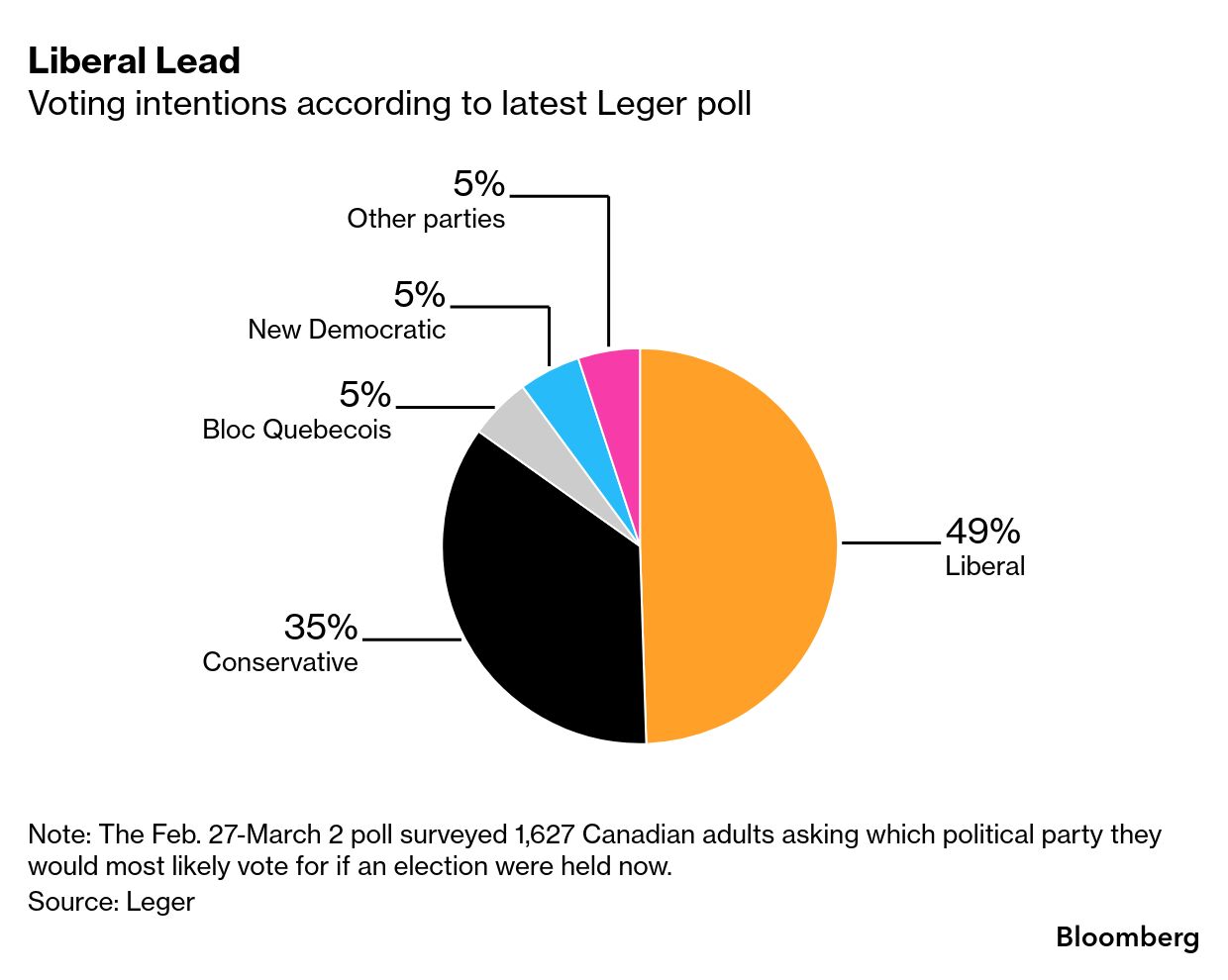 Canadian Prime Minister Mark Carney is closing in on a majority in Parliament after a fourth lawmaker — New Democratic Party representative Lori Idlout — defected to his ruling Liberal Party. The series of so-called floor crossings is helping Carney consolidate power less than a year since Canada held an election that denied the former central banker a majority of seats. And FinallyWhen Bodo Glimt hosts Sporting Lisbon today in the last 16 of Europe's elite football competition, it'll be more than just the latest lucrative chapter in the club's David-against-Goliath tale. The team from the Norwegian Arctic fishing port, which has beaten giants Inter Milan, Atletico Madrid and Manchester City already in the Champions League this season, also has another chance to showcase a transformation underpinned by a fighter pilot turned mental-health coach who says that winning isn't the point.  Bodo Glimt's Jens Petter Hauge celebrates scoring his team's second goal with Kasper Høgh during a Champions League match against Inter Milan at the Aspmyra Stadion last month. Photographer: Martin Ole Wold/Getty Images Europe More from Bloomberg
We're improving your newsletter experience and we'd love your feedback. If something looks off, help us by reporting it here. Follow us
You received this message because you are subscribed to Bloomberg's Balance of Power newsletter. If a friend forwarded you this message, sign up here to get it in your inbox.
|
Wednesday, March 11, 2026
Pakistan’s delicate web





Subscribe to:
Post Comments (Atom)
See how we're approaching the “end” of the Iran War
Tune in with Alex and I now… your link inside. View in browser View in browser TUNE IN WITH ALEX AND I HERE The market...

-
PLUS: Dogecoin scores first official ETP ...
-
Bloomberg Evening Briefing Americas View in browser Who's paying for Donald Trum...


No comments:
Post a Comment