| Read in browser | ||||||||||||||
 Welcome to Balance of Power, bringing you the latest in global politics. If you haven't yet, sign up here. As the Middle East conflict roils the global economy, Yemen's Houthi militants are adding another level of risk. With the US-Israel war against Iran now in its second month, Tehran's leadership is urging the Houthis to prepare for a renewed campaign against Red Sea shipping. That's as its own chokehold on oil and gas deliveries through the Strait of Hormuz has sent global energy prices soaring. All indications are that leader Abdul Malik Al-Houthi is laying the groundwork for more involvement, though there are still some internal divisions about how far to go. Two days before the Houthis fired ballistic missiles at Israel on Saturday and vowed to do more if attacks against Iran and its Lebanese proxy Hezbollah continued, Al-Houthi delivered a televised speech that made the case for joining the battle. 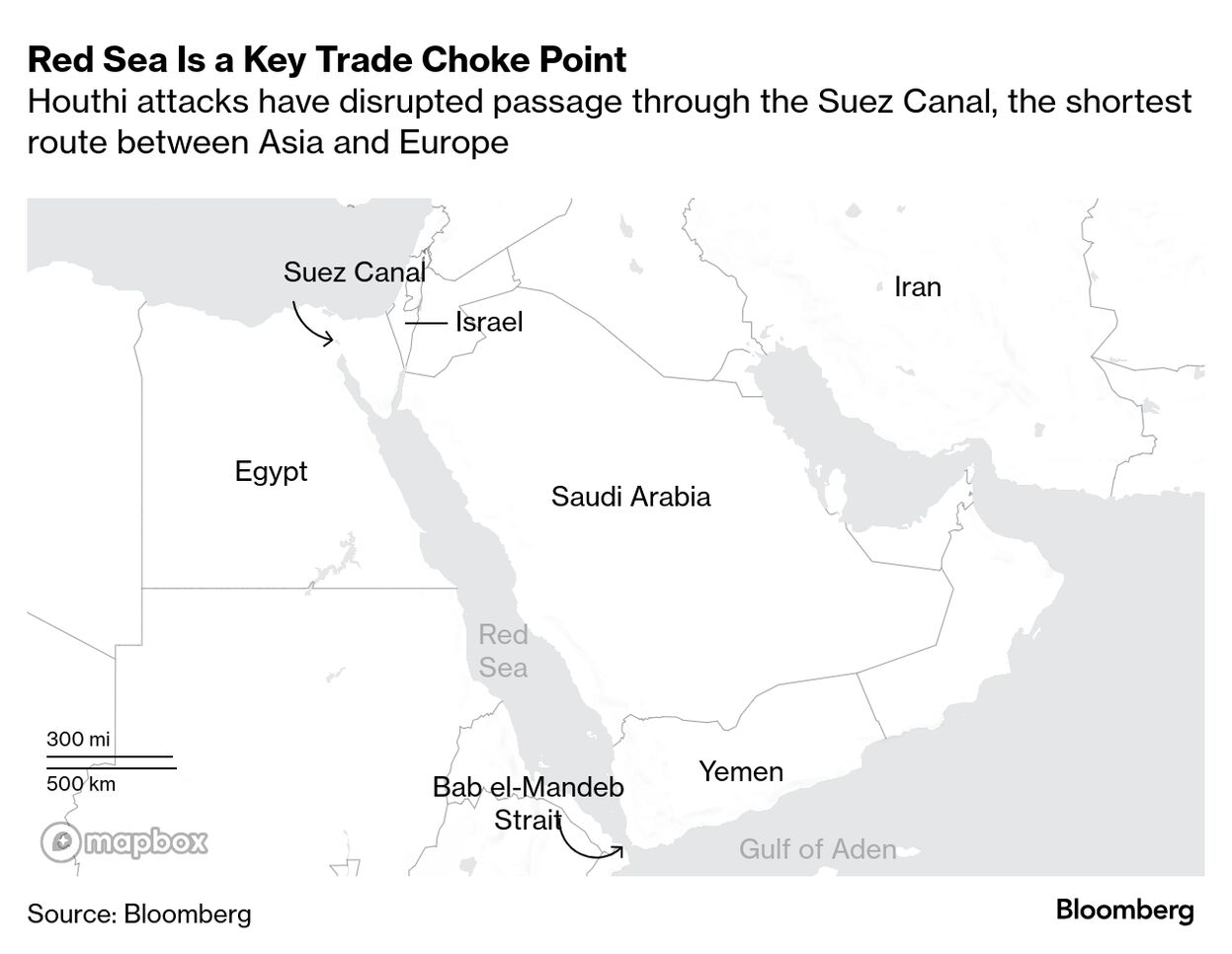 "We exchange loyalty with loyalty," he said, adding that at the peak of the US-backed and Saudi-led military campaign a decade ago to oust the group from the Yemeni capital Sanaa, "the only people that stood by us" were Iran and the so-called axis of resistance, particularly Hezbollah. Yet entering the regional war carries significant risks of US or Israeli retaliation for a group still recovering from the impact of past attacks. Washington and Riyadh officials have told European allies they believe the Houthis want to avoid further escalation for now. Red Sea shipping has yet to recover from the group's campaign during the Gaza war and lingering risk of attacks continues to deter most Western firms from going anywhere near Yemeni waters. Bloomberg Intelligence estimates oil could surge to $140 a barrel, worsening an energy disruption that's already the largest in history, if the Houthis begin targeting crude flows bypassing the Strait of Hormuz. For countries around the world reeling from the economic shock and looming supply shortages, that would be very bad news. — Sam Dagher 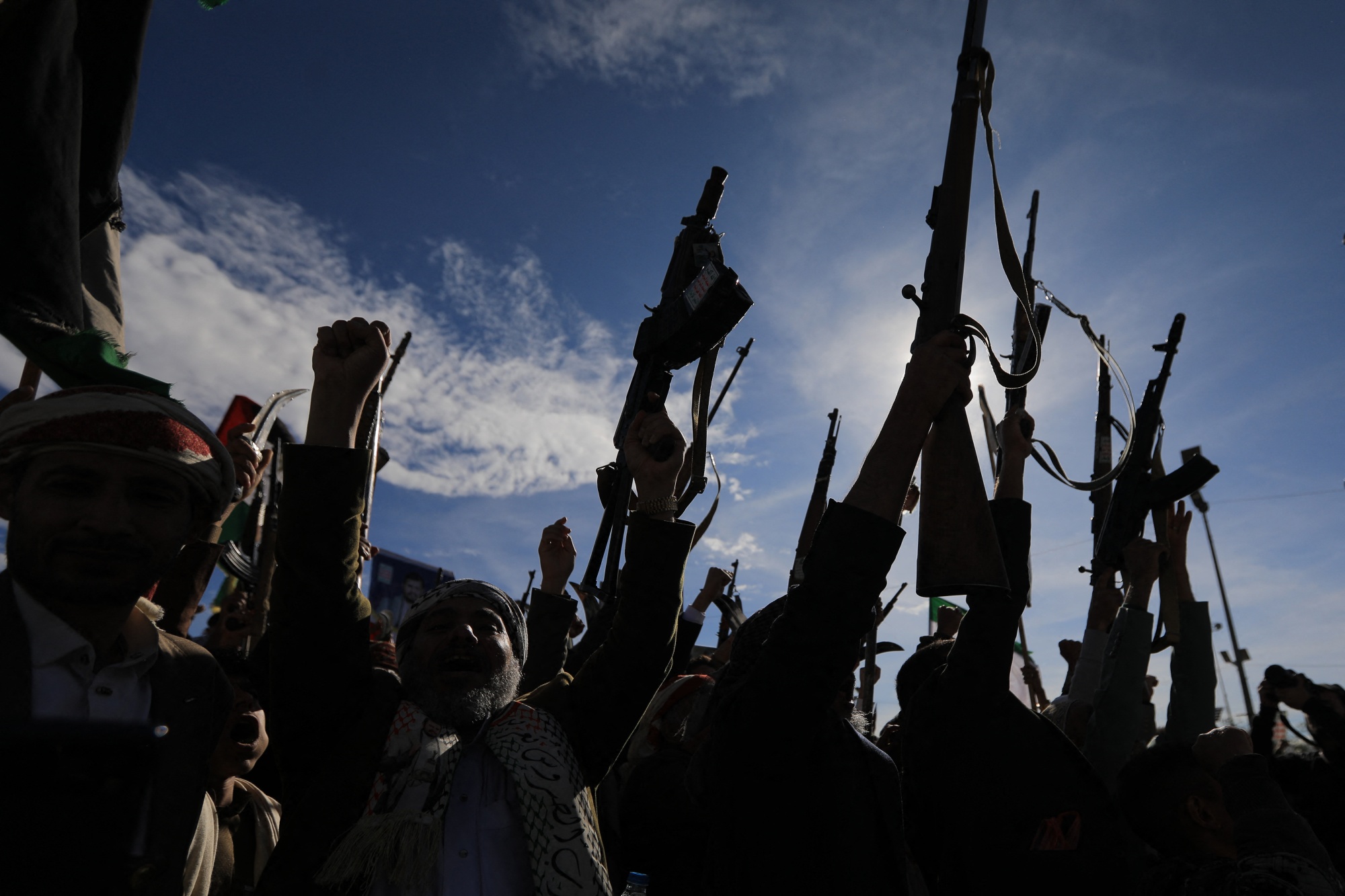 Houthis at a rally in solidarity with Iran and Lebanon in Sanaa, Yemen's capital, on March 27. Photographer: Mohammed Huwais/AFP/Getty Images Global Must ReadsAn Iranian drone hit a fully laden Kuwaiti oil tanker off Dubai today in one of the most significant attacks on a vessel in a month of war, heightening tension around the vital Strait of Hormuz. Oil swung at the end of a volatile month, buffeted by a report that US President Donald Trump is willing to end US military operations in Iran even if the strait remains closed. The US may need to reassess its relationship with NATO after the Iran war is finished, Secretary of State Marco Rubio said, calling the alliance's alleged lack of support during the Middle East conflict "very disappointing." Rubio assailed members for denying access to military bases, following prior criticism from Trump that its partners are "cowards" and that the North Atlantic Treaty Organization is a "paper tiger." 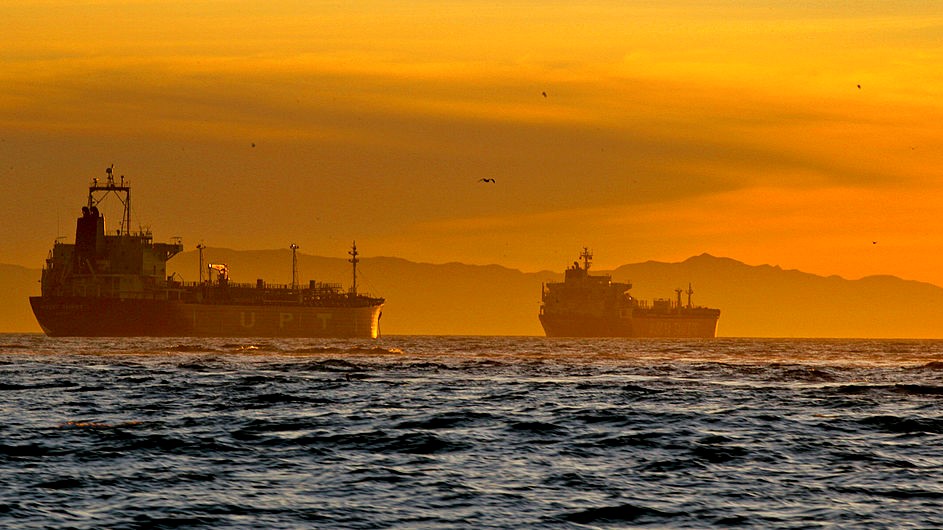  Bloomberg's Stephen Stapczynski reports on the latest on the Strait of Hormuz. Russia's main security agency is expanding its sweeping surveillance powers, deepening the state's reach to suppress the risk of dissent to President Vladimir Putin. The Federal Security Service, or FSB, the main successor to the Soviet-era KGB, is getting wide-ranging access to corporate databases, telecommunications networks, financial communications and even information on international contacts by scientists under a spate of legal changes. Trump's tariffs are reshaping global supply chains, pushing companies to shift production out of China — with Vietnam emerging as a key alternative hub. But the boom comes with risks, as rising trade tensions and reliance on foreign inputs leave the country exposed to the very policies driving its growth. A conservative tycoon and devout Catholic who made his fortune running luxury hotels and trains is among the frontrunners to be Peru's next president, pledging to crack down on abortion, crime and migration. Rafael López Aliaga, a former mayor of Lima and Citibank executive who has embraced the nickname Porky, is leading the field of more than 30 candidates in several polls ahead of elections next month. 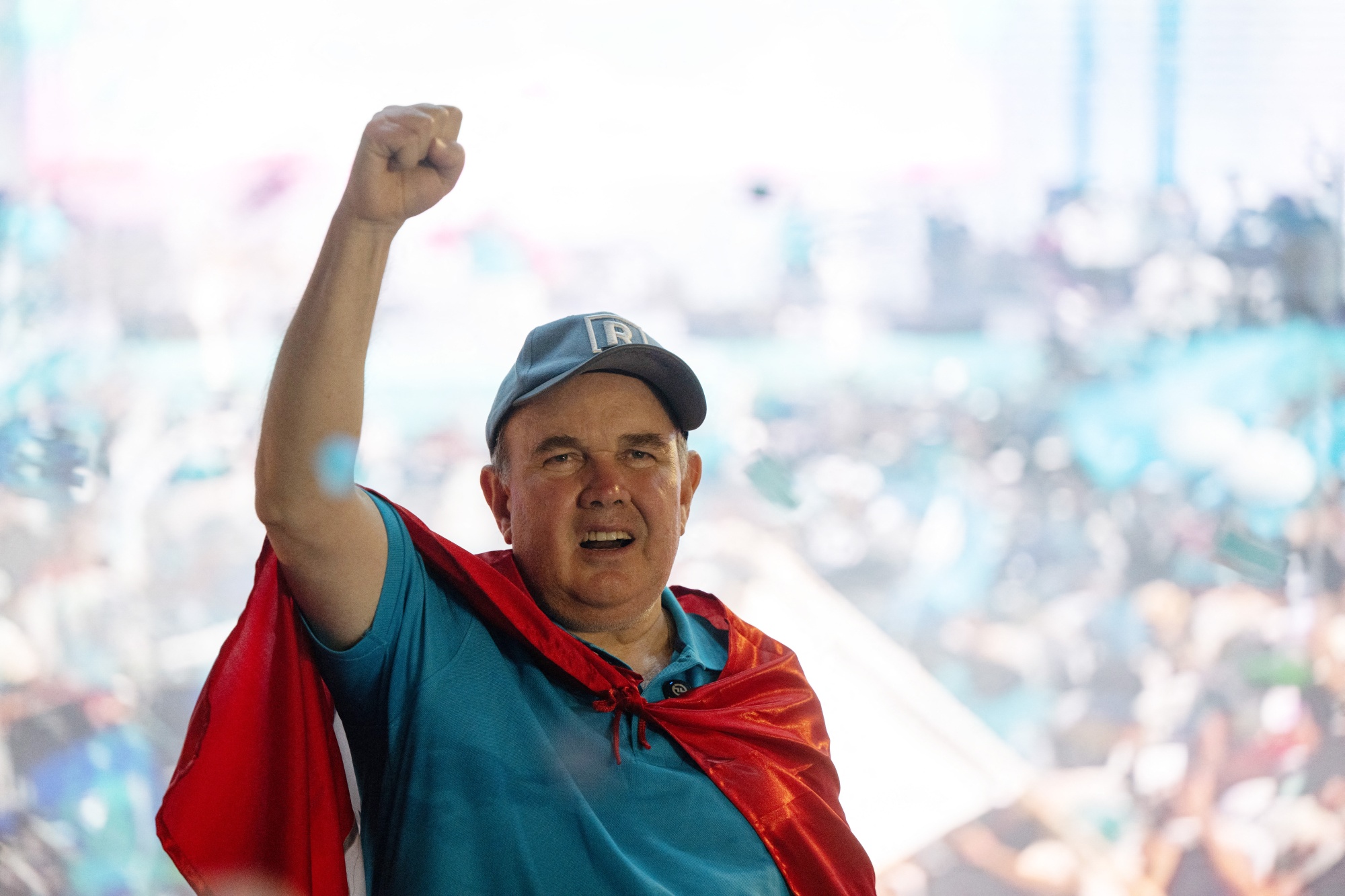 López Aliaga during a rally in Lima on March 15. Photographer: Ernesto Benavides/AFP/Getty Images The fuel-supply shock is starting to hit Africa, with shortages at filling stations from Kenya to Ethiopia and Zambia, while prices in some countries are set to climb as much as 50%. South Korea unveiled a supplementary budget worth billions of dollars to cushion its economy from the fallout of the Iran war, as soaring oil prices and global-supply disruptions intensify pressure on households and businesses. The US Embassy in Venezuela resumed operations, the latest step in the Trump administration's plan to spur the nation's economic recovery and eventual democratic transition. The war against Iran could wipe out nearly $200 billion worth of economic growth across the Middle East, a new United Nations study found. Sign up for the Washington Edition newsletter for news from the US capital and watch Balance of Power at 1 and 5 p.m. ET weekdays on Bloomberg Television. Chart of the Day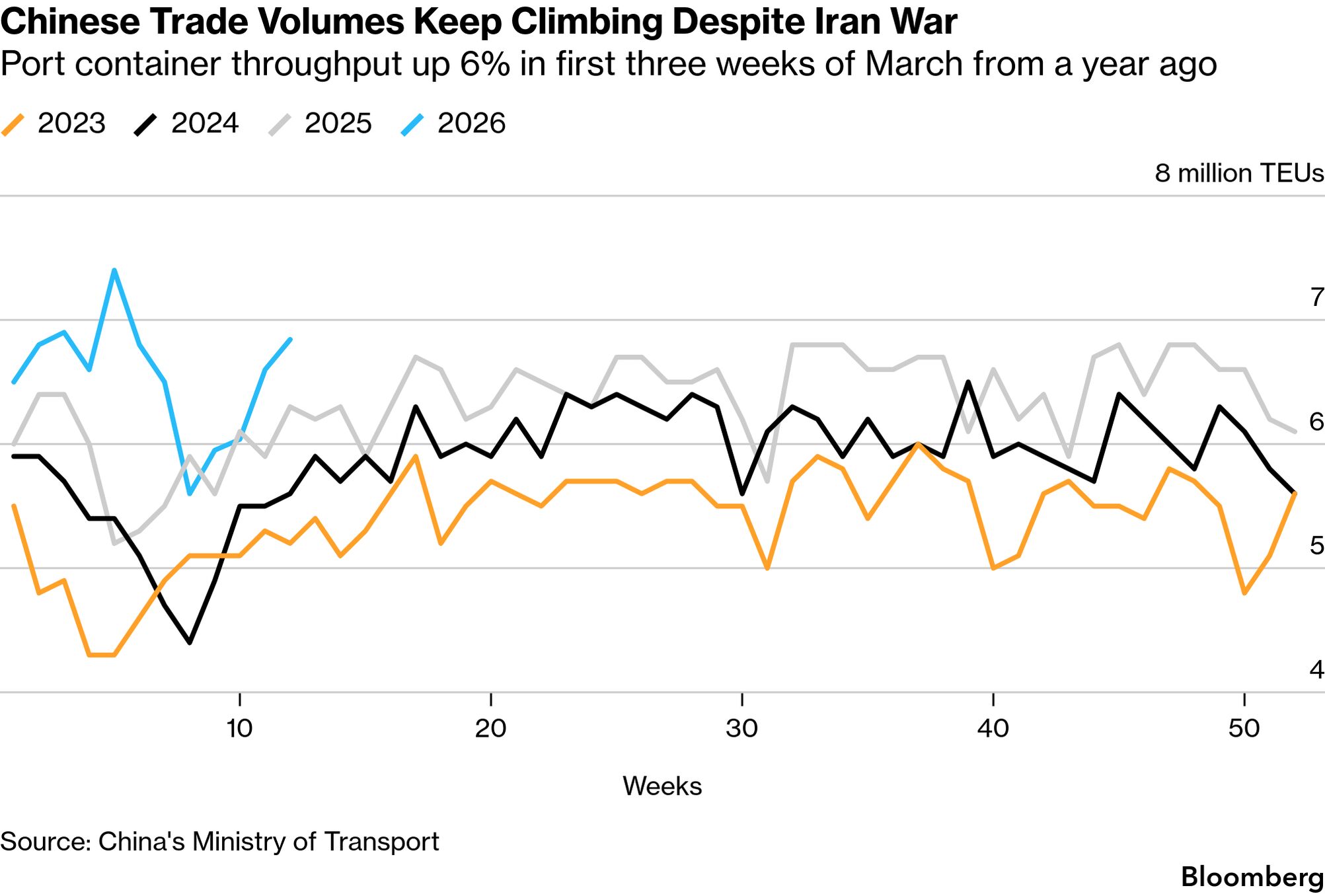 China's factory activity expanded for the first time this year despite higher energy prices and disruptions caused by the escalating Iran war. The turnaround comes after the government ramped up spending and as exports prove immune to pressure from abroad thanks to global demand linked to artificial intelligence, although fallout from the hostilities is now showing signs of spreading across the world economy. And FinallyMore than half a century after American astronauts last set foot on the moon, NASA is preparing to take a big step toward returning. Artemis II will test the Space Launch System rocket and four people will pack into the Orion capsule for a trip around the moon. If successful, the voyage will help clear the way for astronauts, in maybe two years' time, to again walk on its surface. A lot has to go right — and a lot of money will be spent — before that can happen, though. 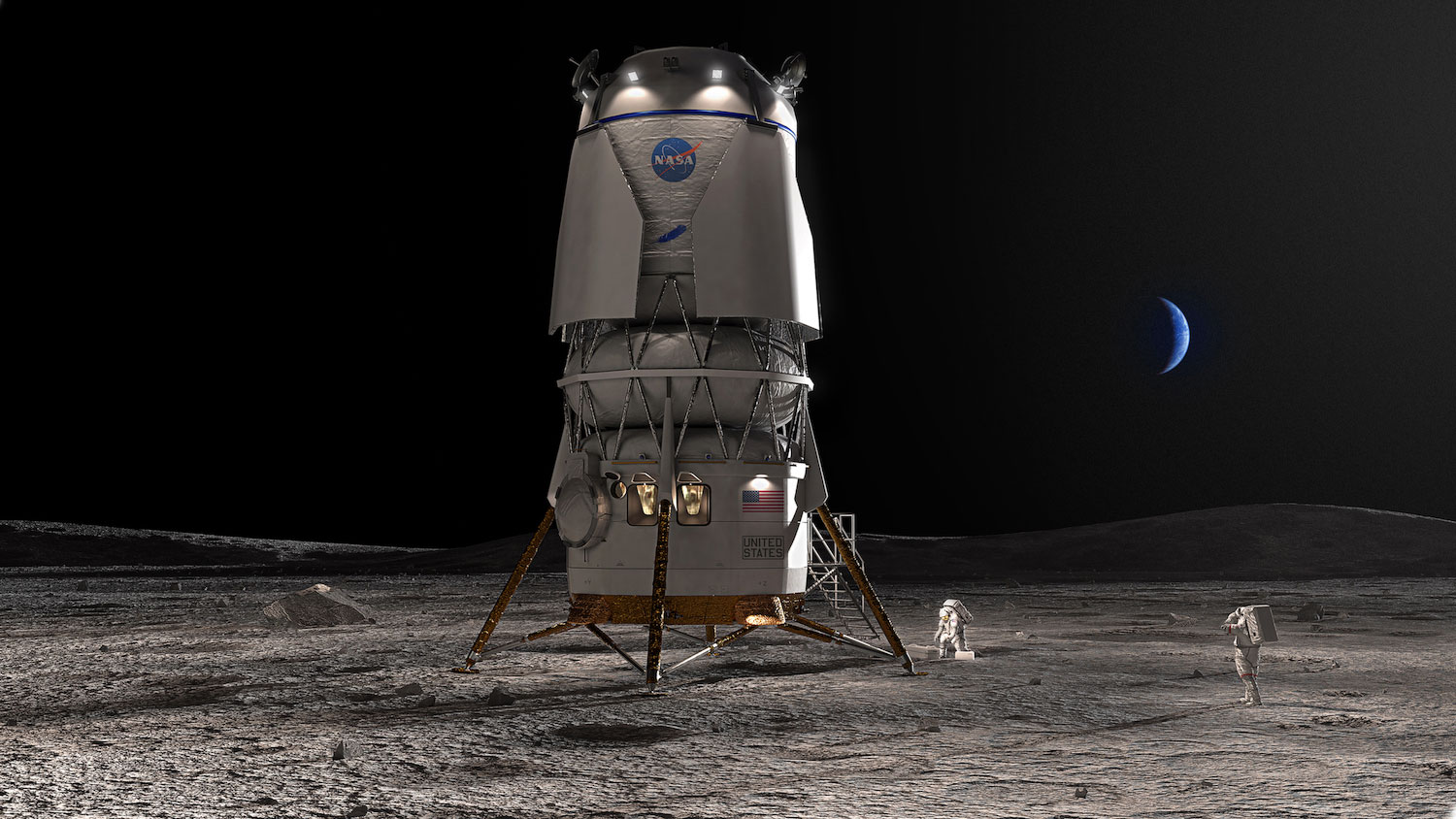 A rendering of the Blue Moon lander that will return astronauts to the moon as part of NASA's Artemis program. Source: Blue Origin More from Bloomberg
We're improving your newsletter experience and we'd love your feedback. If something looks off, help us by reporting it here. Follow us
You received this message because you are subscribed to Bloomberg's Balance of Power newsletter. If a friend forwarded you this message, sign up here to get it in your inbox.
|
Tuesday, March 31, 2026
A new chokepoint





Subscribe to:
Post Comments (Atom)
Next Africa: Emulating India
Cape Town aims to mirror India's success in business-process outsourcing ...
-
PLUS: Dogecoin scores first official ETP ...
-
Bloomberg Evening Briefing Americas View in browser Who's paying for Donald Trum...


No comments:
Post a Comment