| Read in browser | ||||||||||||||
 Welcome to Next Africa, a daily newsletter on where the continent stands now — and where it's headed. Sign up here to have it delivered to your email. In today's edition, we look at Cape Town's push to become a business-processing hub. Also:
Cape Town's Latest BidFor the past two decades, Cape Town has partly relied on a rapidly expanding call-center industry to cut its unemployment rate to the lowest of South Africa's eight biggest cities. Now, in addition to the plentiful but low-paying jobs that the centers provide, it wants to tap into the growing trend for international companies to build business-process hubs in cheaper locations. Those conduct sophisticated functions — such as managing risk — at scale. The drive to create a so-called global capability center sector — which will be valued at $413 billion by 2030, according to EY research — is a commendable effort to create higher-paying positions in a deeply unequal society. But South Africa's second-largest city has a mountain to climb if it's to compete with the scale and low costs of locations such as India, which has 1,700 of the operations conducting complex business tasks for corporate giants such as Goldman Sachs and Rolls Royce. But the tourism hub does have its advantages. Its business-process outsourcing sector, which runs call and contact centers for US healthcare companies and European retailers, has attracted some of the top names in that industry. They've been drawn by a location with a similar time zone to Europe and a population where many people are proficient in English. If it is successful in entering the global capability center industry, it can also tap into the skills available in the country's well-developed financial, accounting and legal fields. Only time will tell whether that's enough for the city on the southern tip of Africa to go head-to-head with the industry giants. — Antony Sguazzin and Prinesha Naidoo 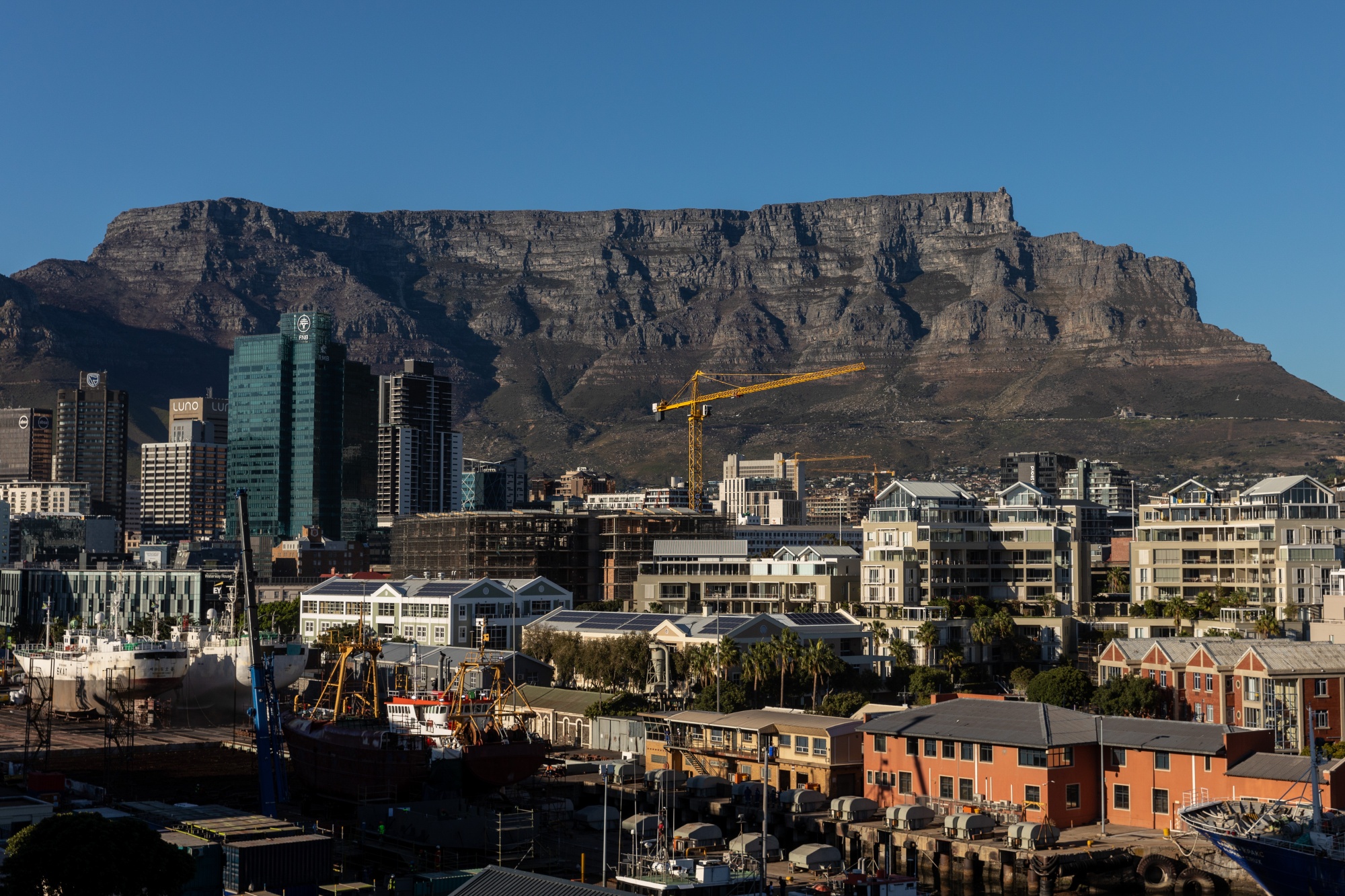 Cape Town in April 2025. Photographer: Dwayne Senior/Bloomberg What Everyone's ReadingIran hit a fully laden Kuwaiti oil tanker off Dubai in a drone attack earlier today, a sign it's willing to escalate strikes on energy sites and infrastructure as the war drags on. Despite the attack, crude prices were steady, partly due to the Wall Street Journal saying US President Donald Trump is willing to wind down hostilities and pressure Tehran diplomatically to reopen the Strait of Hormuz. South African fuel prices will rise the most in two decades despite the government cutting an energy tax to offset the impact of surging oil prices on domestic gasoline and diesel. President Cyril Ramaphosa meanwhile pitched the nation as a reform-driven investment as he set a target of attracting more than $110 billion of capital over the next five years.   South African Deputy Minister of Trade, Industry and Competition Alexandra Abrahams tells Bloomberg's Jennifer Zabasajja her country is strategically positioned to accommodate trade routes disturbed by the conflict. Ghana's search for a new owner of a Gold Fields mine that the government is about to take control of will be limited to locally owned companies. The firm previously considered whether to sell the Damang operation, but the nation that's Africa's biggest bullion producer refused to renew the mine's lease last year. Global data-center provider Equinix plans to build more facilities in South Africa as part of a 7.5 billion-rand plan to capitalize on the continent's artificial-intelligence boom. The region currently hosts about 409 megawatts of operational data-center capacity, or less than 1% of the global total, according to BloombergNEF. 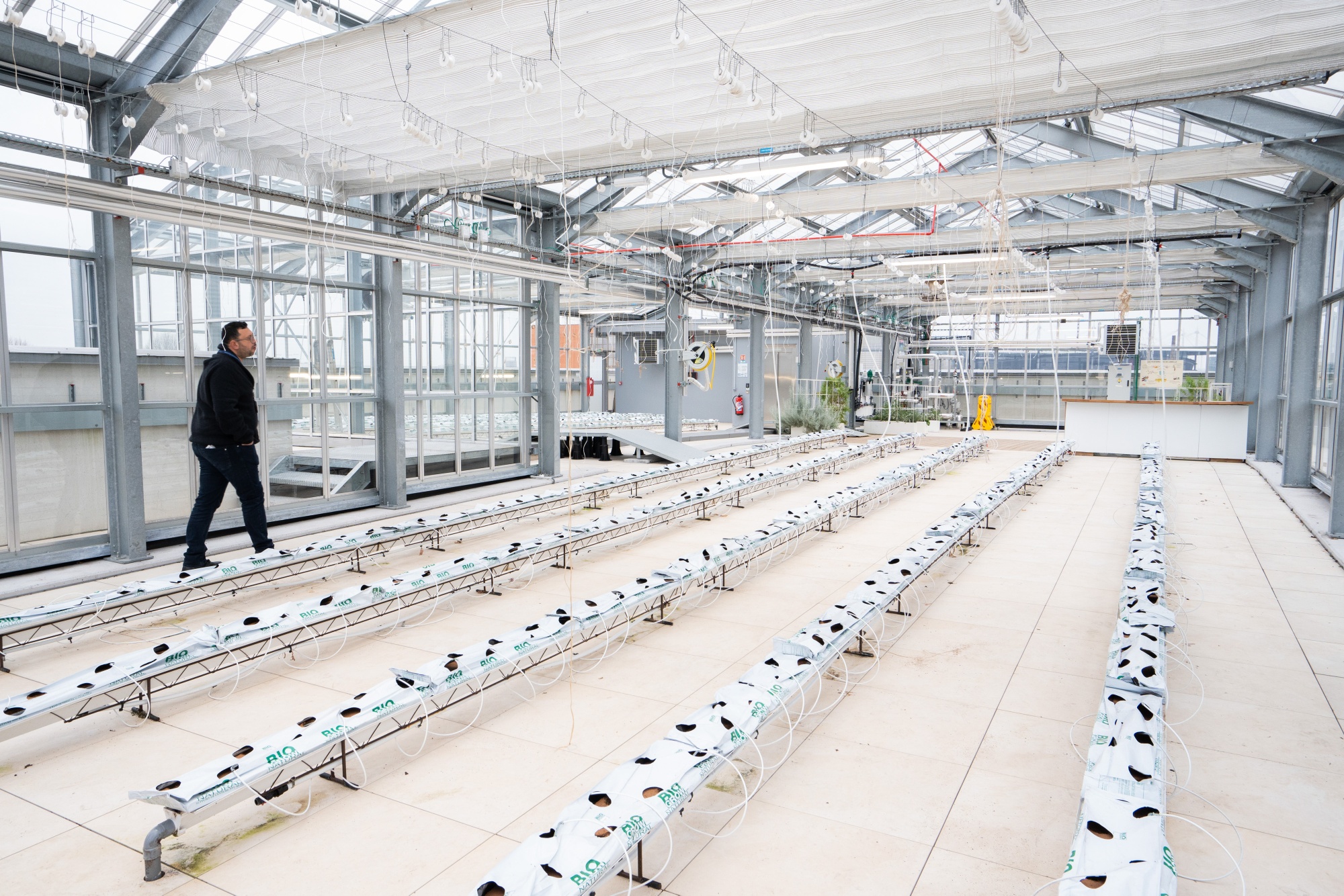 Vegetables grown with the heat generated by the cooling systems of an Equinix data center in Paris in February 2025. Photographer: Nathan Laine/Bloomberg Last WordNathan "Natie" Kirsh, the South Africa-born billionaire owner of a closely held company crucial to US restaurants, is selling his business that began with a single warehouse in New York in a deal that will create one of the largest food-service groups in the country. Sysco is acquiring Kirsh's Jetro Restaurant Depot — which supplies 725,000 smaller restaurant owners and food-service operators — for $29.1 billion. 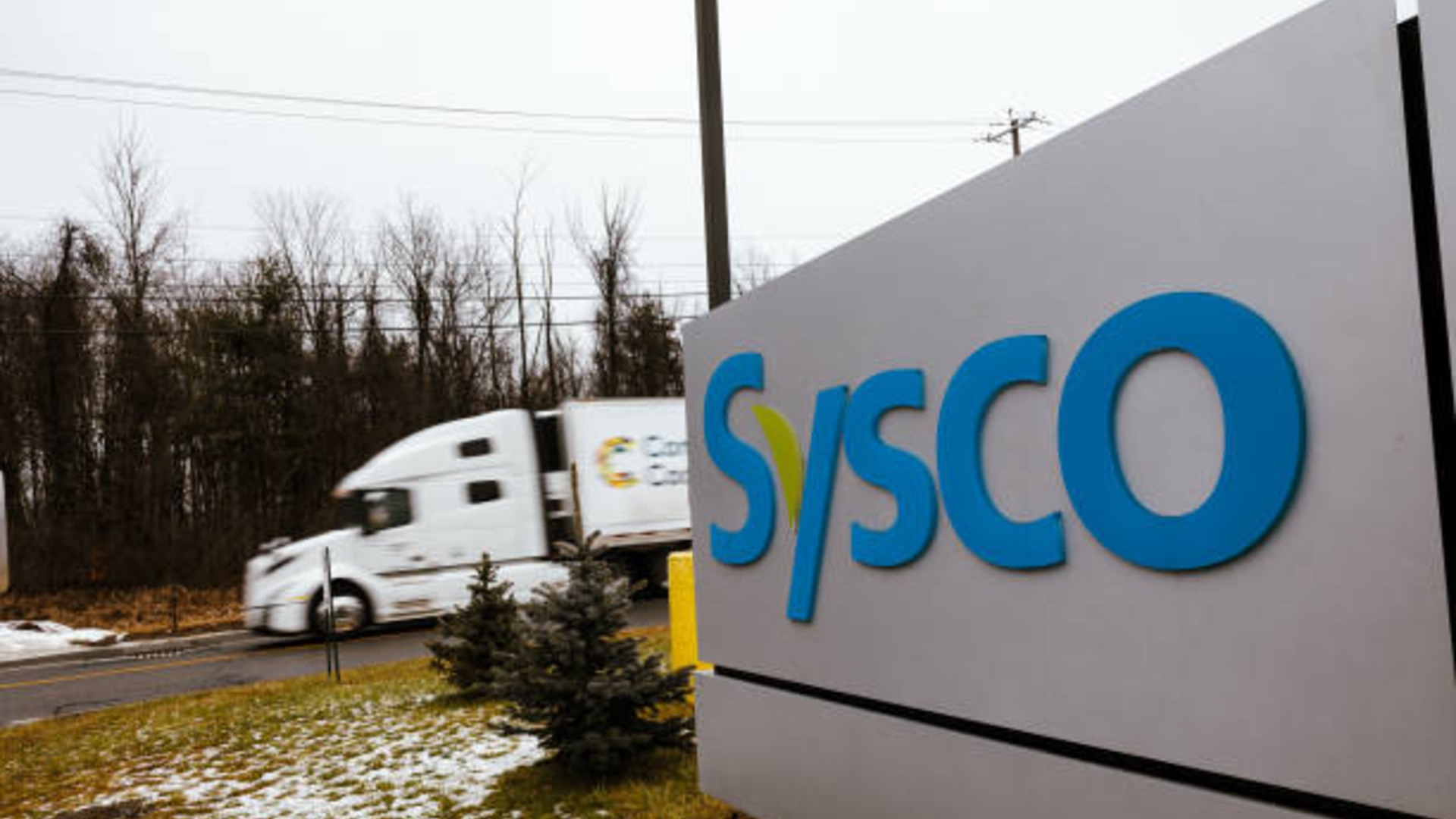 Sysco's purchase of Jetro Restaurant Depot will create one of the largest food-service groups in the US. Bloomberg's Liana Baker reports. More From BloombergEnjoying Next Africa? You might also like:
We're improving your newsletter experience and we'd love your feedback. If something looks off, help us fine-tune your experience by reporting it here. Follow us
You received this message because you are subscribed to Bloomberg's Next Africa newsletter. If a friend forwarded you this message, sign up here to get it in your inbox.
|
Tuesday, March 31, 2026
Next Africa: Emulating India






Subscribe to:
Post Comments (Atom)

-
PLUS: Dogecoin scores first official ETP ...
-
Bloomberg Evening Briefing Americas View in browser Who's paying for Donald Trum...


No comments:
Post a Comment