| Read in browser | |||||||||||||||
 As a subscriber to Balance of Power, Economics Daily, Brussels Edition or Supply Lines, you're getting this special edition of the Balance of Power newsletter. To continue receiving Balance of Power, sign up here. Ordering strikes on Iran on Saturday morning, US President Donald Trump completed an about-face from the populist America-first candidate who rose to prominence a decade ago, propelled by Americans' distaste for foreign military campaigns. Trump's second term has been marked, instead, by a fresh imperialist streak. He's strained ties with longtime US allies with threats to takeover Greenland from Denmark and a swathe of military actions. Those have included last month's ousting of Venezuelan President Nicolas Maduro, the June attacks on Iran's nuclear facilities and Christmas day strikes on Nigeria. Saturday's joint strikes with Israel against Iran cement the 180-degree turn from the 'Make America Great Again' orthodoxy to a more interventionist bent. The also pose a huge risk for Trump ahead of mid-term elections in November. Iran could withstand the strikes for weeks, leading to potential US casualties — which Trump himself acknowledged — and a spike in energy prices. 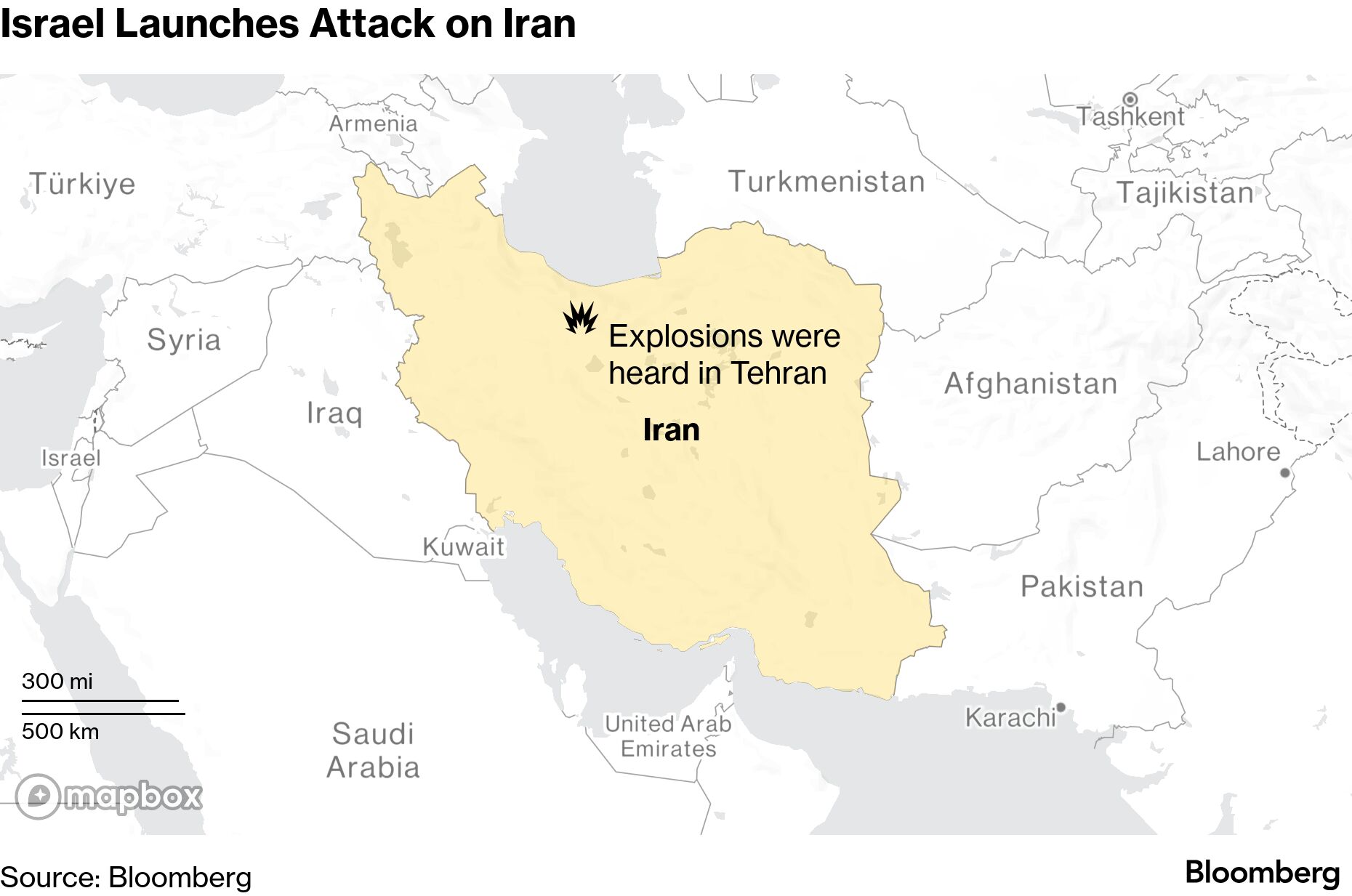 "The Iranian regime seeks to kill," a tieless Trump, wearing a white 'USA' baseball cap, said in a video released in the dead of night on Saturday morning. "The lives of courageous American heroes may be lost and we may have casualties. That often happens in war, but we're doing this not for now, we're doing this for the future and it is a noble mission." Even before now, Trump's focus on foreign matters had shown signs of fraying parts of his base, especially with many Americans feeling squeezed financially. Polls predict the US president faces a daunting challenge in the November elections, which could see his Republican party lose control of at least one chamber of Congress. Iran reacted almost immediately by launching missiles at US bases in the oil-rich Persian Gulf, including in Qatar, Bahrain and the United Arab Emirates. There was no immediate word on whether anyone was hurt. Oil's already up almost 20% this year, mostly because of the US-Iran tensions. Any further jump will probably raise US gasoline pump prices, further squeezing Americans. For now, Trump's relying on air strikes to carry out what looks like a regime-change campaign, with him urging Iranians to take over the government. There's no indication that he will deploy ground troops. 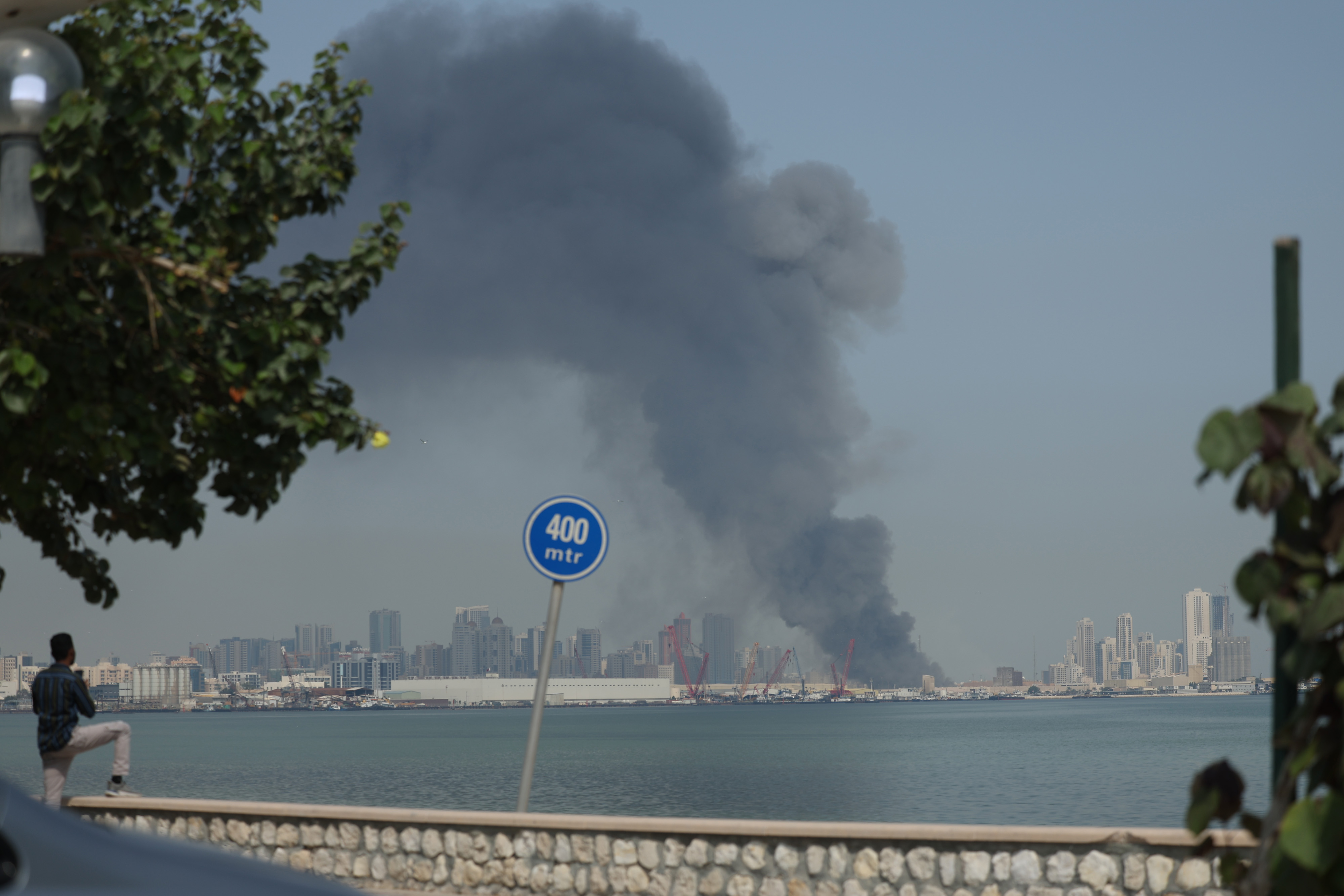 Smoke following a missile strike, where the headquarters of the U.S. Navy's 5th Fleet is based, in Manama, Bahrain, on Feb. 28. Photographer: Anadolu/Anadolu Last May, Trump delivered a speech in Riyadh, Saudi Arabia, lamenting past US actions in the region. "The so-called nation builders wrecked far more nations than they built and the interventionists were intervening in complex societies that they did not even understand themselves," Trump said. "In recent years, far too many American presidents have been afflicted with the notion that it's our job to look into the souls of foreign leaders and use US policy to dispense justice for their sins." In Saturday's video, Trump struck a completely different tone. "When we are finished, take over your government," he said to Iranians. "It will be yours to take. This will be probably your only chance for generations." Global Must ReadsThe unprecedented US and Israeli attack against Iran has already surpassed previous strike-and-retaliation cycles as Tehran treats the conflict as an existential threat. Israel and Gulf states closed their airspace on Saturday after the start of strikes on Iran. The Iranian government also shut down its airspace. Emirates, the biggest carrier in the Middle East, said all flight operations in Dubai were suspended. OPEC+ will consider the option of a larger oil-supply increase when key members meet on Sunday, according to a delegate. The group, led by Saudi Arabia and Russia, was expected to resume modest production increases from April after a three month supply freeze, several delegates said earlier this week. In the fourth quarter, they had added monthly increments of 137,000 barrels a day. 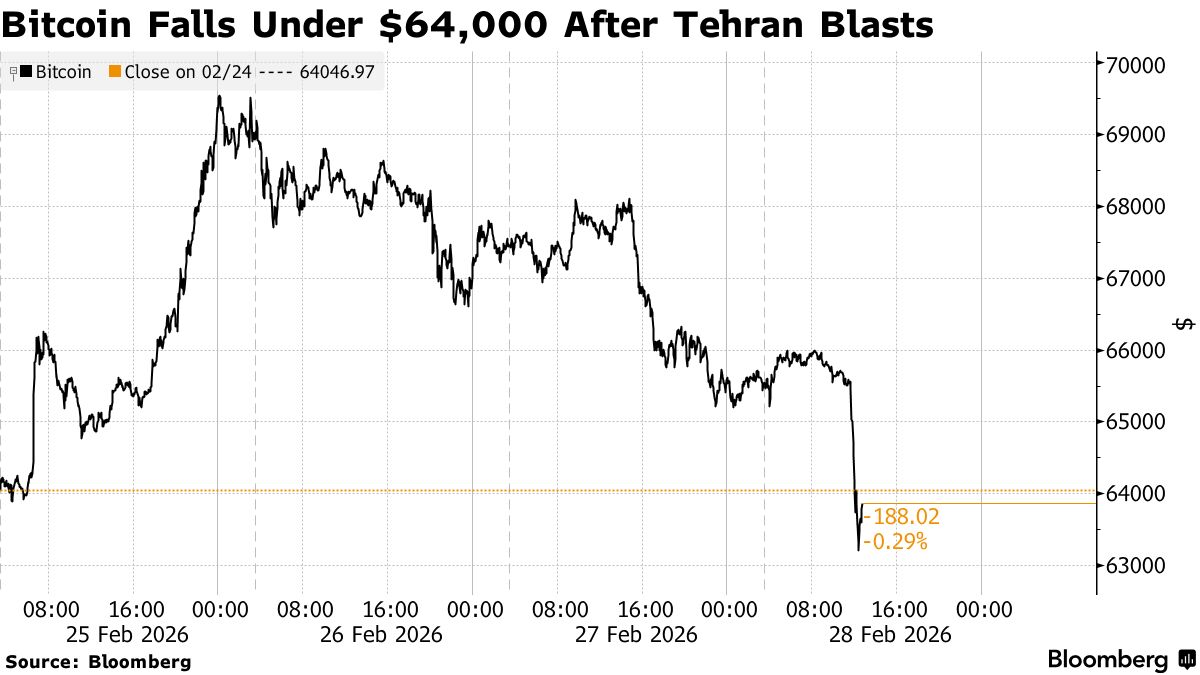 Bitcoin and other digital assets fell sharply after the strikes. Bitcoin dropped as much as 3.8% to $63,038, while Ether, the second-largest token, slid 4.5% to $1,835. Roughly $128 billion in market value was erased across digital assets in the immediate aftermath of the news, according to data from CoinGecko. Iran has faced suspicion for decades over its nuclear ambitions and whether it's developing the capability to fire an atomic weapon. Here's what we know about about Tehran's atomic capabilities. Sign up for the Washington Edition newsletter for news from the US capital and watch Balance of Power at 1 and 5 p.m. ET weekdays on Bloomberg Television. Chart of the Day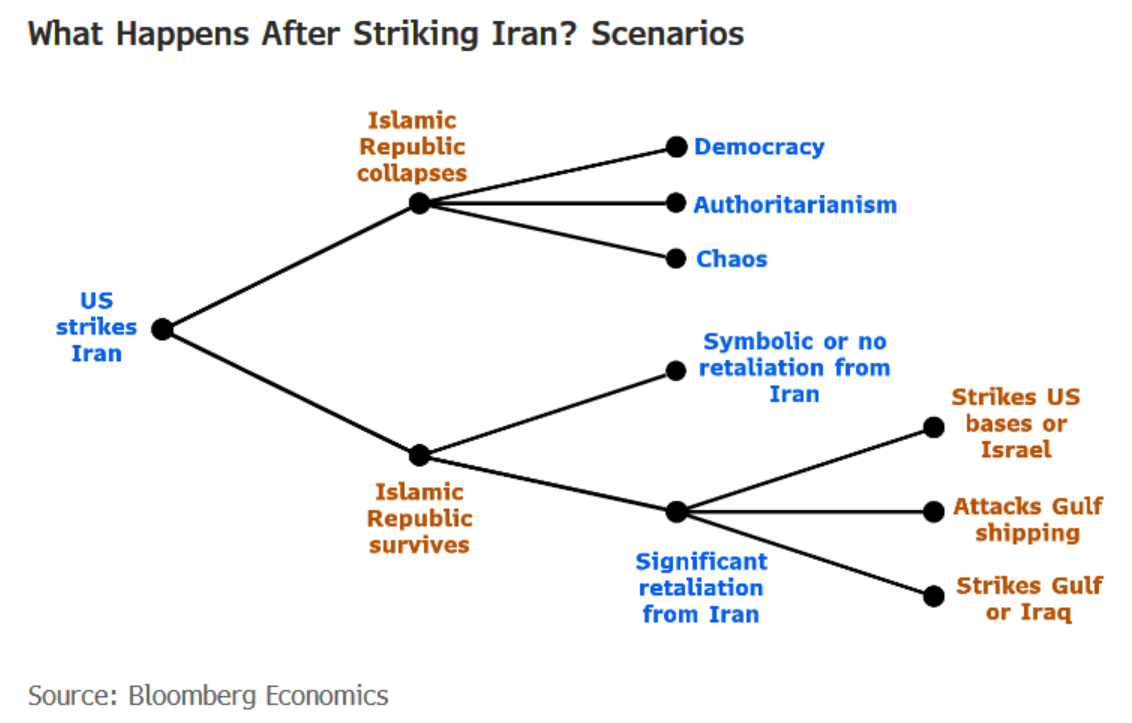 The central risk for the global economy is oil, say Dina Esfandiary and Ziad Daoud of Bloomberg Economics. Iran produces about 5% of global oil supplies. More importantly, about one fifth of global oil flows go through the Strait of Hormuz, which Iran has threatened to close. If it carries through its threats, oil could climb as high as $108 per barrel. Read the full research on the Bloomberg Terminal. And FinallyUS involvement in, and conflict with, Iran is complicated and can be traced back decades — here's our visual timeline. 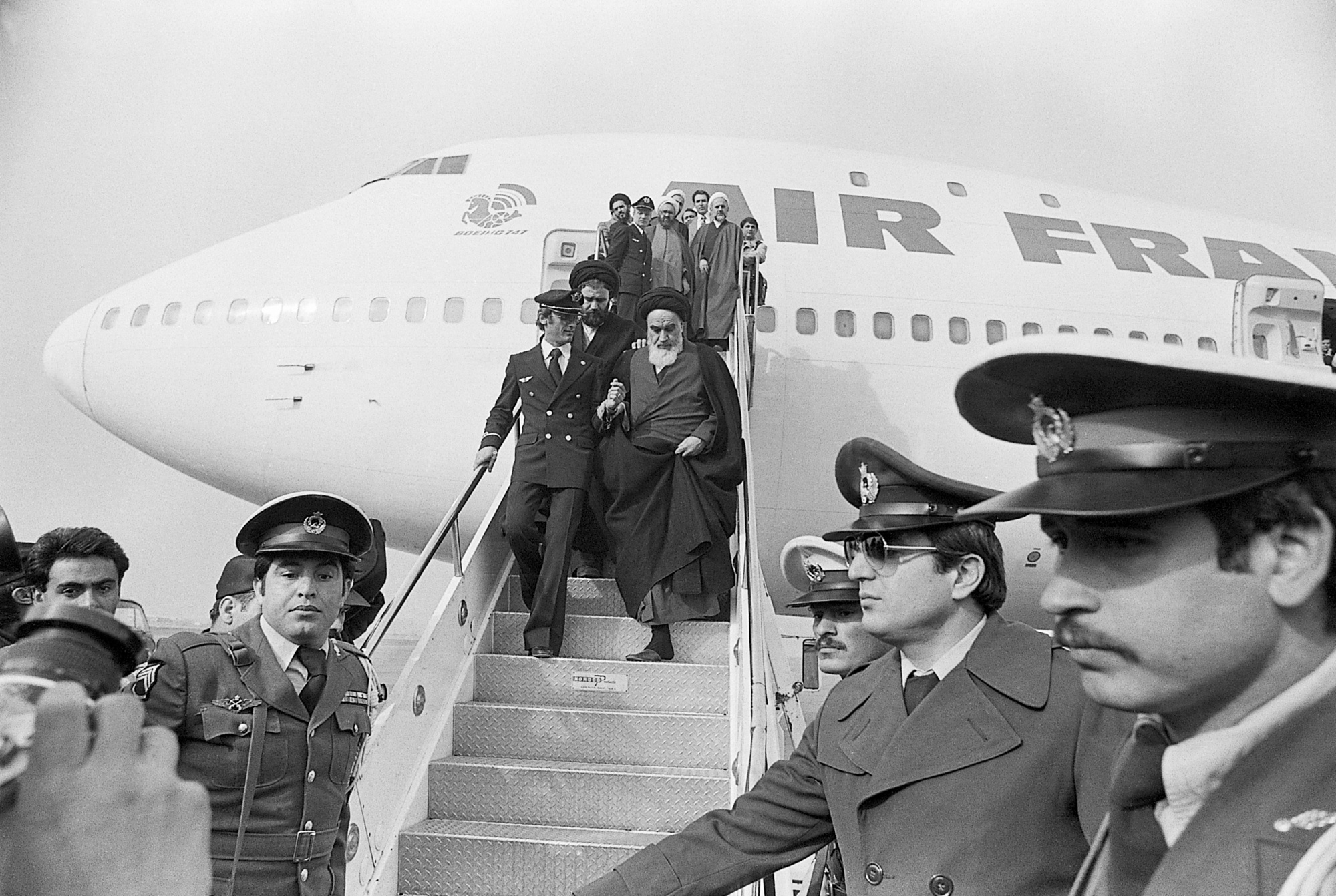 Ayatollah Ruhollah Khomeini returns to Iran in 1979. Source: Bettmann/Bettmann More from Bloomberg
Explore more newsletters at Bloomberg.com We're improving your newsletter experience and we'd love your feedback. If something looks off, help us by reporting it here. Follow us
You received this message because you are subscribed to Bloomberg's Balance of Power newsletter. If a friend forwarded you this message, sign up here to get it in your inbox.
|
Saturday, February 28, 2026
US, Israel launch attacks on Iran





Subscribe to:
Post Comments (Atom)
-
PLUS: Dogecoin scores first official ETP ...
-
Swaps, memes, homes, tokens. View in browser Unicorn bucket We have talked a fe...


No comments:
Post a Comment