| Read in browser | ||||||||||||||
 The Trump administration is set to announce today that it's rescinding the justification for a swath of climate regulations. In stark contrast, new data shows that China, the world's largest polluter, has started to rein in carbon dioxide emissions. Subscribe to Bloomberg for unlimited access to all our stories. Long tailBy Zahra Hirji and Eric Roston US President Donald Trump is shrinking the Environmental Protection Agency more quickly and aggressively than ever before, culminating in this week's move to rescind the crucial "endangerment finding" underpinning key regulations of planet-warming pollution. And unlike Trump's first term, the latest changes may be harder to reverse and result in long-lasting impacts on public health and the economy. Over the past year, the EPA has surpassed the staff and program cuts made during a similar period last time. It has also launched more pollution control rollbacks, with EPA Administrator Lee Zeldin proudly boasting about "the greatest day of deregulation our nation has seen." The EPA has been able to make such quick work this time around because it's breaking historical precedent and testing the legal boundaries of administrative and environmental laws, according to interviews with more than a dozen current and former EPA staffers, advocates, historians, scientists and legal experts. 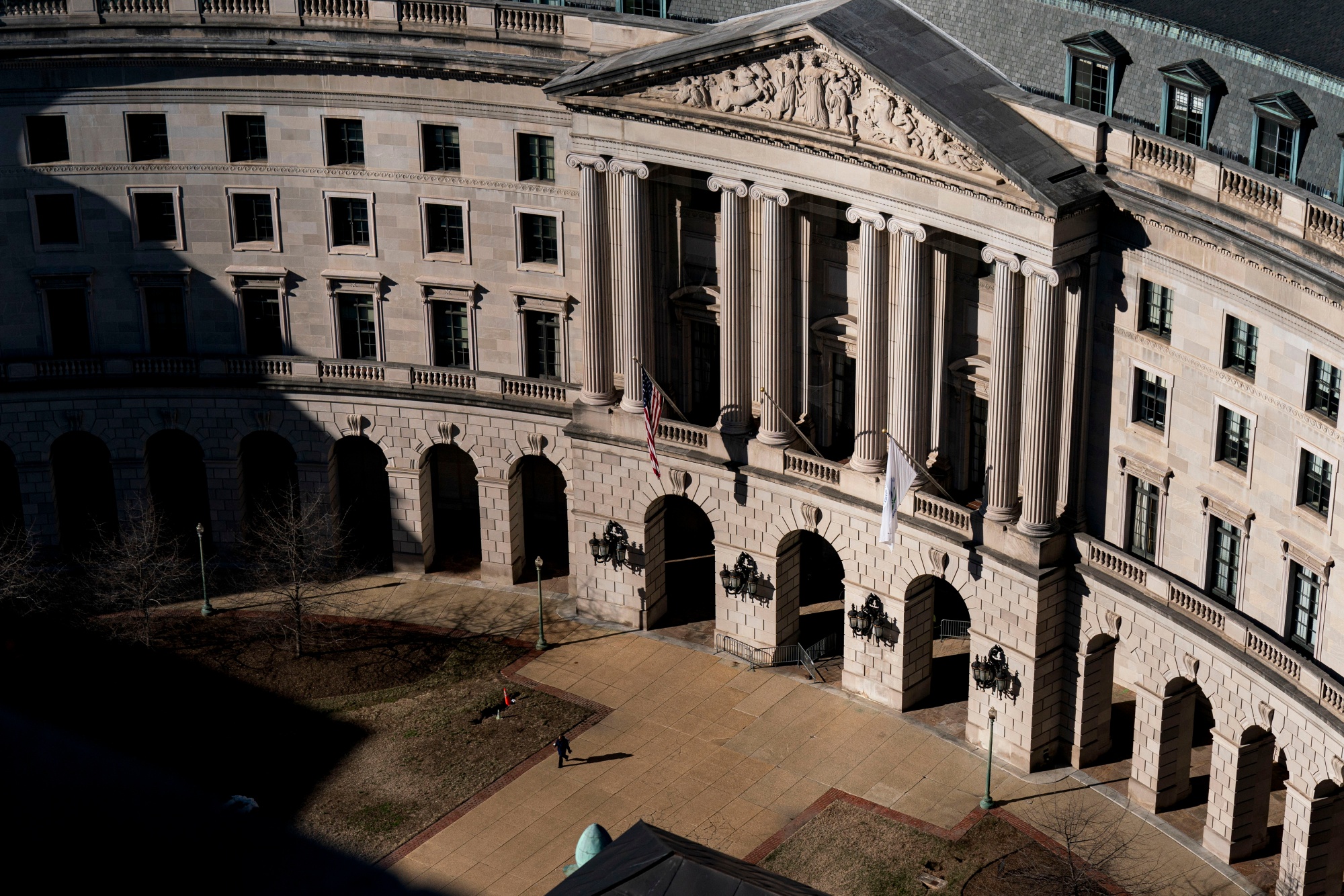 The Environmental Protection Agency (EPA) headquarters in Washington. Photographer: Al Drago/Bloomberg Rescinding the endangerment finding is the most consequential change for an EPA that's been reoriented around sweeping deregulation. It marks the reversal of a key scientific determination — that greenhouse gases are harmful — supporting a swath of federal climate policy to curb emissions from vehicles and industrial sources. The previous Trump administration had planned a public debate of climate science, at the time considered the first step in challenging the finding, but abandoned the effort before it officially began. The move is expected to immediately face legal challenges. That's the point, said Joseph Goffman, assistant administrator of the EPA's Office of Air and Radiation under President Joe Biden. The administration wants to get the issue before the Supreme Court, hoping its conservative majority bucks precedent in upholding the repeal, he said. If that happens, the agency would be severely restricted from enacting climate rules long after Trump leaves office, placing the onus on Congress if the US is to pursue pollution reductions. So far, the EPA's legal track record is mixed. While a court order forced it to reverse course on firing some employees early last year, it has also had some legal wins, including an appeals court recently upholding the agency's cancellation of billions in climate grants. As the agency races to finalize more regulations and policy changes, more lawsuits are expected. The EPA argues that these changes are necessary for right-sizing the government, which it says overstepped its authority under previous administrations, hurting the economy. "Under President Trump, the EPA is proving what previous administrations refused to accept, that we can protect the environment" and grow the economy, said EPA Press Secretary Brigit Hirsch. "We are delivering cleaner air, land, and water while driving economic expansion." Read the full story here and subscribe to Bloomberg News for the latest on US climate policy. China's ReversalBy Lili Pike China's carbon dioxide emissions fell 0.3% last year, the first annual decline since Covid-era restrictions in 2022 — and more importantly, a reduction that's happened even as energy demand growth remains strong. The drop, outlined in an analysis by the Centre for Research on Energy and Clean Air for Carbon Brief, was driven by a fall in emissions across nearly all major sectors including power, where a banner year for renewables drove down coal consumption despite the continued build-out of thermal power stations. 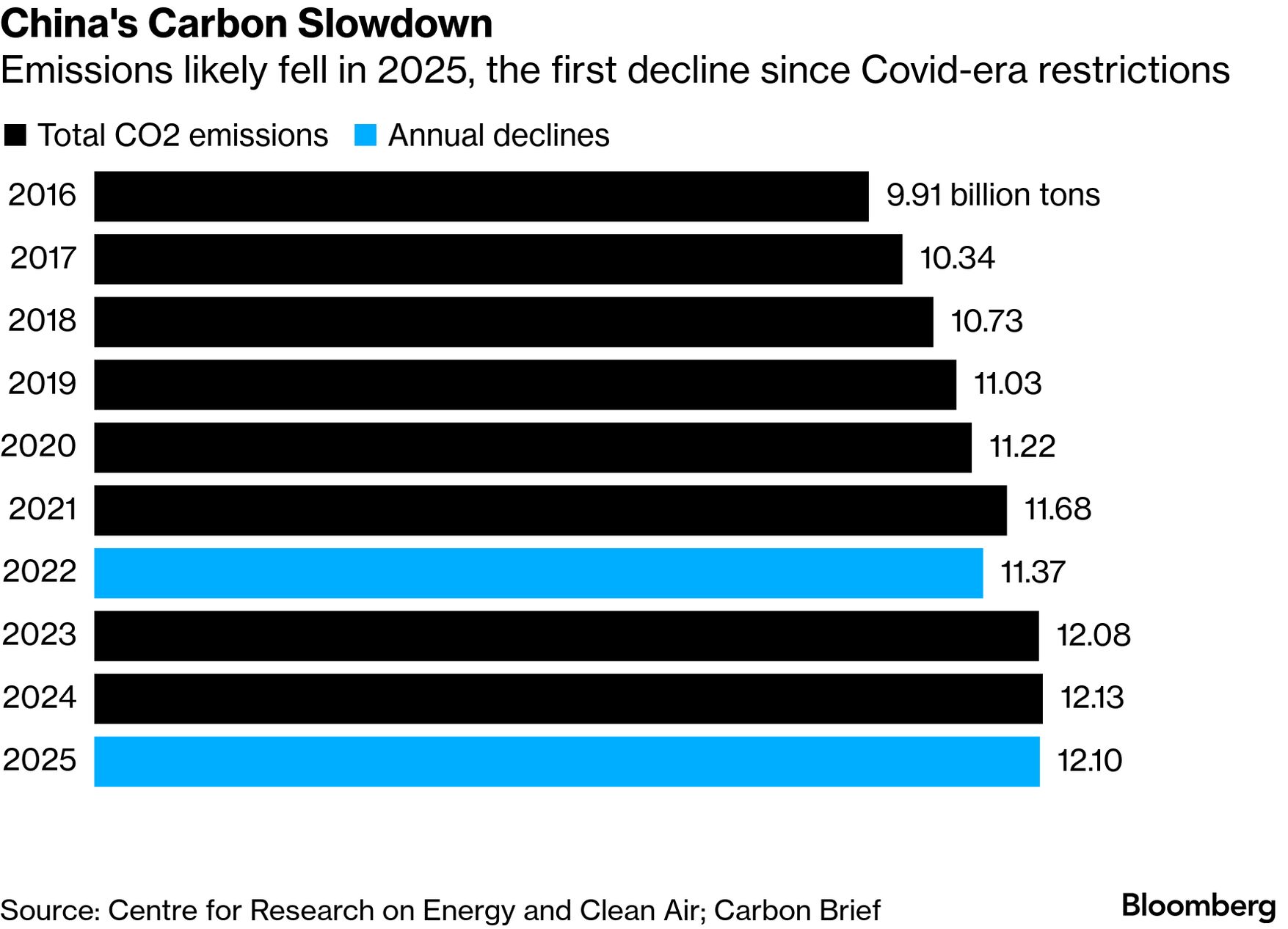 Last year, China for the first time covered all of its additional power demand growth with carbon-free sources, and added enough energy storage capacity to account for the increase in peak demand, said Lauri Myllyvirta, lead analyst for CREA. That's created more options to avoid blackouts without resorting to fossil fuels, he said. While small, the projected decline — which could be confirmed with analysis of energy consumption data expected to be released later this month — is a notable milestone in China's efforts to halt the rapid growth in its climate footprint. It also underscores the prospect that wind, solar and batteries — all key exports for China — can support economic expansion in emerging economies without increasing pollution. 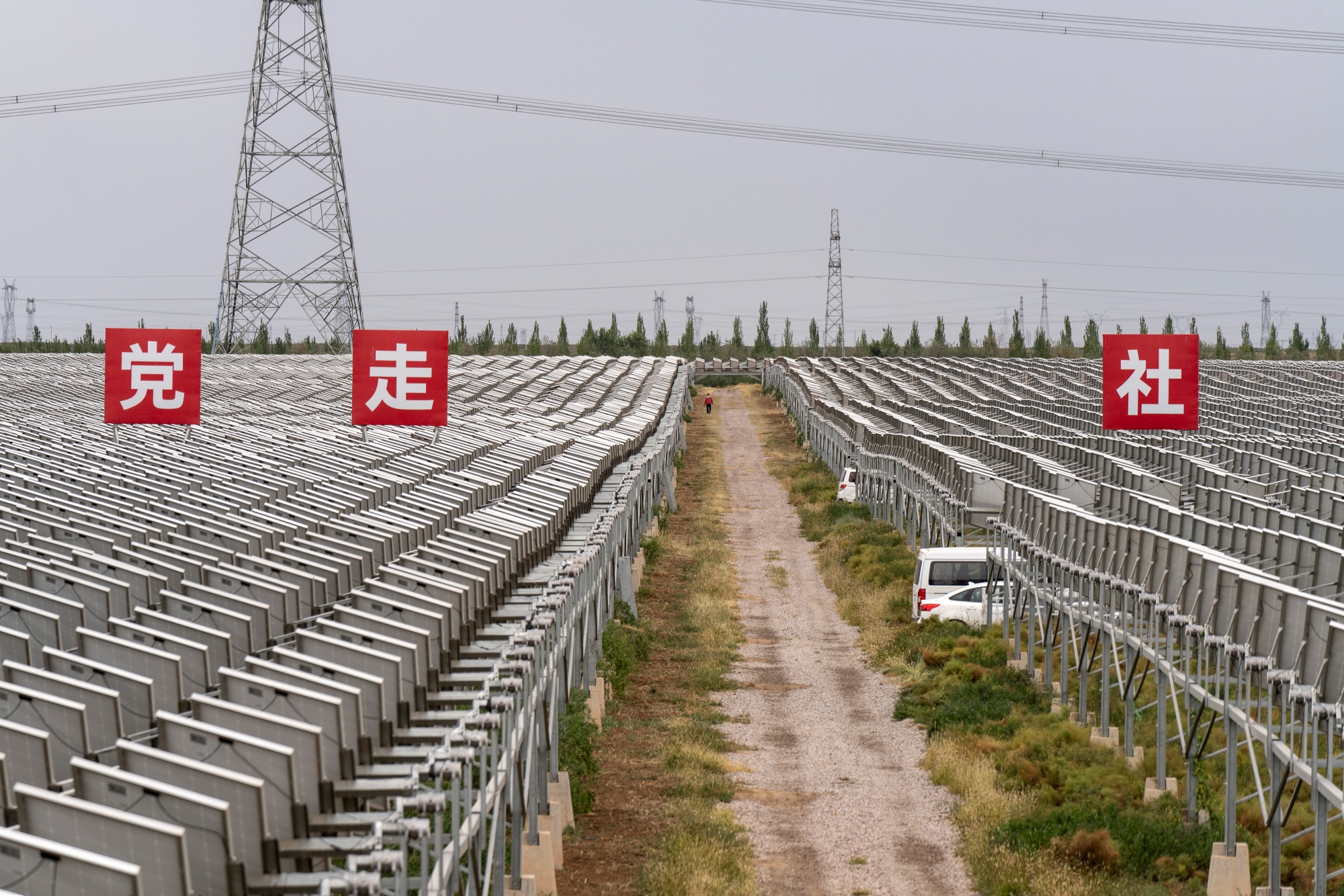 Solar panels at the Baofeng Agriculture-Photovoltaic Integration Industrial Base near Yinchuan, Ningxia autonomous region, China. Photographer: Qilai Shen/Bloomberg Even so, it's too soon to judge whether China's carbon emissions, which account for about a third of the global total, have definitively peaked. President Xi Jinping has only committed to reaching that turning point before 2030, and China continues to pursue an all-of-the-above energy strategy, which means the nation's emissions could yet rebound, Myllyvirta said. A key signal will come in March, when officials release the country's next five-year plan. In order to meet 2030 goals set out in the Paris Agreement, China will need to reduce emissions per unit of GDP by 23%, according to Myllyvirta — a large leap in ambition from the 12% reduction the nation has recorded over the past half-decade. Another sector to watch is the country's chemical industry. While emissions fell across power, metals production, cement and transport, there was a large jump from a surge of new plants using coal and oil to produce plastics and other advanced materials. Read the full story on Bloomberg.com. Dirty fumes28% The amount of US emissions that the transportation sector accounts for. The EPA is also set to kill emissions standards for automobiles as it repeals the endangerment act. Trump's reasoning"This will be the largest deregulatory action in American history." Karoline Leavitt White House Press Secretary The administration is framing the decision as a matter of affordability. Leavitt said the bulk of savings for consumers will come from reduced costs for new vehicles. Taking a breatherBy Mark Chediak JPMorgan Chase & Co. and Morgan Stanley are among leading investment banks hesitating to provide a critical source of financing for US renewables projects. The issue stems from a lack of clarity from the Trump administration over tax rules that restrict ties to China, according to people familiar with the matter. The large banks are reluctant because they could face scrutiny under foreign investment rules tied to tax credits for renewables, according to the people, who asked not to be named because they aren't authorized to speak publicly. Another big player, Bank of America Corp., meanwhile, is proceeding with select transactions, according to one of the people. Some developers are finding it challenging to find investors who are willing to take on the risk, said Antony Joyce, a renewable energy tax risk and insurance specialist with Marsh, an insurance broker. "It's starting to become disruptive for projects," Joyce said. "It's a big topic of conversation right now." Under a tax-and-spending bill passed by Republicans last year, companies seeking to claim tax credits are subject to limits based on financial ties to China, a major provider of components used in solar, wind and battery projects. Guidance expected soon from Treasury will define which projects can claim the tax credit. Until then, some banks are holding back, the people said. Representatives of Bank of America, JPMorgan and Morgan Stanley declined to comment. The US Treasury Department didn't immediately respond to a request for comment. More from Green La Niñas typically mean colder winters across the northern US, which has been the case this year. Photographer: Hannah Beier/Bloomberg The La Niña exerting its influence on global weather since last year is forecast to fizzle out in the coming months, returning the Pacific Ocean to its neutral state sometime in April. The Pacific is expected to remain normal through summer in the Northern Hemisphere, according to the US Climate Prediction Center. La Niña, which forms when the equatorial Pacific cools and the atmosphere reacts to it, typically wanes after its December-to-January peak. Climate center scientists are already seeing signs of decreasing strength in warmer ocean water and a weakening in atmospheric changes, the agency said in a statement. La Niñas typically mean colder winters across the northern US, which has been the case this year. Singapore raised its 2030 solar installation goal by 50% after hitting its previous target early, as the city-state tries to hit net zero emissions by the middle of the century. European Union carbon prices slumped the most since 2022 after German Chancellor Friedrich Merz said the bloc should be open to revising or delaying its carbon market. Fusion energy startup Inertia Enterprises has raised $450 million to start developing a power plant that hinges on building the world's most powerful lasers. The coal industry has a new buyer: the Pentagon. President Donald Trump directed Defense Secretary Pete Hegseth to enter into agreements to purchase electricity from coal plants to power military operations. This week's Zero Composer Julia Wolfe Photographer: Akshat Rathi / Bloomberg How can music be used to communicate about the climate crisis and its solutions? This week on Zero, Akshat Rathi talks with Pulitzer Prize-winning composer Julia Wolfe about her recent work, unEarth, which explores climate change and habitat loss through orchestra, voice and poetry. Wolfe discusses how she did her research; captured the clash between humanity and nature; and what the piece means at a time when her home country of the US seems to be moving away from cutting emissions. Listen now, and subscribe on Apple, Spotify or YouTube to get new episodes of Zero every Thursday. More from Bloomberg
Explore all Bloomberg newsletters. Follow us
You received this message because you are subscribed to Bloomberg's Green Daily newsletter. If a friend forwarded you this message, sign up here to get it in your inbox.
|
Thursday, February 12, 2026
Trump’s EPA legacy





Subscribe to:
Post Comments (Atom)
Best Wheather To Seal Your Patios & Driveways
The Gappsi Group 10% September Discount To Seal Your Pavers ! Learn more about this offer This is the best time of the season to get your pa...

-
PLUS: Dogecoin scores first official ETP ...
-
Hollywood is often political View in browser The Academy Awards ceremony is on Sunday night, and i...


No comments:
Post a Comment