| Read in browser | ||||||||||||||
 Welcome to Balance of Power, bringing you the latest in global politics. If you haven't yet, sign up here. Iran's diplomats are used to meeting Westerners for nuclear talks — they've been doing it for almost 20 years. But the Islamic Republic's latest discussions with the US, which adjourned late yesterday in Geneva, are happening against the backdrop of some extraordinary challenges unlike anything its experienced negotiators have had to deal with before. The country's fortunes have transformed since its top diplomat, Abbas Araghchi, first met with US Special Envoy Steve Witkoff last year. They've been through a war with Israel and they've had their biggest nuclear facilities bombed by the US. At the heart of their dilemma is that they are dealing with an unpredictable US president they do not understand. The bitter experience of being attacked by Israel — a top US ally — last June taught them a lesson. At any moment, any political capital they spend on engaging with Washington and dangling financial incentives in front of Trump can be wiped away in minutes by another strike by Israel or one ordered by Trump himself. They are strategizing for the very real possibility of a war, while at the same time preparing for what the oil markets seem to believe is the less likely outcome of an agreement with the US. 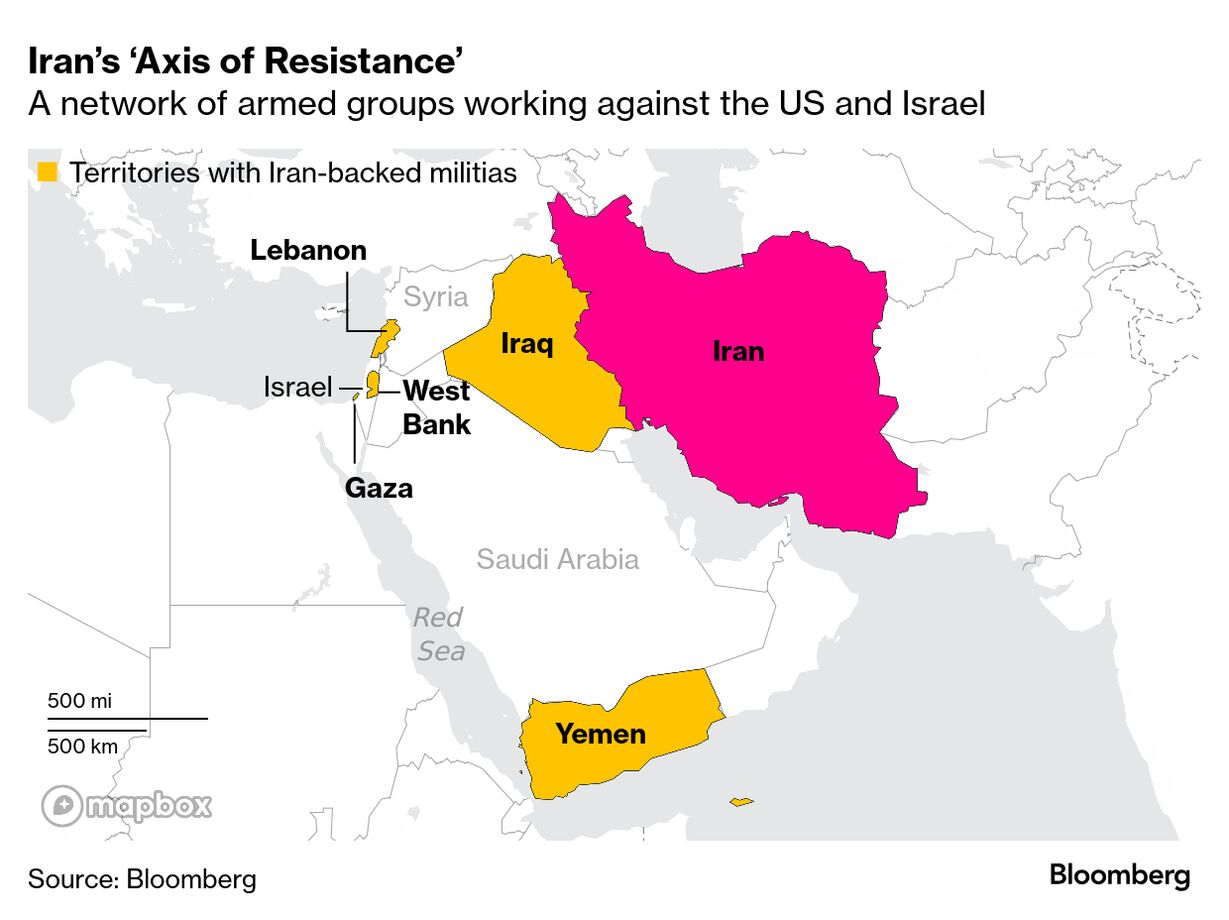 At home, levels of domestic dissent are as threatening to Iranian officials as the US flotilla that's encircling the Middle East. It's set to be boosted by a second carrier strike group reportedly already in Israeli waters. Iranians are still reeling from the violence and trauma unleashed on them by the Islamic Republic's security forces during the recent uprising. Opposition to the theocratic system Araghchi represents is so widespread that it's hard to imagine it can be fixed with some sanctions relief. For Araghchi, a deal with Trump won't just deliver an economic lifeline — as it did back in 2015 — but, he hopes, the very survival of the Islamic Republic. — Golnar Motevalli 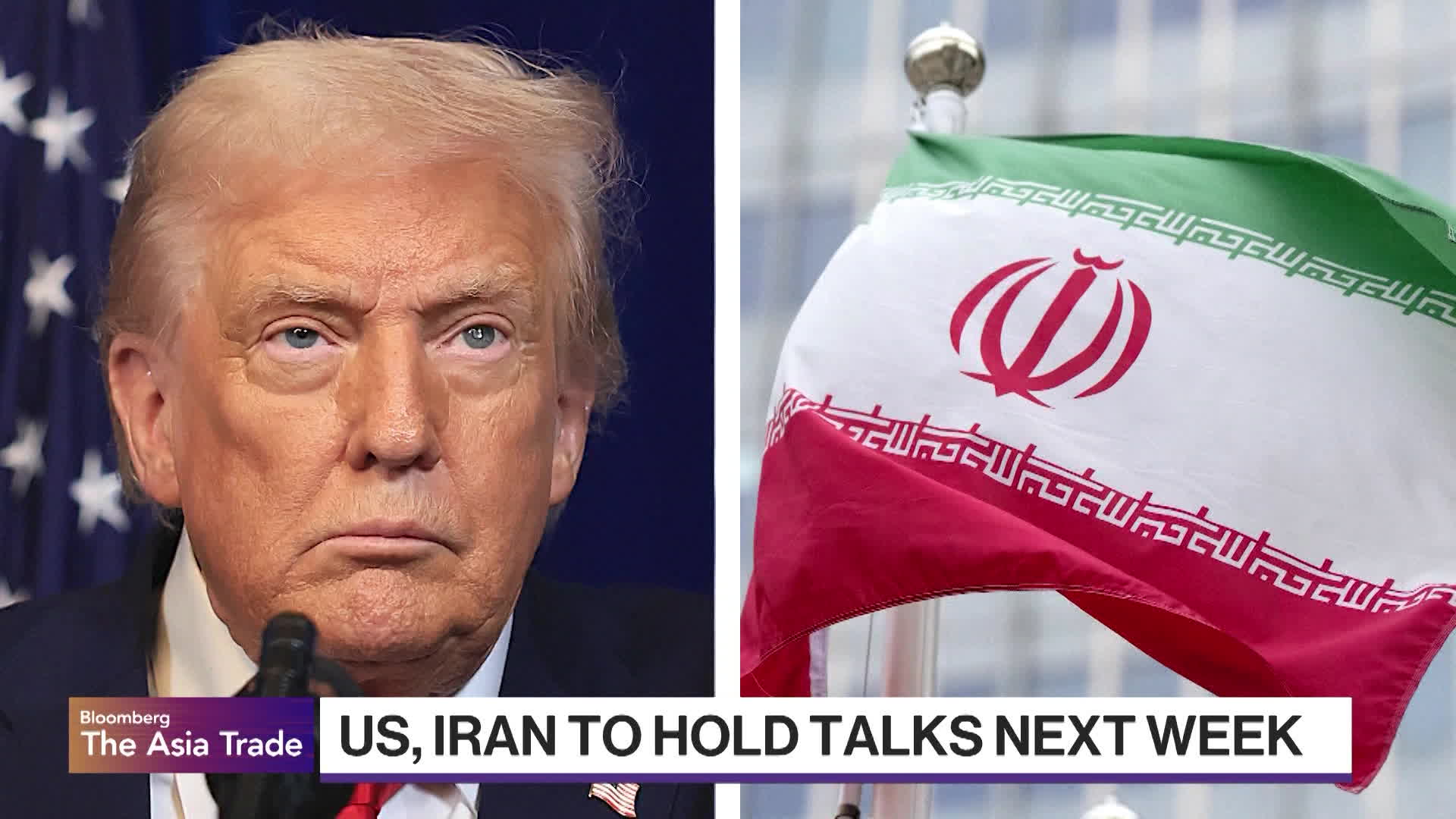 WATCH: Bloomberg's Michael Heath discusses the latest developments. Global Must ReadsAs Russia's war economy strains under growing pressure from sanctions and slumping revenues, even businesses in regions that have benefited from massive increases in military spending are feeling the pain and turning to officials for help. In Nizhny Novgorod, an important industrial center with major defense factories and an automotive plant, companies say the situation is causing "serious concern," according to documents we've seen. Read today's Big Take here on how Finland allowed Russian investors to quietly amass thousands of properties on NATO's eastern flank, some close to military bases and critical infrastructure.  A Soviet-era mural in Nizhny Novgorod. Source: Bloomberg Pakistan declared "open war" with Afghanistan and the defense minister predicted "chaos and reckoning" after both sides carried out cross-border strikes overnight that killed dozens. Tensions have steadily risen between the neighbors since the return of the Afghan Taliban to power in 2021, with the government in Islamabad blaming Kabul for hosting militant groups that plan attacks in Pakistan — an accusation the Taliban denies. China removed nine military lawmakers from its parliament in the latest sign that President Xi Jinping's purge of key defense establishment personnel continues to widen. The ousters shrink the military delegation to the National People's Congress to the smallest since at least 1974, just days before lawmakers are set to gather to review government work and a five-year development plan. The Green Party won a special election for a Manchester seat in the UK House of Commons, underscoring the threat posed to Keir Starmer's governing Labour Party on its left flank. While British voters often use by-elections to show displeasure with sitting governments, both the defeat and the scale of the win for local plumber Hannah Spencer are blows to the prime minister in a constituency Labour won comfortably just 19 months ago. 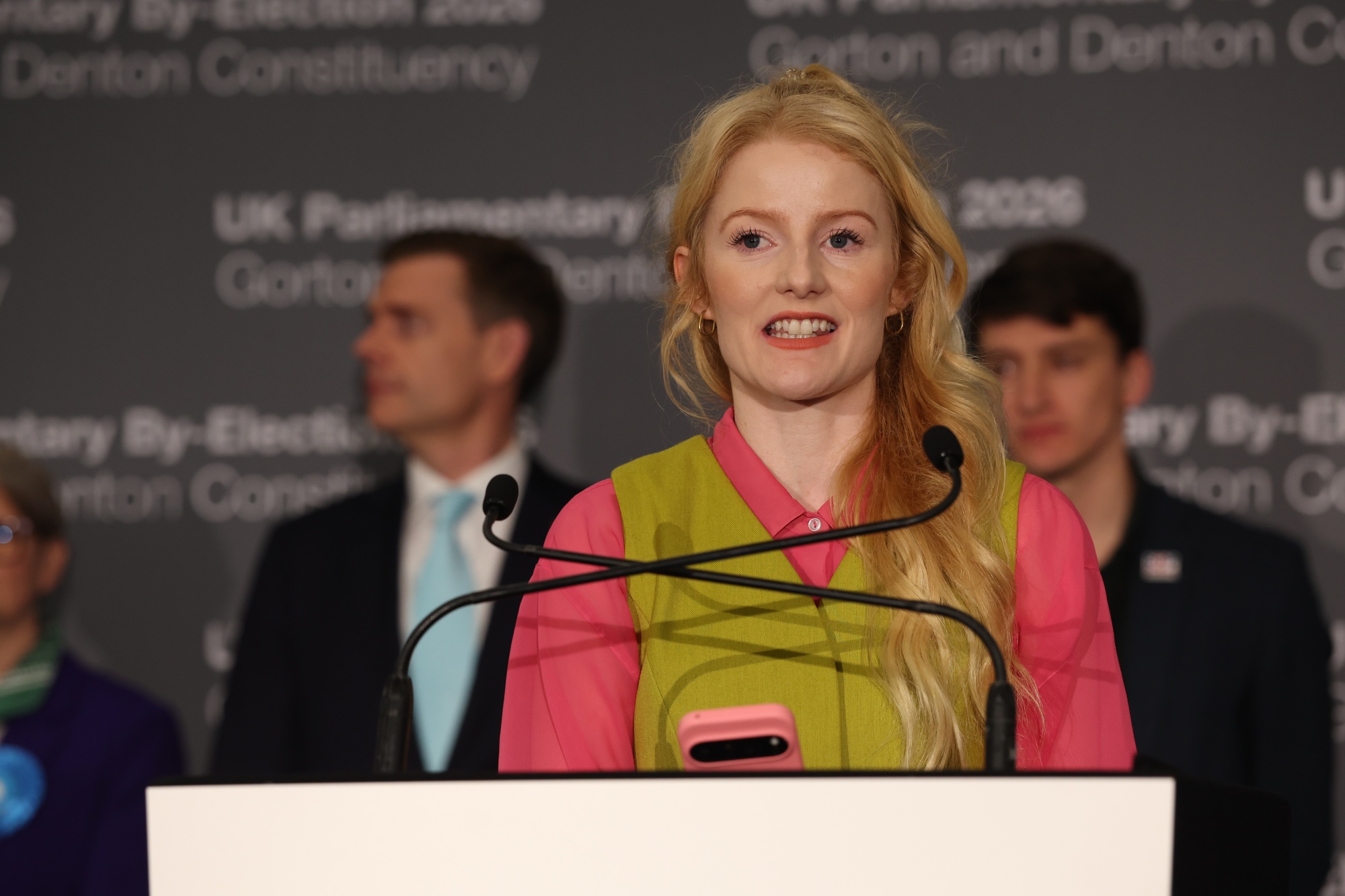 Hannah Spencer. Photographer: Ryan Jenkinson/Getty Images Anthropic rejected the Pentagon's latest offer in a dispute over safeguards around the use of its artificial intelligence technology by the US military, escalating a standoff a day before a government deadline for the company to drop its restrictions or face severe consequences. The company doesn't want its technology used for surveillance of US citizens or for autonomous lethal strikes without a human in the loop. Ousted Venezuelan leader Nicolás Maduro asked a federal judge to dismiss drug-trafficking charges against him, claiming the US is blocking funds for his defense from the Venezuelan government. An aggressive White House push on health policies — which Trump advisers say is meant to rally potential "Make America Healthy Again" voters — risks stalling out as key parts of that coalition grow frustrated. Former US Secretary of State Hillary Clinton said she denied any association with disgraced financier Jeffrey Epstein during a "repetitive" hours-long deposition before congressional investigators yesterday. 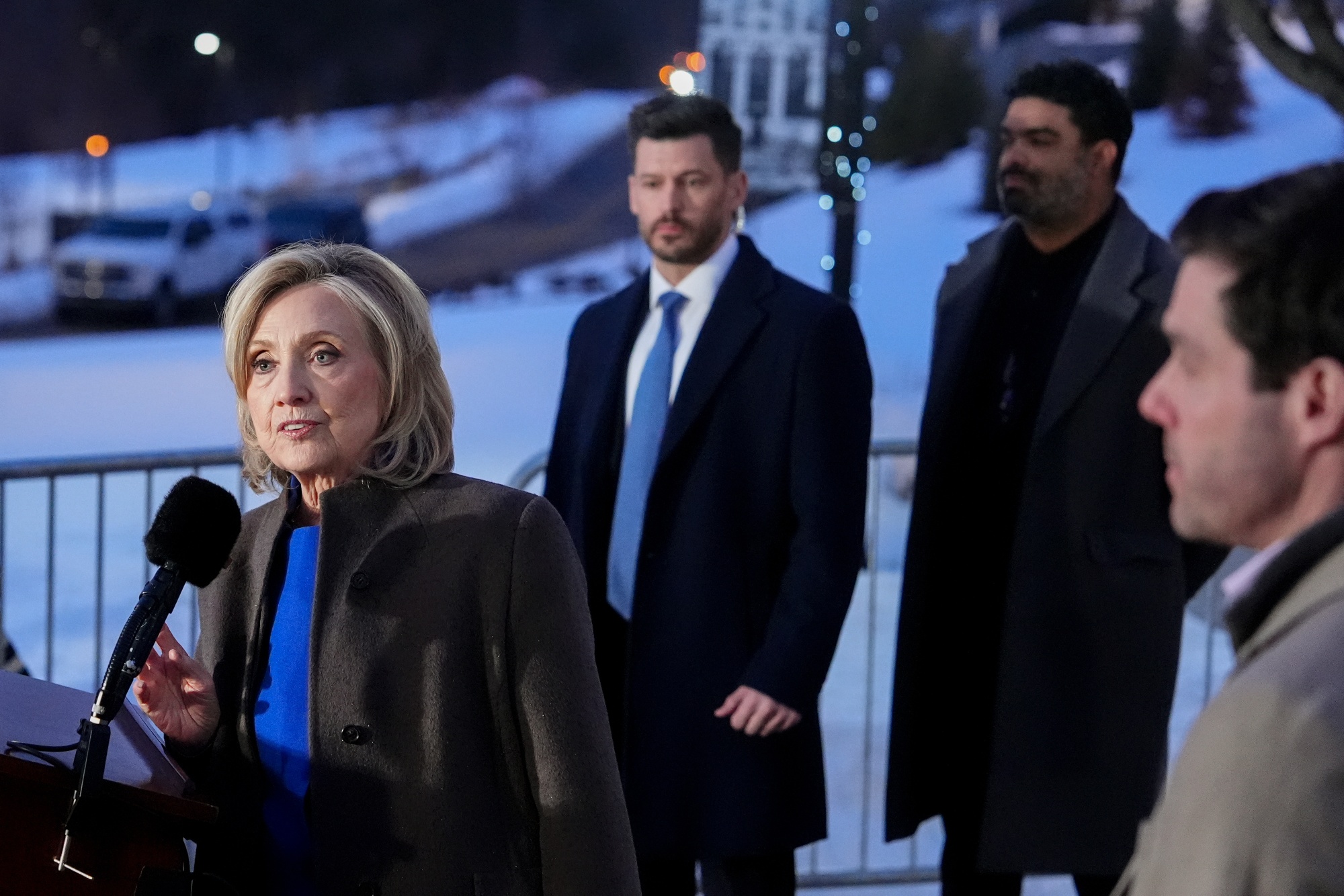 Clinton speaks to the media yesterday in Chappaqua, New York. Photographer: Adam Gray/Bloomberg Danish Prime Minister Mette Frederiksen is betting a proposal to reinstate a wealth tax on the nation's richest residents will resonate with voters and help keep her in power next month, even though critics say it might lead to an exodus of billionaires. Rachel Reeves will deliver a low-key update on the state of the UK economy next week, as she seeks to draw a line under the endless cycle of speculation that's preceded recent twice-yearly fiscal events. Don't miss from Bloomberg Weekend: Mishal Husain talks with the director-general of the World Health Organization about the fight against Covid and what worries him most, Ben Sills discusses the precarious future of the European Union, and Ben Steverman compares Elon Musk's impact with the story of John D. Rockefeller. Subscribe to the newsletter here.  WATCH: WHO Director-General Tedros Adhanom Ghebreyesus talks to Mishal Husain. Coming up: Bloomberg's exclusive interview with Italian Prime Minister Giorgia Meloni about her plans for the economy, tariffs, AI risks and her relationship with Emmanuel Macron. Check Bloomberg.com from 10 a.m. CET tomorrow for more. Sign up for the Washington Edition newsletter for news from the US capital and watch Balance of Power at 1 and 5 p.m. ET weekdays on Bloomberg Television. Chart of the Day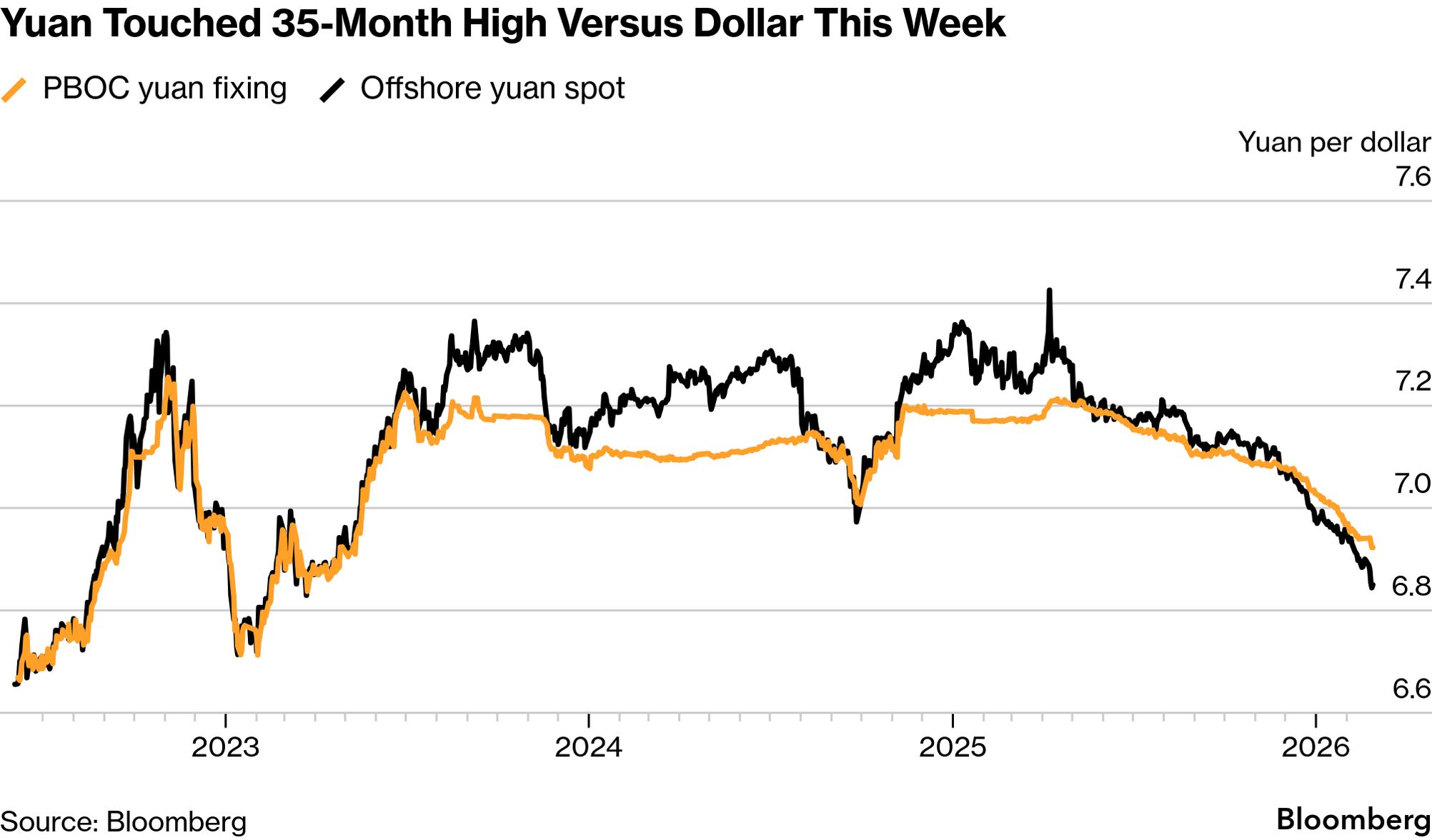 The yuan ended its longest winning streak since 2010 after China moved to rein in its rise by scrapping an extra fee for betting against it in the derivatives market. Officials have repeatedly warned against an overshooting of the exchange rate as it would pressure local exporters and worsen deflation. Bets on a stronger yuan are nonetheless picking up in currency-option markets, with traders positioning for a move toward 6.50 per dollar by year end. And FinallyA Kenyan rail project that stalled just over halfway through its planned route and became a symbol of how China's Belt and Road-era push is fading is set to resume next month — this time without taking new loans from Beijing. It will ultimately be the East African nation's biggest infrastructure project since the country's independence from Britain in 1963. The decision to forgo Chinese funding reflects shifting circumstances for developing nations triggered by strains in China's public finances. 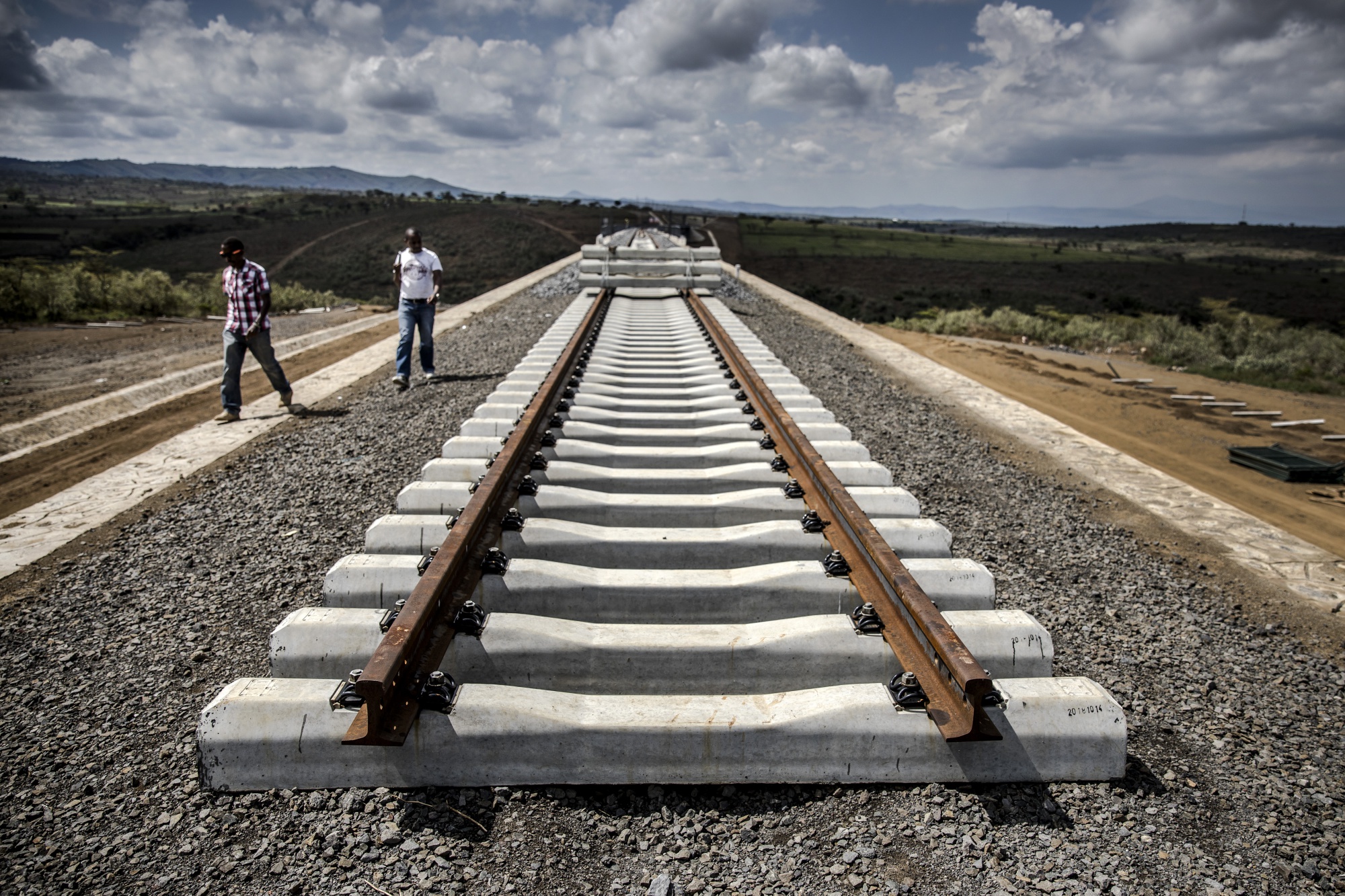 Incomplete rail tracks near Duka Moja, Kenya. Photographer: Luis Tato/Bloomberg Pop Quiz (no cheating!). The former prime minister of which country raised eyebrows this week when she announced she was relocating to Australia with her family? Send your answers to balancepower@bloomberg.net More from Bloomberg
We're improving your newsletter experience and we'd love your feedback. If something looks off, help us by reporting it here. Follow us
You received this message because you are subscribed to Bloomberg's Balance of Power newsletter. If a friend forwarded you this message, sign up here to get it in your inbox.
|
Friday, February 27, 2026
An unprecedented threat





Subscribe to:
Post Comments (Atom)
-
PLUS: Dogecoin scores first official ETP ...
-
Swaps, memes, homes, tokens. View in browser Unicorn bucket We have talked a fe...


No comments:
Post a Comment