| Read in browser | ||||||||||||||
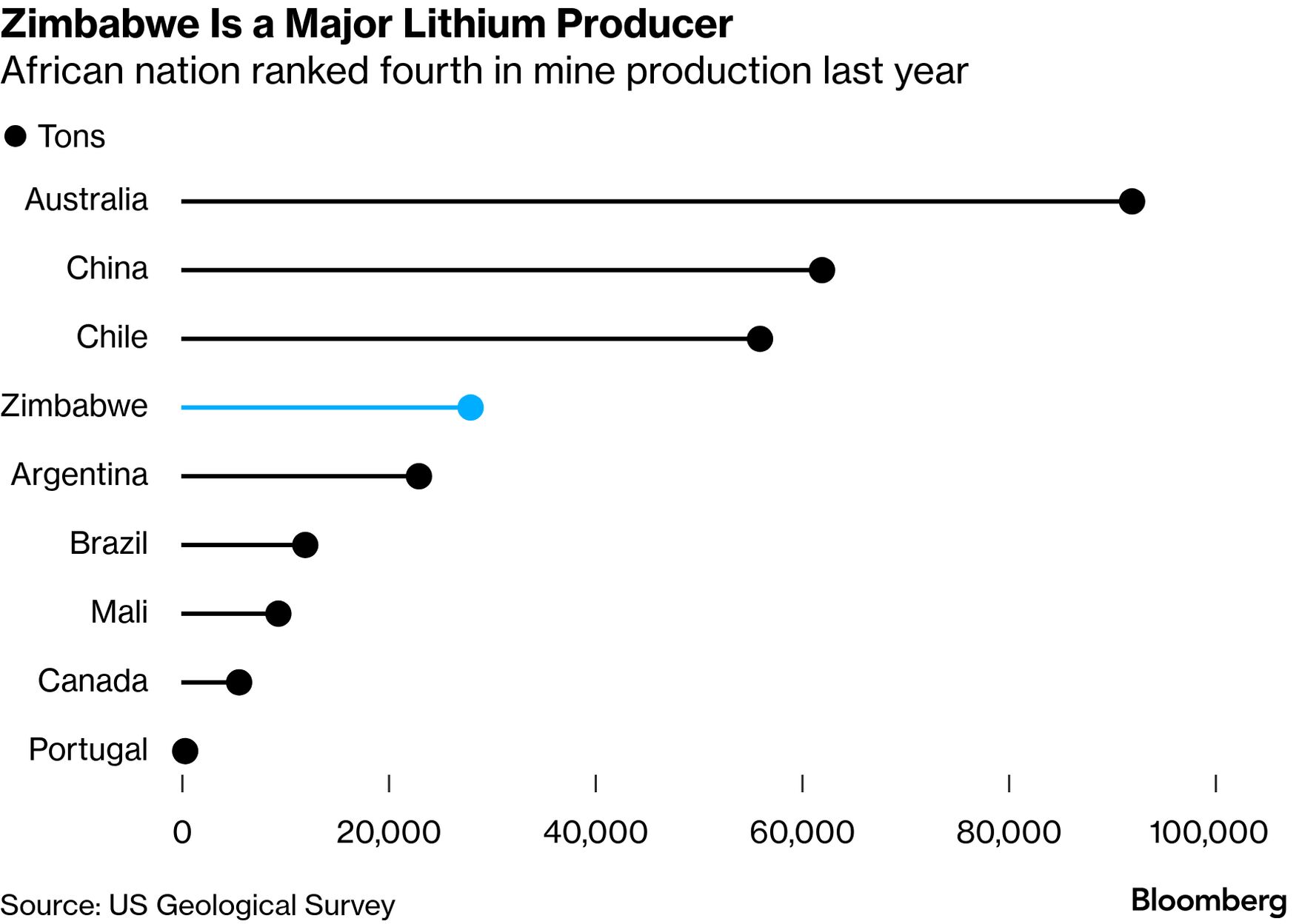
 Welcome to Next Africa, a newsletter on where the continent stands now — and where it's headed. Sign up here to have it delivered to your email. We will be making some changes to the newsletter to make for a better read, not least of all shifting to publish every weekday. So, look out for a new daily edition starting on Monday. South Africa is finally getting its public finances in order. Enoch Godongwana released a budget this week that shows the debt ratio stabilizing for the first time in almost two decades and a slightly lower fiscal deficit than was previously forecast. 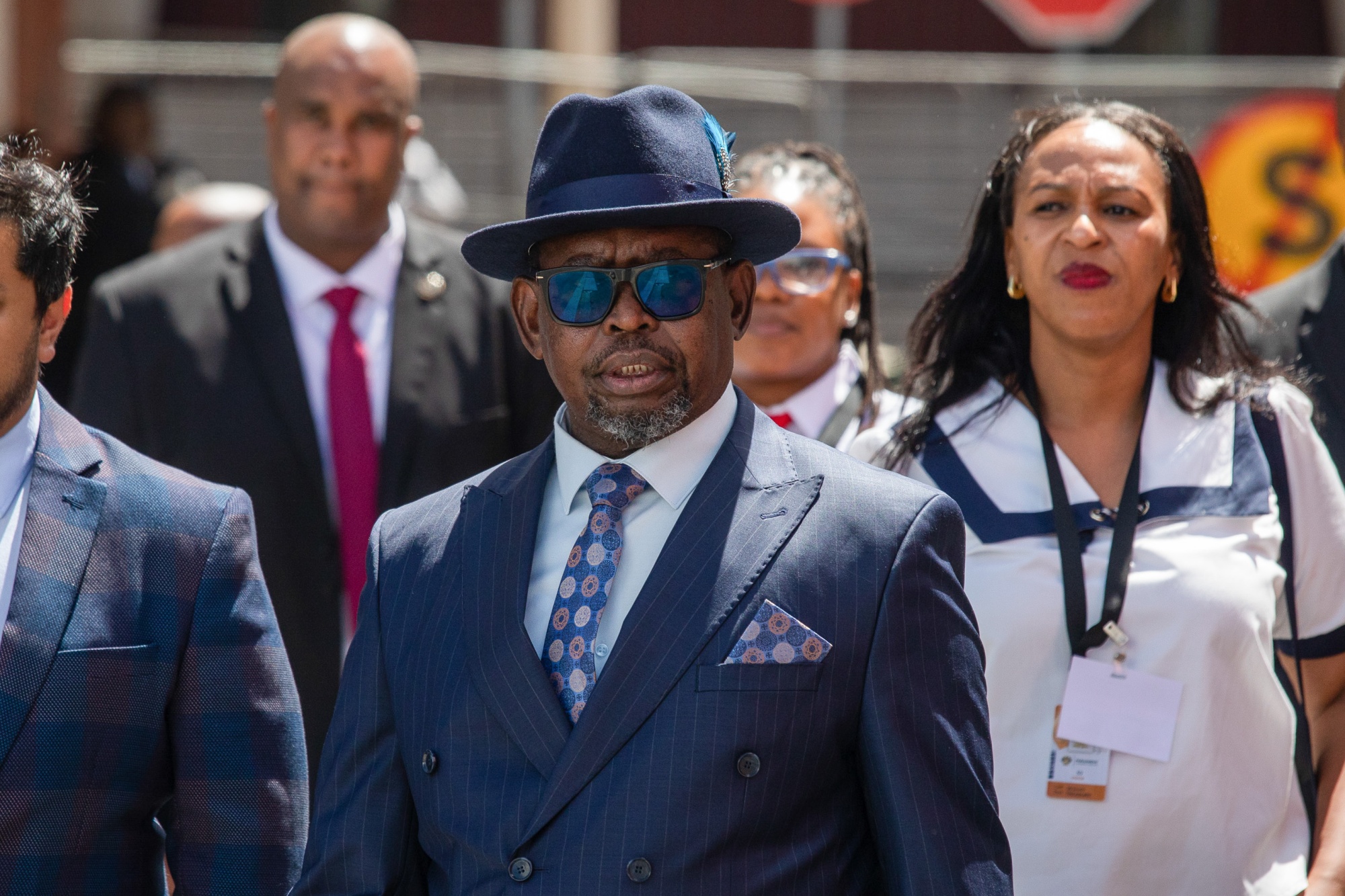 Godongwana in Cape Town on Wednesday. Photographer: Dwayne Senior/Bloomberg The improvement, in part boosted by a commodity boom that lifted mining-industry profits, gave the finance minister scope to support the economy with tax breaks and increased spending on infrastructure. Personal income-tax brackets were adjusted to account for inflation for the first time in three years, while small businesses and individual investors also get concessions. The budget earmarks $68 billion for building and upgrading roads, power plants, dams, ports and other projects, spending that should translate into faster economic growth. The better numbers may also spur credit-rating companies to inch the nation back toward investment grade. The country isn't out the woods yet, and it's critical the momentum is maintained — a reminder that there have been false dawns before. 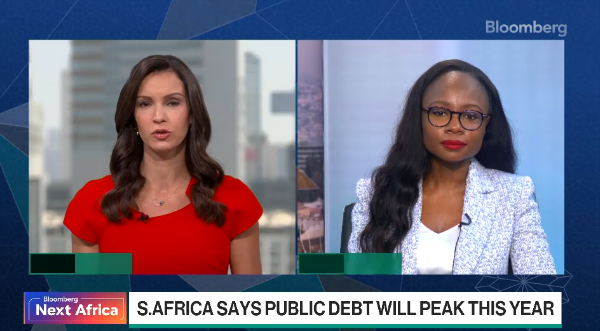 WATCH: RMB's Kgothatso Baloyi discusses the budget with Joumanna Bercetche on Bloomberg TV. The economy is seen expanding an average of just 1.8% annually over the next three years, barely enough to keep pace with population growth and way short of what's needed to address deep structural unemployment. And there is no shortage of risks to contend with — artificial intelligence-related disruptions, an abrupt downturn in the metals market and US President Donald Trump's ongoing antagonism toward South Africa among them. That said, Godongwana and his team will be able to bask in the recognition that Africa's biggest economy may well be heading in the right direction. — Mike Cohen Key stories and opinion: News RoundupThe UK won't implement a treaty handing the Chagos Islands back to Mauritius without US support, likely extending its delay due to Trump's new-found opposition to the deal. The latest retraction of support for an agreement that would allow the UK and US access to their military base on Diego Garcia for 99 years coincided with London holding off giving permission for Trump to use the island in a possible strike on Iran. Our explainer looks at why the Chagos deal tests UK relations with Washington. 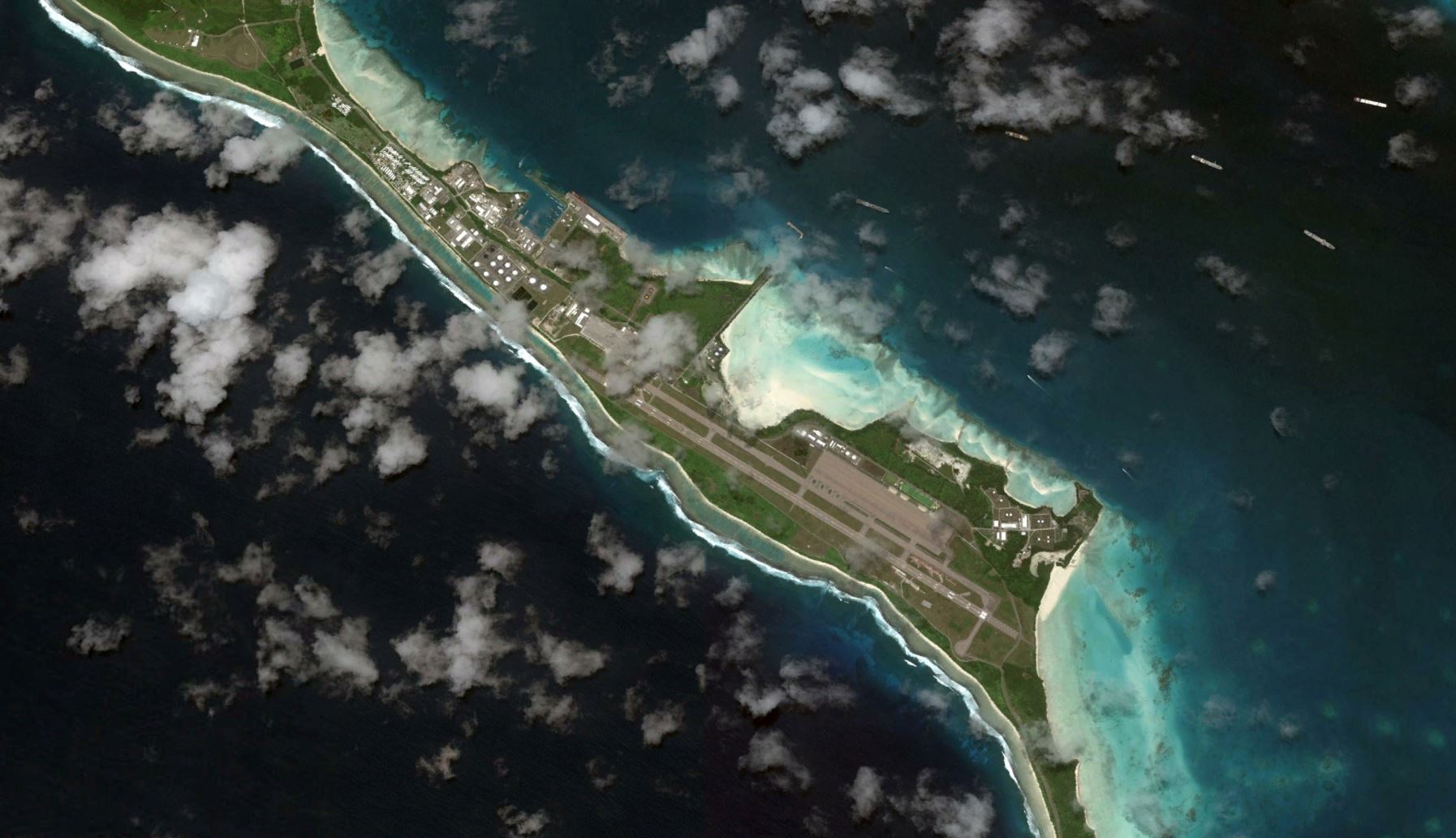 The Diego Garcia military base. Source: Google Maps Ghana's foreign minister said he held talks with Ukrainian President Volodymyr Zelenskiy in Kyiv seeking the release of citizens held as prisoners of war. The request comes as governments seek to clamp down on Russian recruitment of Africans to fight in its invasion of Ukraine. Kenya and South Africa have both said they've recently secured the repatriation of citizens. Columnist Justice Malala writes about "frenemy" Russia duping recruits from the continent. The tri-border region of Nigeria, Benin and Niger is becoming a new stronghold for jihadists as militants turn forests and pastoral networks in West Africa into bases for recruitment and international attacks. Violence surged last year as Islamist insurgents pushed into strategic towns and stepped up coordinated operations, facilitated by weak state presence and porous borders, a report by Acled, a consultancy that tracks global crises, shows. 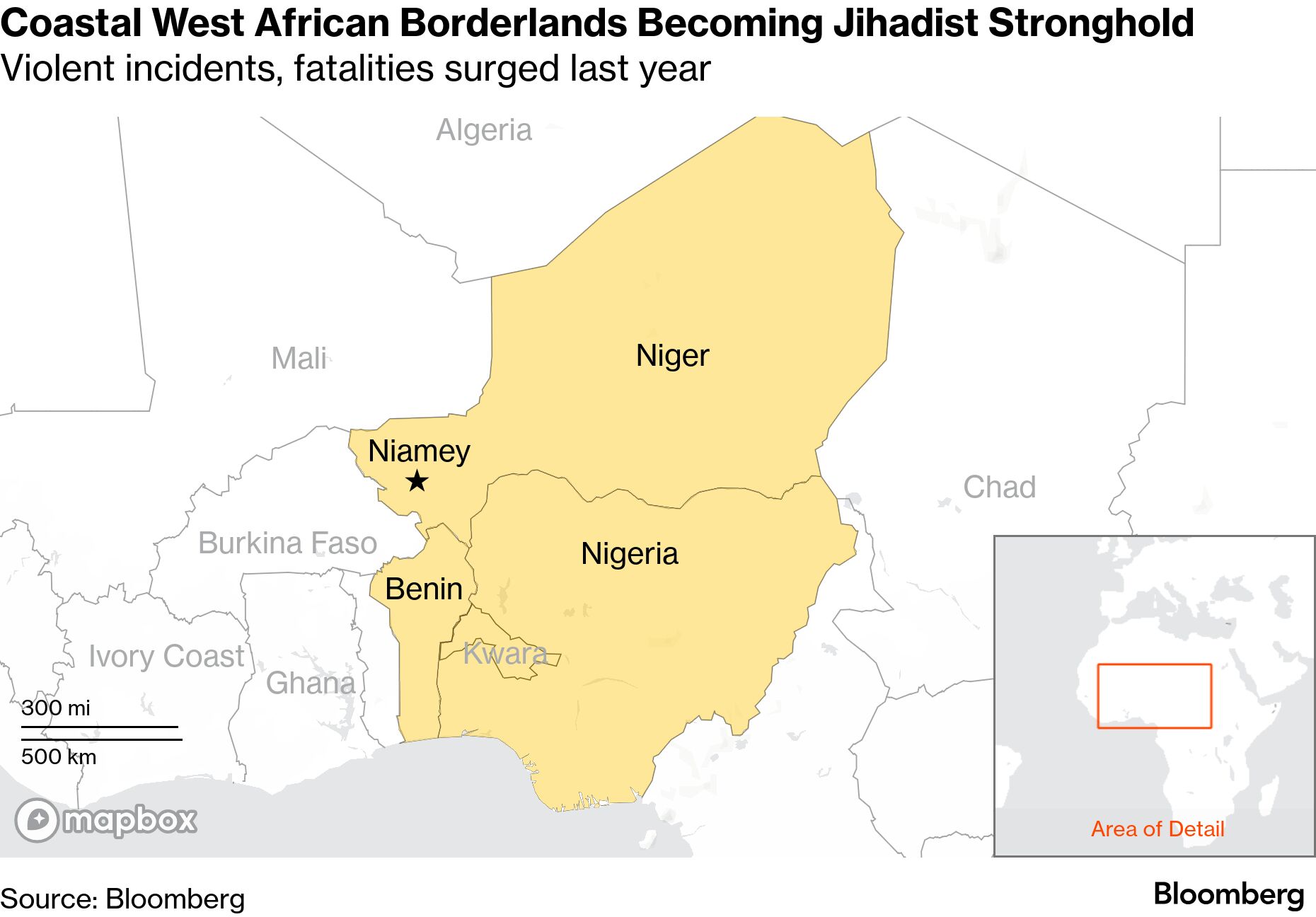 The US is ending its health-aid programs in Zimbabwe after Harare withdrew from talks over a bilateral deal. An agreement would have provided the southern African nation with $367 million over five years for programs including AIDS treatment and prevention, tuberculosis, malaria and disease outbreak preparedness, according to the US embassy in Zimbabwe. Sticky dates from palm trees aren't just a popular way for Egyptians to break this month's Ramadan fast — they're an unexpected tool in the North African country's bid for an export-backed economic revival. With the global market for the gooey brown superfood topping $29 billion, the world's largest date-grower is poised to capitalize on the opportunities. 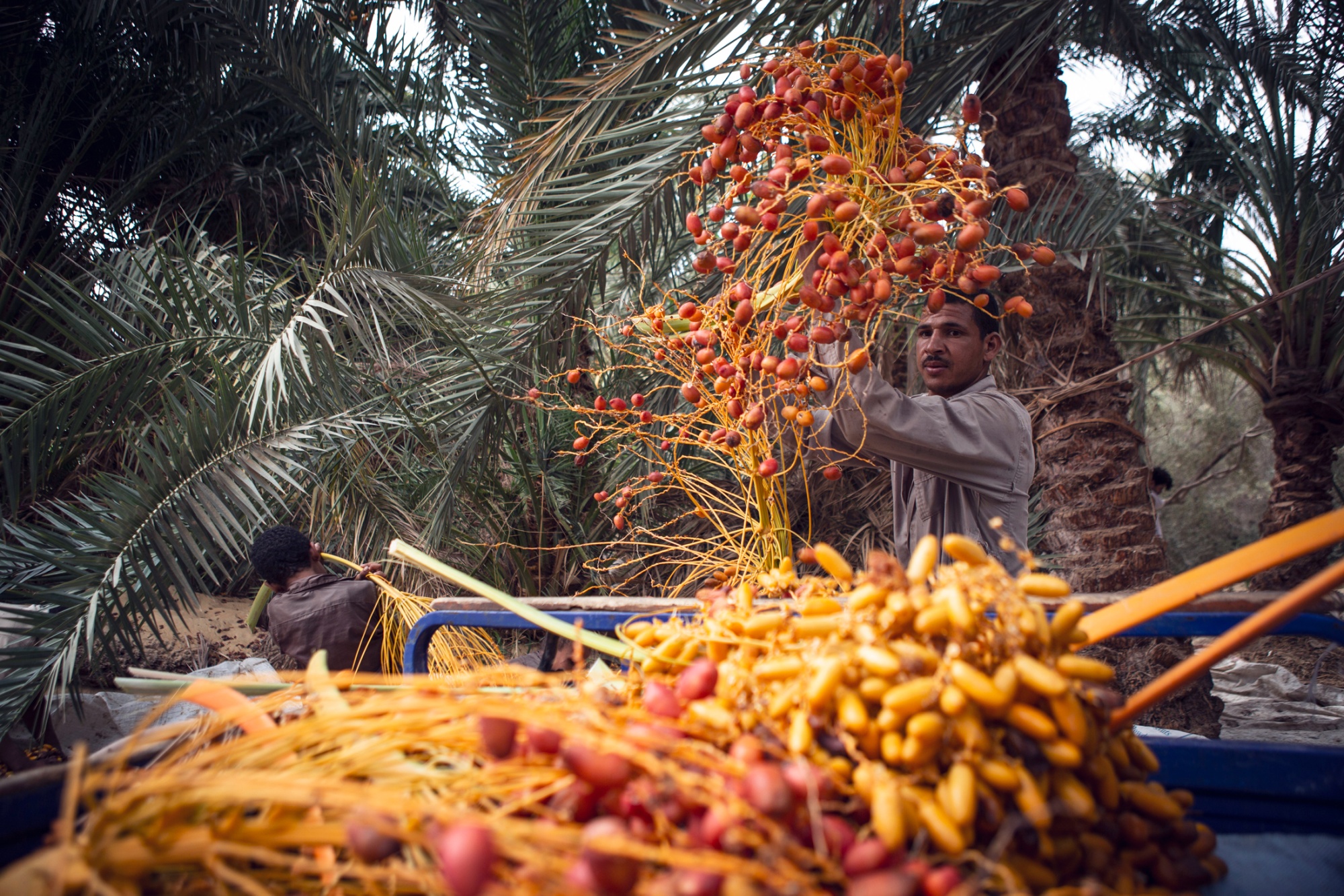 A date harvest in Siwa oasis, Egypt. Photographer: Gehad Hamdy/dpa/Getty Images South Africa is preparing to deploy soldiers to help tackle gang violence and illegal mining, challenges the police have struggled to contain. Gang-related shootings and drug running are major problems in most main urban centers, including Johannesburg and Cape Town, and contribute to some of the world's highest crime rates. Meanwhile, Cape Town Mayor Geordin Hill-Lewis said he'll stand for election as leader of the Democratic Alliance, the country's second-biggest political party, a contest he's widely expected to win. Next Africa Quiz — Lawmakers in which country this week called for Nigeria to repeal Sharia and anti-blasphemy laws? Send your answers to gbell16@bloomberg.net Past & PrologueData Watch
Coming Up
 On this week's Next Africa podcast, reporter Mumbi Gitau joins Jennifer Zabasajja to discuss why cocoa prices have seen such a dramatic fall. Quote of the Week"These are signals of restored credibility. Of renewed resilience. And of a nation regaining its footing." Enoch Godongwana Last WordA Kenyan rail project that stalled just over halfway through its planned route and became a symbol of how China's Belt and Road-era push is fading will resume next month — this time without taking new loans from Beijing. The decision to forgo the funding reflects shifting circumstances for developing nations triggered by strains in China's public finances. It will ultimately be the East African nation's biggest infrastructure project since independence from Britain in 1963. 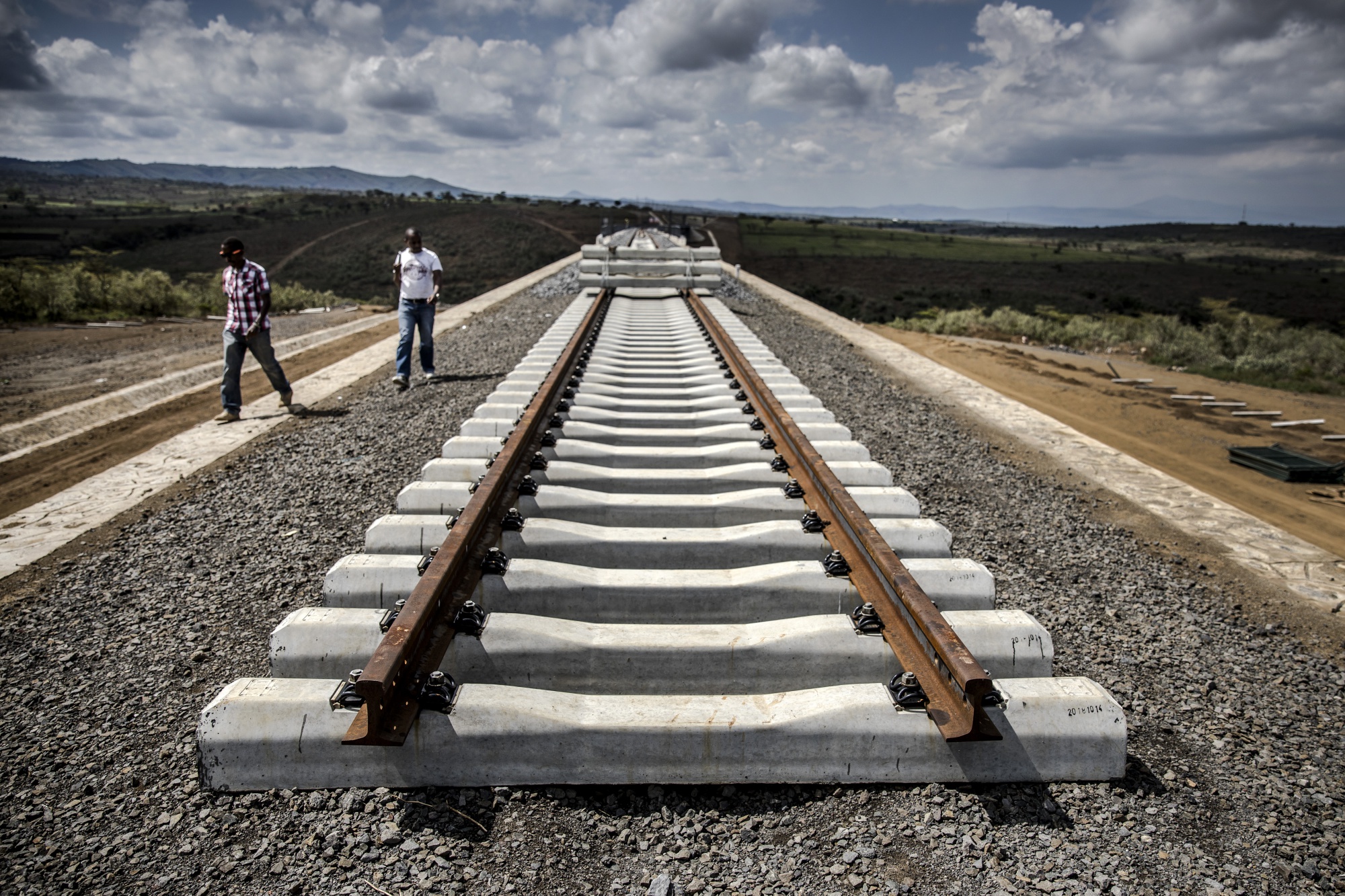 The end of the railway in Duka Moja, Kenya. Photographer: Luis Tato/Bloomberg Coming up: Bloomberg's exclusive interview with Italian Prime Minister Giorgia Meloni about her plans for the economy, tariffs, AI risks and her relationship with France's Emmanuel Macron. Check Bloomberg.com from 10 a.m. CET Saturday for more. More From BloombergEnjoying Next Africa? You might also like:
|
Friday, February 27, 2026
Next Africa: Turnaround time?





Subscribe to:
Post Comments (Atom)
Four hours from now the room opens. Here's what's inside.
THE 4PM OPEN. Today at 2PM Eastern. Free. No replay. Free Watchlist for every live attendee. ͏ ͏ ͏ ͏ ͏ ͏ ͏ ͏ ͏ ͏ ͏ ͏ ͏ ͏ ͏ ...

-
PLUS: Dogecoin scores first official ETP ...
-
Swaps, memes, homes, tokens. View in browser Unicorn bucket We have talked a fe...


No comments:
Post a Comment