| Welcome to Next Africa, a twice-weekly newsletter on where the continent stands now — and where it's headed. Sign up here to have it delivered to your email. Landlocked Ethiopia's determination to gain direct passage to the Red Sea has put it on a collision course with neighboring Somalia. In October, Prime Minister Abiy Ahmed identified access to the ocean as a strategic objective and warned that failure to secure it could lead to conflict. He drew rebukes from Somalia, Eritrea and Djibouti, before he toned down his comments. The issue resurfaced with a bang this week when Ethiopia signed a memorandum of understanding with Somaliland, a breakaway region of Somalia, that will secure it access to the Red Sea in exchange for an unspecified stake in its flagship carrier, Ethiopian Airlines. Detailed negotiations will be concluded in a month, said Redwan Hussein, Abiy's national-security adviser. 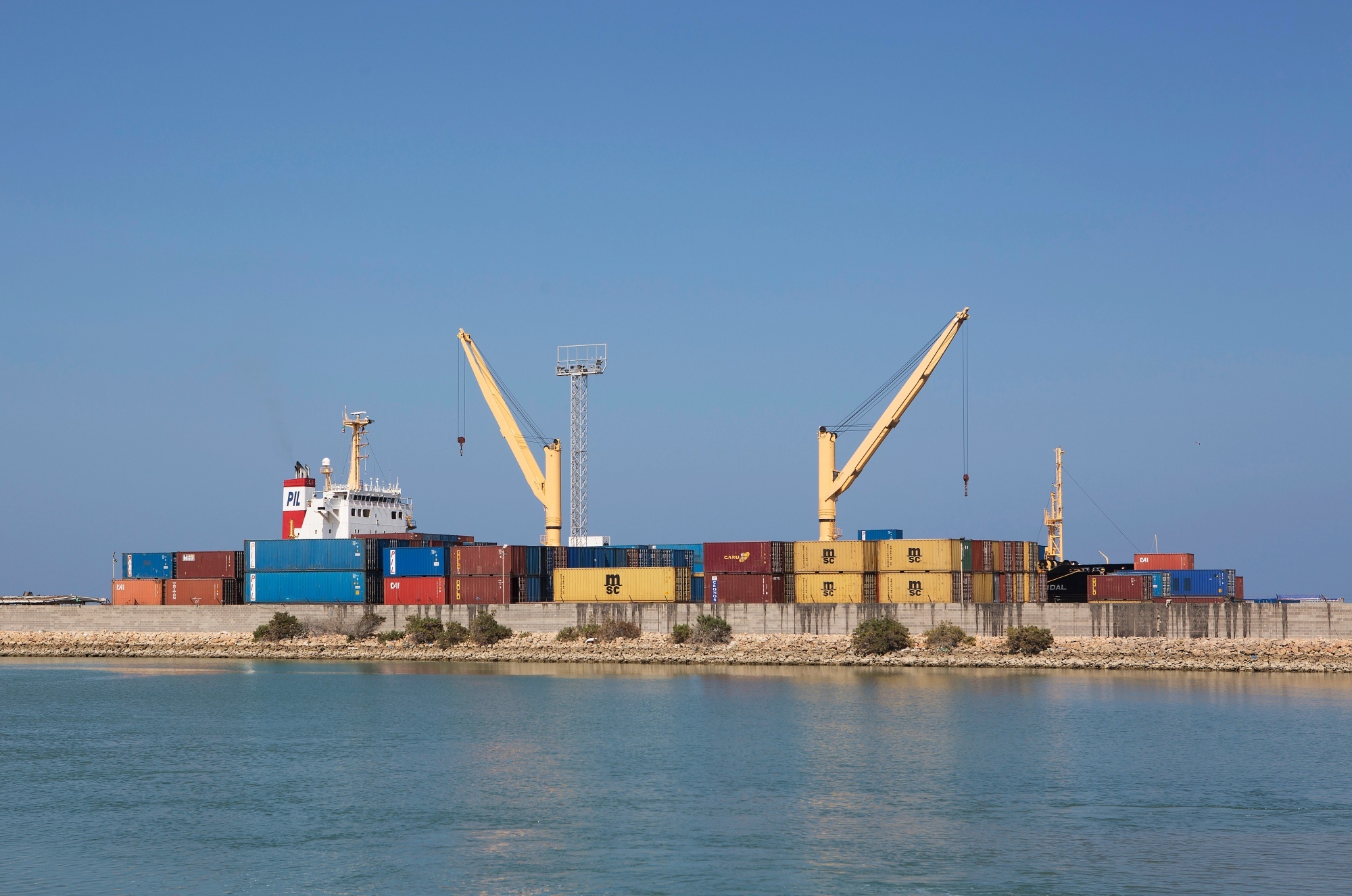 The port of Berbera in Somaliland. Photographer: Zacharias Abubeker/AFP/Getty Images The deal will give Ethiopia the right to facilities on the Gulf of Aden that can be used as a military base and for commercial purposes for 50 years, and it will be able to access them via a corridor leased from Somaliland, according to the region's president, Muse Bihi Abdi. Somalia considers Somaliland an integral part of its territory and the accord has infuriated its government — it described Ethiopia's actions as illegal and recalled its ambassador to Addis Ababa for consultations. The deal will also have economic repercussions for Djibouti, which Ethiopia currently traverses via road and rail to access the ocean. Ethiopia lost direct access to the sea in 1993, when Eritrea gained independence after a three-decade war. While the risk of armed conflict is low given that Somalia's military capabilities have been sapped by its protracted fight against Islamist insurgent group al-Shabab, it can't be ruled out given the region's volatile history. In any event, diplomatic relations are likely to be strained for years to come. — Fasika Tadesse
Key stories and opinion:
Ethiopia Offers Airline Stake to Somaliland for Red Sea Port
Ethiopia's Abiy Seeks to Calm Tensions Over Red Sea Access
Djibouti Latest Nation to Reject Ethiopia's Red Sea Access Plea
Ethiopia Says Lack of Port Access Can Fuel Future Conflict
Why Ethiopia's $5 Billion Dam Has Riled Its Neighbors: QuickTake Felix Tshisekedi was declared the winner of Democratic Republic of Congo's elections, securing another five years at the helm of a country that's set to play a key role in the fight against climate change. Tshisekedi garnered 73% support in the Dec. 20 vote, the official provisional results show. The main opposition leaders say the contest was rigged and have called for protests, but their odds of having the outcome overturned are negligible. 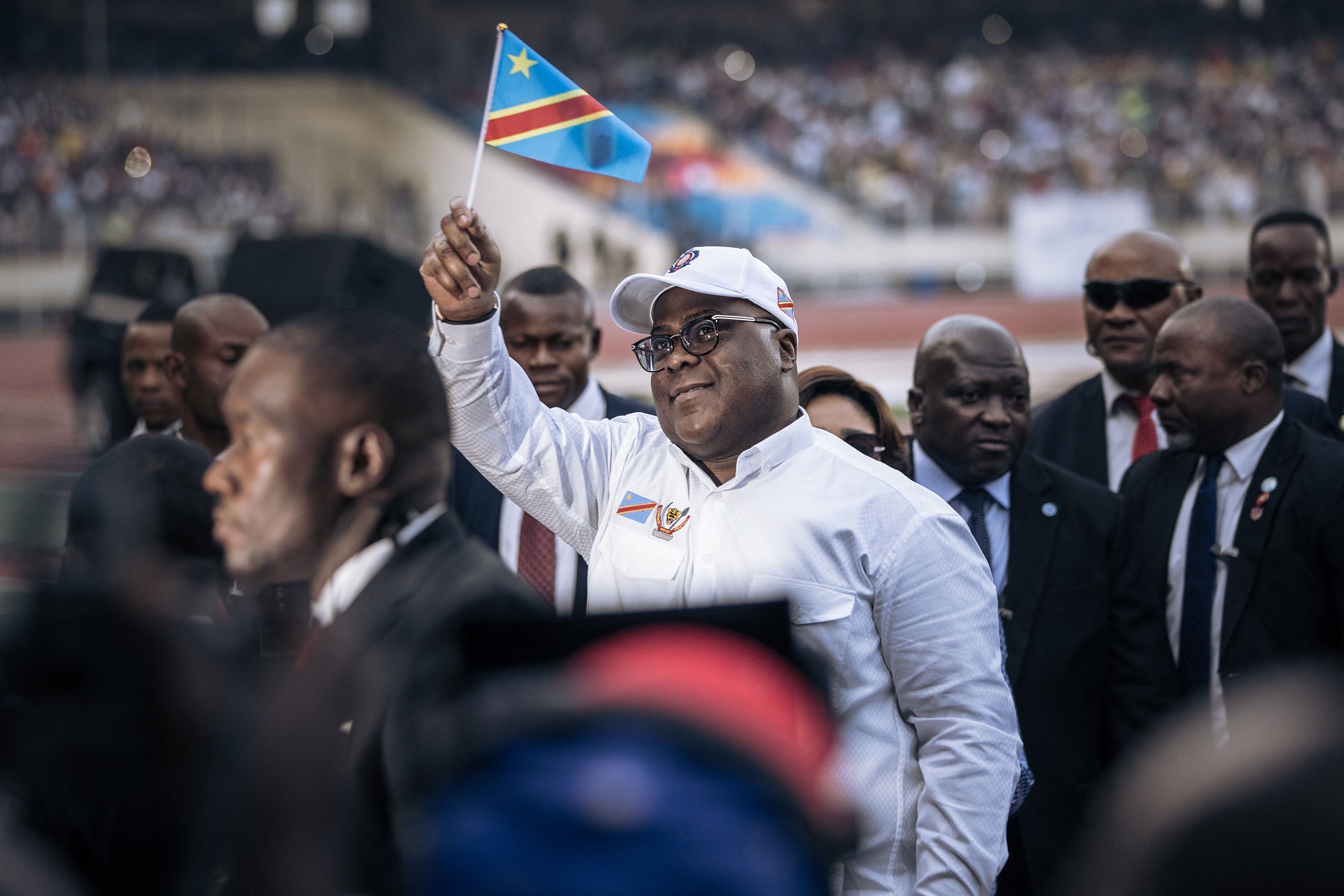 Felix Tshisekedi. Photographer: Alexis Huguet/AFP/Getty Images Nigerian President Bola Tinubu has pledged to simplify the nation's fiscal and tax policies, improve the electricity supply and remove impediments to competitiveness. "I will not hesitate to remove any clog hindering our path to making Nigeria a destination of choice for local and foreign investments," he said in a New Year address. A deal signed with Siemens Energy last month will speed up the delivery of projects that will provide reliable electricity to homes and businesses, he added. The price of cocoa jumped by the most in 15 years in 2023, which is bad news for chocolate consumers everywhere. The surge in prices is likely to hit shoppers hard this year as chocolate makers run out of supplies purchased at lower levels and take account of the rally. Relentless rain last year curtailed cocoa harvests in West Africa and promoted the spread of a pod-withering disease. Ivory Coast and Ghana are the world's two biggest cocoa biggest producers. 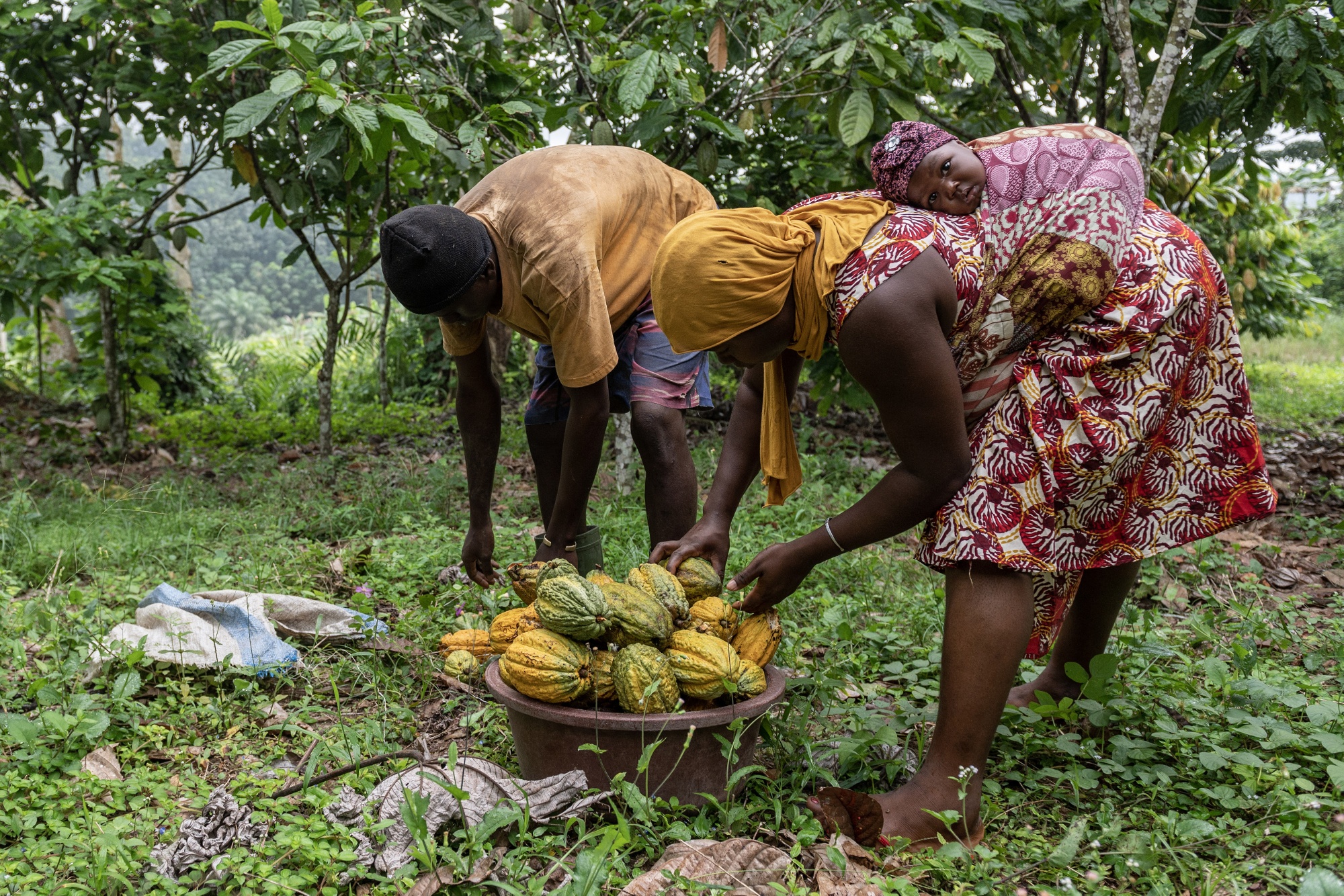 Workers collect cocoa pods cut from trees on a farm in Azaguie, Ivory Coast. Photographer: Andrew Caballero-Reynolds/Bloomberg Mauritania's economic growth rate is expected to almost triple in 2025 fueled by gas exports set to start in the second half of this year, according to the International Monetary Fund. Gross domestic product is forecast to expand 5.1% this year and 14.3% in 2025 thanks to mining and gas revenue generated from the Grand Tortue Ahmeyim development, said Felix Fischer, the IMF's head of mission to Mauritania.
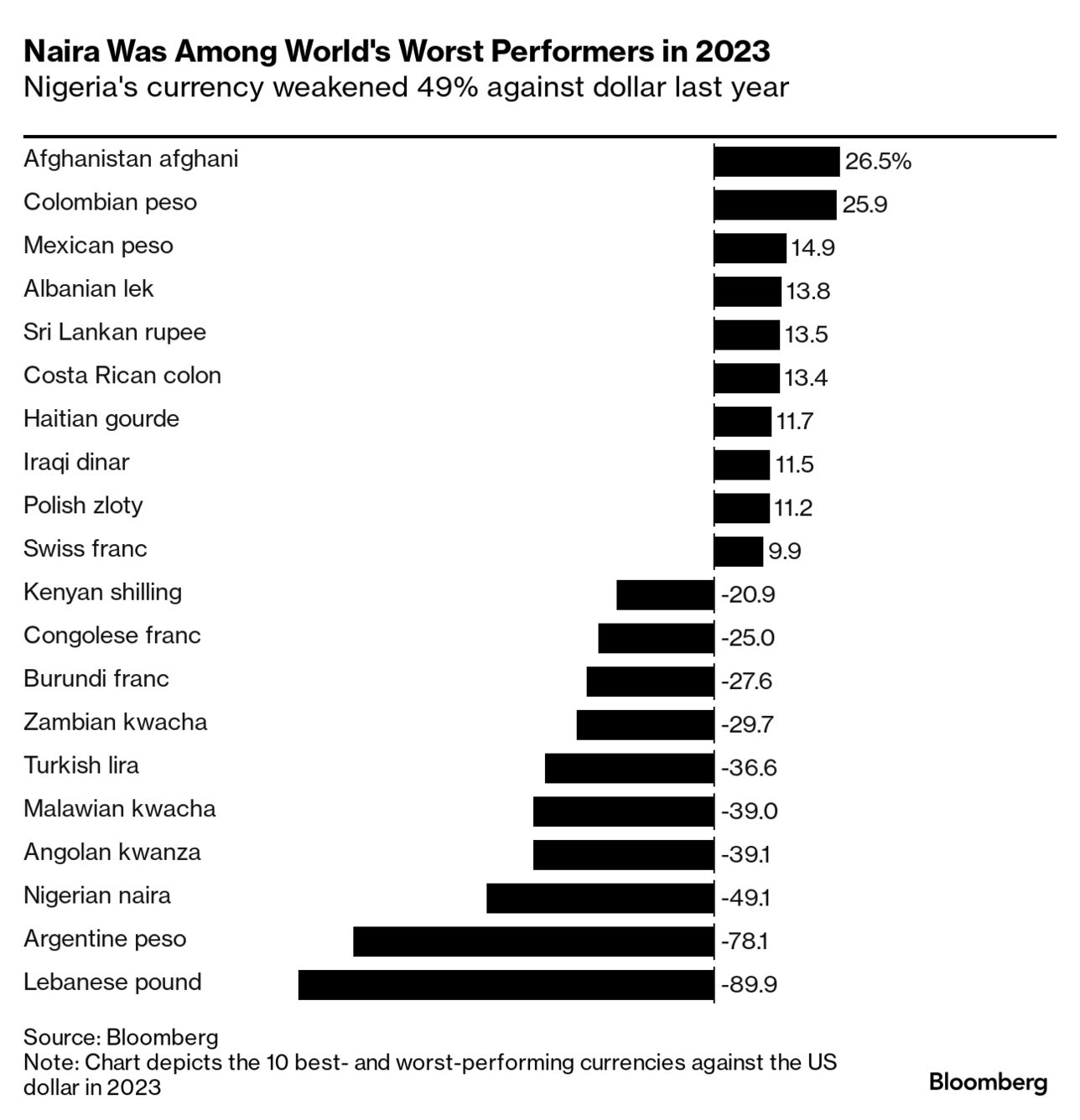
Seychelles' first woman central bank governor, Caroline Abel, will step down from her post when her second six-year term ends in March. An economist, Abel has been with the central bank for almost three decades and spearheaded the introduction of a revised monetary policy framework at the end of 2018. Her deputies include Brian Commettant and Jenifer Sullivan. 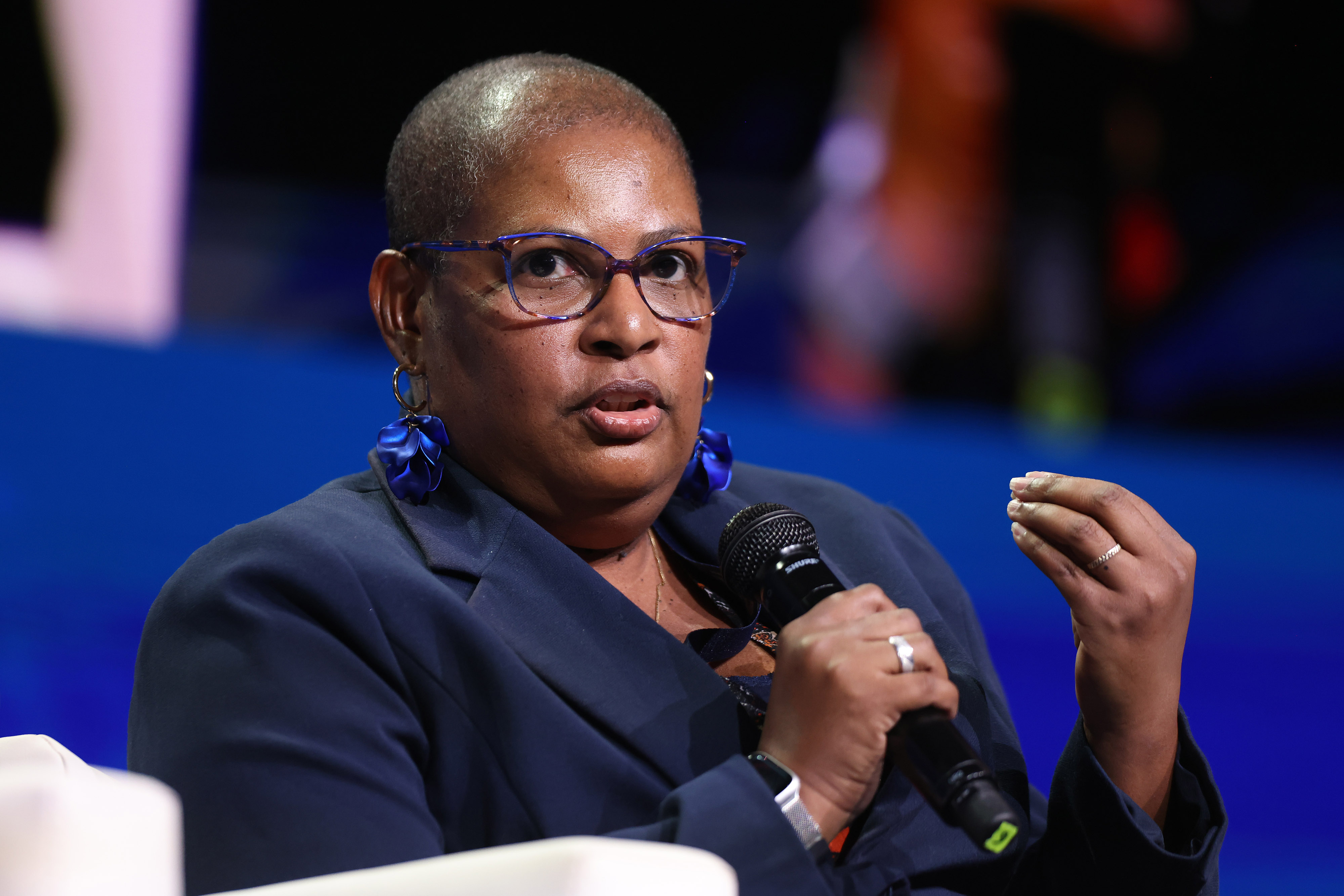 Caroline Abel. Photographer: Hollie Adams/Bloomberg Kenya's economy grew more than expected in the third quarter of last year, underpinned by a rebound in agricultural output after years of drought and a buoyant tourism sector. Gross domestic product expanded 5.9% in the three months through September from a year earlier, compared with a revised 5.5% in the previous quarter, according to the national statistics agency. Meanwhile, the government abandoned a plan to accelerate the buyback of a portion of a $2 billion eurobond that matures in June. Thank you for your responses to our weekly Next Africa Quiz, and congratulations to Altan Ari, who was the first person to name the Democratic Republic of Congo as the country that banned a protest called by opposition parties against what they said was a tainted election. Nigeria's naira plunged 49% against the dollar in the official market last year, making it the world's worst performer among 151 currencies tracked by Bloomberg after the Lebanese pound and the Argentine peso. The drop was the biggest since Nigeria returned to democracy in 1999. The naira may slip even further this year unless Tinubu's government lures international investors or ramps up oil output, according to Vetiva Capital Management. Thanks for reading. We'll be back in your inbox with the next edition on Friday. Send any feedback to mcohen21@bloomberg.net | 







No comments:
Post a Comment