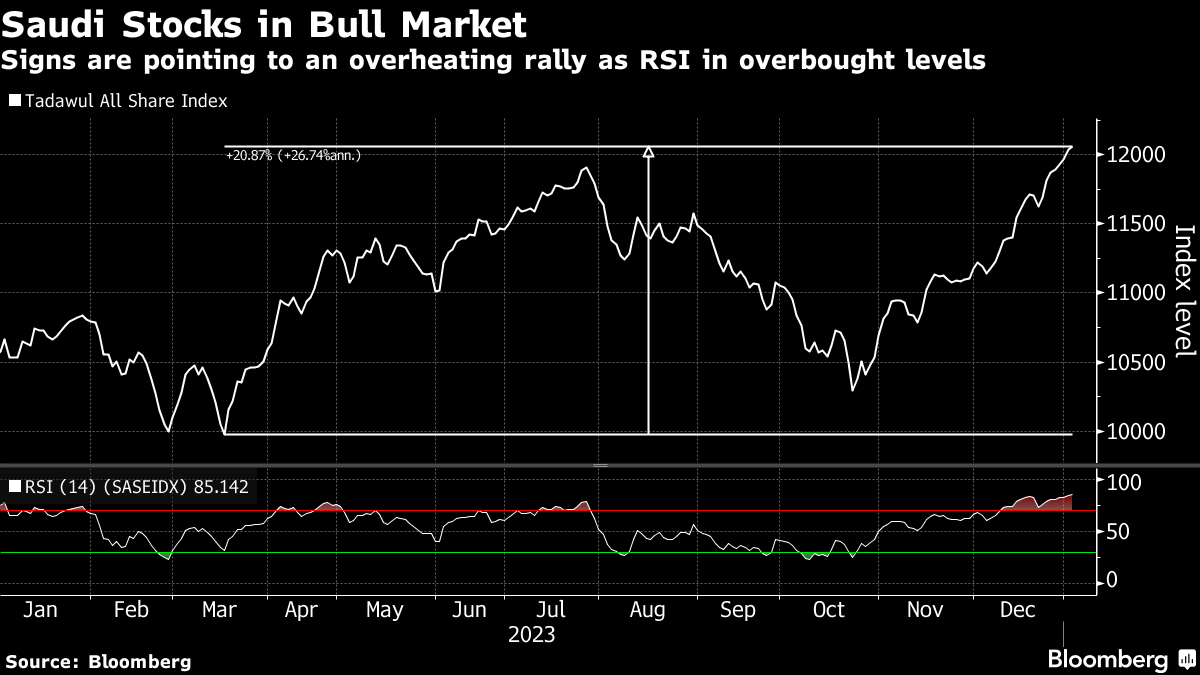
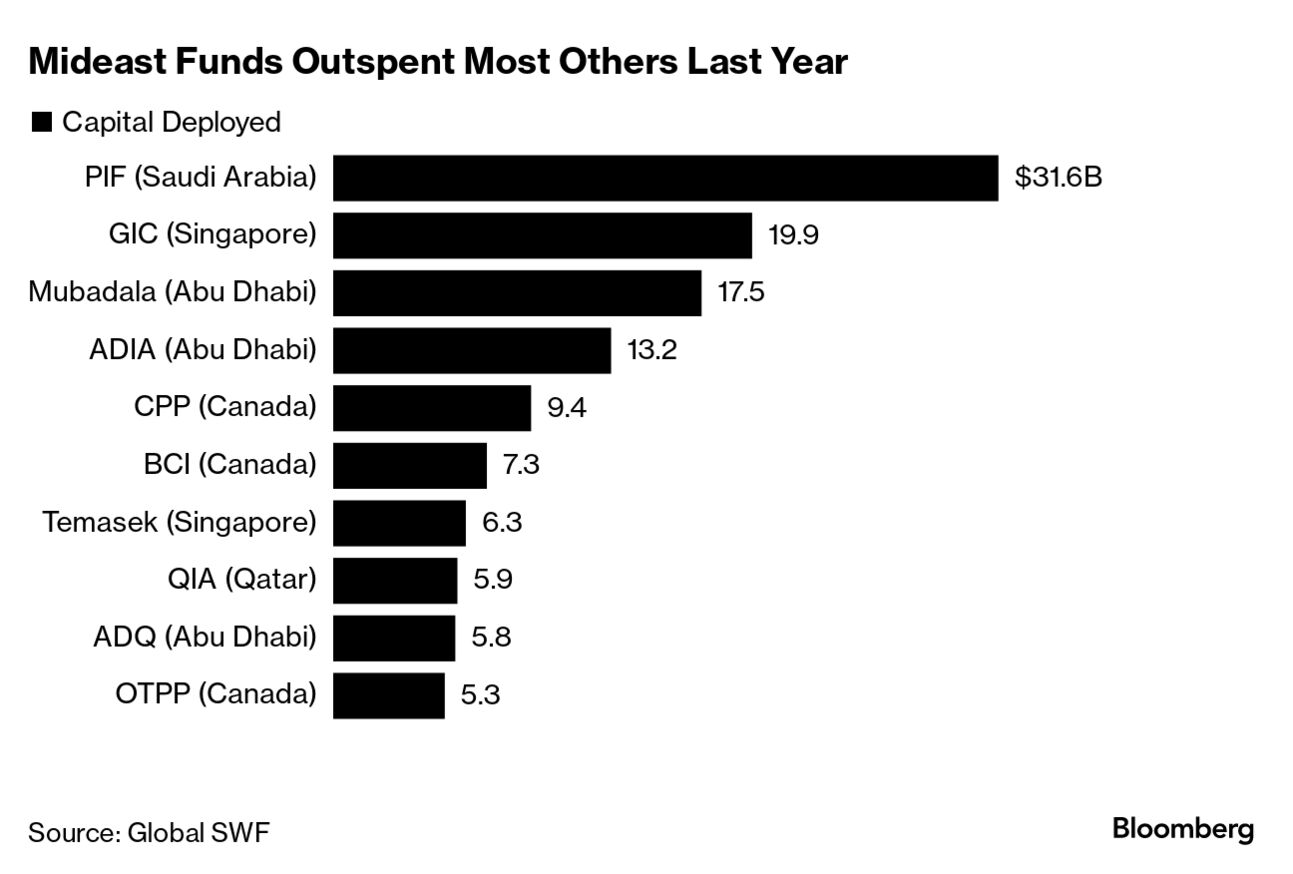
| Iran is raising the stakes in the Red Sea. Tehran's move to dispatch a warship challenges US forces in the key trade route and risks emboldening Houthi militants whose attacks over the last two months forced ships to avoid the waterway. 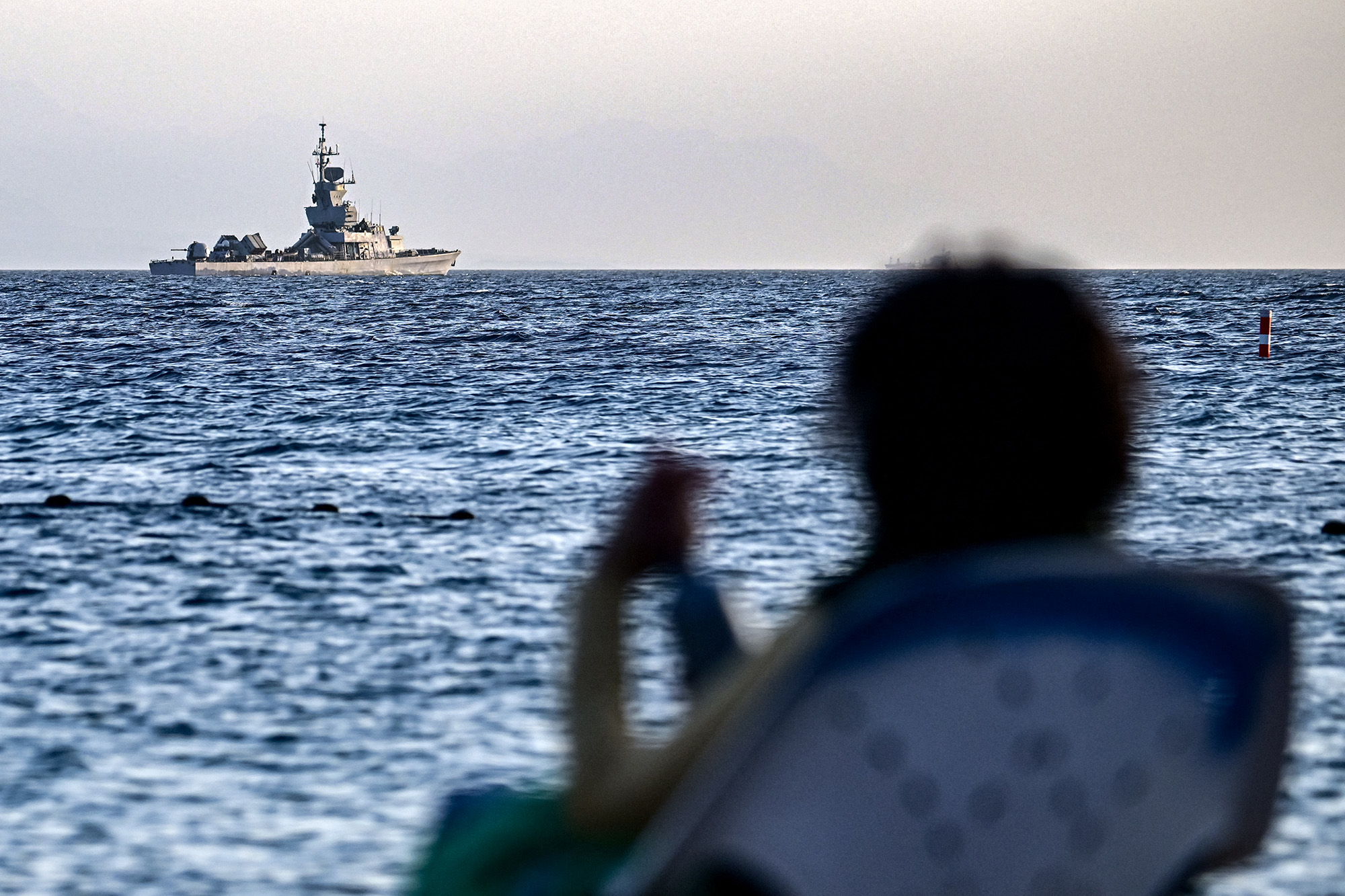 A navy missile boat patrols in the Red Sea on Dec. 26. Photographer: Alberto Pizzoli/AFP/Getty Images Iran is unlikely to want direct confrontation — its aging Alborz frigate being no match for the US-led maritime task force patrolling the waters off Yemen — but it heightens the projection of Iranian power in the region. That's raising tensions after the Houthis started attacking vessels they claimed were linked to Israel in a bid to end the military assault on Gaza. The Houthis "aren't showing a willingness to deescalate, so we're likely to see further targeting of commercial assets and US maritime ships going forward," said Kevjn Lim, a Tel Aviv-based analyst at S&P Global Market Intelligence. Iran has rejected calls from Western powers to pressure the Yemeni militants to end their attacks in the Red Sea, which handles about 12% of the world's commerce. Risks are rising because some of the latest ships targeted by the rebels don't have clear links to Israel, according to Lim. That includes an attack on an AP Moller-Maersk containership, after Denmark said it was joining the task force. Some of the world's biggest shipping firms have responded by completely avoiding the Suez Canal and the Red Sea, instead choosing the longer and, hence, more expensive route around the Cape of Good Hope. It's complicating trade flows between Europe and Asia. Also Read: Red Sea Shipping Chaos, By the Numbers "There is a real risk of escalation here and we've already seen some of that unfold in the last few days," said Dina Esfandiary, a London-based senior adviser for the Middle East at the International Crisis Group, referring to the death of 10 Houthi fighters in an exchange with the US Navy Sunday. Saudi stocks stalled on rising Red Sea tensions after closing Monday's session in a bull market. Technicals, too, hint the Saudi stock rally is overheating. The Tadawul All Share Index's 14-day relative strength index is now trading well above the 70 level considered to be overbought. Saudi Arabia's bet on e-sports comes with fewer hurdles than golf or soccer. That's because venturing into gaming could mean less focus on the kingdom's human rights record, Adam Minter writes for Bloomberg Opinion. Setback for Netanyahu: Israel's Supreme Court overturned a highly contested law aimed at weakening the justices' own power in a loss to the prime minister's right-wing coalition. Related Coverage Bracing for a slowdown: Dubai's red-hot real estate market may cool in 2024, with some analysts predicting less of a boom as purchasing power hits limits and buyers downsize. 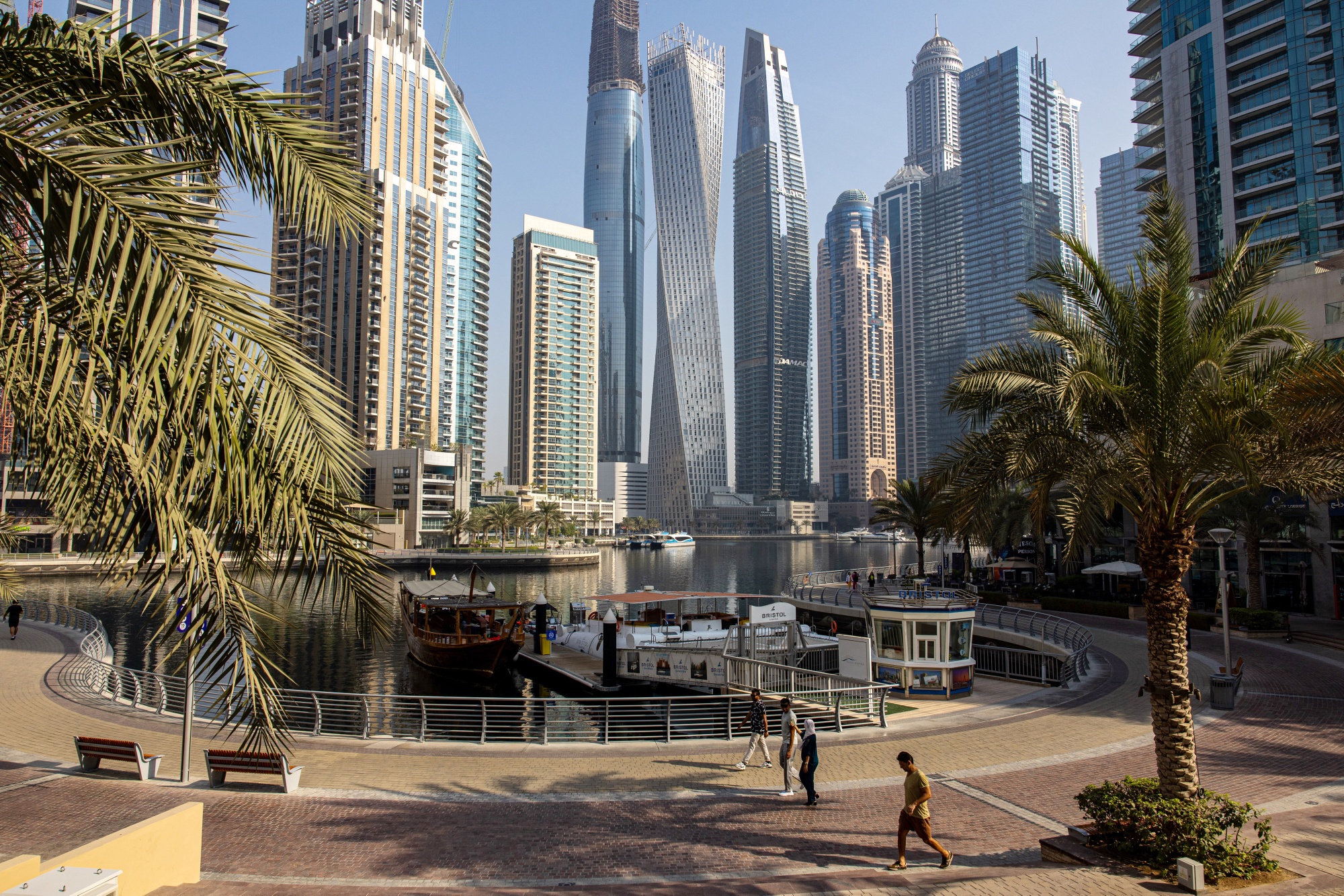 Pedestrians walk along the marina, backdropped by residential and commercial skyscrapers in the Dubai Marina district. Photographer: Christopher Pike/Bloomberg Aramco blacklisted: Norway's largest pension fund divested $15 million from Gulf companies on concerns they may facilitate human rights violations. KLP, which oversees $70 billion, also decided to exclude the Saudi oil giant from its investment universe citing climate risks. Joint production: Turkey has asked the US for permission to co-produce GE Aerospace engines used in F-16 jets, to deploy them for its own domestically produced fighter plane. Secretive program: A Turkish stealth drone with a Ukrainian engine completed its debut flight, expanding Turkey's arsenal of unmanned aircraft. 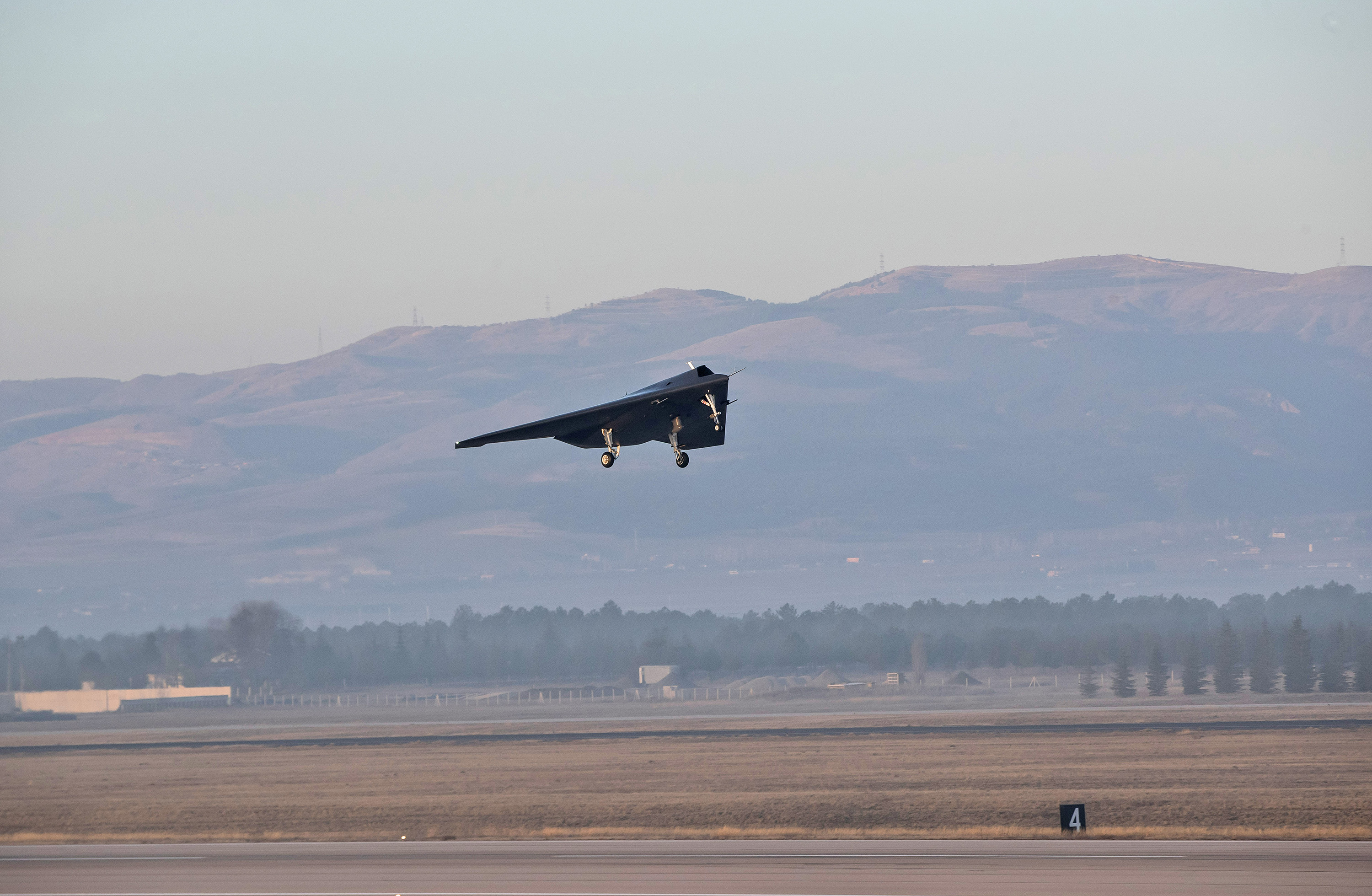 The ANKA-3 stealth drone on its first flight in Ankara, Turkey, on Dec. 28. Photographer: Turkish Aerospace Industries/Anadolu/Getty Images Balancing act: Turkey will raise the minimum wage by 49% in 2024, close to a level several Wall Street lenders have warned would complicate the central bank's efforts to curb inflation. Jeopardizing ties: Two Turkish soccer clubs canceled a match in Riyadh after what they said was an official Saudi Arabian intervention to prevent players from wearing T-shirts bearing the picture of modern Turkey's secular founder Mustafa Kemal Ataturk. Saudi Arabia's sovereign wealth fund stepped up dealmaking last year even as global peers retreated, in the latest sign of the oil-rich kingdom's new approach to taking on more risk. Last year, the Riyadh-based Public Investment Fund spent $31.6 billion, up from around $20 billion a year earlier, making it the most active sovereign fund in the world for the first time, according to data from Global SWF. Overall, state-owned investors were less active in 2023 due in part to volatile markets and rising rates. Total spending by sovereign funds fell by about a fifth to $124.7 billion, with Singapore's GIC and Temasek both cutting investment activity by around half. That didn't deter PIF, as the kingdom's wealth fund is known. The entity has become a key part of Crown Prince Mohammed bin Salman's ambitions to transform the kingdom's oil-dependent economy and use its wealth to project power internationally. The crown prince, known as MBS, is also the fund's chairman. He wants the entity to become the world's largest sovereign wealth fund, with $2 trillion of assets by 2030, up from around $700 billion. Hitting that goal will require PIF to keep spending aggressively. And MBS is prepared to take huge bets to fulfill his ambitions. The key question for the PIF will be how it continues to fund that growth. The government is projecting a deficit for the next few years, so unlike funds in neighbors like Abu Dhabi and Qatar, the PIF won't get topped up with excess oil revenues. While the PIF will likely continue to get other asset transfers from the government, it is also expected to increase its borrowing either directly or through its subsidiaries. Also Read: Saudi Is the New China for Investors Hunting Down Growth That this coincides with a newfound risk appetite, in stark contrast to previous decades when the Saudis typically invested proceeds from oil sales in safe, low-yielding assets, will further increase the gamble Saudi Arabia is making in transitioning its economy. If it works, the returns could be huge. If it doesn't, Saudi Arabia's fortunes could become even more tied to the oil price than ever as it seeks ways to fund its gigantic investment ambitions. | 







No comments:
Post a Comment