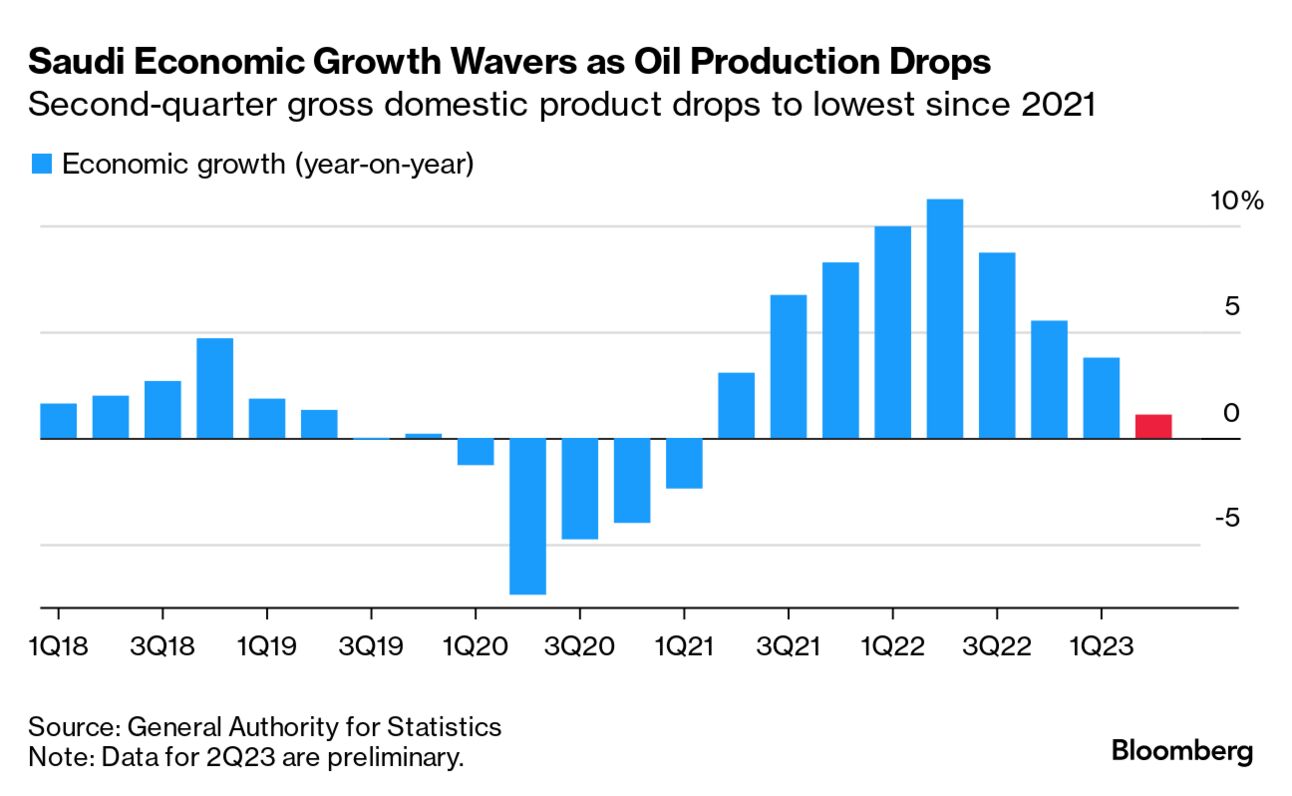
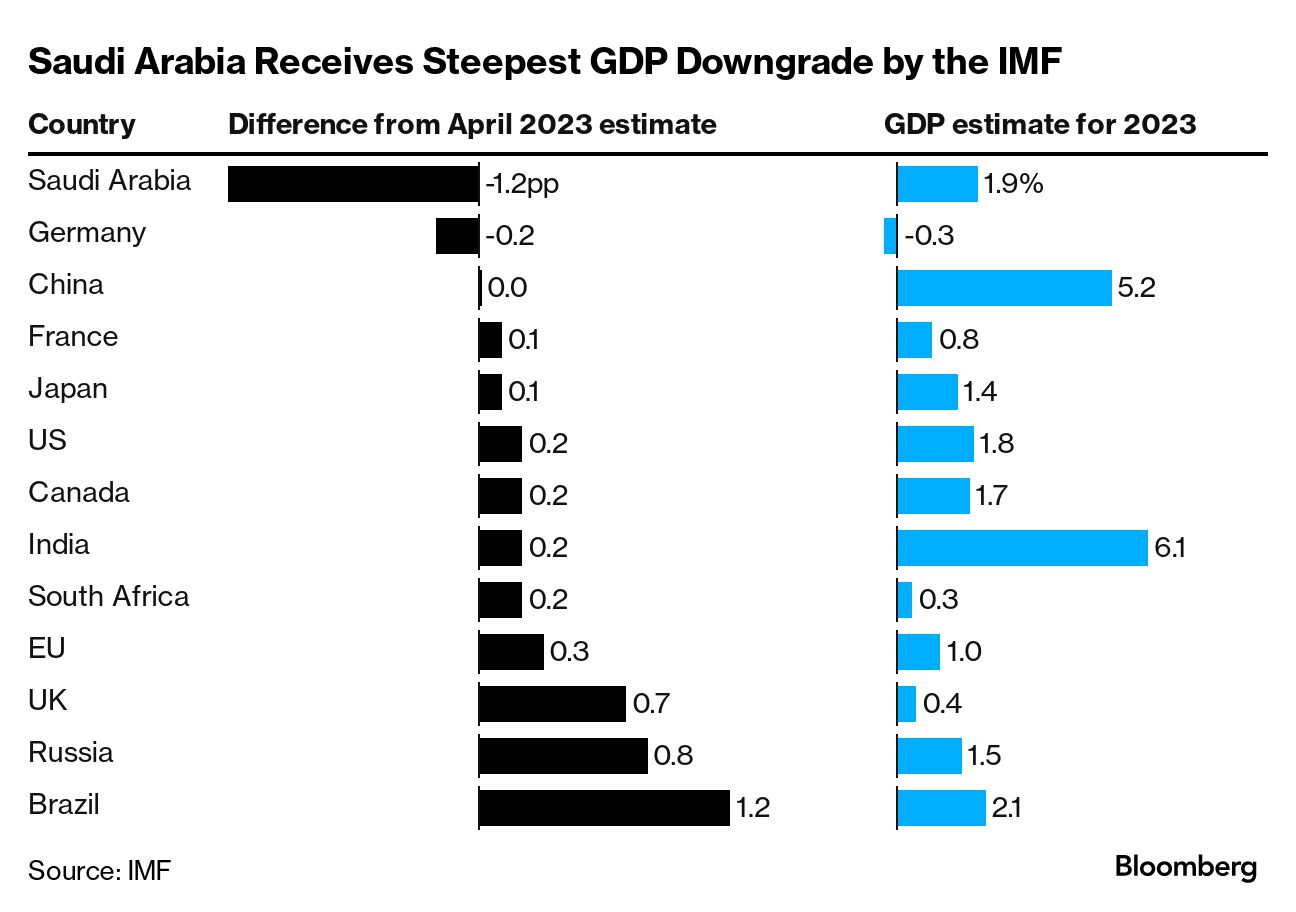
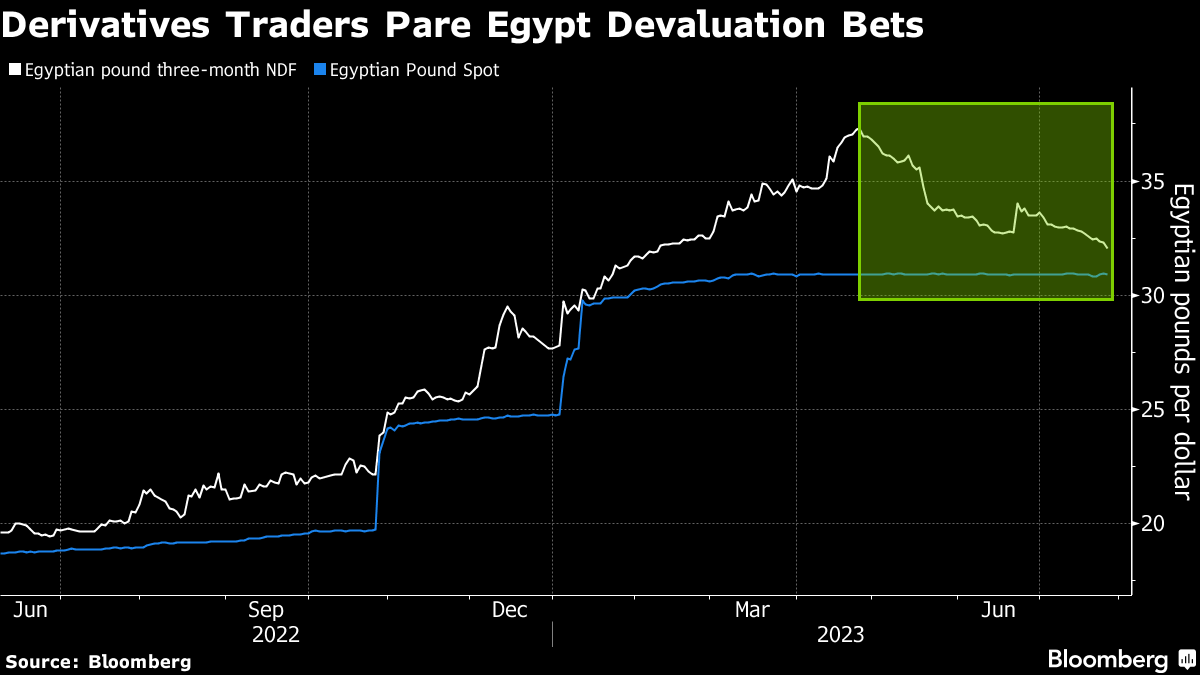
| Fresh from becoming one of the world's most important investors in sports and tourism, Saudi Arabia is now turning its vast piles of cash to the less glamorous, but no less significant, world of metals. The kingdom has outlined a typically ambitious plan to invest billions in global mining operations as a way to position itself as a hub for the processing and trade in minerals vital for the energy transition. Last week, it made its first foray in this strategy with a $2.6 billion deal to take a stake in Vale's base metals business.  Workers in front of a wall containing minerals and metals in a Vale mine in Canada. Photographer: Cole Burston/Bloomberg Saudi Arabia says it has more than $1 trillion of mineral resources, including copper, zinc, phosphates, uranium and gold. Crown Prince Mohammed bin Salman, eager to diversify the kingdom's oil-dependent economy, wants to exploit these reserves — but progress domestically has been slow and most of the domestic mining projects are at early stages. In order to fill the gap between its ambitions and its domestic production, Saudi Arabia has established a new vehicle controlled by its giant sovereign wealth fund and national mining company, known as Maaden, to buy up resources globally and ship to the kingdom for processing. For the global mining industry, under pressure to find alternatives to Chinese buyers and sources of funding, Saudi Arabia is emerging as a new contender. And as the question of who controls the commodities needed to decarbonize the world's economies increasingly rises to the top of the agenda for the policymakers in the US and its allies, Prince Mohammed thinks he has the answer. Saudi Arabia's growth slumped in the second quarter to 1.1% as a drop in oil prices and the government's decision to cut production push the country from being among the fastest-expanding major economies to one of the slowest. The non-oil sector — where most Saudis are employed and in which government is investing tens of billions of dollars — was more buoyant, growing 5.5% between April and June. The data came days after the kingdom got the largest downgrade among major economies from the International Monetary Fund. Related Coverage In this age of climate crisis, the world is consuming more crude than ever. And ironically, gasoline, the fuel that's first to suffer from the rise of electric vehicles, is playing a leading role boosting demand, Javier Blas writes for Bloomberg Opinion. Hafize Gaye Erkan's balancing act: Turkey's new central bank governor delivered a sobering assessment on inflation but pledged to stick with a "gradual" cycle of monetary tightening despite more than doubling the forecast for price gains to 58%. Meanwhile President Recep Tayyip Erdogan continued to revamp his economic team by installing three new central bankers that include a former adviser at the Federal Reserve Bank of New York. Also Read Seeking dollars: Egypt's biggest state-owned lenders are dangling higher returns on dollar-denominated certificates of deposit, in the latest push to tackle the country's worst foreign currency crisis in years. Meanwhile, the Arab Monetary Fund is extending a $616 million loan to Egypt to help improve the efficiency of its financial and banking sectors. The impossible job: Lebanon's central bank first vice-governor said he will take on the top job on an interim basis as Riad Salameh ends his tenure amid a string of money-laundering allegations. Also Read — Wanted: Central Bank Chief to Bring Lebanon Back From the Brink EU membership: Turkey says it wants to kick-start talks about joining the European Union, as the government seeks to attract more investment following President Erdogan's re-election. BRICS membership: India and Brazil are pushing back against a Chinese bid to rapidly expand the BRICS group of emerging markets to grow its political clout and counter the US. Saudi Arabia and Indonesia are among the potential new members. Russia not invited: Saudi Arabia will seek to boost efforts by Ukraine and its allies to win support from the so-called global south by hosting talks in Jeddah next weekend. Ban on burnings?: Denmark will investigate if it can find legal grounds to block public burnings of the Koran as the Nordic country tries to defuse escalating tensions with Muslim nations. Political polarization: The lack of agreement in Israel on the government's controversial judicial overhaul threatens to exacerbate tensions and hurt economic growth, said S&P Global Ratings. Also Read: Israelis Protesting Reforms Say Netanyahu Has Declared 'War on Women' Tougher climate targets: UAE oil giant Adnoc is setting itself more ambitious emissions-reduction targets as the country prepares to host the COP28 climate summit later this year. $21 billion surplus: Kuwait ended nine straight years of budget deficits as a boom in oil revenue and more controlled spending boosted one of the Middle East's biggest crude producers. $1 billion quest: Qatar's sovereign wealth fund is in early discussions to purchase a minority stake in Indian billionaire Mukesh Ambani's rapidly expanding retail unit. "Solid" IPO pipeline: Citigroup has received a number of requests for proposals for offerings as the Middle East continues its run as a hot spot for share sales. - Turkey July manufacturing PMI: Aug. 1
- Egypt rate decision: Aug. 3
- Turkey July inflation: Aug. 3
- Saudi Arabia, UAE, Egypt PMIs: Aug. 3
Tensions between Gulf states and Israel are rising three years after historic peace deals, slowing down hoped-for investments and setting back US efforts to further integrate the region by including main power Saudi Arabia. The United Arab Emirates has expressed frustration in high-level contacts with Israel about the outcome of the 2020 Abraham Accords negotiated under the US presidency of Donald Trump, while Bahrain has outlined its disappointment, according to people familiar with the matter. That's largely due to concerns over Israel's deteriorating relations with the Palestinians — typified by the recent deadly raid on a refugee camp in the city of Jenin and incendiary comments by some far-right Israeli cabinet members.  Palestinian guards are deployed in the Jenin refugee camp following the Israeli raid. Photographer: Nasser Ishtayeh/SOPA Images/LightRocket/Getty Images The strains are likely to complicate the US's already challenging goal of deepening relations between Israel and Middle Eastern nations, particularly Saudi Arabia. | 







No comments:
Post a Comment