| There's a word that keeps sending shivers down dealmakers' spines: antitrust. The crackdown is coming from many angles. The Department of Justice is signaling greater scrutiny of takeovers. Lina Khan at the Federal Trade Commission has been gearing up for "the Big One" in its fight with Amazon.com Inc. And then there are members of Congress who are urging government agencies to crack those whips. The idea that lawmakers are so eagerly stepping in is putting some bankers, chief executive officers and private equity firms on alert. This year has had one of the worst starts for dealmaking in a decade, with roughly $1 trillion worth of transaction volumes wiped out in 2023 compared with activity for the first half of last year, according to my colleagues at Bloomberg Deals. Trouble from regulators is a big cause. "It makes the potential buyers that much more cautious before entering into transactions," says Frank Aquila of Sullivan & Cromwell, whose law firm is No. 1 on M&A this year, according to Bloomberg data. "It makes sellers wanting much more contractual certainty that the deal will be completed." 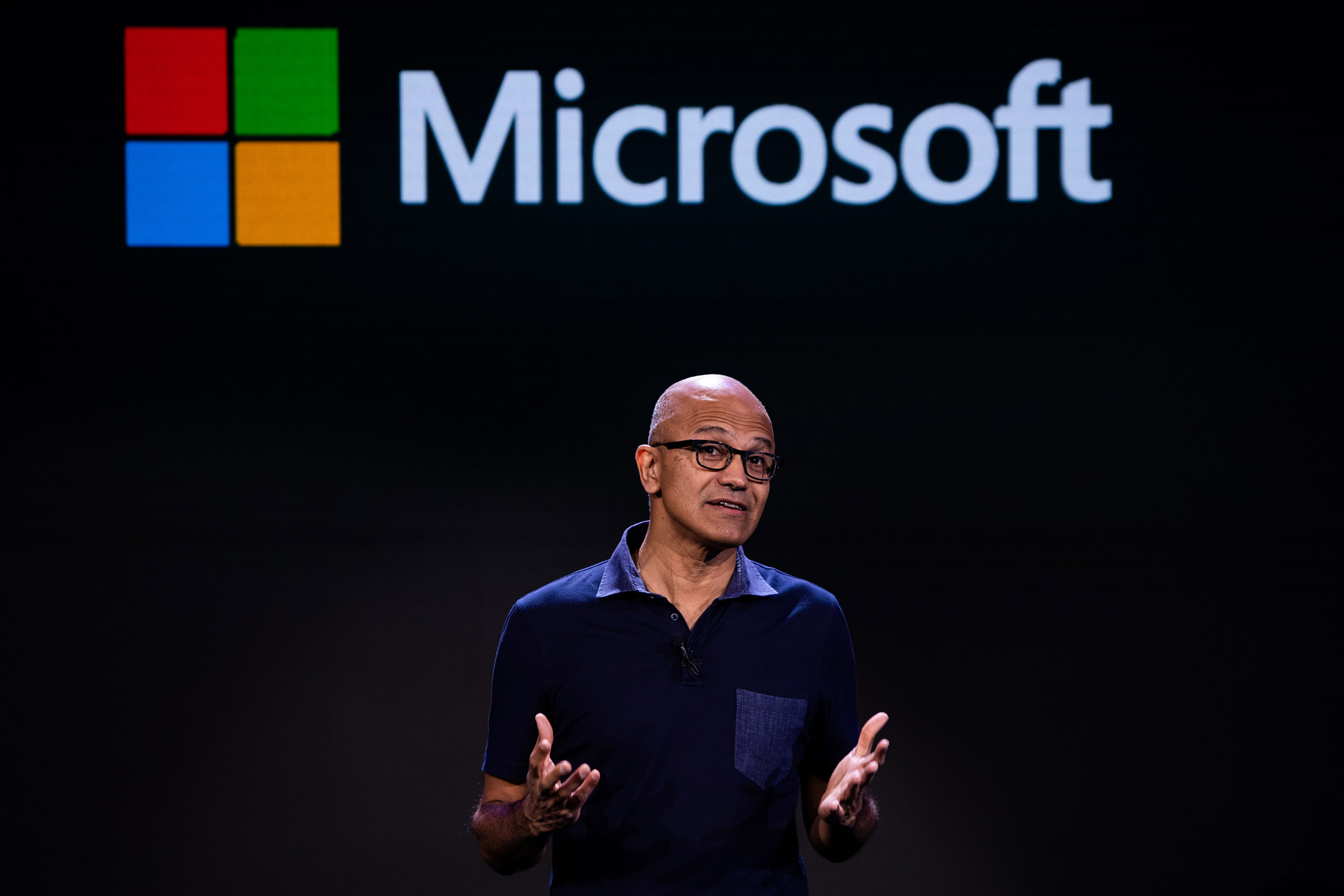 Microsoft CEO Satya Nadella. Photographer: Mark Kauzlarich/Bloomberg The list of transactions facing scrutiny is long: - Microsoft Corp.'s $69 billion planned takeover of Activision Blizzard Inc. is the subject of a five-day hearing in San Francisco over the FTC's attempt to block the deal. Activision's CEO has warned that a pause on the deal will likely kill it.
- The PGA Tour's merger with Saudi-backed LIV Golf faces a hearing on July 11 from a Senate panel investigating the deal.
- Circor International Inc. is pursuing a sale to KKR & Co., which raised its bid after a Circor rival made a competing offer. That firm, Arcline Investment Management, faced scrutiny from a lawmaker on the House Armed Services Committee over consolidation among defense companies—and those concerns helped give KKR the upper hand. Circor decided to recommend the private equity bidder at a lower price because the deal had a better chance of approval.
- Amgen Inc.'s almost $28 billion deal to buy Horizon Therapeutics Plc, which faces an FTC lawsuit, is a case that threatens the business model of Big Pharma—where big, rich drugmakers have often bought smaller, innovative companies to expand and scale. The lawsuit has also upended merger arbitrage traders, who faced their worst months since early 2020 after the Amgen suit was filed in May and have begun to unwind some positions.
- Broadcom Inc. is working with the European Commission, which sent the semiconductor giant a "statement of objections" on its $61 billion announced takeover of VMWare Inc.
- Kroger Co. has vowed a legal fight if its almost $25 billion deal to buy Albertsons Cos. is blocked by regulators.
- Then, of course, there's the Justice Department statement that it plans to expand its review of bank mergers—before more deals have even been announced.
And that's not all. There are at least $190 billion worth of deals in "zombie M&A purgatory," according to analysts at Bloomberg Intelligence. They calculate more than 2,600 transactions that started in 2022 but haven't closed this year, although rising interest rates and choppy markets are also factors. Investment banks have felt the pressure. Citigroup, Goldman Sachs and JPMorgan Chase are among investment banking giants cutting jobs across different levels of seniority. It's a signal that even amid the light flurry of smaller takeovers announced this week, the M&A activity might not come back soon enough to justify the huge workforces that have built up on Wall Street over the past couple of years. The competition among banks is ratcheting up. JPMorgan is beating Goldman in the dealmaking league tables for the first half of the year, the first time we've seen Goldman slip from the top in five years. One reason for the change, according to industry watchers, is the lack of megadeals out there right now. Stressful Times All banks undergoing the Federal Reserve stress tests passed this year. In the test scenarios, the banks lost more than $540 billion, mostly tied to potential loan losses that would come from a plunge in the economy. It's worth taking note of where the losses would come from, though: Almost $100 billion came from the biggest Wall Street banks when their trading desks were forced to simulate an "exploratory market shock" for the first time ever. Credit card loans and commercial real estate portfolios—which faced a 40% plunge in prices in the Fed's scenarios—also bore the brunt. Really, it's the regionals that again drew the most concern. It's worth—more than anything—reading this story by my colleagues led by Jenny Surane on just how much pressure the regional banking system is set to face after a twelvefold increase in borrowing costs. Part of this is a surge in borrowing from Federal Home Loan Bank and an increased reliance on brokered deposits. It sets up the pain that is being experienced in bank liabilities, just another problem to add in a system that's faced a run on deposits, with money slowly (and sometimes very quickly) running away from banks. And while regional banks stay stressed, private credit firms and hedge funds are seeing those lenders dump loans at scale. Here are the details under the surface. —Sonali Basak, Bloomberg Television's global finance correspondent | 








No comments:
Post a Comment