The world's largest trial of a four-day workweek has wrapped up, with nearly 3,000 employees in the U.K. taking part in the six-month pilot. Among the findings were better work-life balances, fewer sleep problems, drops in burnout and quitting rates, and even revenues that increased modestly. In fact, of the 61 companies that took part in the trial, 56 are continuing to implement the four-day workweek (18 of which will be permanent), while two firms are extending the trial, and only three are going back to their previous schedules. The program was a major collaboration, spanning nonprofit 4 Day Week Global, the 4 Day Week Campaign in the United Kingdom and the think tank Autonomy.Some history: In the U.S., Henry Ford is largely credited for standardizing the five-day, 40-hour workweek. In 1926, he shortened the then-prevalent six-day work routine - without reducing employee pay - saying we "can get at least as great production and probably greater." Later in the 1930s, President Franklin Delano Roosevelt signed the Fair Labor Standards Act, which was subsequently amended to make the 40-hour workweek a standard (after which overtime pay applies). The years went by, and in a 1956 speech, then VP Richard Nixon forecast a four-day work week would happen in the "not too distant future," but it would take many decades until the topic would start making headlines (California Congressman Mark Takano tried to enshrine it in legislation in 2021).Over on Wall Street, market participants are also weighing the latest findings and considering whether a four-session trading week would work for the financial markets. This weekend's Wall Street Breakfast podcast noted that the trading day could be extended to 6 PM ET, which could benefit those on the West Coast who see the regular market day close around lunchtime. Pre-market and after-hours sessions already take place on electronic communication networks, but a move towards amending the 9:30 AM to 4 PM schedule of the New York Stock Exchange (NYSE:ICE) and Nasdaq (NASDAQ:NDAQ) could lead to greater visibility, increased volumes and liquidity, while reducing volatility and risk.Why not 24/7? Crypto trades around the clock, and futures almost do as well. But when it comes to the U.S. stock market, many feel that better price discovery happens when most Americans are awake. For many market makers, exchanges, brokers, investment houses and even financial professionals, a shift to 24/7 trading would also make their lives more complicated, and in many ways, they dictate the resources in the current trading environment. Upending traditional practices can also be difficult, as can be seen by calls to shift the securities settlement process to T+1 or real-time settlement. (8 comments)

 | Read in Browser |
 |
| | Top News 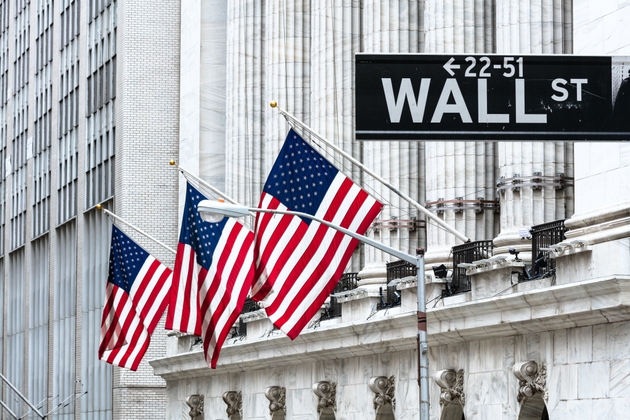 Getty Images The world's largest trial of a four-day workweek has wrapped up, with nearly 3,000 employees in the U.K. taking part in the six-month pilot. Among the findings were better work-life balances, fewer sleep problems, drops in burnout and quitting rates, and even revenues that increased modestly. In fact, of the 61 companies that took part in the trial, 56 are continuing to implement the four-day workweek (18 of which will be permanent), while two firms are extending the trial, and only three are going back to their previous schedules. The program was a major collaboration, spanning nonprofit 4 Day Week Global, the 4 Day Week Campaign in the United Kingdom and the think tank Autonomy.
Some history: In the U.S., Henry Ford is largely credited for standardizing the five-day, 40-hour workweek. In 1926, he shortened the then-prevalent six-day work routine - without reducing employee pay - saying we "can get at least as great production and probably greater." Later in the 1930s, President Franklin Delano Roosevelt signed the Fair Labor Standards Act, which was subsequently amended to make the 40-hour workweek a standard (after which overtime pay applies). The years went by, and in a 1956 speech, then VP Richard Nixon forecast a four-day work week would happen in the "not too distant future," but it would take many decades until the topic would start making headlines (California Congressman Mark Takano tried to enshrine it in legislation in 2021).
Over on Wall Street, market participants are also weighing the latest findings and considering whether a four-session trading week would work for the financial markets. This weekend's Wall Street Breakfast podcast noted that the trading day could be extended to 6 PM ET, which could benefit those on the West Coast who see the regular market day close around lunchtime. Pre-market and after-hours sessions already take place on electronic communication networks, but a move towards amending the 9:30 AM to 4 PM schedule of the New York Stock Exchange (NYSE:ICE) and Nasdaq (NASDAQ:NDAQ) could lead to greater visibility, increased volumes and liquidity, while reducing volatility and risk.
Why not 24/7? Crypto trades around the clock, and futures almost do as well. But when it comes to the U.S. stock market, many feel that better price discovery happens when most Americans are awake. For many market makers, exchanges, brokers, investment houses and even financial professionals, a shift to 24/7 trading would also make their lives more complicated, and in many ways, they dictate the resources in the current trading environment. Upending traditional practices can also be difficult, as can be seen by calls to shift the securities settlement process to T+1 or real-time settlement. (8 comments)
| | Featured  "In the current market climate, I've got to stay informed. So a Seeking Alpha subscription is mandatory for me." - Premium member In a market this volatile, there are opportunities out there - if you know where to look. Seeking Alpha Premium helps you invest with confidence. It informs your decision-making with analysis of just about every stock and ETF, not only the trending tickers. You can see which stocks other investors like - and which they don't - and why. Plus you'll get expert analysis on the investments you care about most. Don't miss this chance to join our active investor community. Take your investing to the next level today! Go Premium nowPast performance is no guarantee of future results. Seeking Alpha does not offer personalized investment advice. | | | | | Trending While many are still debating Berkshire Hathaway's ( BRK.A, BRK.B) operating earnings from 2022, one thing is clear: The Oracle from Omaha is sitting on a record amount of cash. The investment giant led by Warren Buffett held $128.7B of cash and short-term securities at the end of Q4 versus $109B on Sept. 30 (that's even with the company acquiring Alleghany Corp. in the last quarter of 2022). Buffett also had something to say to those critical of stock buybacks: "When you are told that all repurchases are harmful to shareholders or to the country, or particularly beneficial to CEOs, you are listening to either an economic illiterate or a silver-tongued demagogue," he wrote in his annual letter to shareholders, while attributing his investment success to 'a dozen truly good decisions.' ( 99 comments) | | Trade A post-Brexit trade settlement for Northern Ireland may be within reach as British Prime Minister Rishi Sunak and EU leader Ursula von der Leyen hold talks today in London. At issue is the Northern Ireland Protocol, which has been in place since 2020, but separates portions of the United Kingdom by creating a border in the Irish Sea between mainland Britain and Northern Ireland. A deal could aid trade tensions by easing the physical checks on goods demanded by the EU as per the original agreement. It may also restore a sense of sovereignty to the people of Northern Ireland by giving the province a say over the implementation of EU rules, but could face significant challenges, especially given the stance of the pro-British Democratic Unionist Party. | | Healthcare Pfizer ( PFE) is said to be in negotiations to acquire cancer-focused biotech Seagen ( SGEN) after talks fell apart with Merck ( MRK) in a deal that would have been worth around $40B. However, the discussions are at an early stage, and a number of hurdles would need to be overcome, including the potential for a stringent antitrust review of any proposal. A transaction would help Pfizer make up for its list of patent expirations that are set to expire at the end of the decade and boost its portfolio after making a fortune from vaccines during the pandemic. Overnight, the U.S. Energy Department embraced China's lab leak theory as the origin of COVID-19. ( 23 comments) | | Today's Markets In Asia, Japan -0.1%. Hong Kong -0.3%. China -0.3%. India -0.3%.
In Europe, at midday, London +0.8%. Paris +1.6%. Frankfurt +1.5%.
Futures at 6:30, Dow +0.5%. S&P +0.5%. Nasdaq +0.6%. Crude -0.3% to $76.13. Gold +0.1% to $1818.10. Bitcoin +0.9% to $23,434.
Ten-year Treasury Yield unchanged at 3.96%
Today's Economic Calendar | | | | | Seeking Alpha's Wall Street Breakfast Podcast Seeking Alpha's Wall Street Breakfast podcast brings you all the news you need to know for your market day. Released by 8:00 AM ET each morning, it is a quick listen that you can put on as you get ready to start your working day. | | | | |




No comments:
Post a Comment