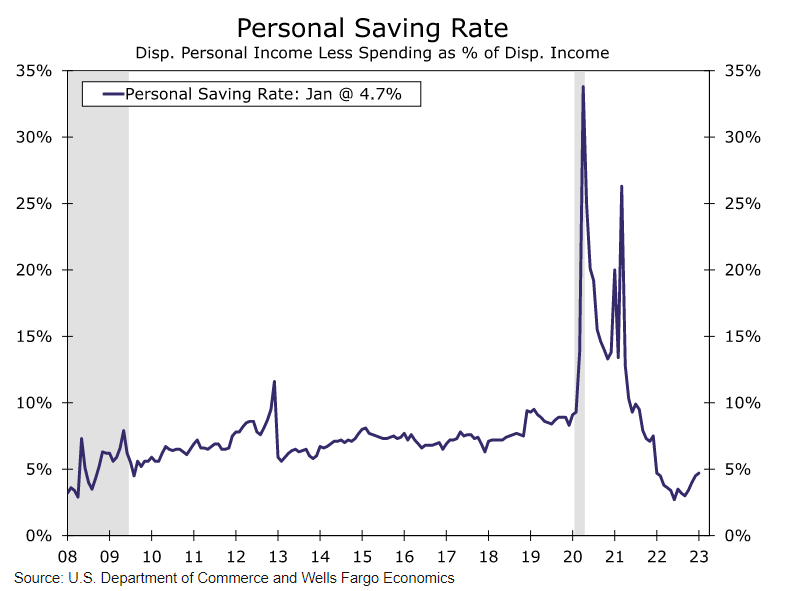
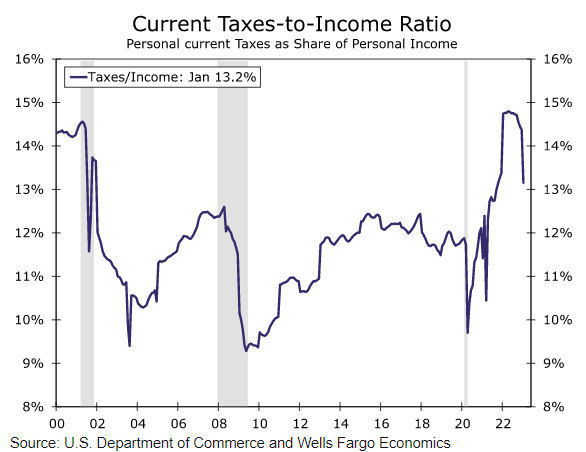
| Hello. Today we look at America's savings rate, China's stretched provincial budgets and how the pandemic impacted supplier relationships across the global economy. Embedded in the January report on income and spending was a little-noticed sign of a major fiscal turnabout for the US government. Oddly, the personal savings rate rose last month even though spending outpaced income growth. The key here was that the Bureau of Economic Analysis (BEA) was penciling in a lower tax take — boosting disposable incomes, and therefore the savings rate. Recent years' savings rates look quite low, which is understandable given the big transfers of cash that American households received from the federal government. In fact, the data show a lower rate than "all but a handful of times in the past half century," Wells Fargo's Tim Quinlan and Shannon Seery wrote in a note Monday. But some portion of that might have been exaggerated by an unusually large tax take, they wrote. That's thanks in turn to the booming stock market, which helped to swell the Treasury Department's revenues — but translated into workers putting less into savings. "To the extent that more capital gains taxes were paid in 2022 in the wake of 2021's banner year for equity markets, the saving rate last year was pushed lower over the course of the entire year," the Wells Fargo duo wrote. "On that basis, perhaps some of the hand-wringing about a historically low saving rate may have been overdone at least to some extent."
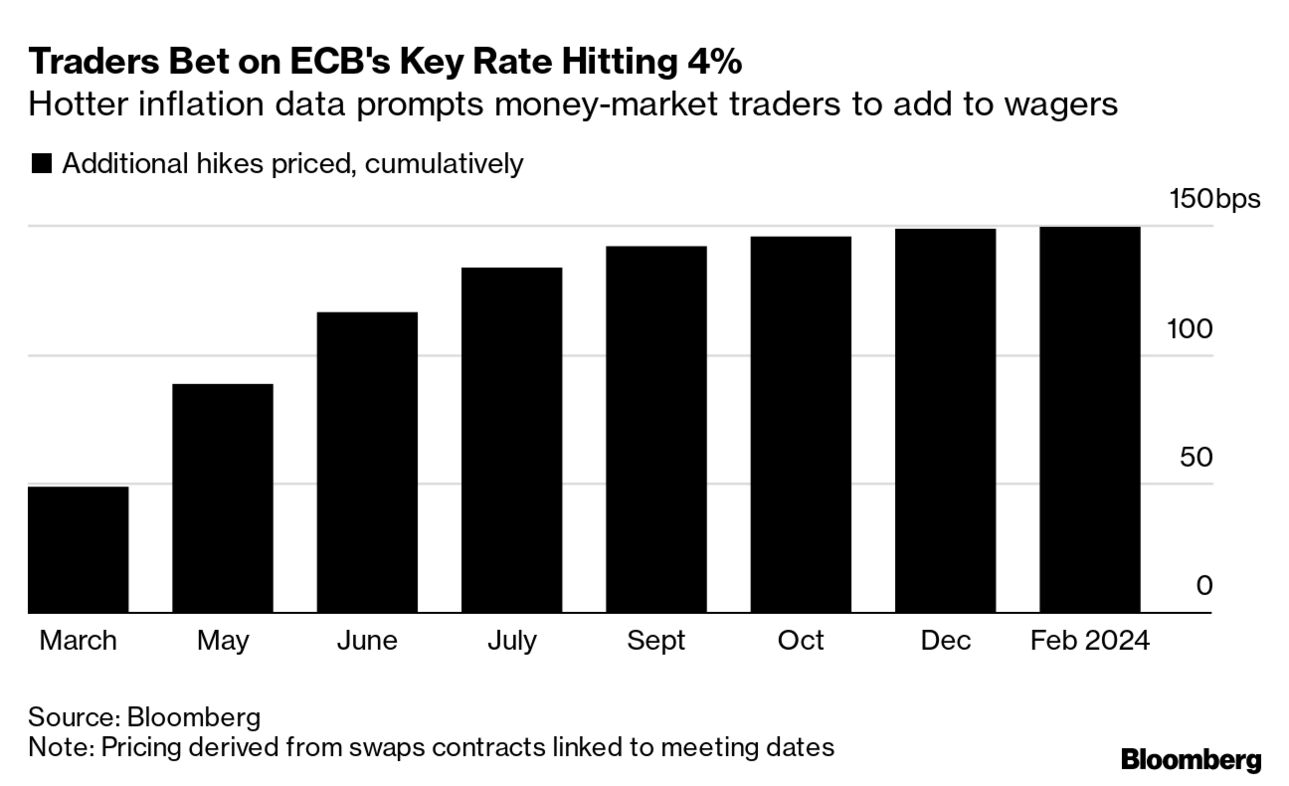
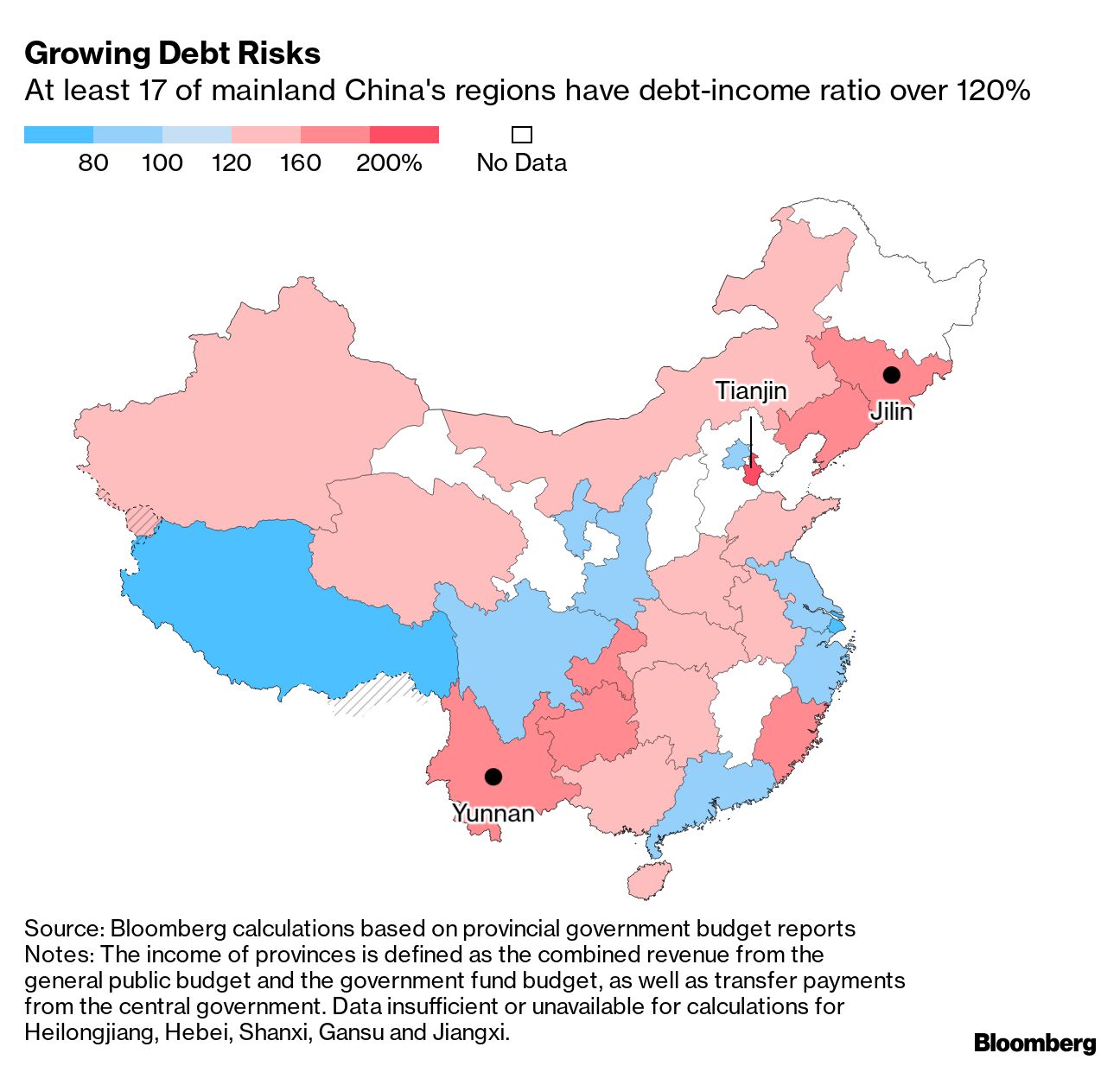
The BEA, which draws upon Treasury data to help compile its estimates, has assumed smaller tax payments for 2023, based on the likelihood not many folks will be reporting giant capital gains for last year, given the big declines in both stocks and bonds. The flip side of that is that the Treasury isn't going to be seeing anything like the bumper year for tax revenue that it got in 2022. And it's a hint that, when the crucial data on federal revenues come in for April — the month federal filings are due — they may come in on the weak side. That would bring the Treasury ever closer to the time when it can't keep using accounting maneuvers to stay within the federal debt limit and still make good on all federal payments. And for now, there are no talks scheduled on resolving a partisan impasse over raising the ceiling — as we explain here with a look at the echoes to a similar standoff in 2011. —Chris Anstey When China's leaders gather in Beijing for the annual parliament next week, one of the biggest economic risks they'll need to tackle is the mounting debt of provinces, Bloomberg News reports. A majority of regional governments — at least 17 out 31 — are facing a serious funding squeeze, with outstanding borrowing exceeding 120% of income in 2022, according to Bloomberg calculations based on available official data. That's the threshold set by the Ministry of Finance to indicate disproportionately high debt risks. While it's unlikely that any regional government will default, the high debt levels may force some to scale back spending and push the central government to spend more. It could also prompt the People's Bank of China to keep interest rates low to keep the repayment burden for provinces under control. - Hot inflation | Investors boosted bets on the peak for European Central Bank interest rates to 4% for the first time after inflation in France and Spain came in unexpectedly hot.
 - Unmasked at last | Hong Kong will stop requiring masks to be worn in public places from Wednesday, drawing to a close the prolonged Covid era that damaged its economy and standing in the world.
- Budget battle | German Defense Minister Boris Pistorius will only get at most half the extra cash he wants in his budget for next year.
- Sanctions angst | Indian buyers of Russian oil, a crucial lifeline for the Kremlin, are struggling under the weight of increasingly onerous demands from financiers wary of breaching Western sanctions.
- Playing politics | The UK government has been accused of "distraction" tactics by claiming that raising public-sector pay would add to inflation.
- Aussie taxes | Australia plans to double the tax rate on large pension balances to boost its revenue. Meantime, a surge in January retail sales will keep pressure on the central bank to keep raising interest rates.
- India slows | This just in: gross domestic product rose less than economists anticipated in the fourth quarter from a year earlier.
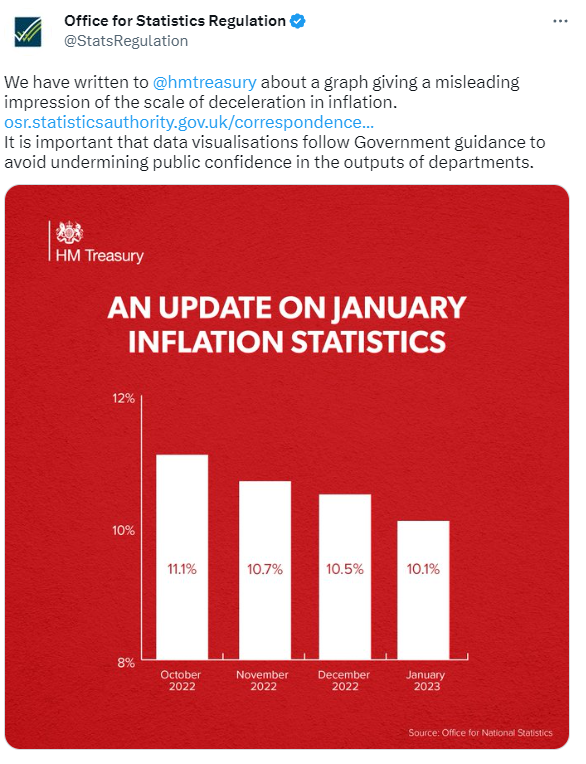
One legacy of the pandemic is a less connected global economy, according to the Bank for International Settlements. 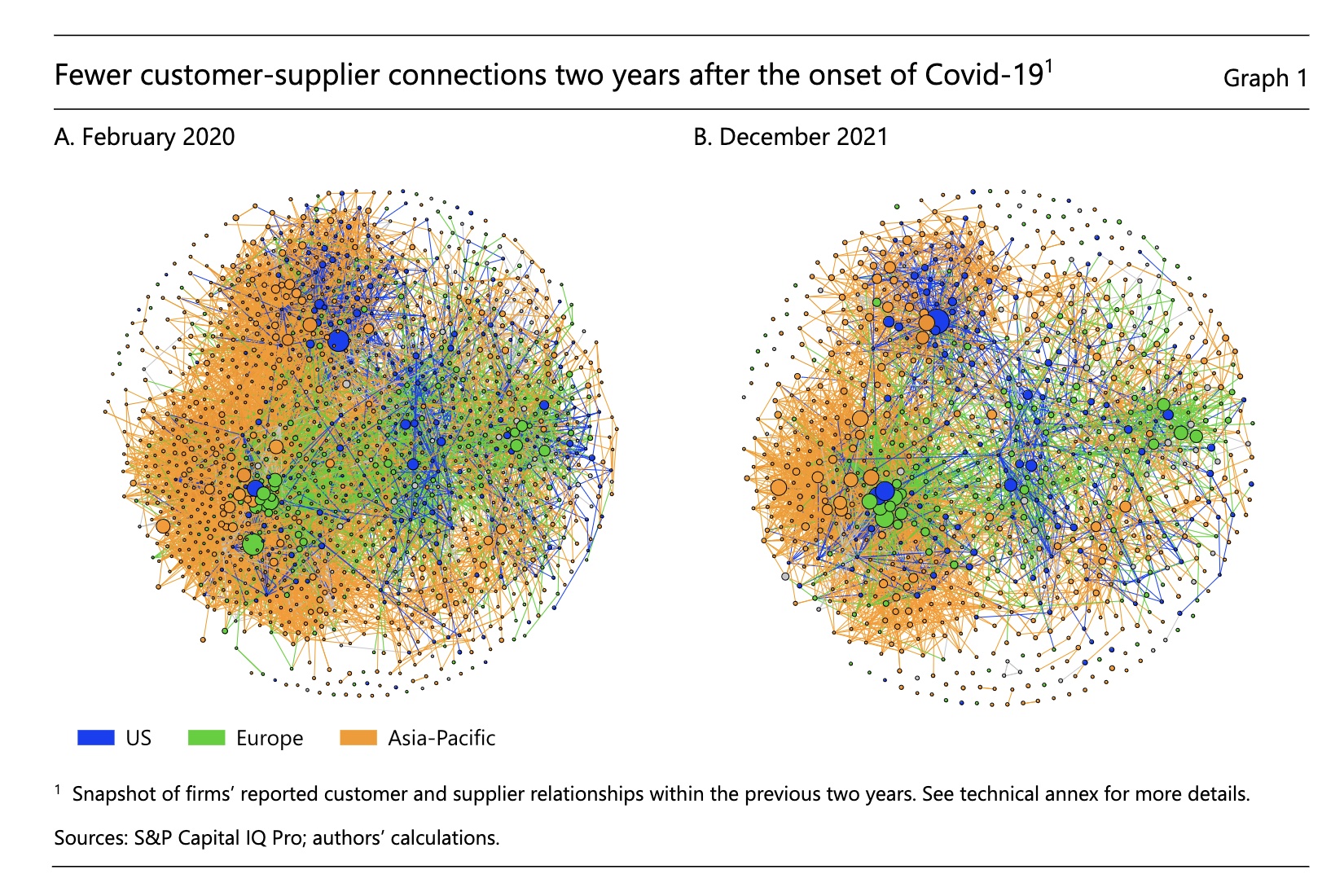 The world became less connected, company level-data of the BIS shows. Bloomberg Cross-border links between companies and suppliers dropped 30%, a study by the Basel-based institution shows. Its researchers used data for some 34,000 firms and 450,000 maritime shipments to show that two years into the Covid-19 emergency, the number of supply-chain relationships had fallen. Cushioning that effect was an increase in shipping volumes from more resilient producers. Here is our story on that, and you can read the study in full here. Memo to the UK Treasury: the statisticians are watching you... Read more reactions on Twitter here | 







No comments:
Post a Comment