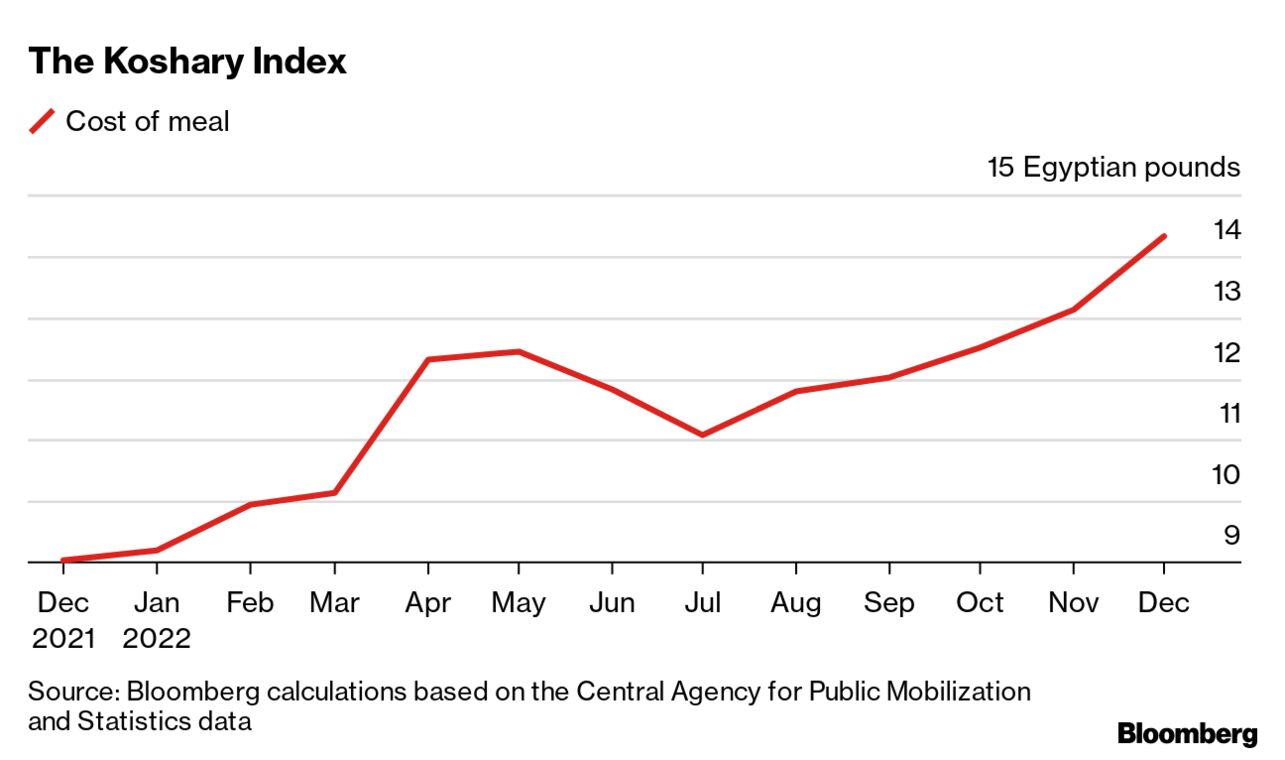
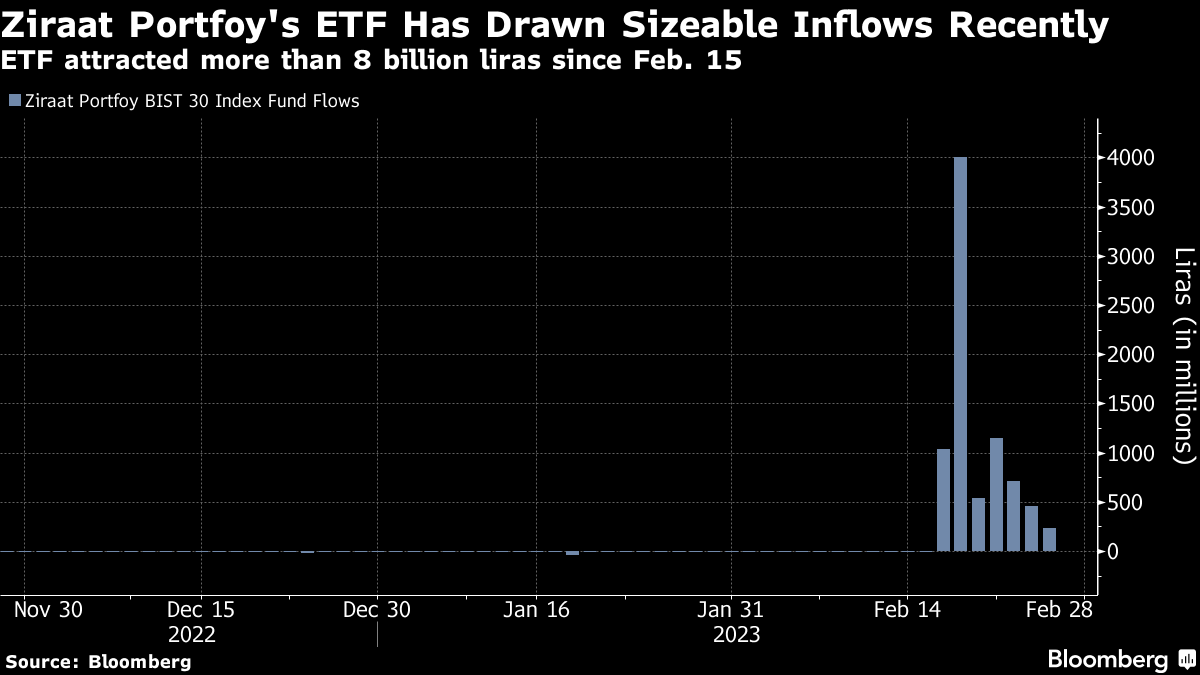
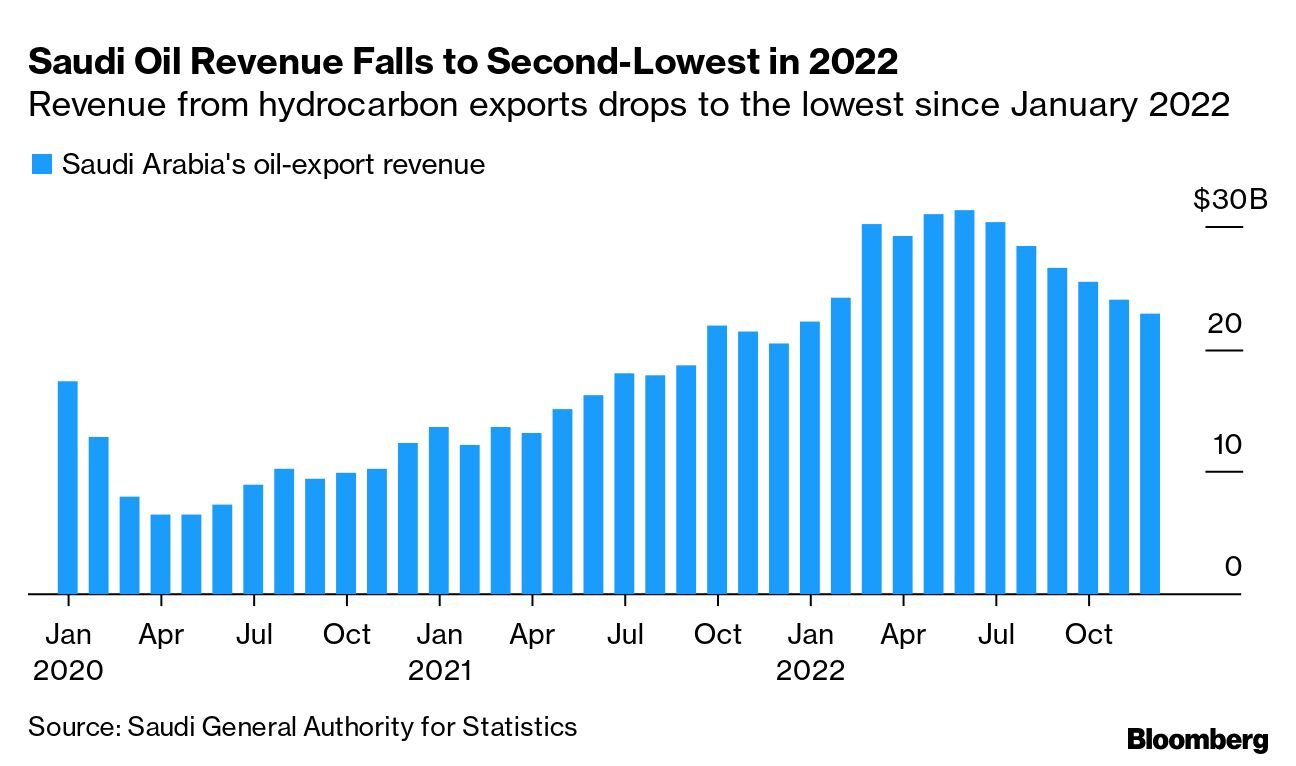
| Iraq is the latest Middle Eastern state to talk about trade in currencies other than the dollar. That'll do little to dent the greenback's dominance in a region with deep financial, energy and political ties with the US, but it's a subtle shift for non-oil trade. Baghdad says it plans to pay for private sector imports from China in yuan in order to inject foreign currency into the financial system and help ease pressure on the dinar. 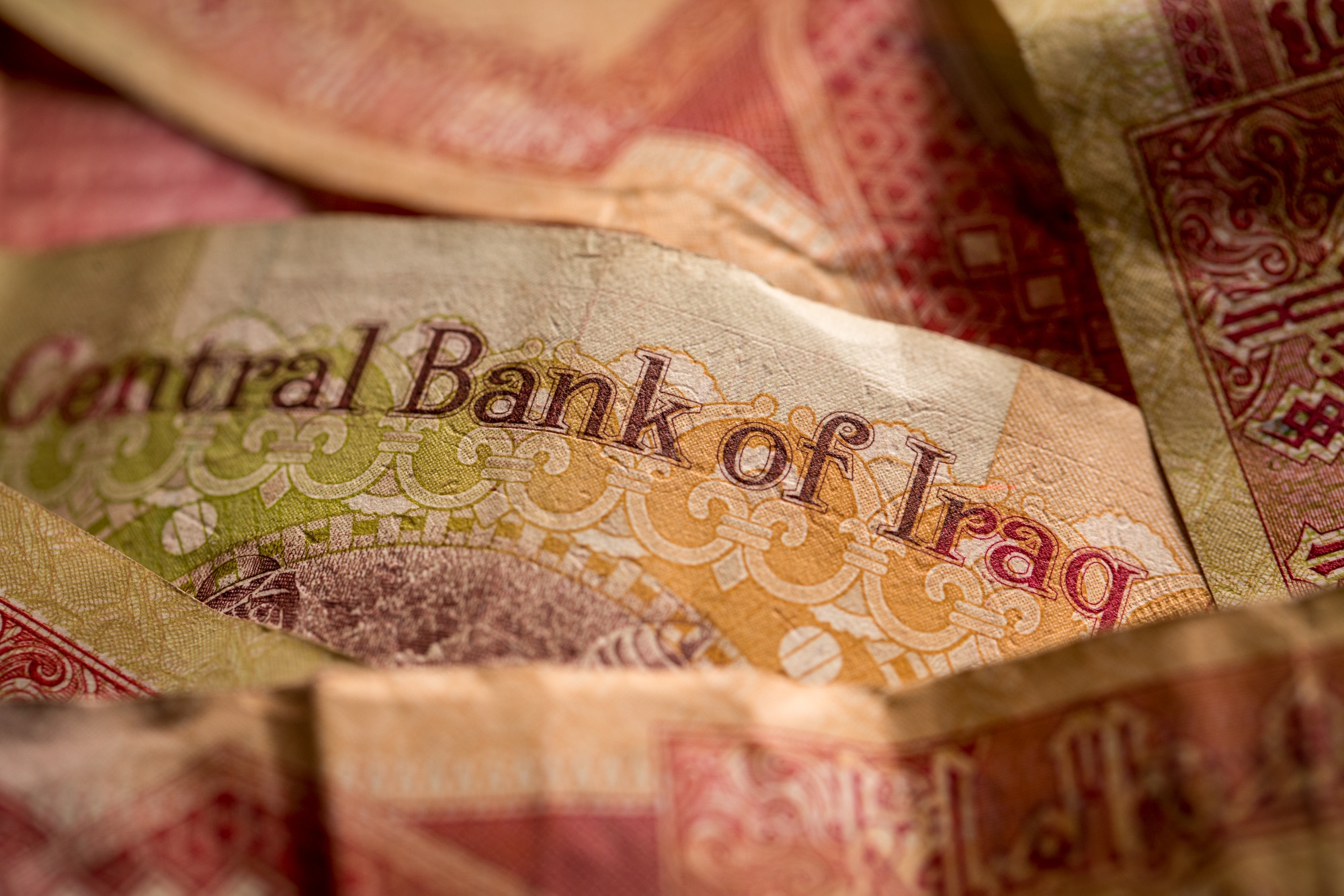 Iraqi dinar banknotes sit in this arranged photograph. Photographer: Jason Alden/Bloomberg Also Read: Iraq's Yuan Pivot a Sequel of Russia-Ukraine War But Stay Calm While it stems from Iraq's unique currency crunch, it also follows wealthier neighbors Saudi Arabia and the United Arab Emirates in exploring non-oil trade using currencies other than dollar. The UAE and India have been working on boosting non-oil commerce in rupees and Saudi Arabia's finance minister has recently said the kingdom is open to trade in currencies other than the dollar. Also Read: The Myth of the Inevitable Rise of a Petroyuan: Javier Blas Iraq, OPEC's second-largest producer, has been stepping up efforts to stabilize the dinar after revaluing it earlier this month. It has experienced dollar shortages after coming under pressure from the US to limit the flow of money into neighboring Iran, with the New York Federal Reserve last November imposing tighter controls on dollar transactions by Iraqi commercial banks. This is happening as countries weigh up the US currency for global trade and forge deeper economic ties with emerging powers in Asia. China's been pushing the yuan's use in transactions with major energy and commodity exporters. Also Read: Why Gulf Dollar Pegs Survive Through Wars, Oil Shocks But Middle East officials are quick to say that the dollar will continue to remain the currency of choice for energy, and spell out the downsides of moving more of their trade into other currencies or to even consider moving away from the dollar pegs that underpin their oil-reliant economies. So while Middle East economies may be flirting with other currencies, their decades-long dollar foundations are here to stay. Not even Egypt's cheap and cheerful national dish, beloved by everyone from street-sweepers to TV chef Gordon Ramsay, is proving immune to the country's economic turmoil. Carb-heavy and meat-free, koshary has sustained cash-strapped Egyptians through trying times for decades. But Bloomberg's new Koshary Index shows the average price of ingredients for a helping jumped an annual 58.9% in December — almost triple the urban inflation rate of 21.3%. Read More The head of an oil company might seem like an odd choice to lead the next big UN climate summit. Environmentalists should give him a chance: Sultan Al Jaber is precisely the kind of ally the climate movement needs, Bloomberg Opinion's Editorial Board writes. Adnoc Gas IPO upsized: The UAE's main oil company has increased the size of the initial public offering of its gas business — already set to be the world's largest this year — by a quarter to as much as $2.5 billion. Also Read: Credit Suisse, Mizuho Join Banks on $1 Billion Olam Agri IPO Boosting heavyweights: Turkey's sovereign wealth fund plans to channel at least $1 billion via exchange-traded funds to keep the stock market from falling. Pause mode: Turkey's central bank surprised with a smaller interest-rate cut than forecast after the country's worst earthquake disaster in decades, signaling further monetary easing is now less likely. Also Read: Turkey Central Bank Warns Lenders Against Sending Dollars Abroad Election timeline: Turkey is leaning toward holding general elections in May as planned unless political consultations suggest otherwise, a spokesman for Turkish President Recep Tayyip Erdogan said. Also Read: Turkey Earthquakes Add to Housing Crisis as Survivors Seek Shelter Surprise visit: Saudi Arabia signed agreements worth $400 million with Ukraine — a move praised by Washington. Easing tensions: Israel and the Palestinian Authority agreed to work to halt a recent spiral of violence, in a deal brokered by the US and neighbors Egypt and Jordan. Schoolgirls targeted: A recent spate of mass illnesses at girls' schools in Iran was caused by deliberate poisoning using " chemical compounds," according to a senior Iranian health official. Shekel volatility: The recent selloff in Israel's currency is overdone and the specter of central bank intervention will likely set the stage for its rebound, according to Wells Fargo. However, analysts at Goldman Sachs are reluctant to call the worst is over for the shekel, which has plunged as concerns over a judicial overhaul eclipsed a bigger-than-expected interest-rate hike by the central bank. Also Read: 'Populist' Threat to Bank of Israel Gets Netanyahu Rebuff $326 billion windfall: Saudi Arabia's receipts from oil sales abroad fell for a sixth straight month but still capped a year that saw the kingdom rack up the highest annual income during Mohammed bin Salman's time as crown prince and de facto ruler. Finances improving: Morocco is returning to the international debt markets for the first time since losing its investment-grade rating two years ago — taking advantage of a drop in borrowing costs to replenish its coffers. Also Read: Morocco Curbs Tomato Exports, Adding to Europe's Produce Woes High-stakes legal feud: The PGA Tour has won a ruling that lets it confront Saudi Arabia's sovereign wealth fund and its governor head-on in its suit against LIV Golf, the rival upstart backed by the oil-rich kingdom. Eyeing Saudi, GCC markets: FreshToHome, an online grocer that operates mainly in India and the UAE, raised $104 million from a group of investors led by Amazon.com to help its expansion. - Saudi Arabia January money supply: Feb. 28
- Turkey fourth-quarter GDP: Feb. 28
- UAE February PMI: March 3
- Turkey February inflation: March 3
- Saudi Arabia February PMI: March 5
- Egypt February PMI: March 5
Dubai ruler Sheikh Mohammed bin Rashid Al Maktoum's investment firm is in talks to sell the local branch of the luxurious Nikki Beach resort, as the city cashes in on an influx of tourists and newcomers. 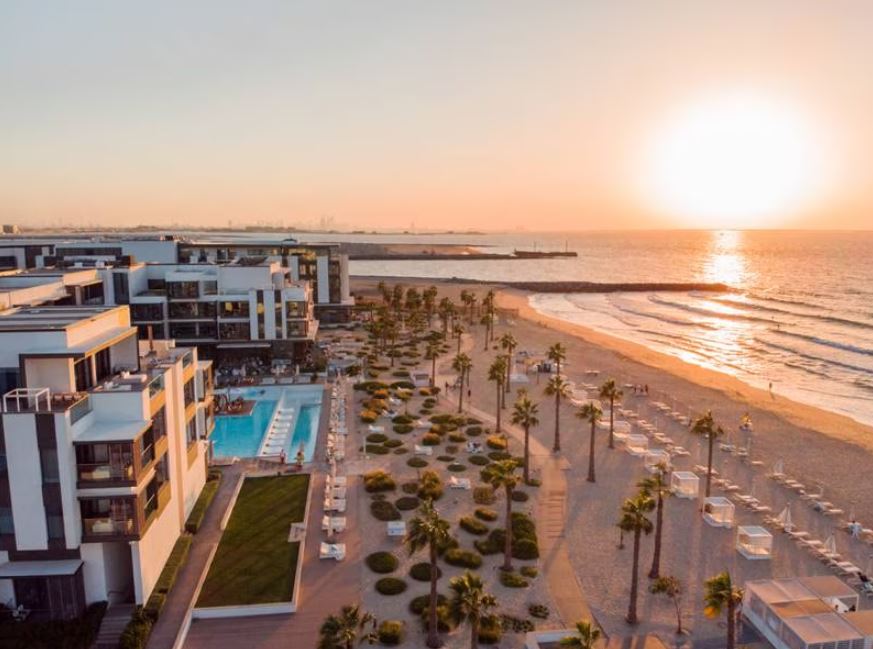 Nikki Beach Resort & Spa Dubai. Source: Nikki Beach Resort & Spa Nikki Beach Resort & Spa Dubai, which has 117 rooms, 15 ultra-deluxe villas and 63 private residences on the Pearl Jumeira waterfront development, is being valued at about $218 million. For Dubai Holding, a deal would be the latest in a series of sales by the state-backed conglomerate. | 







No comments:
Post a Comment