| Welcome to the Hyperdrive daily briefing on what's reshaping the auto world. You can read today's newsletter column on the web here. If you're not already subscribed, sign up. Hello, I'm James Fernyhough, a reporter based in Melbourne covering metals and mining companies, including battery material suppliers. A key lithium producer in Australia, the world's top shipper, is urging electric-car manufacturers and battery makers to become its partners in new refinery projects, arguing their direct financial backing is vital to avoid shortfalls of the material that's crucial to a clean energy transition. Pilbara Minerals is seizing on a current rush by automakers to secure future supplies of battery materials by seeking new deals with customers to jointly develop refineries, Chief Executive Officer Dale Henderson told me in an interview last week. "There's certainly a level of desperation from some groups" who are end-users of lithium and seeking more access to output, he said. "If you believe the supply-demand outlook, there's going to be a shortage, and the car companies who haven't secured the supply chain are going to have a problem." 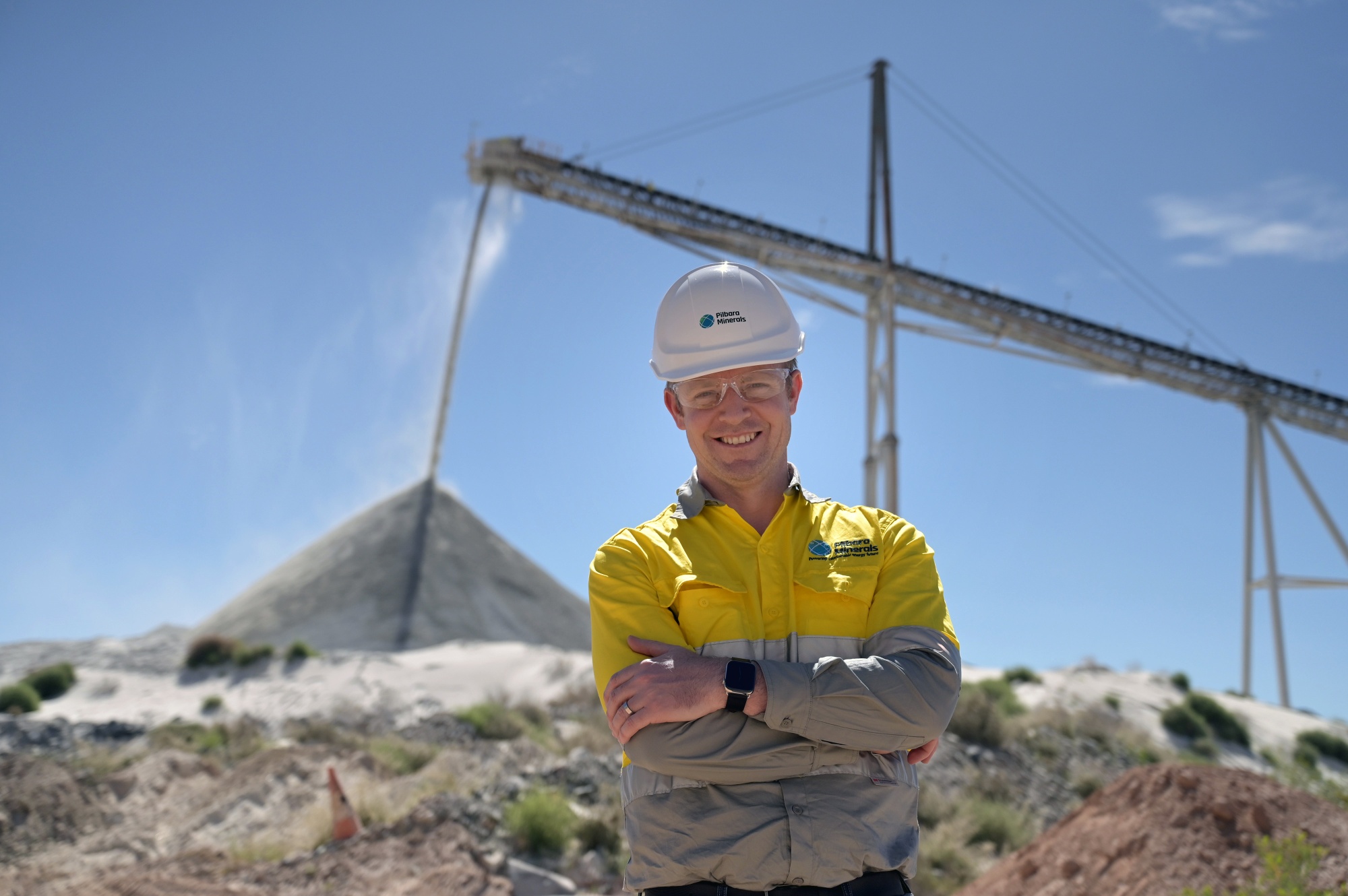 Dale Henderson, chief executive officer of Pilbara Minerals. Photographer: Carla Gottgens/Bloomberg Lithium demand is forecast to almost triple by mid-decade from last year's level, BloombergNEF said in a July report. Prices hit a new record in China last month on increasing consumption, with automakers including BMW and General Motors among companies adding new supply agreements in recent weeks. Pilbara Minerals — which has a market valuation of about $8.5 billion — is planning a major expansion of its mine in Western Australia in the next two years that will nearly double output of lithium-bearing raw materials. At the same time, the company will aim to leverage current strong demand to move away from long-term supply deals and win more pricing power. Previously, lithium miners had rushed to strike agreements with refiners, battery companies and car manufacturers to show investors the strength of the market for their product, and to help secure funding to develop projects. With analysts now predicting prices will stay elevated after more than doubling this year, producers are in a stronger position to demand better deals, Henderson said. "Two years ago, no one wanted to be in lithium, and the phone would not ring," Henderson said. "Now, the phone won't stop ringing." Another Australian lithium miner, Liontown Resources, demonstrated the sector's growing bargaining power in June, when it sealed a deal with Ford. The supply pact was notable because it included a A$300 million ($195 million) loan from the car giant at a comparatively low interest rate of 1.5% above the bank bill swap rate, a common benchmark in Australia. Whereas Liontown sought funding for its Kathleen Valley mine project in western Australia, Pilbara Minerals sees the chance to add to its foothold in downstream chemical processing, a strategy designed to help the producer diversify away from the volatility of raw commodities. 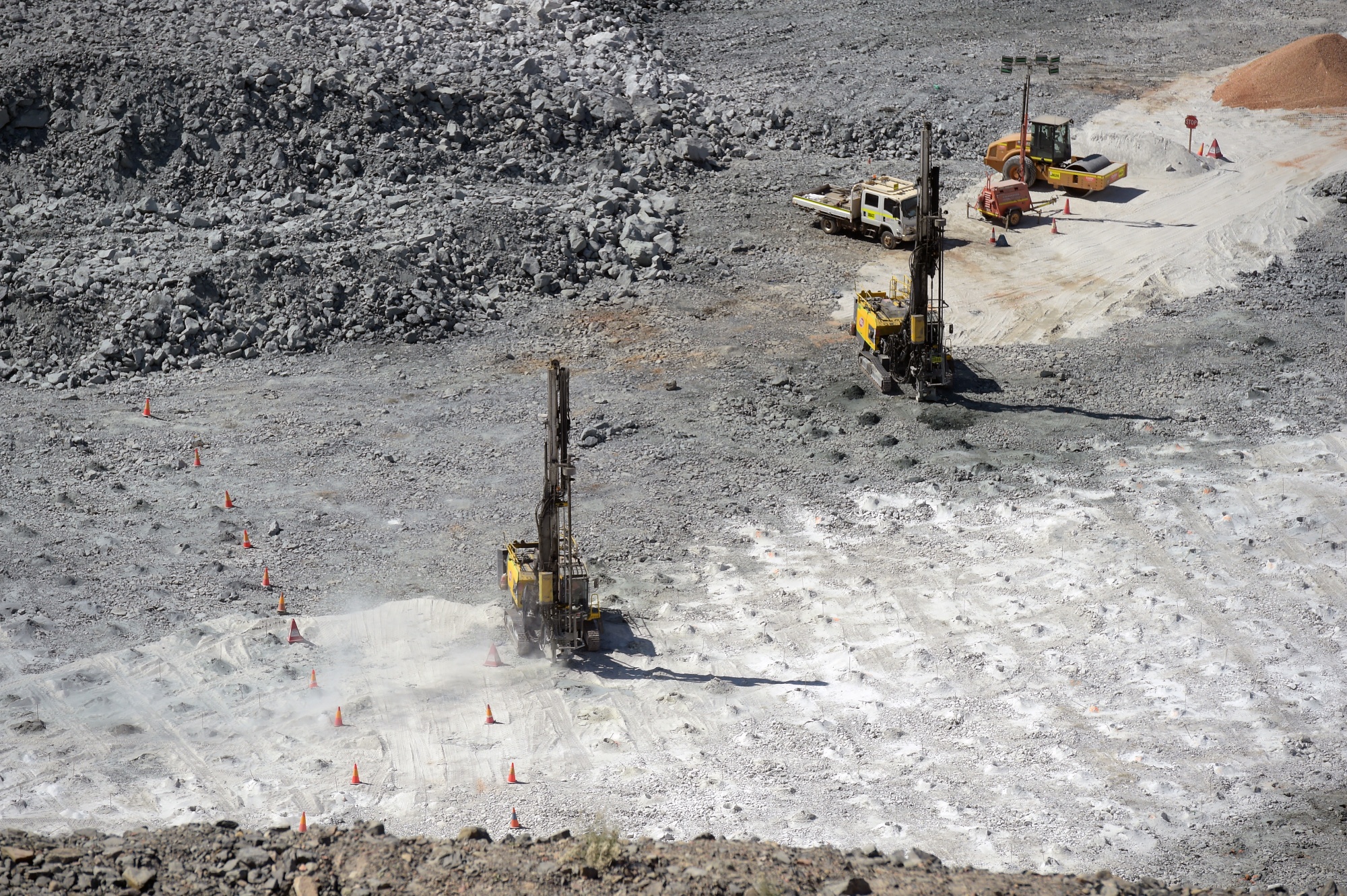 Pilbara Minerals Pilgangoora lithium project in western Australia. Photographer: Carla Gottgens/Bloomberg Pilbara Minerals has an 18% stake in a joint venture with South Korea's POSCO and expects their plant to begin producing battery-grade lithium hydroxide late next year. The Australian miner is now actively seeking other similar deals, potentially with carmakers, Henderson said in Perth last week. China-based Tianqi Lithium has begun producing lithium hydroxide at a refinery in western Australia — the first new major hub outside its home country — and Albemarle is developing a separate operation nearby. It's unlikely Pilbara would add a similar facility in Australia, though, it's in the early stages of planning a refinery that would turn lithium-bearing ore — known as spodumene — into an intermediary salt product. That would be easier to produce than lithium hydroxide, and also more valuable and cheaper to transport than spodumene concentrate, Henderson said. Pilbara's mine expansion will add an extra 400,000 tons a year of hard rock lithium ore — which equates to around 50,000 tons of battery grade lithium — within the next two years, Henderson said. Last year, Australia exported 247,000 tons of lithium, accounting for around 50% of global supply. 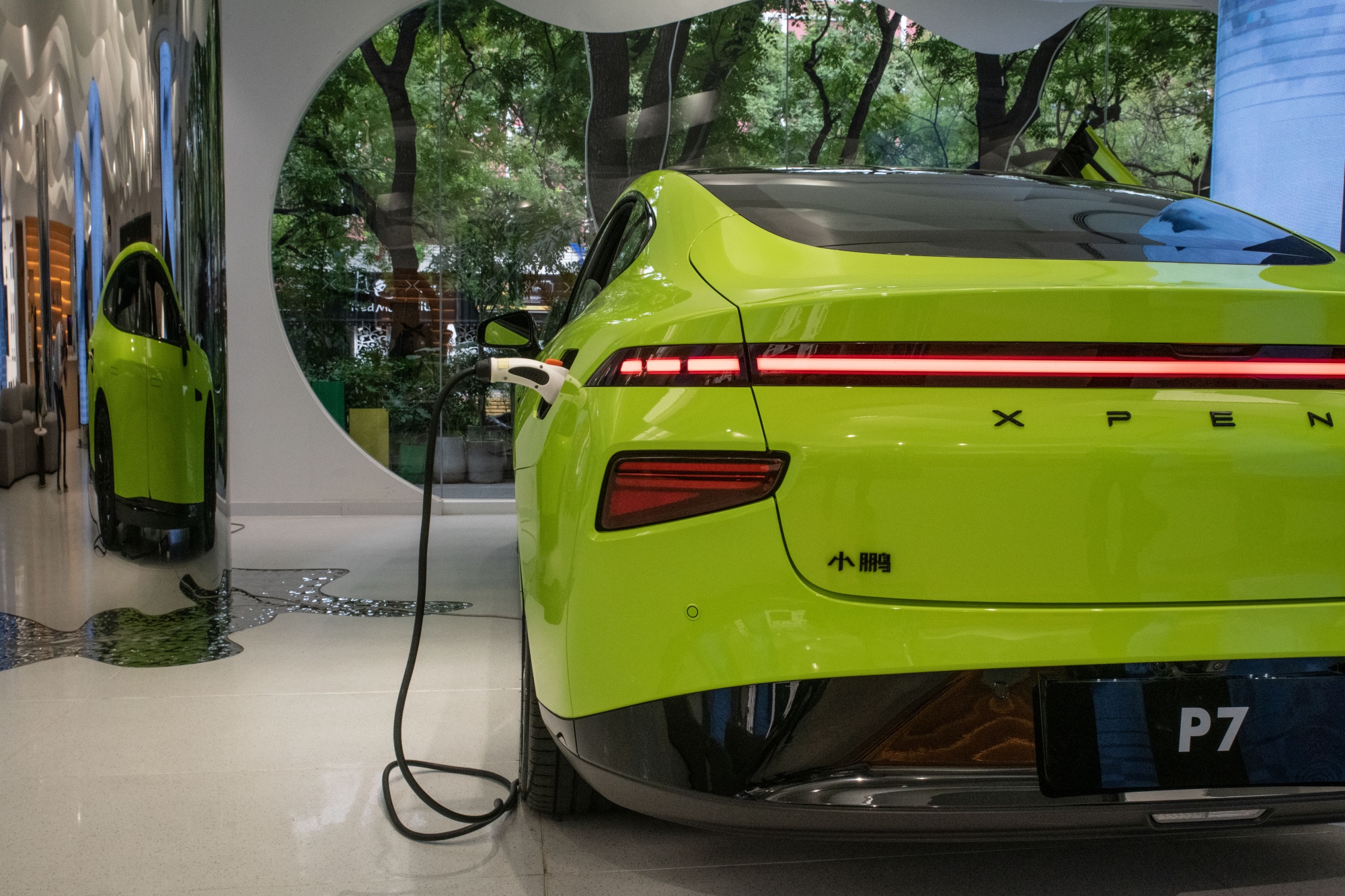 An XPeng Inc. electric vehicle. Bloomberg CALB, the Chinese battery supplier that raised about $1.3 billion in a Hong Kong initial public offering last month, is forecast to benefit as automakers seek to diversify battery supply after more than two years of logistics disruptions. The company counts Xpeng and Geely as customers and is already the seventh-largest EV battery supplier globally, according to Bloomberg Intelligence. There's likely ample opportunity to add new sales in China, the world's top EV market, with much of competitor BYD's capacity expected to be used by its own vehicles until at least late 2023, analyst Steve Man wrote in a report Monday. He estimates CALB's revenue could triple by 2024.
Like getting this newsletter? Subscribe to Bloomberg.com for unlimited access to trusted, data-driven journalism and subscriber-only insights. | 






No comments:
Post a Comment