| Even though crypto enthusiasts have adopted "we're all gonna make it" as a war cry, there's still an air of exclusivity to the world of digital currencies. That's especially clear when it comes to some of its biggest backers. Secret parties, closed chat groups on platforms like Telegram and shared spreadsheets that rank investors' strategies with ratings like "Diamond Hands" all make up the world of crypto venture capital. Big names like Pantera Capital, Polychain Capital and Jump Crypto participate in deals together, giving a coveted stamp of approval to budding projects. But the idea that crypto VC is mostly a group of insiders revving each other up has its drawbacks. All of these firms had exposure to the collapse of the TerraUSD stablecoin and the Luna token. Both of these currencies were part of a project founded by Do Kwon, a crypto cool kid with a horde of social media followers known as "Lunatics." As more money poured into the project from major crypto investors like Coinbase Ventures and Galaxy Digital, the buzz around Terra continued to grow, culminating in Galaxy Digital CEO Mike Novogratz getting a now-infamous Luna tattoo. 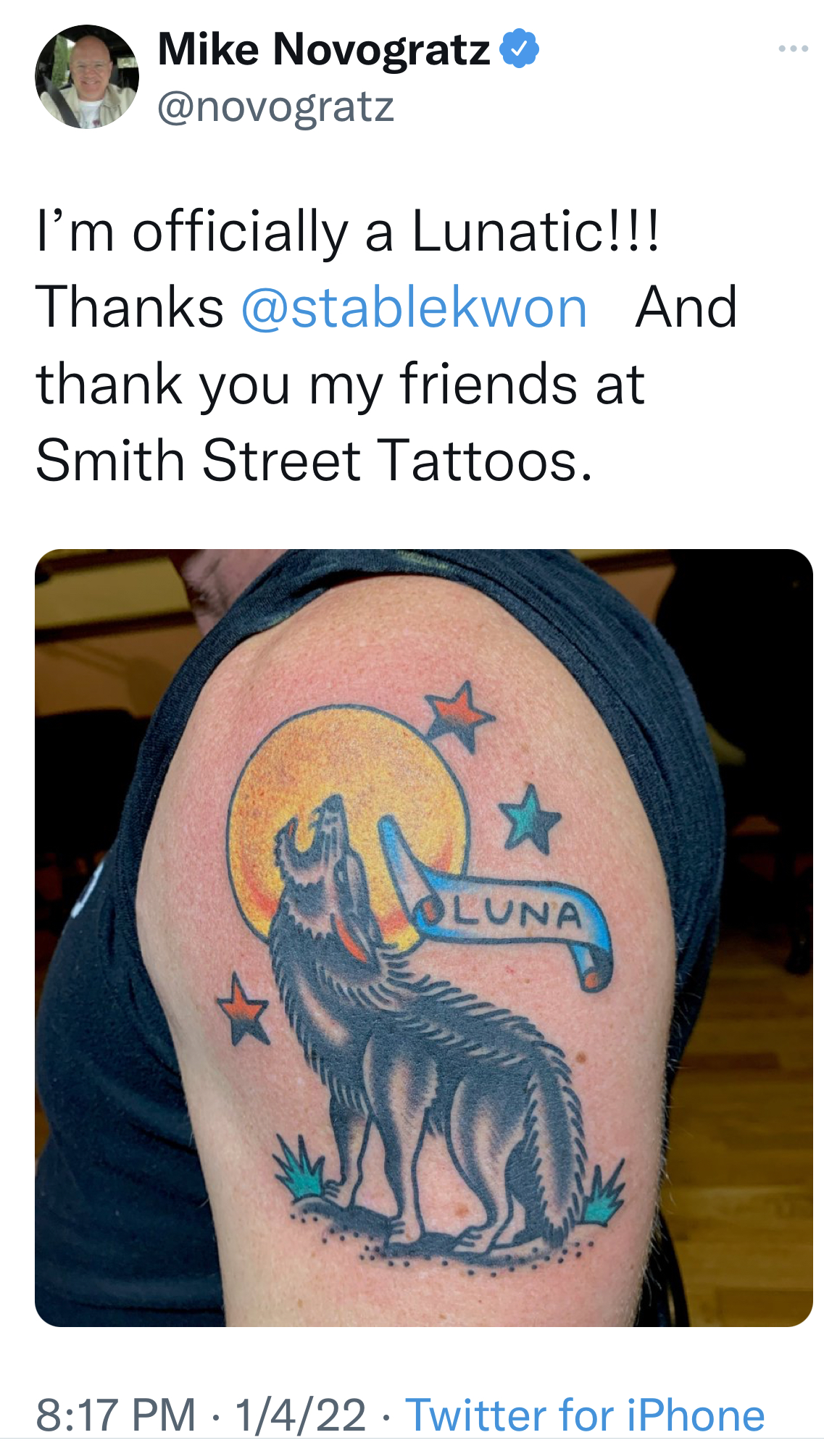 Source: @novogratz In many ways, the Terra hype machine built by big-name investors helped obscure flaws in the project's tokenomics. As VCs patted themselves on the back, Terra's imperfections left it vulnerable to the death spiral that eventually took it down. The project has since been called a "wake-up call" for the industry — and the same may prove true for the venture-capital club that lobbed gobs of cash into a host of projects in recent years. Moving too fast has been a major problem for crypto startups, according to Illia Polosukhin, co-founder of blockchain NEAR Protocol. "It's easier to ship it, put a bunch of incentives and then hope it works, then to do everything correctly," he said in an interview. Now, in the wake of Terra, more projects and VCs are slowing things down. In addition to code audits that help find security flaws in a project's design, more startups and VC firms are relying on economic audits that analyze how crypto platforms hold up in different scenarios. That often means relying on experts outside of the industry like economists and quant traders. While this practice may seem a bit nerdier than crypto's free-spending insider culture, it could help prevent something like Terra from happening again. | 






No comments:
Post a Comment