| Read in browser | ||||||||||||||
 Welcome to Balance of Power, bringing you the latest in global politics. If you haven't yet, sign up here. For more than six decades, Cuban exile groups formed in Florida after the failed Bay of Pigs invasion have dreamed of toppling the communist government in Havana. That moment may be drawing near due to the US administration's campaign of economic coercion. What comes next is harder to predict. President Donald Trump's military interventions in Venezuela and Iran suggest that imposing democracy isn't high on his list of priorities. In Caracas, acting President Delcy Rodríguez enjoys Washington's favor for opening up Venezuela's resources to American investment after the US deposed her boss, Nicolás Maduro. That's left the democratic opposition struggling to get a hearing. The appointment in Iran of Ali Khamenei's hardline son as the new supreme leader defied Trump's demand to have a say in the decision. 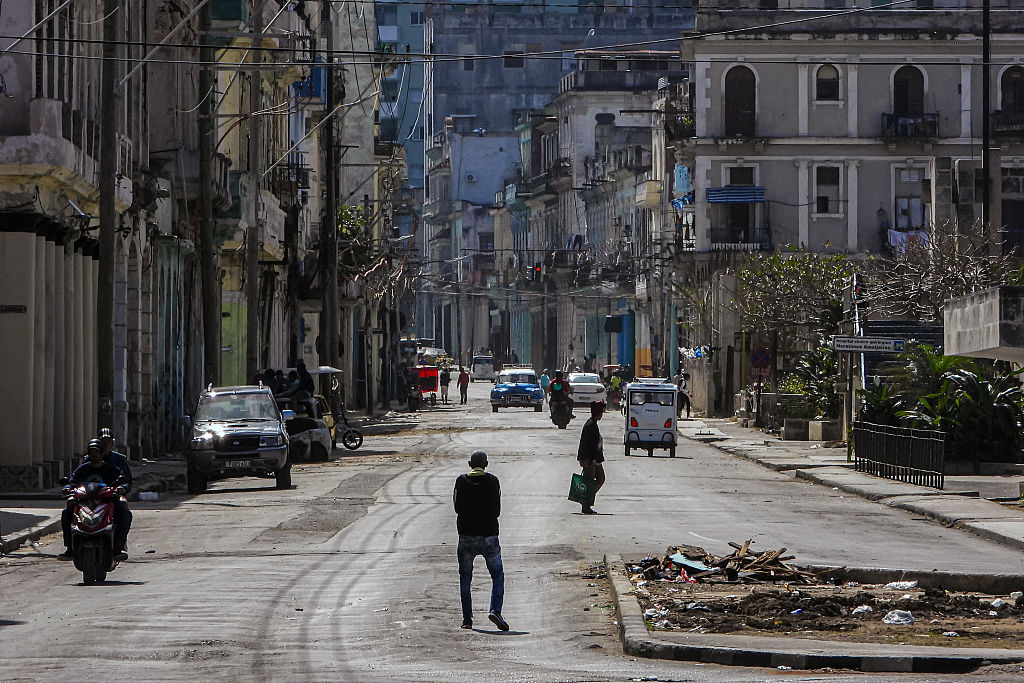 A street in Havana on Feb. 8. Photographer: Adaberto Roque/AFP/Getty Images But then little about this war is going to plan, with Benjamin Netanyahu contradicting Trump's assertion — after oil jumped to $120 a barrel — that the joint US-Israel operation could be over "very soon." Trump doesn't seem to have lost his lust for replacing leaders, however. On Saturday, he said the Cuban government is in its "last moments of life." With Marco Rubio — the son of immigrants from the island — leading the State Department and eight Cuban-American lawmakers serving in Congress, the political momentum for regime change is building. Paradoxically, the militant exile movement in Florida that once propelled Cuban-American influence in Washington is fading. Take last month's botched landing by 10 men on Cuba's northern coast. Havana says Miami resident Maritza Lugo Fernández is the "intellectual author" of the failed incursion, and has branded her a terrorist. Yet Fernández's November 30th Movement, which traces its lineage to the CIA-backed paramilitary campaigns of the Cold War, struggles to draw even modest crowds. Instead, with Cuba's one-party system wobbling under economic strain, the decisive pressure now comes from Washington. Precedent isn't encouraging on whether that will mean democracy or a grand bargain with Trump. — Walter Brandimarte 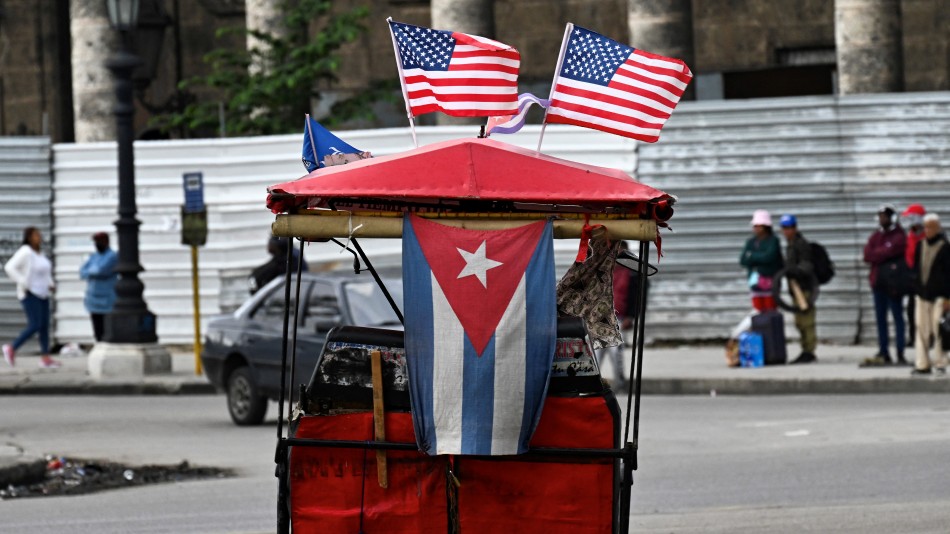 WATCH: US Representative María Elvira Salazar urges the government to take decisive action against the Cuban regime. Global Must ReadsEven as Trump hinted at a quick end to the war, policymakers around the world are readying measures to absorb surging energy and commodities prices triggered by the conflict that now threaten the global economy with its biggest shock since the pandemic. It remains unclear how the war ends and how long it'll take to unwind the energy-supply problems, injecting fresh uncertainty into a global growth outlook facing a host of disruptors from AI and tariffs to rising debt. 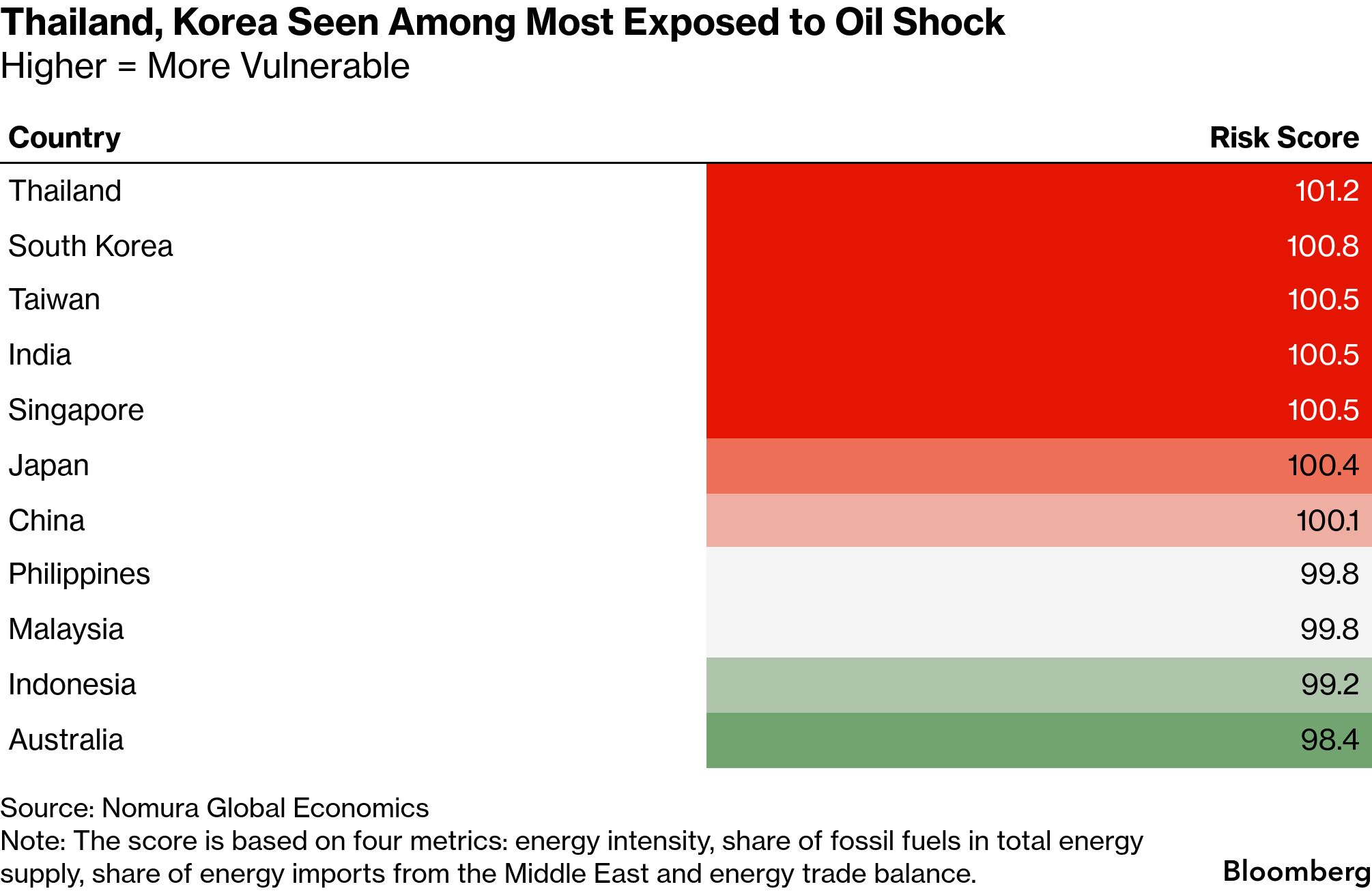 Shelves in Dubai's supermarkets remain stocked and the United Arab Emirates government has sought to reassure residents there are enough reserves to last for several months. The bigger question is how long that resilience can last as the Middle East war poses a challenge: How to keep food arriving when you import about 90% of what you eat and the conflict has snarled up the region's main shipping route? Trump and President Vladimir Putin held "constructive" discussions on both Iran and peace negotiations between Ukraine and Russia in their first phone conversation this year, the Kremlin announced. The US told its Group of Seven partners that sanctions relief on Russian oil sales to India would be temporary as it reacts to spiking energy prices, the European Union's economy chief said. Czech Prime Minister Andrej Babiš has made a point of placing healthcare at the center of his focus since returning to power in December even as Russia's war in Ukraine rages to the east and the US piles on pressure to spend more on the military. His government has vowed to scale back NATO-mandated outlays — ditching a new benchmark of spending 3.5% of economic output on core defense — but there will be no such limits on health spending. Bolivian President Rodrigo Paz is attempting to lead the South American nation out of an economic crisis and realign its foreign policy with Washington after two decades of a socialist government that favored China, Russia and Venezuela. The Trump administration has thrown its support behind the 58-year-old, promising to work with the mineral-rich nation to remove barriers to investment. 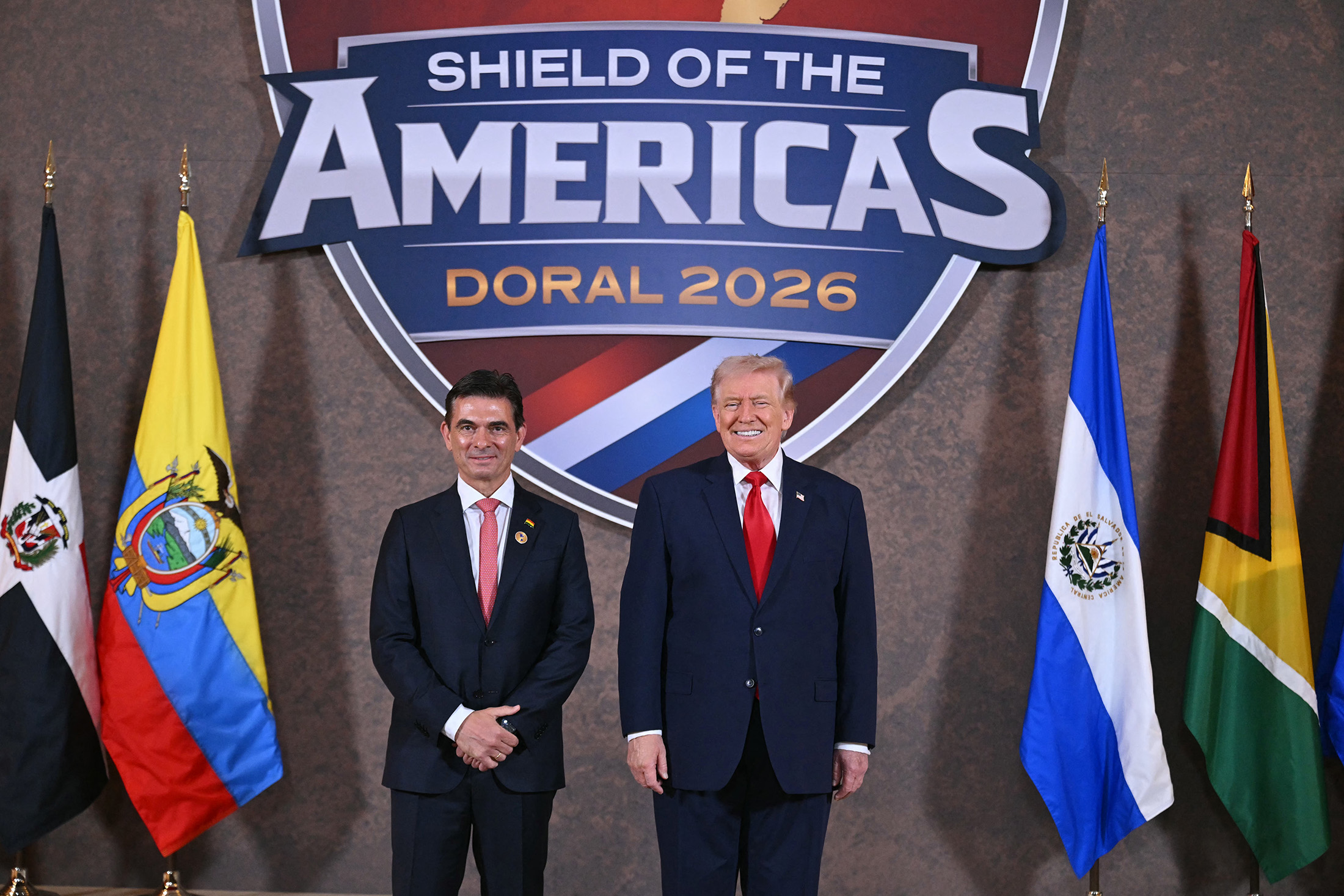 Paz with Trump in Miami on Saturday. Photographer: Saul Loeb/AFP/Getty Images A top Pentagon official sees little chance of resuming negotiations with Anthropic over military use of its artificial intelligence tools following the company's legal challenge to a government move to declare the firm a supply-chain risk. Several Senate Democrats are threatening to force numerous war-powers votes unless Republicans agree to hold public hearings with key Trump administration officials on the reasons for the attacks on Iran. Taiwan is considering selling debt for the first time to finance overseas investments, sources say, as the self-ruled democracy intensifies efforts to resist the diplomatic isolation imposed by China. Australia has granted humanitarian visas to five Iranian female soccer players who sought asylum, citing fears for their safety after the team declined to sing the national anthem during an Asian Cup match on the Gold Coast last week. 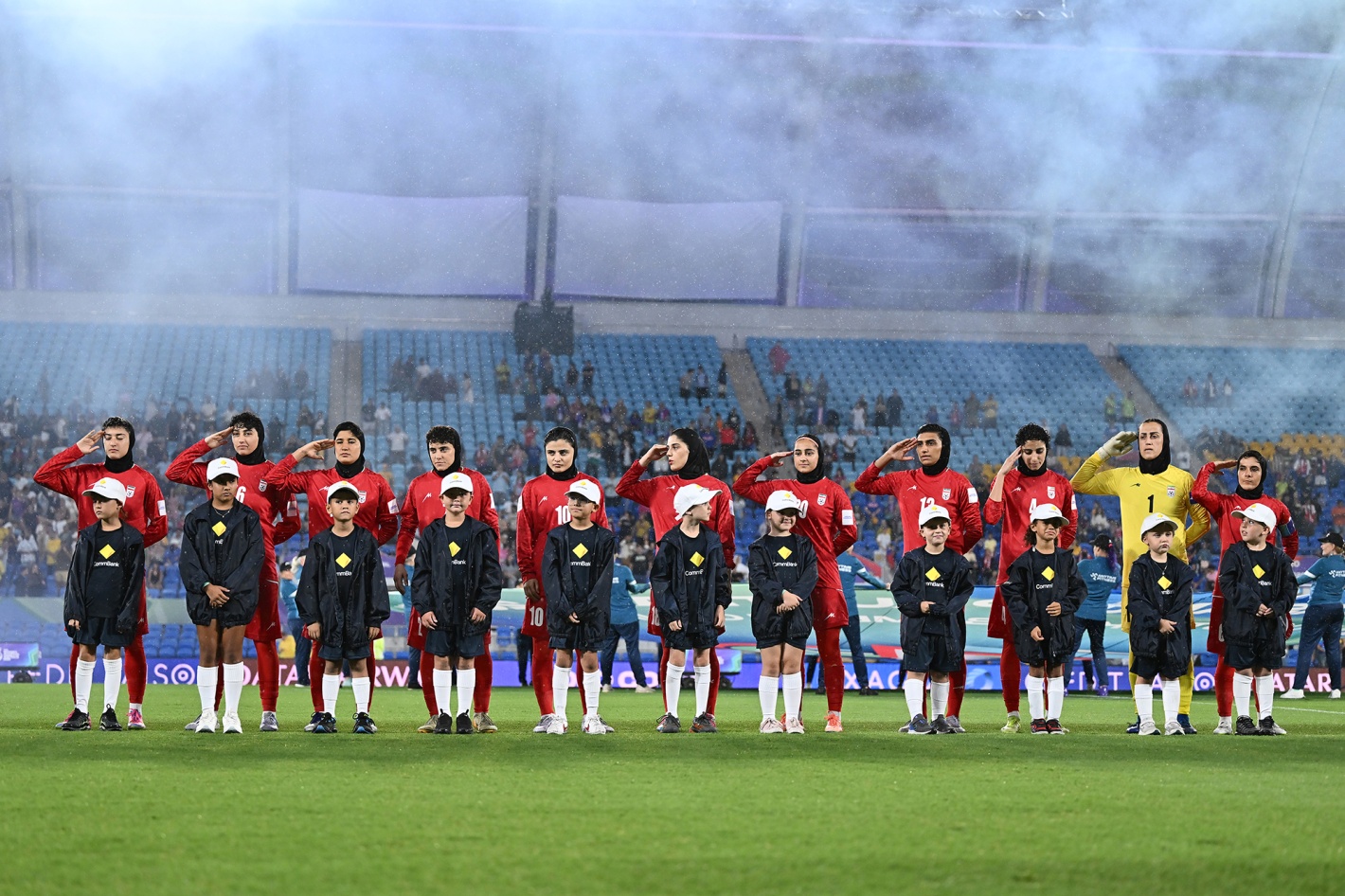 Iranian players during the national anthem in Gold Coast, Australia, on Sunday. Photographer: Albert Perez/Getty Images Sign up for the Washington Edition newsletter for news from the US capital and watch Balance of Power at 1 and 5 p.m. ET weekdays on Bloomberg Television. Chart of the Day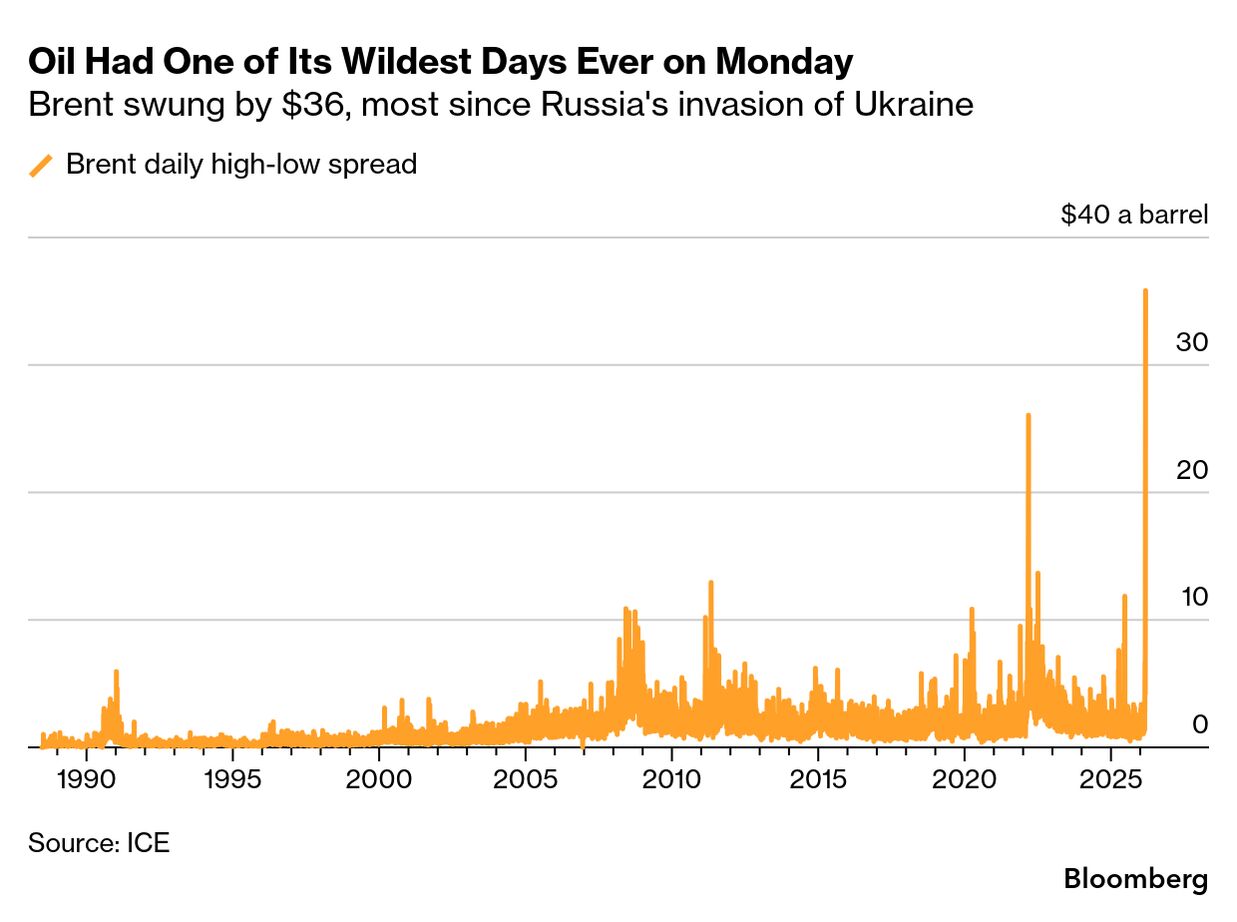 Trump's efforts to calm the oil market prompted crude futures to retreat — on top of resolving the war, he would waive oil-related sanctions and get the US Navy to escort tankers through the Strait of Hormuz. The intense swings yesterday saw Brent trade in a band of about $36, the most on record and the widest range since Russia invaded Ukraine in 2022. And FinallyChina's increasingly powerful export machine stunned the world last year by generating a record $1.2 trillion trade surplus even after Trump raised tariffs to the highest in nearly a century. Yet ordinary workers in Guangdong province, long the main engine driving the nation's manufacturing prowess, have suffered a sharp decline in living standards. Increasing use of automation and AI is expected to exacerbate the trend, with one forecast suggesting almost a third of jobs in China could be impacted. For the ruling Communist Party, the disconnect between China's booming exports and strained households is a warning. 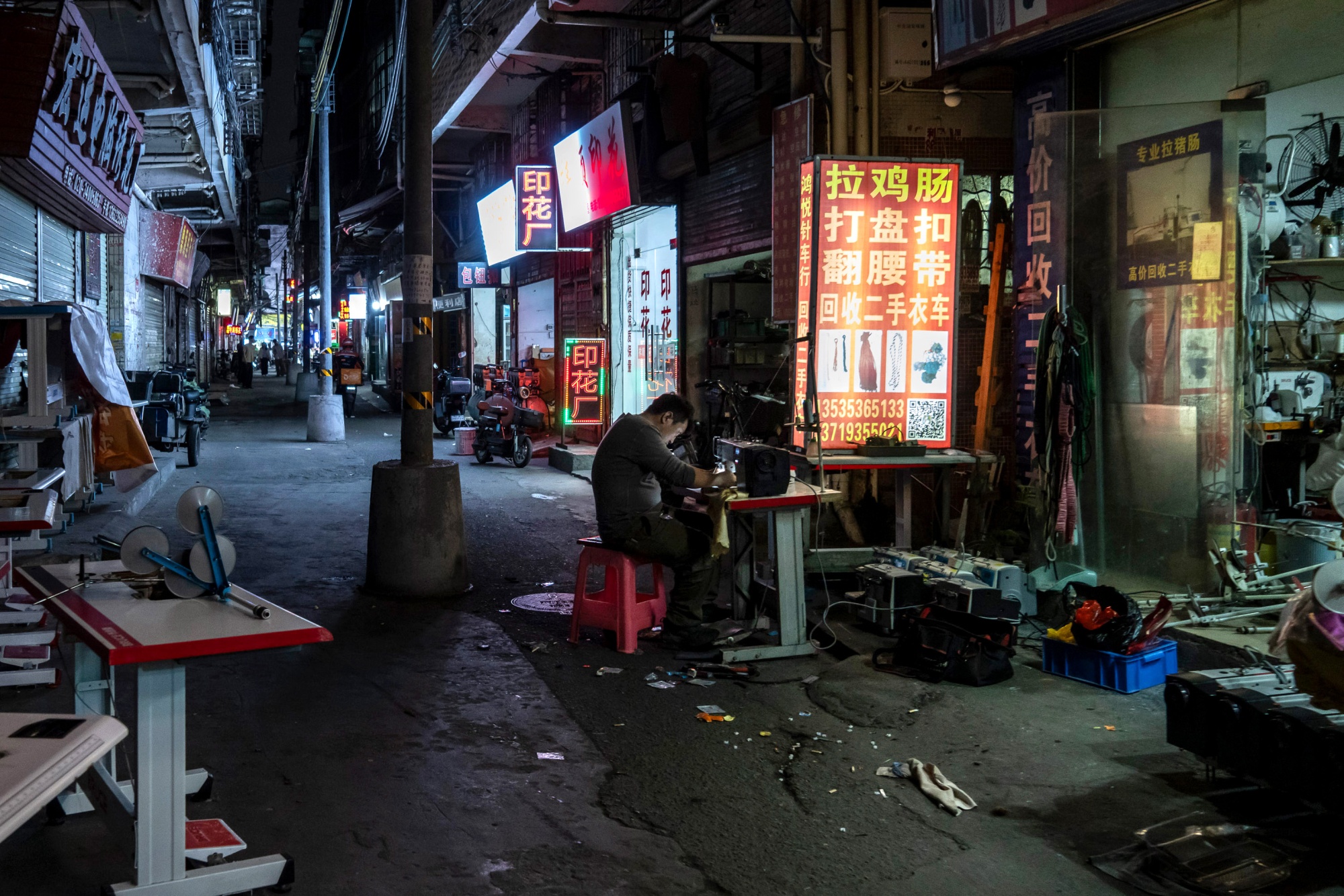 A garment shop shop in Guangzhou, China, on Feb. 27. Photographer: Qilai Shen/Bloomberg More from Bloomberg
We're improving your newsletter experience and we'd love your feedback. If something looks off, help us by reporting it here. Follow us
You received this message because you are subscribed to Bloomberg's Balance of Power newsletter. If a friend forwarded you this message, sign up here to get it in your inbox.
|
Tuesday, March 10, 2026
What’s next for Cuba?





Subscribe to:
Post Comments (Atom)
-
PLUS: Dogecoin scores first official ETP ...
-
Bloomberg Evening Briefing Americas View in browser Who's paying for Donald Trum...


No comments:
Post a Comment