| Plus: China's AI nightmare | |
| |
| |
| |
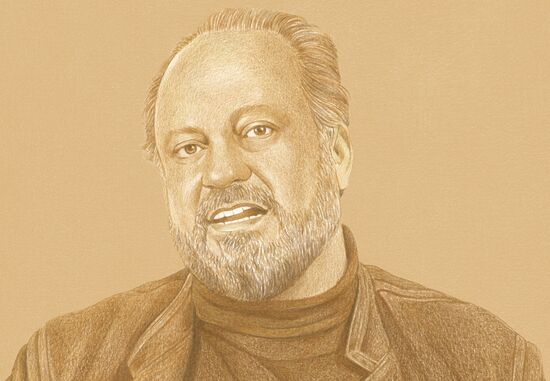
| A week into the war in Iran, shipping, energy supplies and markets are already under strain, with the IMF warning of global economic fallout. To put the moment in context, Mishal Husain turned to Bernard Haykel, a Middle East scholar who sees the region divided between status quo powers seeking stability and revisionist ones determined to redraw the map. It's a divide that helps explain why Saudi Arabia's Crown Prince Mohammed bin Salman doesn't want this war. | |
| |
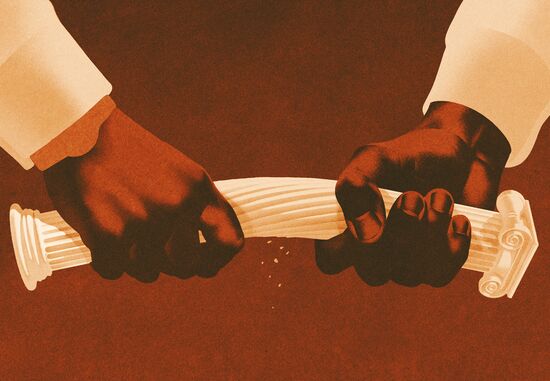
| The US is also grappling with revisionism at home. The liberalism that informed the country's founding once united Americans, but decades of political attacks have left the tradition misunderstood and maligned across the political spectrum. Adrian Wooldridge argues that in a world of strongmen, rising fundamentalism and geopolitical disorder, liberalism's core ideas — tolerance, debate, limits on power and respect for rules — are newly urgent. | |
| |
| Sometimes interrogating core principles is unavoidable. Since Deng Xiaoping began dismantling China's "iron rice bowl" — cradle-to-grave guarantees of housing, healthcare and pensions — Beijing has largely resisted putting cash directly into citizens' hands, even during the pandemic. But if AI triggers widespread job losses, Daniel Ten Kate suggests Xi Jinping could face new pressure to expand the country's famously stingy welfare state. | |
| |
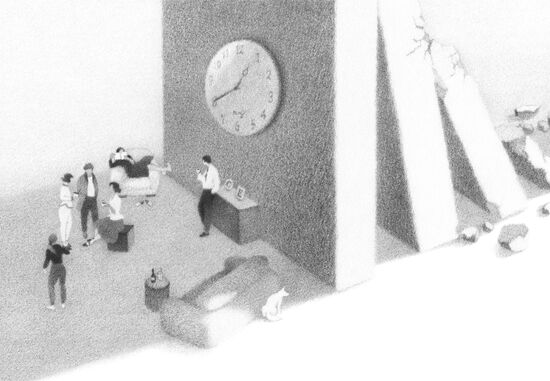
| Revisionism can carry high stakes. In the 19th century, Alessandro Manzoni reconstructed the plague that struck Milan in 1630 and found later generations wrongly suggesting the danger had been obvious from the start. Today, Covid-19 is undergoing a parallel recasting: The early pandemic is now recalled as far less devastating than it was. That shift could narrow the range of responses that will seem warranted when the next pandemic arrives, Jason Gale writes. | |
| |
| |
| Tehran: Even if the US and Israel achieve their military goals, the political aftermath could be far messier. Scenarios range from Revolutionary Guard fragmentation to Kurdish insurgencies or a Syria-style vacuum, all distinctly chaotic. Dubai's financial district: The lobby of ICD Brookfield Place is decorated for Ramadan, but the tower is eerily quiet — no bankers smoking, no Rolls-Royces lining up for dinner. A week into the conflict, the district is "uncharacteristically empty." Wall Street: Markets are strikingly calm, but John Authers argues investors may be relying too heavily on history's reassuring pattern that geopolitical shocks fade quickly — a lesson that fails if this war turns into something like 1973. 1973: The Arab oil embargo showed how a shock to energy supplies can spiral into an "everything crisis." What began as a Middle East war soon rippled through global economies, strained alliances and reshaped daily life far from the battlefield. "Tehrangeles": On the main thoroughfare of LA's Iranian diaspora, thousands danced after news of Iran's leadership deaths. One said her parents had "been waiting for this moment for 47 years." But beneath the jubilation, the diaspora is conflicted. 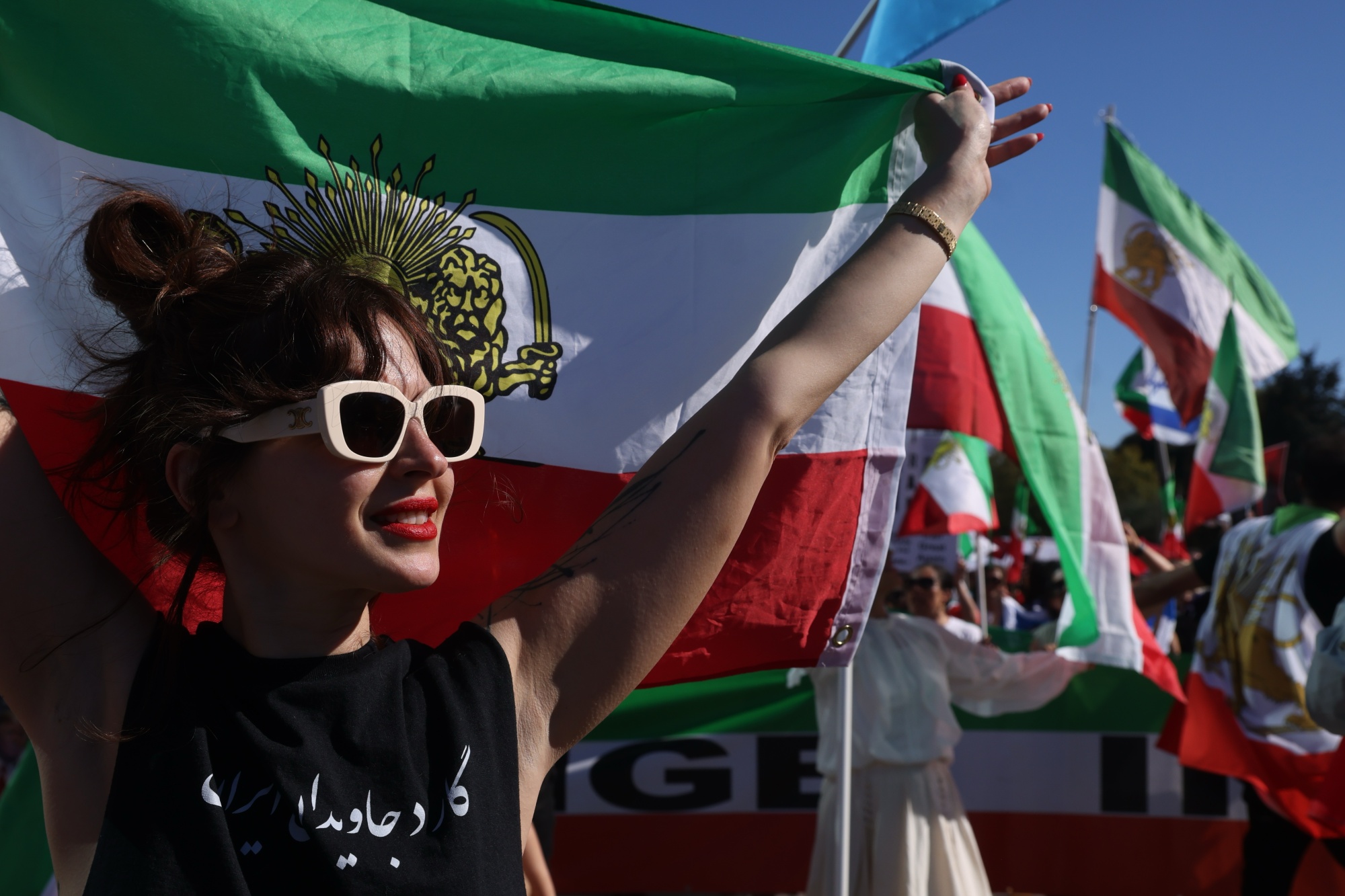 Photographer: Genaro Molina/Los Angeles Times/Getty Images | |
Roblox Millionaires | | " I could retire. But if I did, I'd be bored." | | Chrollo Age 20 | | The developer behind the Roblox soccer game Blue Lock Rivals, Chrollo owns a McLaren and says he earns eight figures a year. He's part of a new class of young creators turning simple online games into fortunes, even as major studios cut jobs and cancel blockbuster titles. | | |
| |
| $23 nonalcoholic cocktails: Only if the bar takes them seriously. The best involve real technique and specialty spirits. The worst are overpriced juice on ice. A $3,694-a-month one-bedroom in Hudson Yards: Nah. Not even a gym and a music studio can save a neighborhood that feels like a corporate campus. Swig "dirty soda": Sure. Mixing Dr Pepper or Mountain Dew with syrups and cream sounds like something a 12-year-old would invent — but that's kind of the point. The $284,300 Porsche 911 Turbo S Cabriolet: Eh. The hybrid upgrade adds cost, weight and complexity to a car whose appeal was simple performance. A $35 bottle of Another Hendrick's Gin: Yes. Orange blossom and cacao make this subtler riff on the classic an easy upgrade for Negronis or spritz-style cocktails. A $14 million car gallery: Touch grass? The new superrich status symbol is turning garages, closets and wine cellars into museum-style displays for luxury goods. 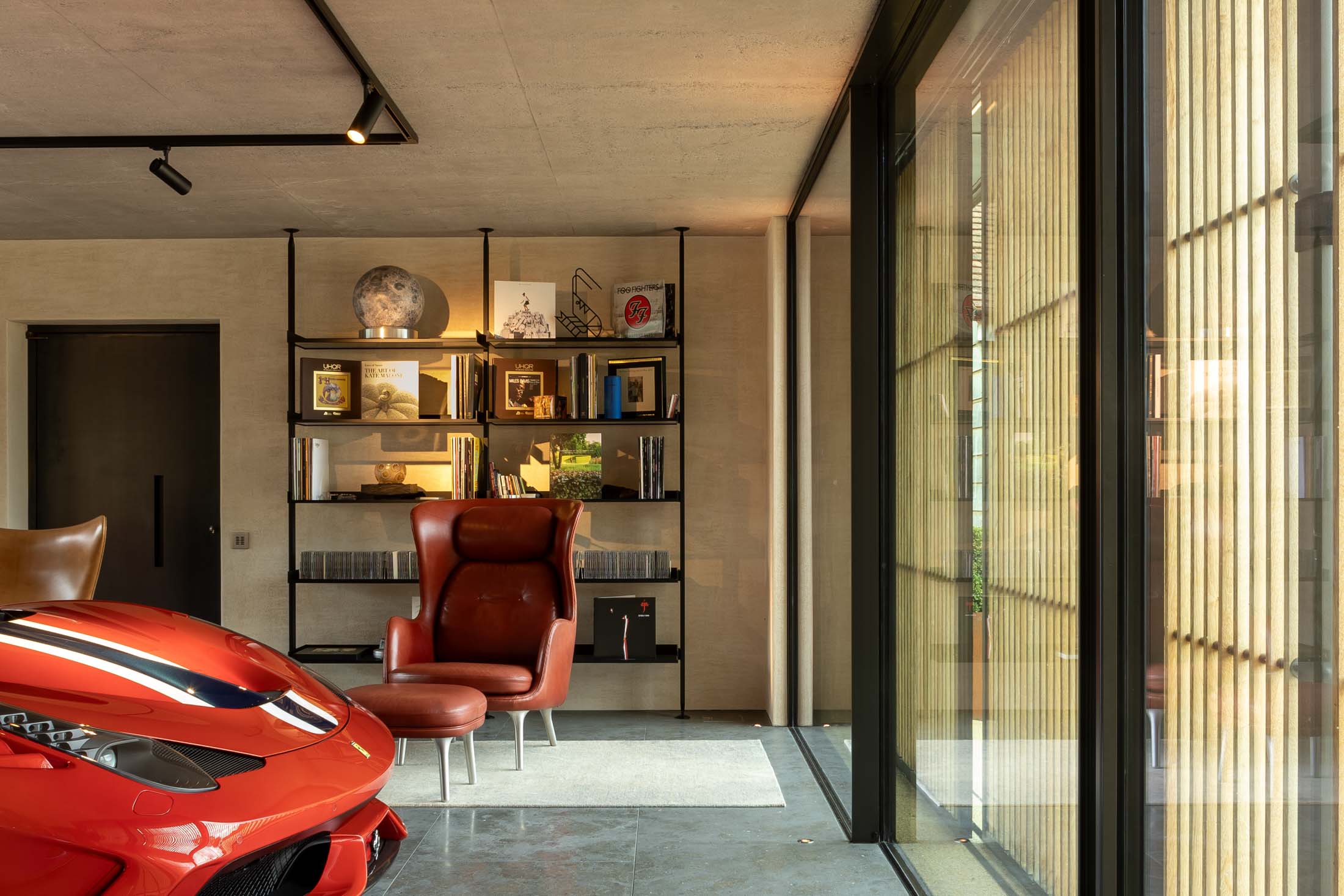 Photographer: Ellie Walpole | |
| |
| |
| |
| |
| Enjoying Bloomberg Weekend? Check out these newsletters: - Businessweek Daily for fresh perspectives on business, economics, politics and tech.
- Business of Food for a weekly newsletter on how the world feeds itself in a changing economy and climate, from farming to supply chains to consumer trends.
- CityLab Weekly for the week's most thought-provoking stories, ideas and analysis from cities around the world.
- Pursuits for a guide to the best in travel, eating, drinking, fashion, driving and living well.
- Screentime for a front-row seat to the collision of Hollywood and Silicon Valley.
Explore all newsletters at Bloomberg.com. | |
| |
Like getting this newsletter? Subscribe to Bloomberg.com for unlimited access to trusted, data-driven journalism and subscriber-only insights. Before it's here, it's on the Bloomberg Terminal. Find out more about how the Terminal delivers information and analysis that financial professionals can't find anywhere else. Learn more. Want to sponsor this newsletter? Get in touch here. | | | You received this message because you are subscribed to Bloomberg's Bloomberg Weekend newsletter. If a friend forwarded you this message, sign up here to get it in your inbox. | | |












No comments:
Post a Comment