| Read in browser | ||||||||||||||
  Welcome back to Pursuits Weekly, our look at the world's biggest culture stories, as well as ideas and recommendations around travel, dining and art. Sign up here to get this newsletter every Saturday in your inbox. The price-to-quality sweet spot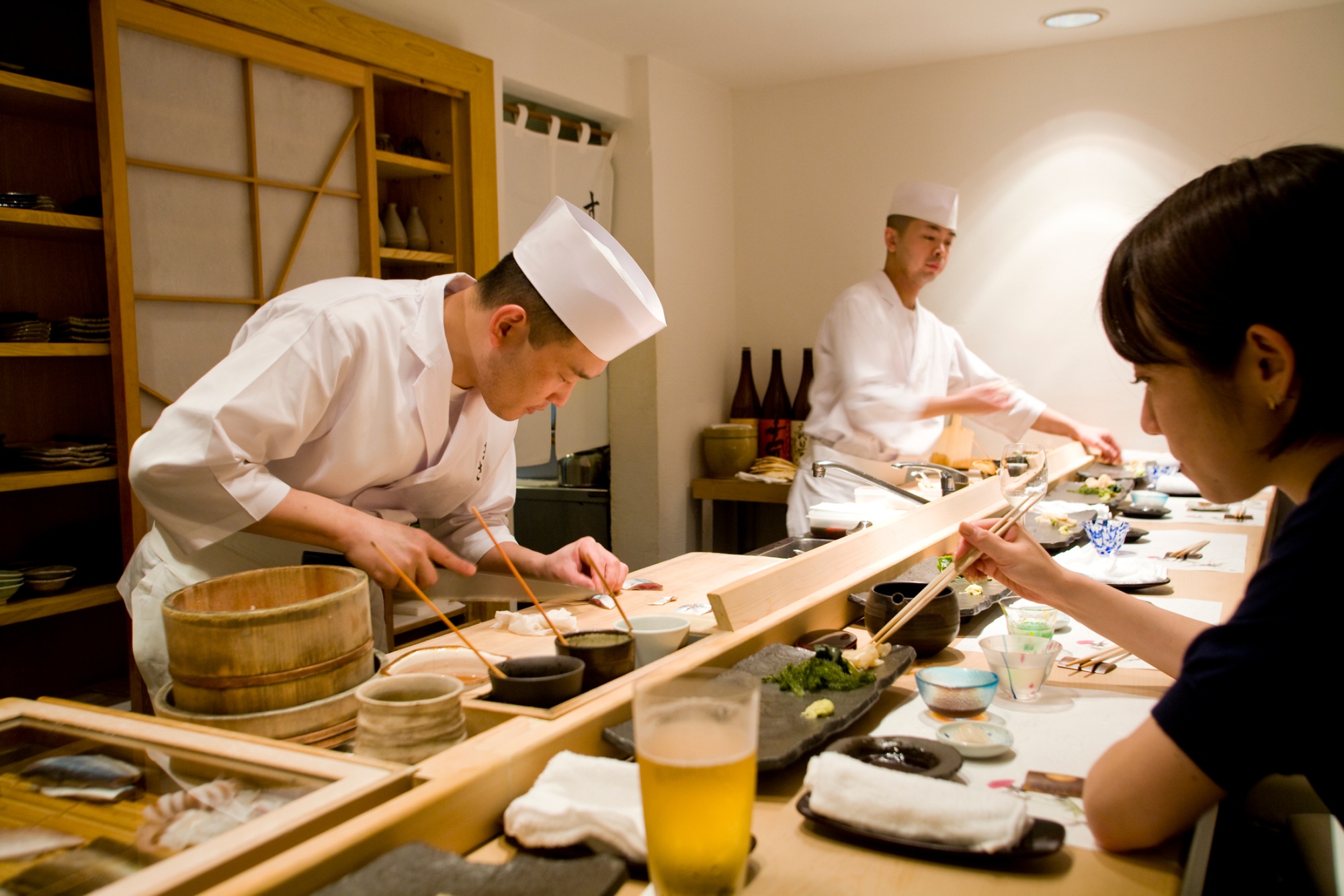 This'll still be better than anything you can get at home. Source: Getty Images "Very few people have the knowledge it takes to understand the diminutive differences that make sushi go from great to exceptional," Brandon Presser writes in his how-to guide to eating sushi in Japan. "Even professional critics struggle." This is great news for those of us in the 99.9% who don't have the ability to even discern those differences, let alone appreciate them. Because while the gap between great and exceptional might be tiny in gustatory terms, it can be enormous in dollar terms — even if you have the ability to get into the ultra-elite tier of restaurants, which you probably don't. Presser's recommendation is therefore to avoid high-end omakases in the ¥30,000–¥60,000 range, which works out to $200 per person or more. At that point, he says, "you're largely paying for prestige and bragging rights." What's more, the sepulchral seriousness of the top places can make meals less enjoyable than slightly less formal places where the chef will be friendlier or chattier, and your travel memories perhaps more vivid. After more than 20 years of eating sushi in Tokyo, Presser reckons that most of us should cap our spending on a sushi night out at about ¥6,000–¥12,000. Call it $30 to $75 per person. Sushi Komari is one such place, but with more than 5,000 sushi restaurants in Tokyo alone, I suggest letting serendipity guide you. The highlights of most of my trips to Japan have been meals neither sought out nor recommended anywhere online. Sushi in Japan, then, has what I think of as a typically asymptotic relationship between price and quality, where each marginal extra dollar you spend gets you a rapidly diminishing improvement in quality. 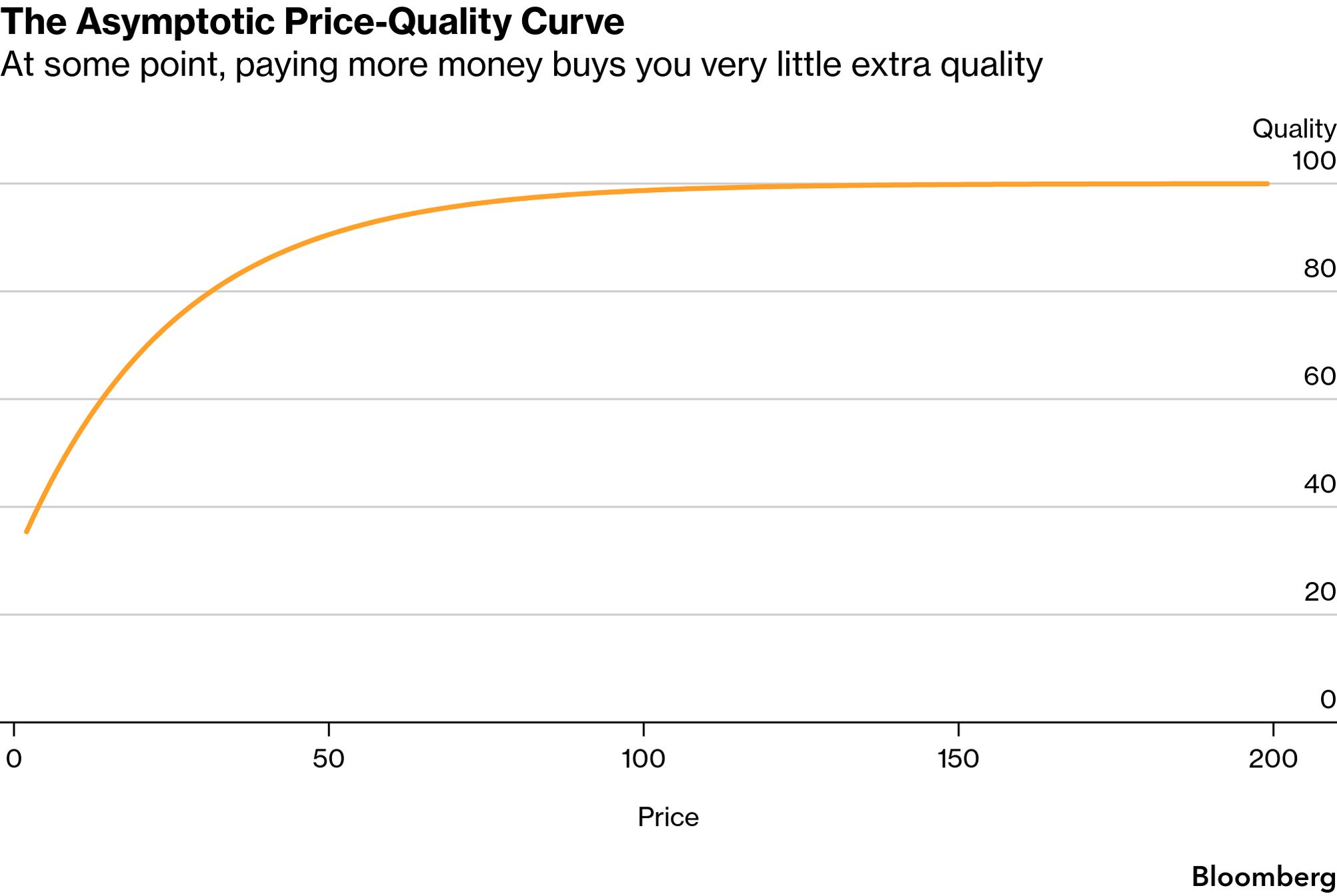 Another example might be coffee grinders: Yes, they're important, if you want to make top-notch espresso at home. But when Weber Workshops' EG-1 or the Monolith Flat MAX come in at more than $4,000, "most of the appeal seems to be about the prestige of owning something built by hand," writes Robb Mandelbaum. For something almost as good at a fraction of the price, try the Turin DF64 Gen 2.5 ($359) or the acclaimed Niche Zero ($689). There are some spheres where quality actually goes down at the very top of the price spectrum. Brad Japhe tasted the Yamazaki 55, a bottle of whisky that has sold for as much as $780,000 at auction, and reports that "it's not the best liquid I've ever tasted from the Osaka, Japan-based distillery. It might not even be in the top three." The Yamazaki Sherry Cask 2016 edition is superior, he says; even if you end up spending $8,000 on it, that's still a bargain in comparison. Developing a high degree of connoisseurship is not easy; it takes a lot of time, and often money too. The wise therefore seek out the very best only in those few areas where they can truly appreciate it. To pay for it, they can use the savings they get from consuming the merely good in the rest of their lives. By the numbers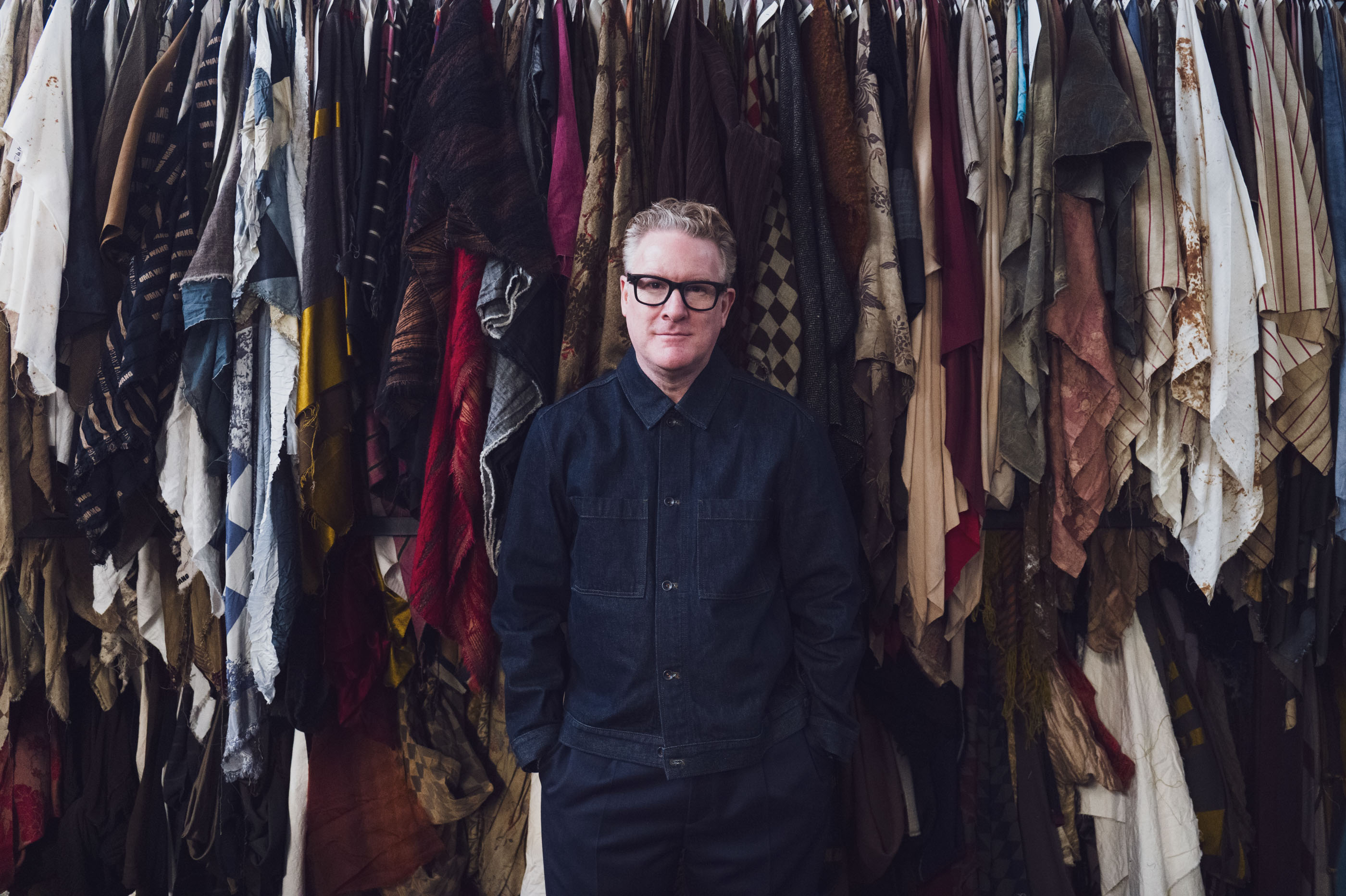 Todd Snyder's brand is all-American, but he sources his fabric, and makes his clothes, in Italy. Photographer: Clara Vannucci for Bloomberg Businessweek 23 The number of Todd Snyder stores. They're "all in places where men have money to spend on fashion and recognize good fabrics and high-end construction when they see them," Chris Rovzar writes. The brand is owned by American Eagle Outfitters Inc., whose CEO wants that number to more than double. 10,200 feet The elevation of the vineyards where the $140 Bodega Colomé Altura Maxima Malbec is grown in Argentina. The wine "has a luscious floral element that will change your mind about malbec," Elin McCoy writes, thanks in large part to the fact that mountain wines manage to combine highly concentrated flavors with a lighter, fresher, lower-alcohol style. $55,000 Annual tuition at Alpha Schools, which will open this fall in Chicago for children in kindergarten through eighth grade. It has no teachers, which is something Melania Trump would probably welcome. Agentic sex work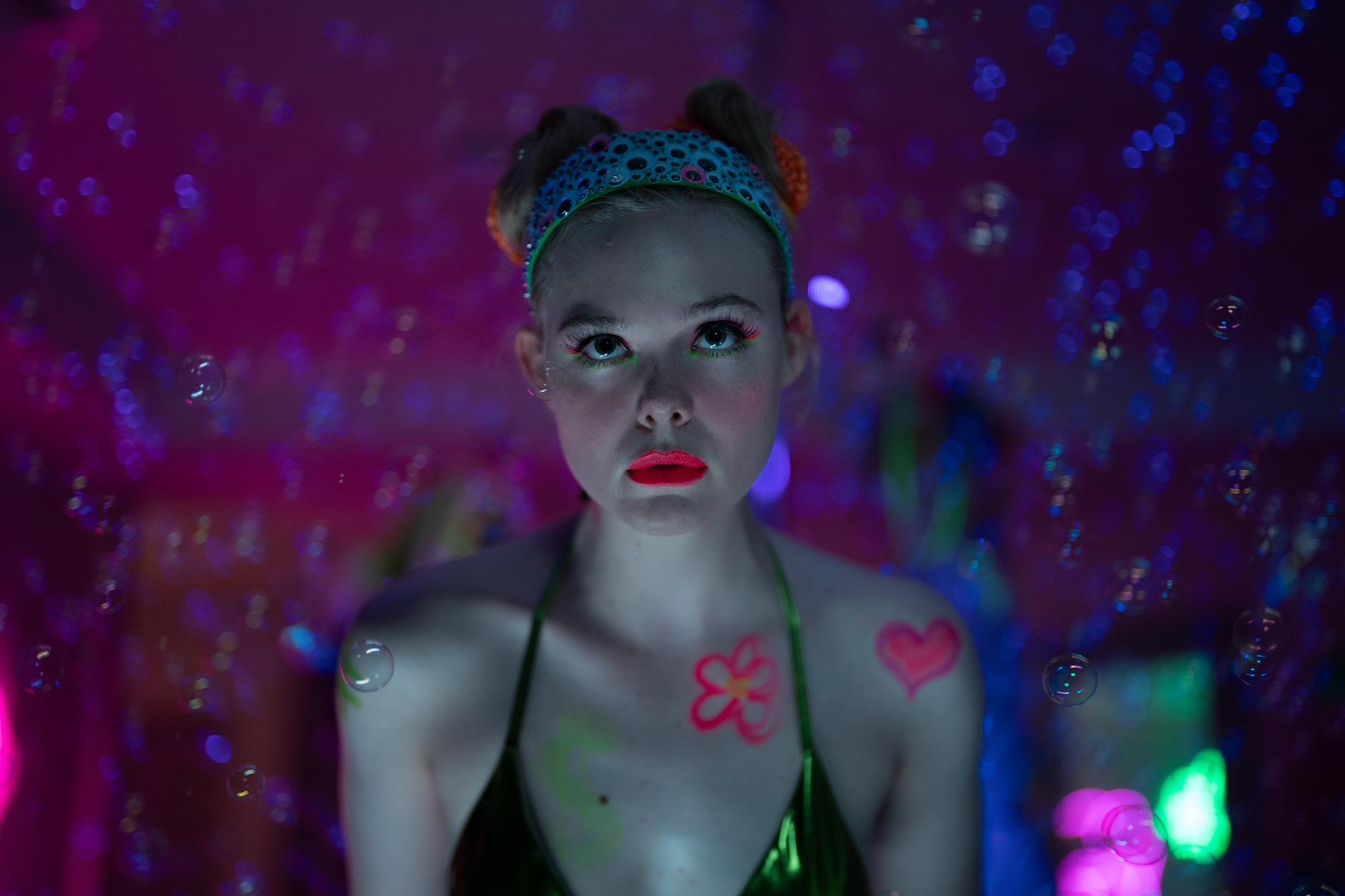 Elle Fanning as the titular Margo. Photographer: Allyson Riggs/Apple TV Leonid Radvinsky, the reclusive billionaire owner of adult content platform OnlyFans, died of cancer this week at the age of 43. His acquisition of the company in 2018 reshaped the pornography industry by allowing creators to charge directly for their content — but it's really only now, with Margo's Got Money Troubles, a series premiering on April 15 on Apple TV, that those changes are being reflected in the way sex workers are portrayed in pop culture. The show "speaks to a moment in which sex work is diversified and accessible," writes Esther Zuckerman. While historically Hollywood has placed sex workers in a desperate situation, waiting to be saved, "now filmmakers are inching toward depictions of sex workers with more agency." For Margo, "OnlyFans ultimately becomes a way to reclaim control of her life." Airport miseries compoundThe waits to get through security at US airports are the longest they've ever been, which is enough to put folks on edge even without a fatal crash at LaGuardia Airport dominating headlines. Experts are worrying that a shortage of air traffic controllers is making flying more dangerous. It's certainly more expensive. 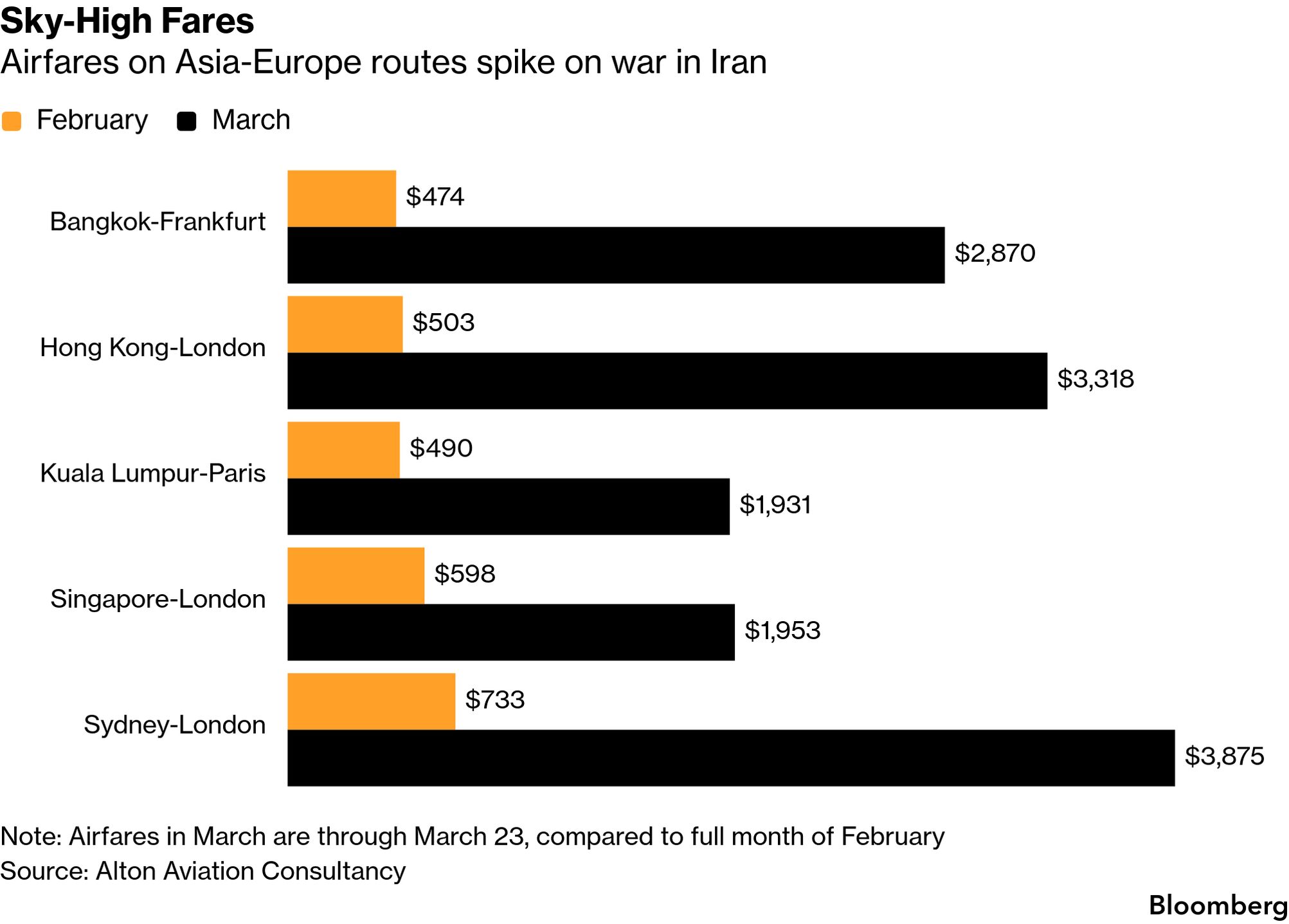 As tens of thousands of stranded passengers can attest, airlines have been selling available seats for ultrahigh prices, rather than giving them to passengers whose earlier flights had been canceled. Perhaps the move is to take a staycation instead. There's a very good chance that Bloomberg's city guides — including Two-Night Minimum and Five Top Tables — span most of the globe and probably include your hometown. As Chris Rovzar wrote in 2024, there are myriad benefits to using precious vacation time right where you live. The new New Museum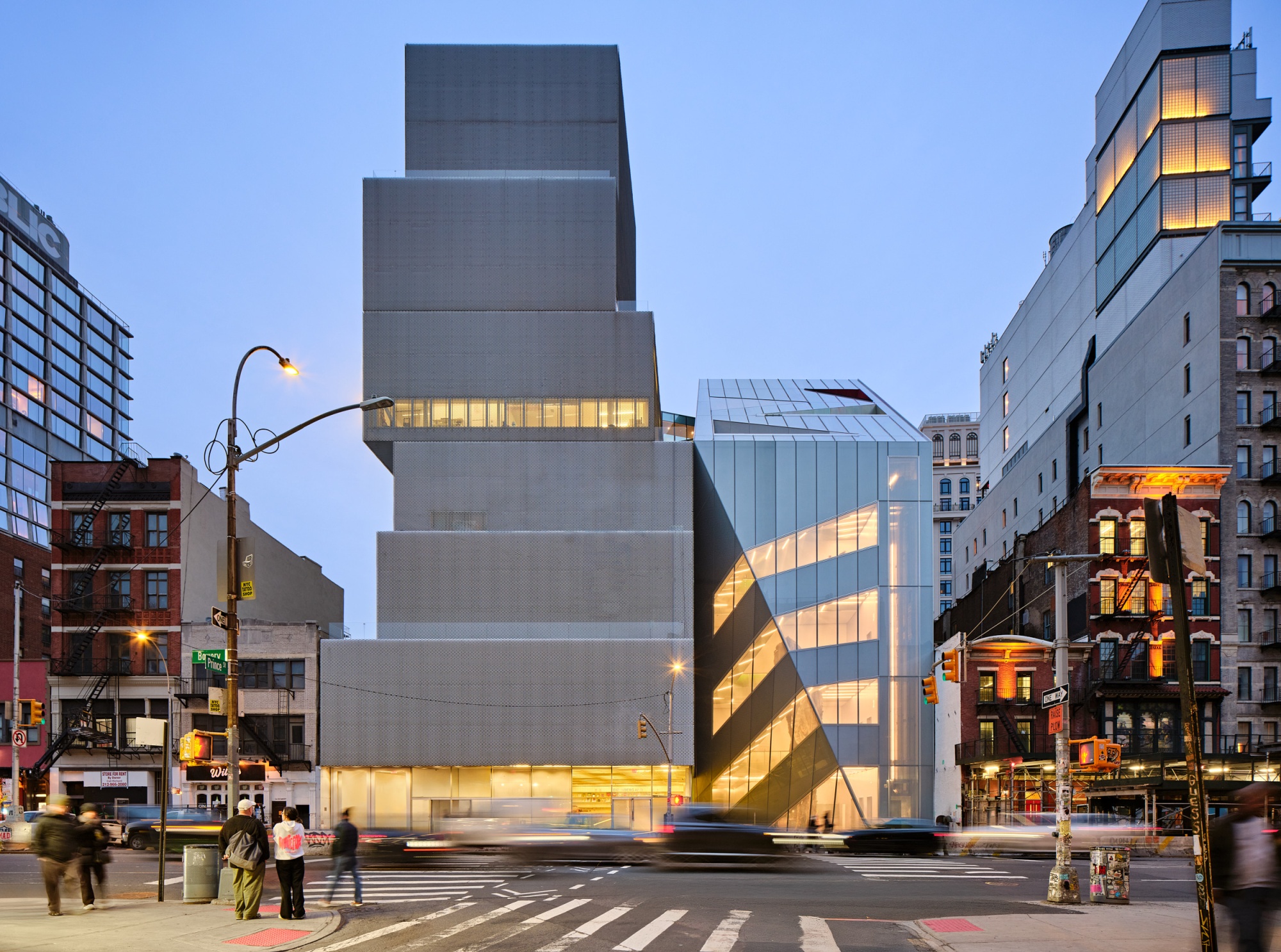 OMA's new building, on the right, attaches to Sanaa's older building, on the left. Photographer: Jason Keen/New Museum The New Museum, a scrappy Manhattan institution devoted to bleeding-edge contemporary art, was founded in 1977 and didn't have its own purpose-built location until it moved to the Bowery in 2007. That jumble of rectangular galleries, stacked like a bundle of shirt boxes, was designed by Sanaa; it now has a brand-new next-door neighbor, designed by Rem Koolhaas and Shohei Shigematsu of OMA. "For a place that's always challenged institutional dogma, the New Museum has embraced some awfully familiar ideas about cultural space," writes Kriston Capps. It now, he says, "resembles the old guard institutions that it strives to beat to the punch." Bloomberg House Miami | April 29-30Bloomberg House arrives in Miami at the Formula One Grand Prix. Set against one of the world's most electrifying sporting events, we bring together business, investment, real-time data and Bloomberg journalism to fuel forward-looking discussions, as well as exclusive networking with global leaders. Register here. New for subscribers: Free article gifting. Bloomberg.com subscribers can now gift up to five free articles a month to anyone you want. Just look for the "Gift this article" button on stories. (Not a subscriber? Unlock unlimited access and sign up here.) We're improving your newsletter experience and we'd love your feedback. If something looks off, help us fine-tune your experience by reporting it here. Follow us
You received this message because you are subscribed to Bloomberg's Bloomberg Pursuits newsletter. If a friend forwarded you this message, sign up here to get it in your inbox.
|
Saturday, March 28, 2026
The right amount to pay for sushi





Subscribe to:
Post Comments (Atom)
-
PLUS: Dogecoin scores first official ETP ...
-
Bloomberg Evening Briefing Americas View in browser Who's paying for Donald Trum...


No comments:
Post a Comment