| Read in browser | ||||||||||||||
 Welcome to Balance of Power, bringing you the latest in global politics. If you haven't yet, sign up here. Vladimir Putin is seizing on the turmoil in global energy markets over the war in Iran to advance Russia's geopolitical goals. He's doing so by playing an extraordinary diplomatic game with Washington. Putin spoke with Donald Trump even as Russia was feeding intelligence to help Iran's military target US forces in the region. And the US president raised the prospect of easing sanctions just hours after Putin declared "unwavering support" for the new Iranian supreme leader. While Putin has urged a halt to hostilities, it's in the Kremlin's interest for the war to continue. With Gulf states using huge numbers of air-defense missiles against Iranian attacks and the Trump administration consumed by the conflict, the risk for Ukraine is that it gets harder to obtain weapons it needs to defend against Russia's full-scale invasion. Surging oil and gas prices after the effective closure of the Strait of Hormuz are delivering a financial windfall to Russia's struggling budget, boosting Putin's ability to continue financing his war. 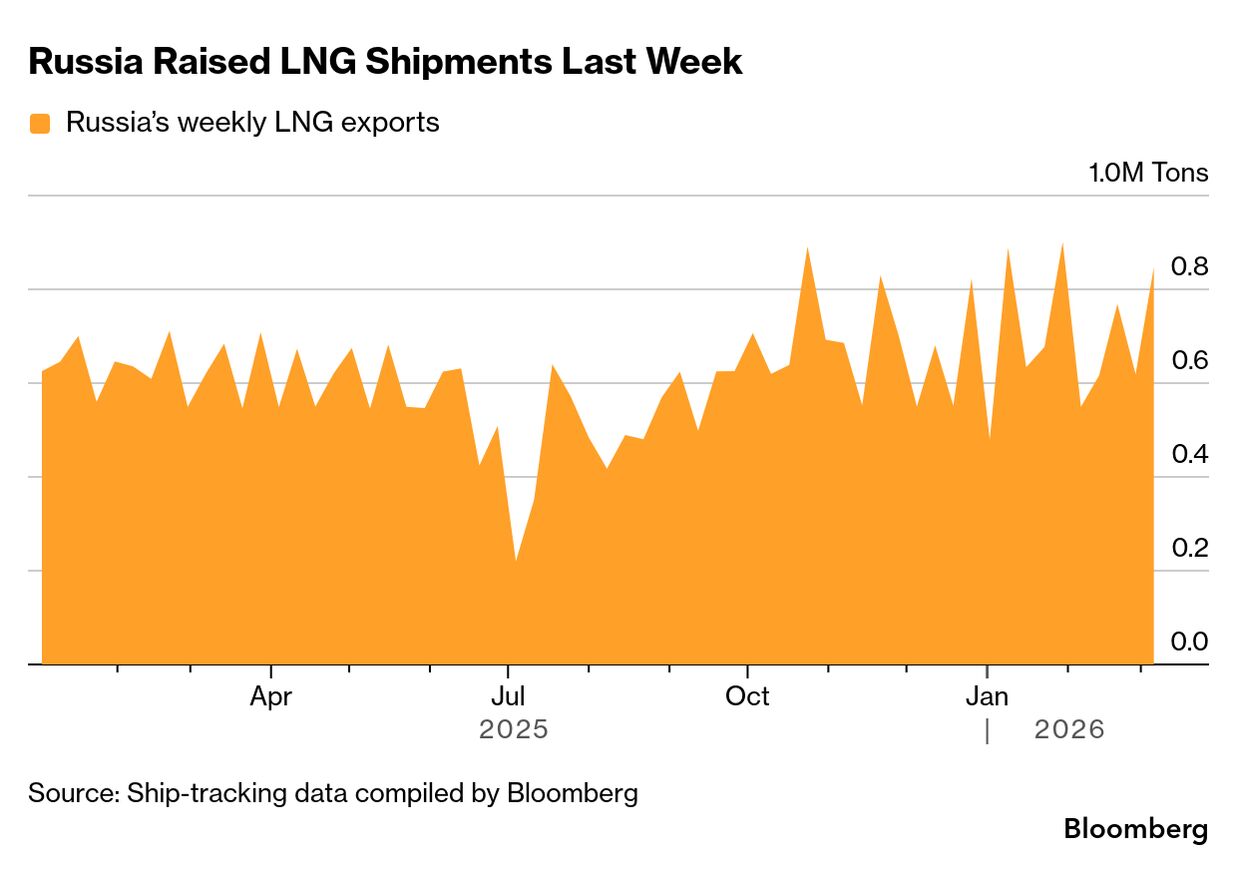 The crisis is handing him an opportunity to test Europe's rejection of Russian energy supplies. Some European Union officials fear that economic pressures over fuel prices may deepen splits between member states, giving Moscow leverage to weaken the bloc's support for the government in Kyiv. Kremlin envoy Kirill Dmitriev met top Trump officials in Florida yesterday to discuss the energy crisis and "promising projects" for economic cooperation between the US and Russia. That adds to European anxieties about Trump's willingness to continue supporting NATO allies against Russian aggression. Russia suffered setbacks when allies in Syria and Venezuela were toppled. It can offer little to support Tehran or help Cuba resist US pressure. Its army is bogged down in Ukraine in a fifth year of war. Yet the Middle East crisis gives Putin a chance to achieve two key objectives: winning a favorable deal in Ukraine and peeling a willing US away from Europe toward partnership with Moscow. — Anthony Halpin 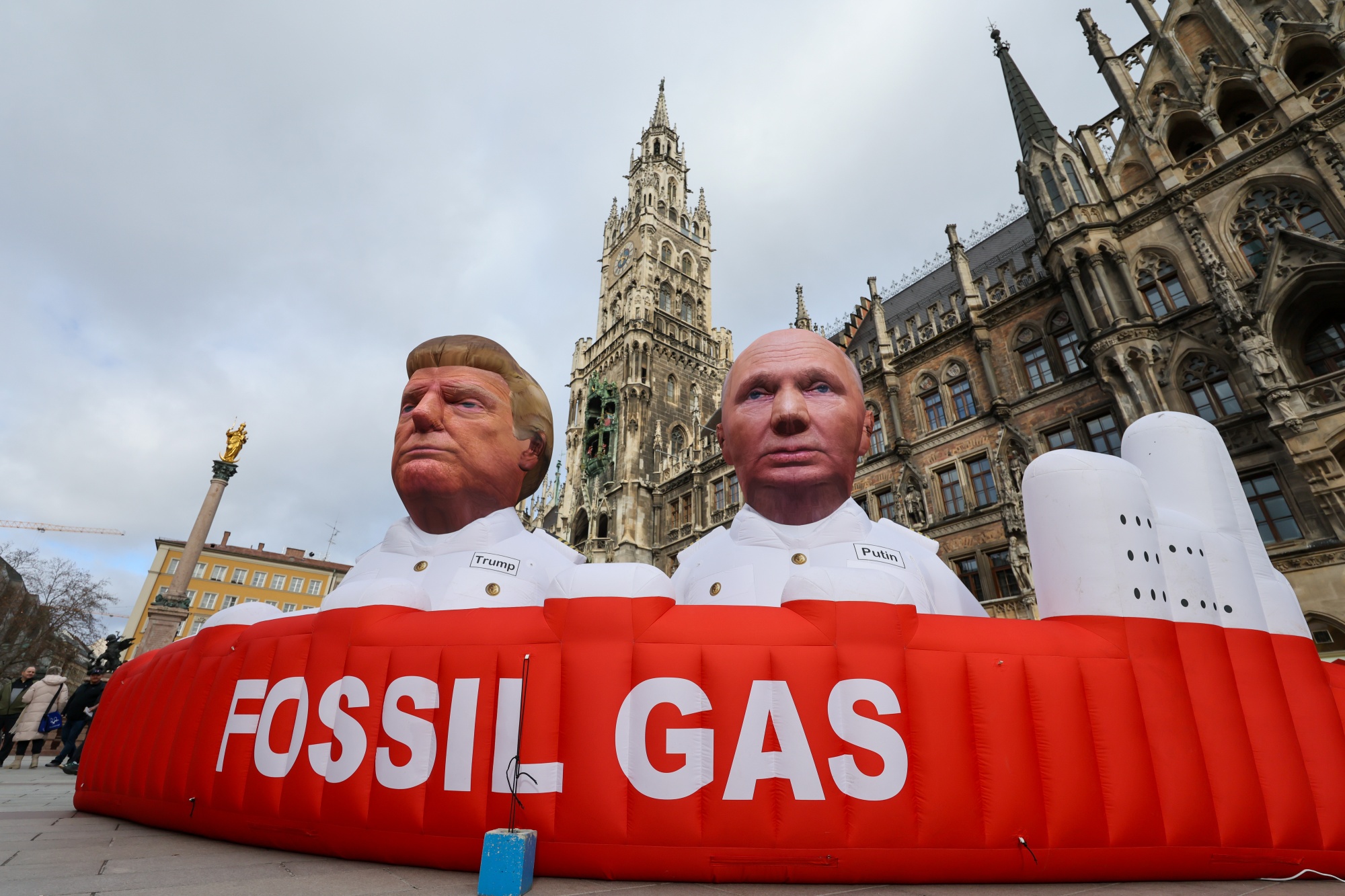 Inflatable figures of Trump and Putin during a protest by Greenpeace in Munich on Feb. 13. Photographer: Alex Kraus/Bloomberg Global Must ReadsIran escalated attacks on parts of Dubai and shipping assets, as risks to global energy supplies from the US-Israeli war on Tehran deepened. Trump said a substantial release of emergency oil reserves by the 32 countries that belong to the International Energy Agency would ease price pressures while the US seeks to "finish the job" in its campaign against Tehran — though it did little to calm volatile markets. 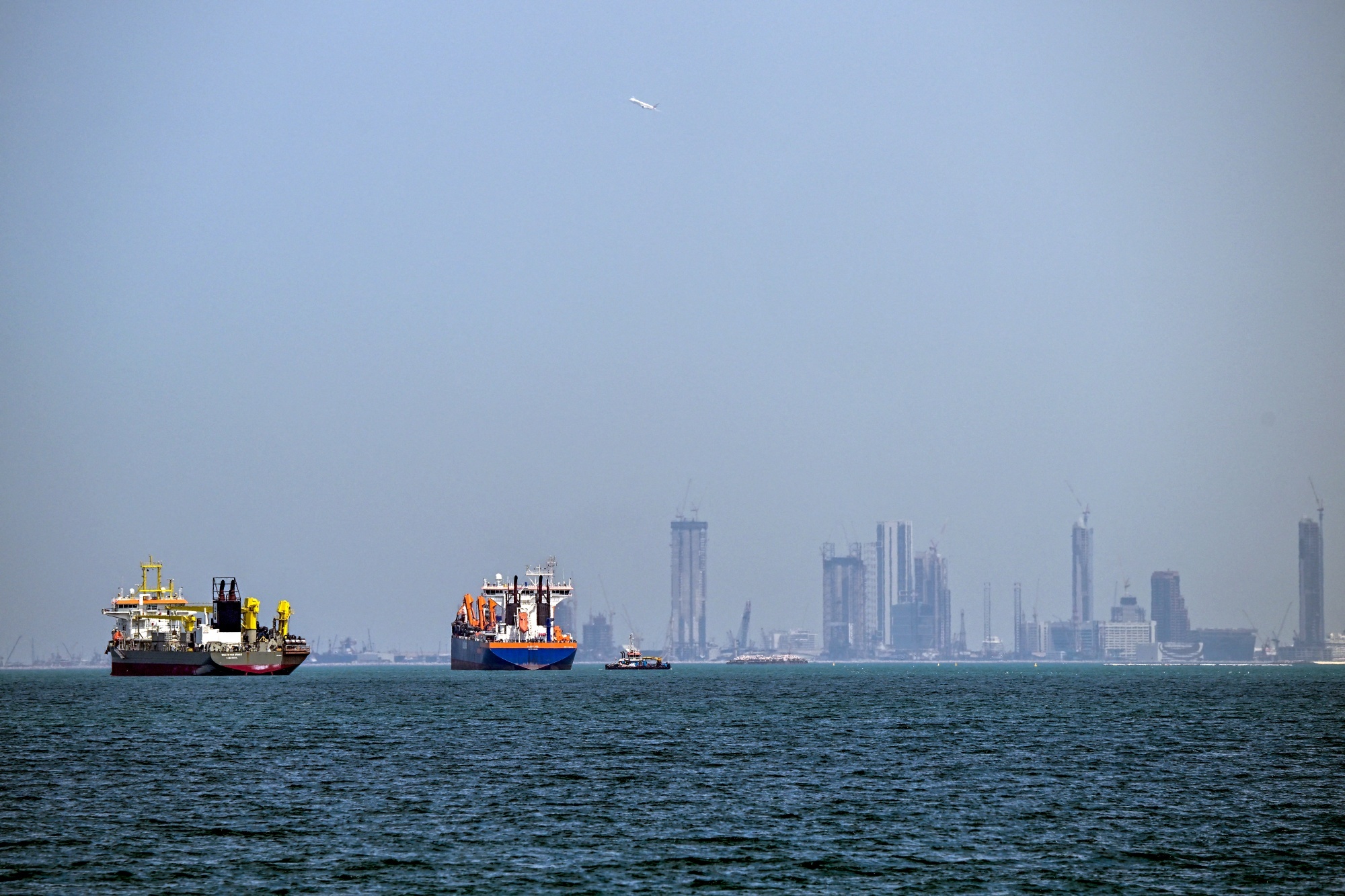 WATCH: Oil surged above $100 on the evacuation of ships from an Oman facility and a halt of operations at Iraqi terminals. Iran told regional intermediaries that for a ceasefire, the US must guarantee neither it nor Israel will attack the country in the future, sources say. Tehran is particularly concerned Israel will strike again after the current war ends, they said, adding that European and Middle Eastern nations are facilitating the back-channels. The Trump administration announced a detailed trade probe into more than a dozen economies — from China and the EU, to Mexico, India and Norway — that sets the stage for new tariffs after the US Supreme Court struck down the previous levies. While South Korea was also included, the parliament in Seoul anyway approved a bill required to implement a pledge to invest $350 billion in the US made under an existing trade deal. Marine Le Pen's National Rally is targeting cosmopolitan Marseille — far from the provincial towns that represent the far-right party's political base — as a potential stepping stone to conquering the rest of France. Polls ahead of municipal elections this month show crime ranking among voters' top concerns in the port city on the Mediterranean, and her party is hoping to ride the illiberal wave that has rattled the EU elite. Chile's new president, José Antonio Kast, broke with tradition by issuing a half-dozen decrees before his inauguration speech yesterday, in which the Trump ally promised a new era of "order, freedom and justice." Kast moved to ramp up border security, audit spending and cut red tape under his plans for an "emergency government" focused on fighting crime and irregular migration while reviving the economy. 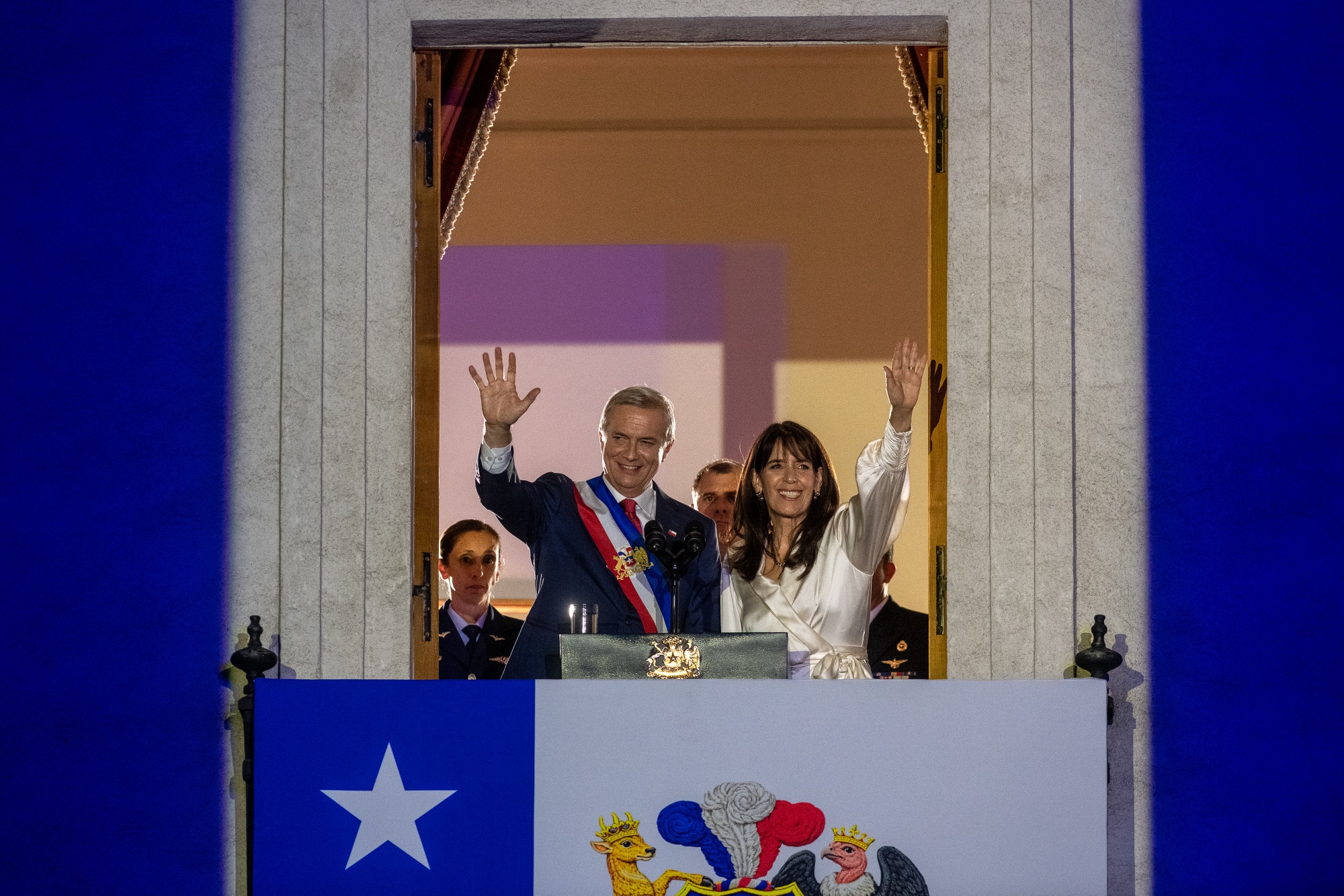 Kast and his wife, María Pía Adriasola, following his inauguration ceremony at La Moneda palace in Santiago yesterday. Photographer: Cristobal Olivares/Bloomberg Egyptian assets have been among the Middle East's worst affected by the war on Iran, a major stress test for grueling International Monetary Fund-backed reforms meant to protect against future crises. Peru's presidential race remains wide open, with none of more than 30 candidates commanding strong support ahead of next month's vote, according to a new poll. China adopted a law cementing President Xi Jinping's push to assimilate the country's ethnic minorities, another shift away from Beijing's long-held policy of giving such groups at least symbolic autonomy. EU funding for Rwandan troops helping to fight an Islamic State-linked insurgency in Mozambique expires in May and there are no plans to extend it, sources say.  Could what you know about recessions be all wrong? On the latest Trumponomics podcast, host Stephanie Flanders speaks with ExxonMobil Chief Economist Tyler Goodspeed about his new book, Recession: The Real Reasons Economies Shrink and What to Do About It. Listen on Apple, Spotify, or wherever you get your podcasts. Sign up for the Washington Edition newsletter for news from the US capital and watch Balance of Power at 1 and 5 p.m. ET weekdays on Bloomberg Television. Chart of the Day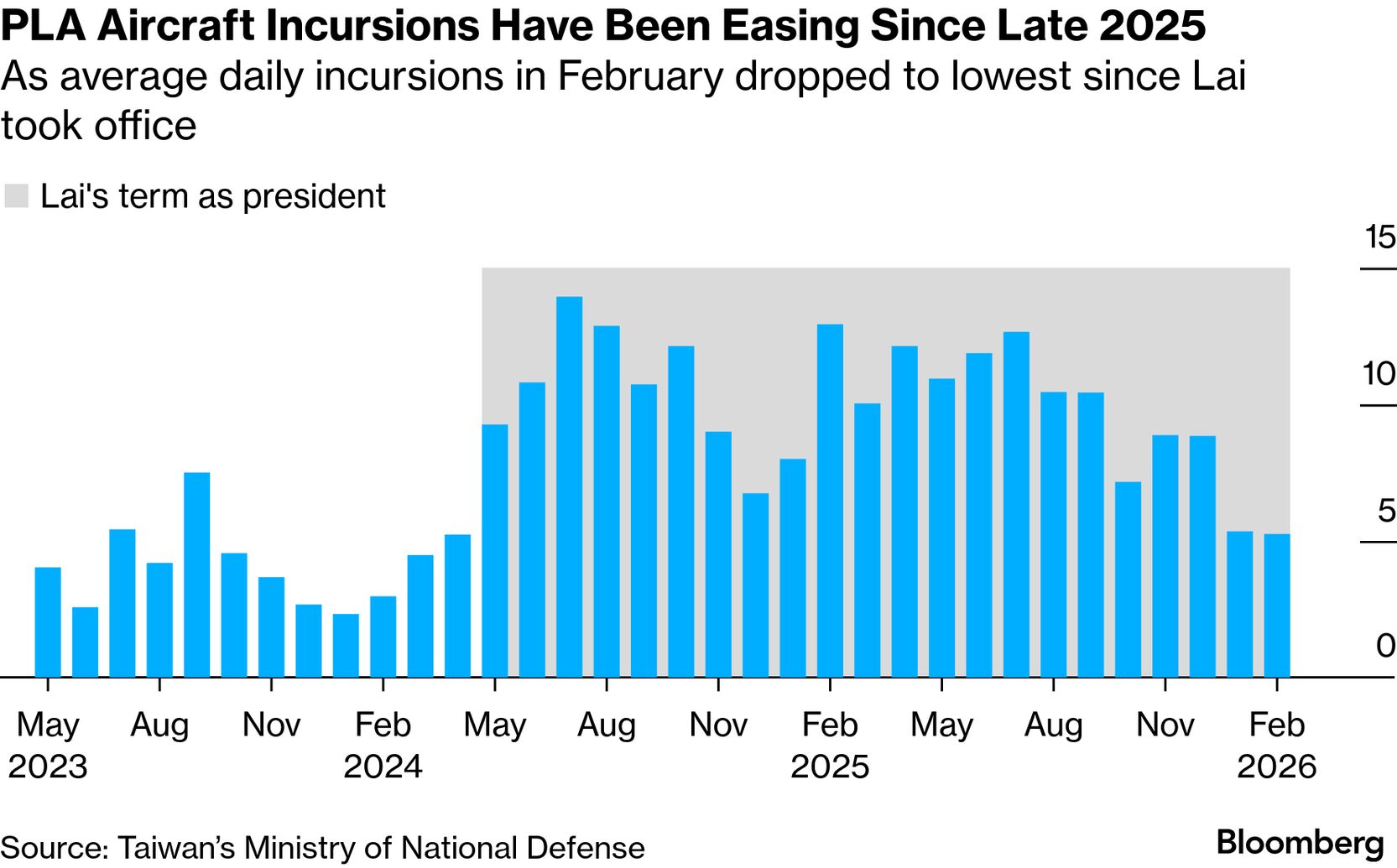 China sent at least five more People's Liberation Army aircraft into a sensitive area off Taiwan following a brief period that saw it hold off on the flights without explanation. Beijing has for years sent aircraft around the island as a pressure tactic, with Xi telling Trump last month ahead of an expected meeting between the two leaders in a few weeks that his nation would never allow Taiwan to be separated. And FinallyThe widening Middle East conflict is hitting Asia–Europe travel routes especially hard, sending fares soaring and leaving passengers facing record prices ahead of the Easter rush. More than 46,000 flight cancellations have been triggered across the region in the biggest aviation shock since the Covid-19 pandemic. The cost of one economy class round-trip ticket from Sydney to London for April has increased by more than 80%, while a business-class seat for the same route was running about 40% higher. 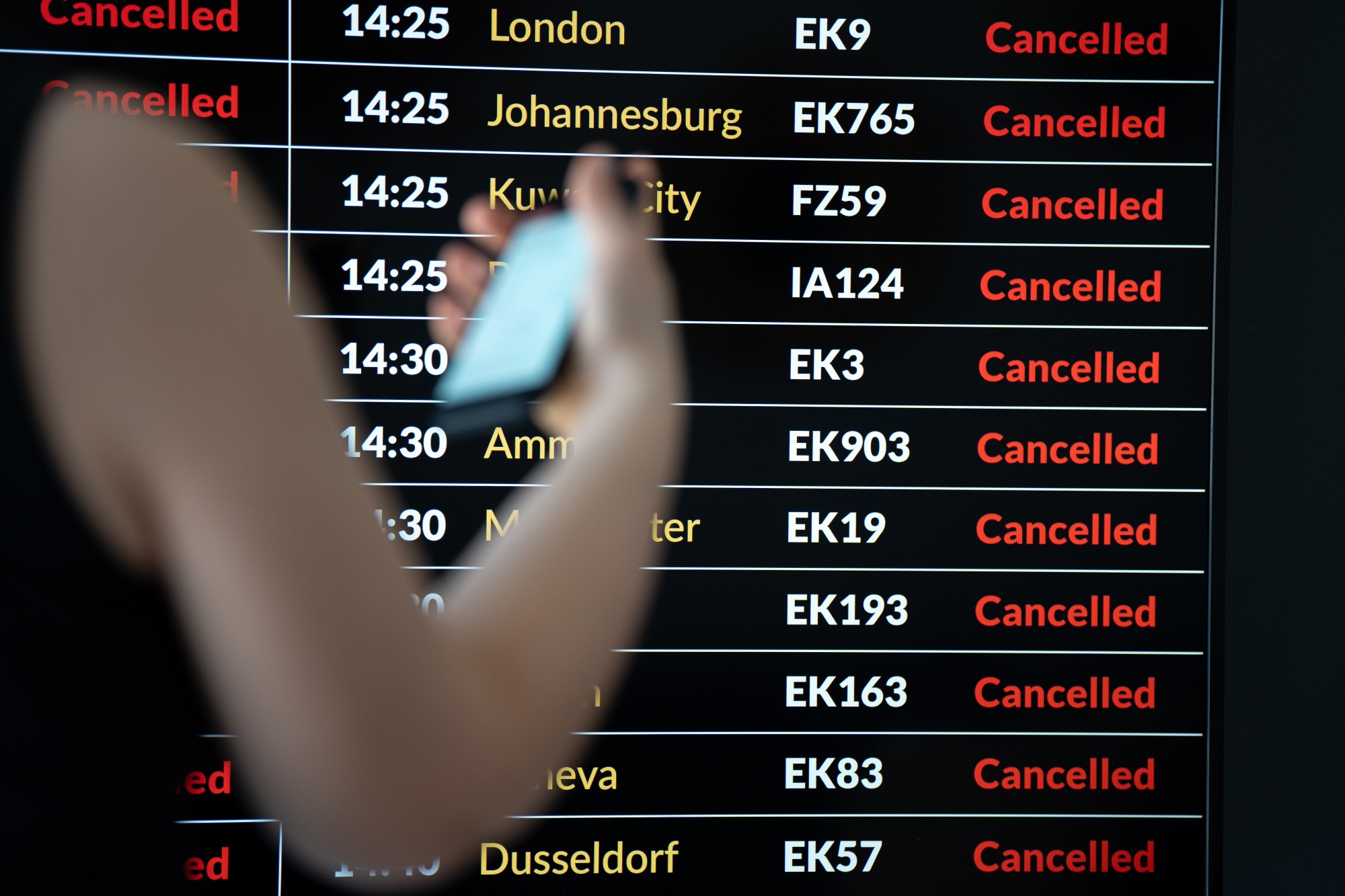 A passenger checks her flight status on an airport arrivals and departures board in Krakow, Poland, in March. Photographer: Marcin Golba/NurPhoto/Getty Images More from Bloomberg
We're improving your newsletter experience and we'd love your feedback. If something looks off, help us by reporting it here. Follow us
You received this message because you are subscribed to Bloomberg's Balance of Power newsletter. If a friend forwarded you this message, sign up here to get it in your inbox.
|
Thursday, March 12, 2026
Putin’s double game





Subscribe to:
Post Comments (Atom)
Play a fast one against Wall Street with this options secret
These "forced buys" leave a visible trail Sponsored ...
-
PLUS: Dogecoin scores first official ETP ...
-
Bloomberg Evening Briefing Americas View in browser Who's paying for Donald Trum...


No comments:
Post a Comment