| Read in browser | ||||||||||||||
 Welcome to Balance of Power, bringing you the latest in global politics. If you haven't yet, sign up here. From Asia to the Gulf and most of the European Union, the strategy adopted by America's allies for dealing with Donald Trump has been to praise and flatter him in the hope that he eventually plays nice. As the US president's war on Iran drags on, it is (with very few exceptions) no different. Almost nobody dares call Trump out. Both in public and private, many have commended and even thanked him for his actions in Iran, according to multiple officials briefed on those conversations. Any questioning of the lack of answers on the war's goals and endgame has been timid. But in discussions among themselves, many of those same governments are nervous, if not fuming, the officials say. One Gulf leader told a European counterpart on a recent call that they privately despaired at what Trump was doing and thought he didn't have a plan but did not want to communicate those concerns directly to the Americans. 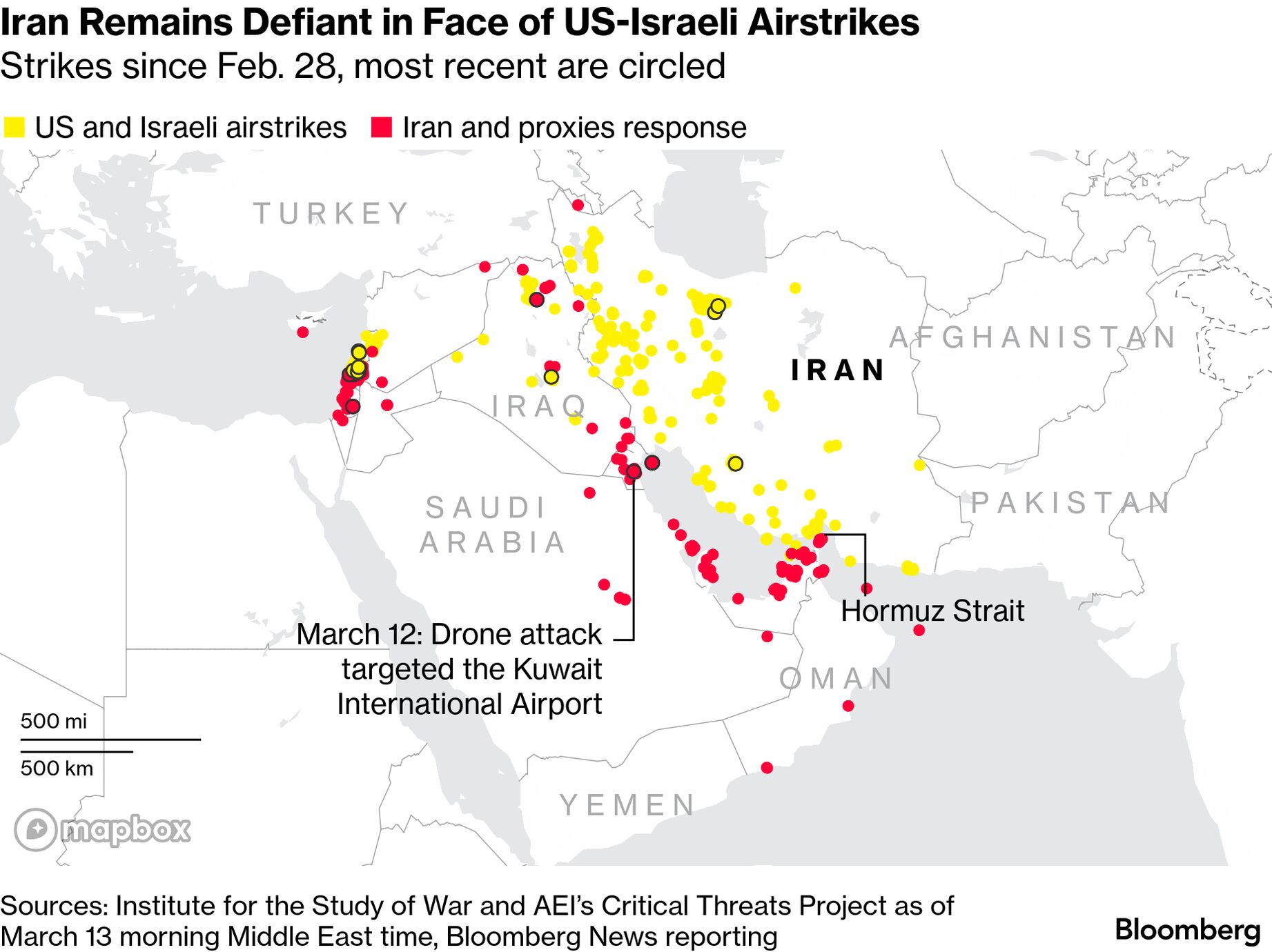 A person close to a western European leader said they were furious with the likely impact of Trump's war on the global economy and on security but argued little would be gained by expressing that publicly. Europeans are particularly riled by the US decision to ease sanctions on Russian oil. With Trump and Iran's new supreme leader refusing to back down, oil prices remain stubbornly high at around $100 a barrel as disruption continues. The consequences in Europe, the Gulf and much of Asia could be lasting and profound if the war continues for many more weeks. The tactics of allies toward Trump aren't new. They've tried to cajole him on trade, on Russia over the war against Ukraine, and to influence his dealings in the Middle East or with China. Success has been scant, the lessons learned few. The difference now is the stakes are rapidly getting higher. World leaders are increasingly anxious that Trump may be driving them all toward a precipice. — Alberto Nardelli and Alex Wickham 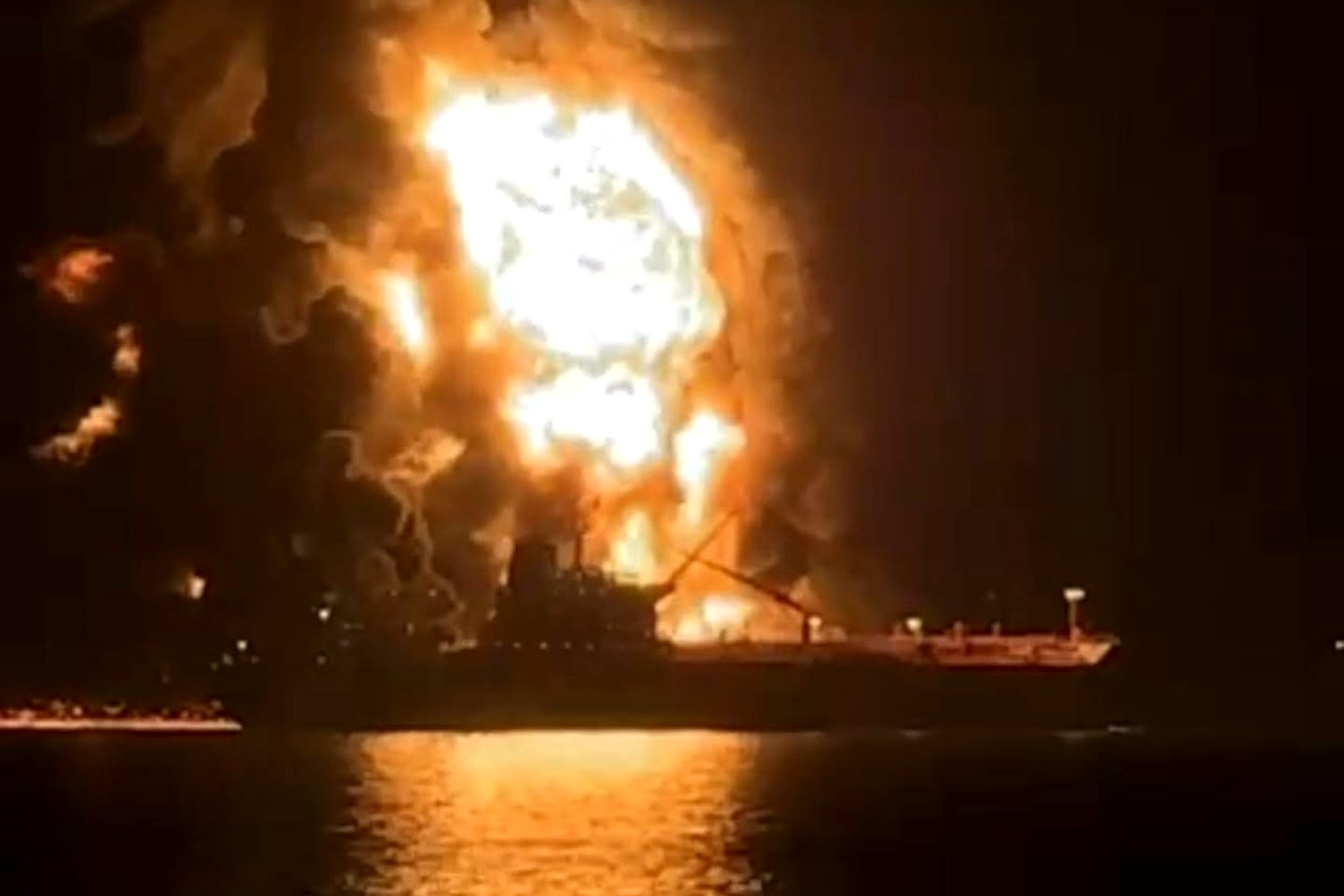 A fire on an oil tanker after it was hit in Iraqi waters. Source: Iraqi Ports Global Must ReadsTrump and Iran's new supreme leader struck defiant tones on the war, offering little relief to energy markets despite fresh efforts to curb oil prices. In his first public comments since succeeding his father, Mojtaba Khamenei vowed to keep the key shipping route through the Strait of Hormuz effectively closed. Israeli Prime Minister Benjamin Netanyahu said the US-Israeli strikes can't guarantee regime change in the country without an internal uprising. Using an artificial intelligence-enabled mission control called Maven Smart System, the US attacked 1,000 targets in the first 24 hours of the war on Iran, about twice the scale of the shock-and-awe campaign in Iraq in 2003. Read today's Big Take here on how Washington enlisted Silicon Valley in its vision for AI warfare. Meanwhile, estimates suggest the number of Iranian missile launchers has held steady, showing the difficulty of finding small, mobile targets without having complete control of the skies. Russia is providing Iran with intelligence support, including satellite imagery and drone targeting tactics, to help Tehran hit back at US forces in the region, sources say. With growing pressure on energy prices as the Middle East war continues, the US Treasury issued its second authorization easing sanctions to allow buyers to take Russian oil cargoes already at sea. At a scenic beach spot in eastern India, cadet Dileep Palla fast became friends with the young Iranian sailors he was assigned to show around after they'd participated in one of the world's largest naval exercises. Roughly a week later, many of those sailors were aboard the IRIS Dena warship sunk by a US torpedo off Sri Lanka, killing more than 80 and leaving Indians shocked at the demise of invited guests. 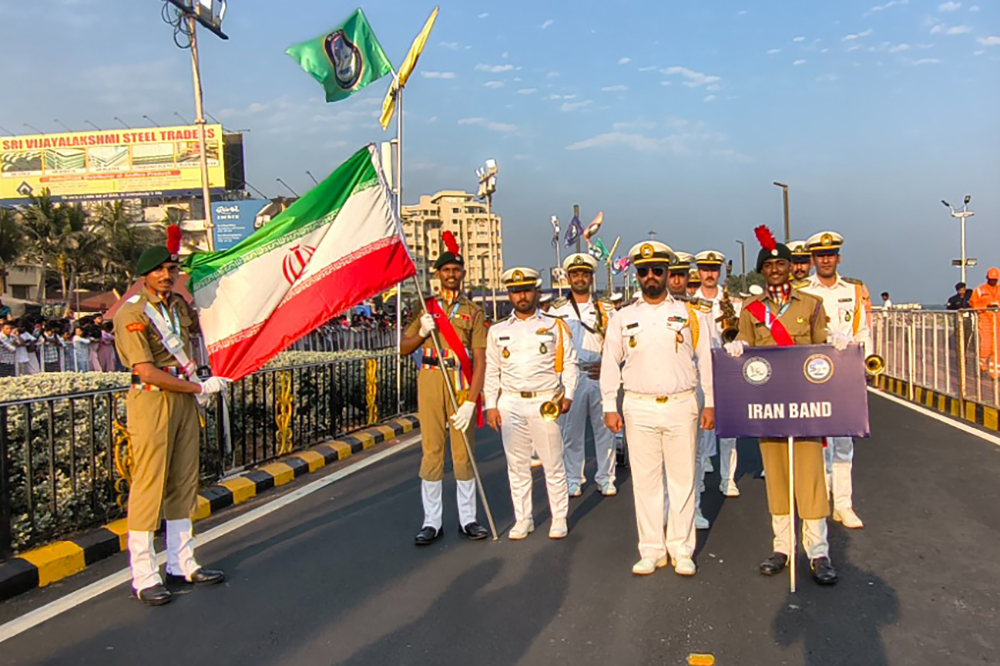 Indian National Cadet Corps' Dileep Palla, center with flag, with Iranian sailors marching in Visakhapatnam, on Feb. 19. Source: Dileep Palla Marine Le Pen's push to make France's far right palatable to the corporate and old-money elite is stirring tensions inside her party as it edges closer than ever to the presidency. A new circle of advisers with elite pedigrees is asserting influence, adopting what some National Rally officials describe as a "know-it-all" style that could alienate the base that fueled its rise, sources say. Trump wants to make Cuba financially dependent on Washington, sources say, as part of an effort to trigger regime change on the island 90 miles off the Florida coast whose Communist leaders have held out against US pressure for decades. The US, Japan and the EU are set to announce plans in the coming weeks to lay the foundation for a trade agreement in critical minerals, sources say. 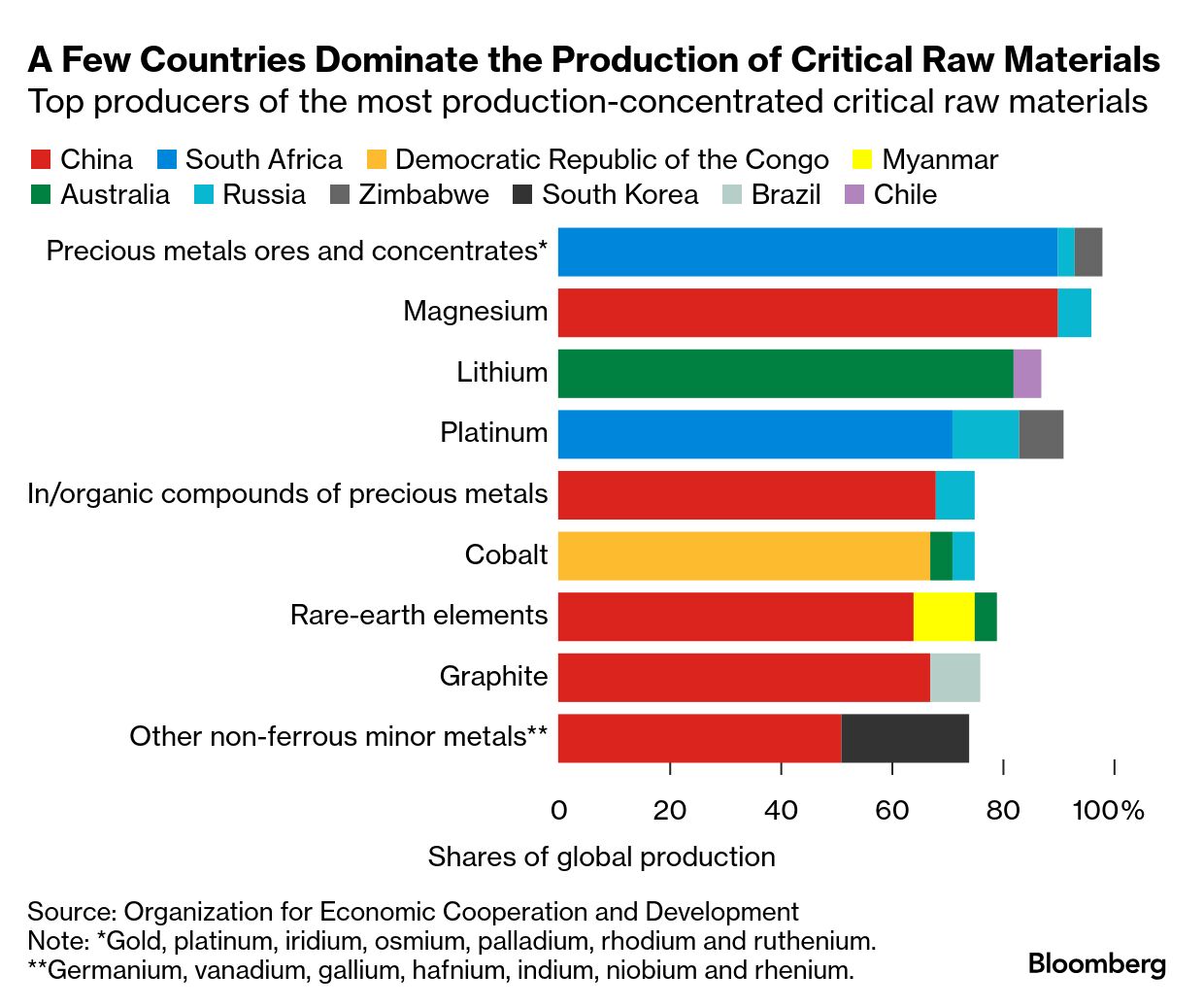 China told the US to stop selling weapons to Taiwan after a New York Times report said that Trump could wait until after his trip to Beijing later this month to sign off on a $14 billion deal. A fund that counts Trump's eldest sons among its partners invested in a pair of small companies last year that recently made abrupt pivots into drones — a technology playing a key role in the war in Iran.  Don't miss from Bloomberg Weekend: Mishal Husain discusses the Middle East conflict with Iranian-American scholar Vali Nasr. Ziad Daoud and Dina Esfandiary look at how the war could reshape the region and Alastair Gale explains how Japanese Prime Minister Sanae Takaichi is looking to overturn key elements of the nation's postwar settlement. Subscribe to the newsletter here. Sign up for the Washington Edition newsletter for news from the US capital and watch Balance of Power at 1 and 5 p.m. ET weekdays on Bloomberg Television. Chart of the Day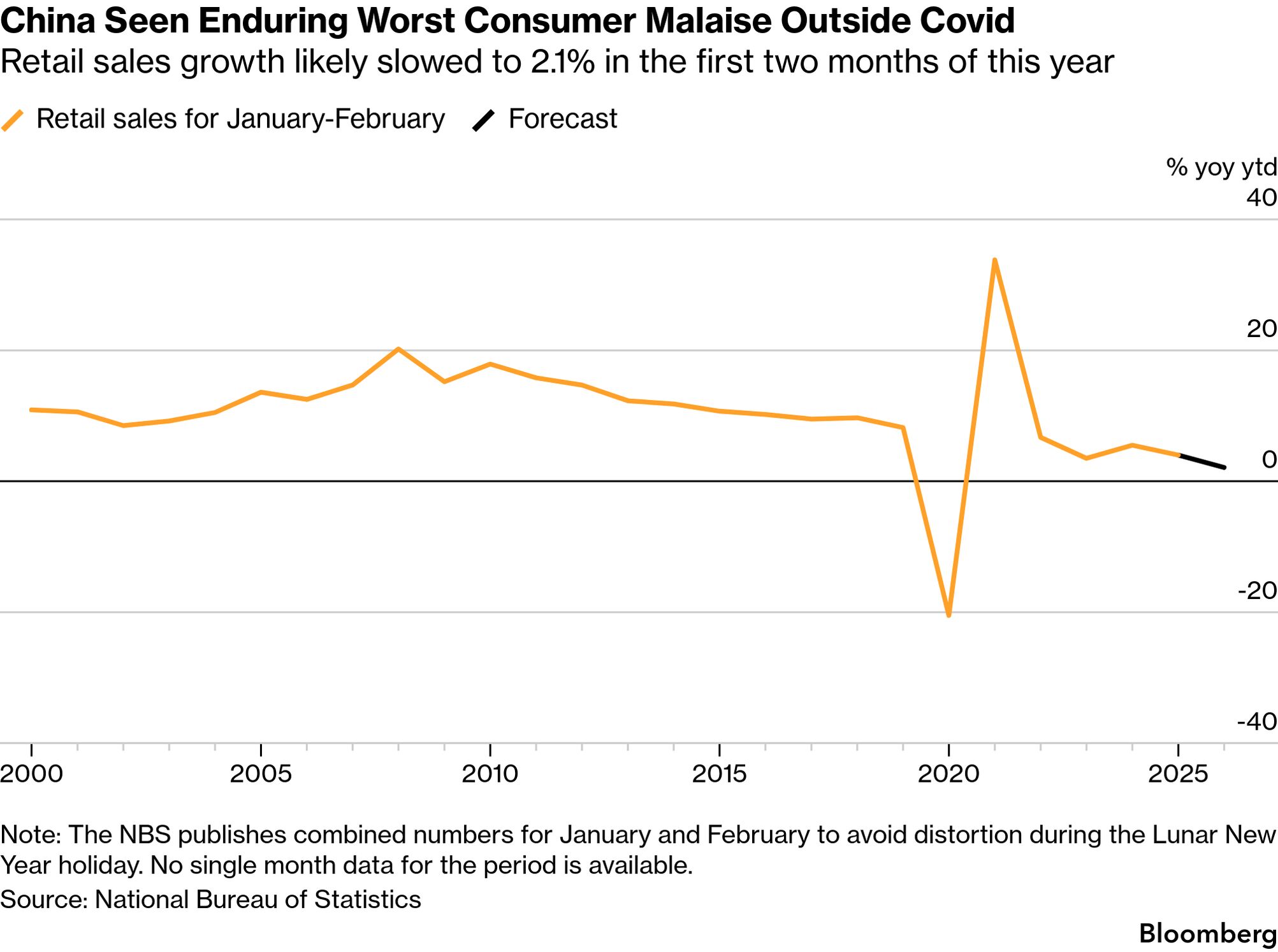 Chinese consumer spending may have booked the worst start to any year outside the pandemic, according to our survey of economists ahead of Monday's official release. If confirmed, it would be the latest indication of the scale of the challenge President Xi Jinping faces in engineering a bigger role for domestic demand in the world's second-largest economy. China's leadership unveiled its annual economic goals just last week, including its most modest growth target since 1991, a tacit acknowledgment that the model powering the country's rise is showing strains. And FinallyFrom Instagram to TikTok, young Brazilians are posting Bible verses, attending religious services and proudly identifying as evangelical or Catholic. And with that is emerging a growing alignment with right-wing politics, imbuing a cohort that represents a third of the electorate. In Latin America's most populous country, the influence of this cultural phenomenon will be tested in the 2026 presidential election.  Young Brazilians listen as a pop-rock gospel band plays during a youth service at the Casa Church in Goiânia. Photographer: Gustavo Minas/Bloomberg Pop Quiz (no cheating!). In which country did a 35-year-old rapper lead his party to victory in national elections? Send your answers to balancepower@bloomberg.net More from Bloomberg
We're improving your newsletter experience and we'd love your feedback. If something looks off, help us by reporting it here. Follow us
You received this message because you are subscribed to Bloomberg's Balance of Power newsletter. If a friend forwarded you this message, sign up here to get it in your inbox.
|
Friday, March 13, 2026
Privately fuming





Subscribe to:
Post Comments (Atom)
Baltimore Lab AI Can Foresee Stock Moves Before They Happen
You just type in any stock ticker Sponsored ...
-
PLUS: Dogecoin scores first official ETP ...
-
Bloomberg Evening Briefing Americas View in browser Who's paying for Donald Trum...


No comments:
Post a Comment