| Read in browser | ||||||||||||||
 Welcome to Next Africa, a daily newsletter on where the continent stands now — and where it's headed. Sign up here to have it delivered to your email. In today's edition, we look at how the Iran war is boosting European demand for Algeria's natural gas. And:
Set for a BoomAs war rages in the Middle East for a fourth week, a distant part of North Africa is shaping up as a crucial port of call for European officials seeking to allay an energy crisis at home. Algeria, holder of some of Africa's largest oil and natural gas reserves, has been here before. In the wake of Russia's 2022 invasion of Ukraine, everyone from Italy's Giorgia Meloni to France's Emmanuel Macron visited Algiers in search of alternative gas supplies. Some deals were signed and Algeria basked in a temporary windfall. Now the great European gas hunt is on again. The US-Israeli war with Iran has seen shipping through the Strait of Hormuz come to a de facto halt, cutting off a fifth of global liquefied natural gas flows and sending prices soaring. The world's biggest LNG export plant in Qatar has been extensively damaged following Iranian strikes. 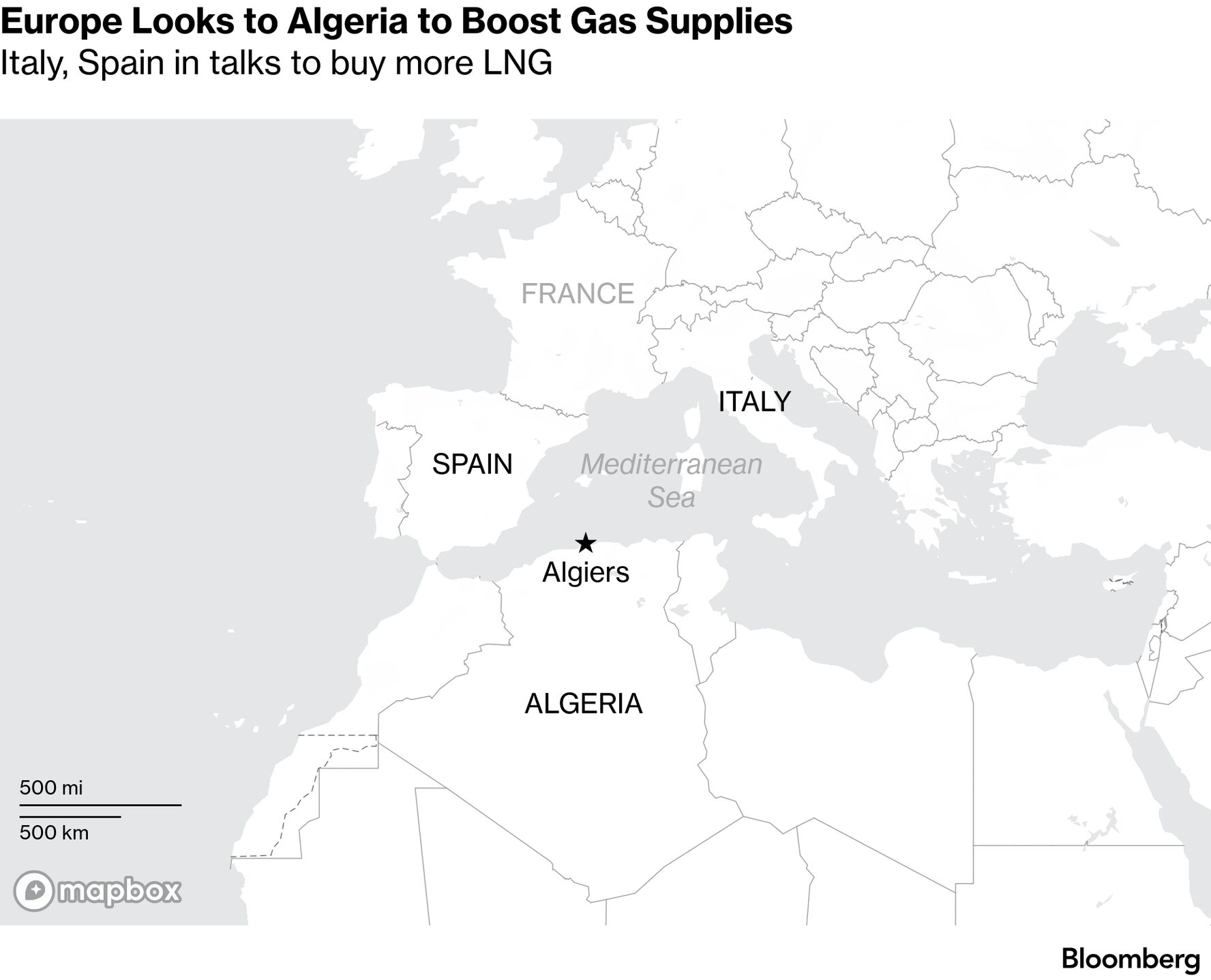 Italy and Spain are now in talks with Algeria to boost shipments of LNG from a country that's already one of the European Union's largest suppliers. Other requests have come from as far afield as Vietnam — a stark sign of the global energy squeeze. Given that oil prices have also jumped, Africa's largest country by area looks set for a boom. Algeria's state energy firm is asking Italy to buy any extra fuel from the spot market, where prices are higher, sources say. That said, it's unclear how much gas Algeria — which has strong domestic demand and export commitments — can actually spare. For the moment, though, Algiers is back in the spotlight and can negotiate any new deals from a position of strength. — Michael Gunn 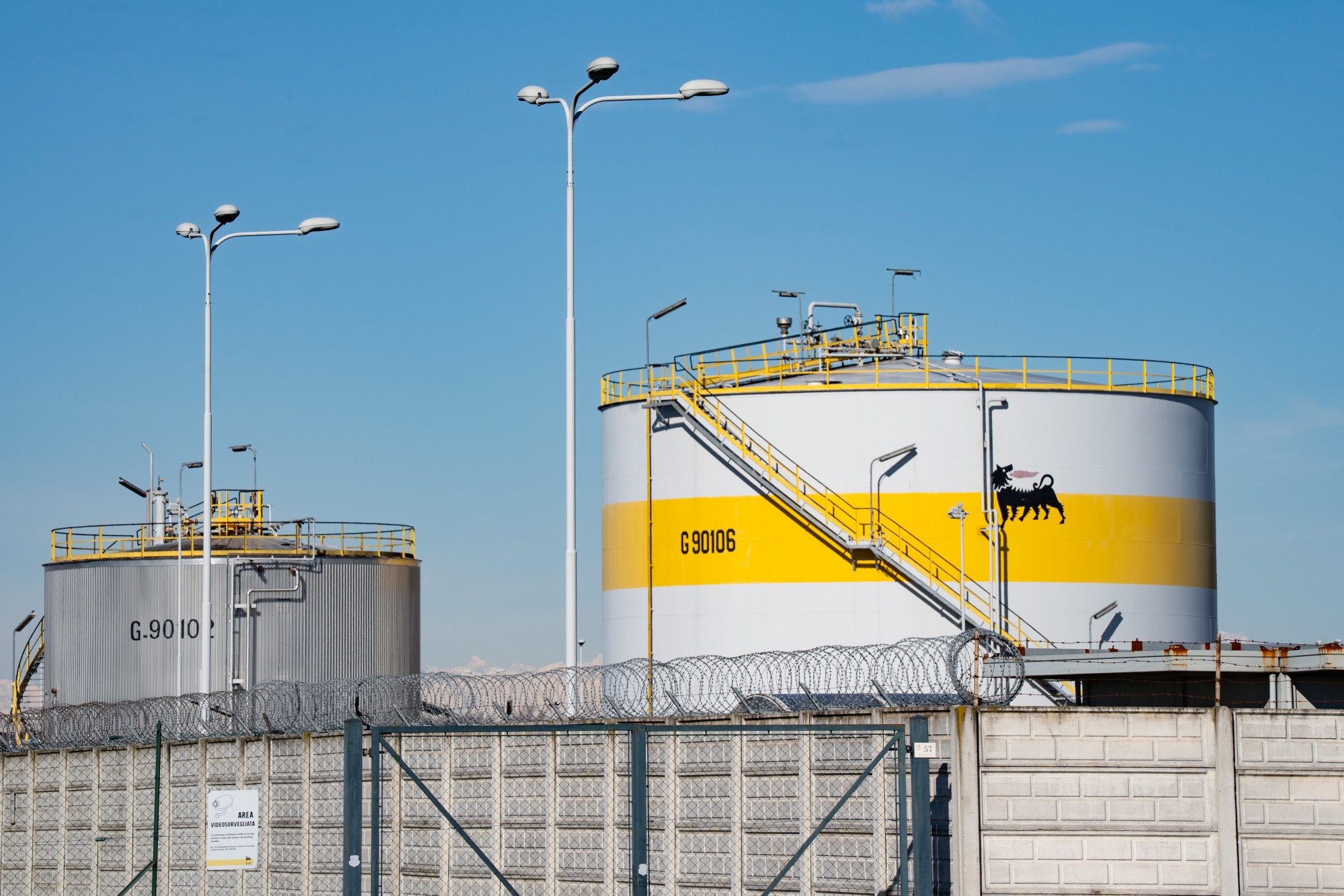 Eni has been engaging in negotiations with Algerian gas suppliers to boost flows. Photographer: Francesca Volpi/Bloomberg What's Everyone ReadingUS President Donald Trump said strikes against Iranian energy infrastructure and power plants would be postponed for five days following the start of talks with the Islamic Republic to end the war. The price of oil plunged after he made his comments, which came out of the blue as fears were growing of an escalation in the conflict. Tehran denied negotiating with the US, Iranian media outlets reported. 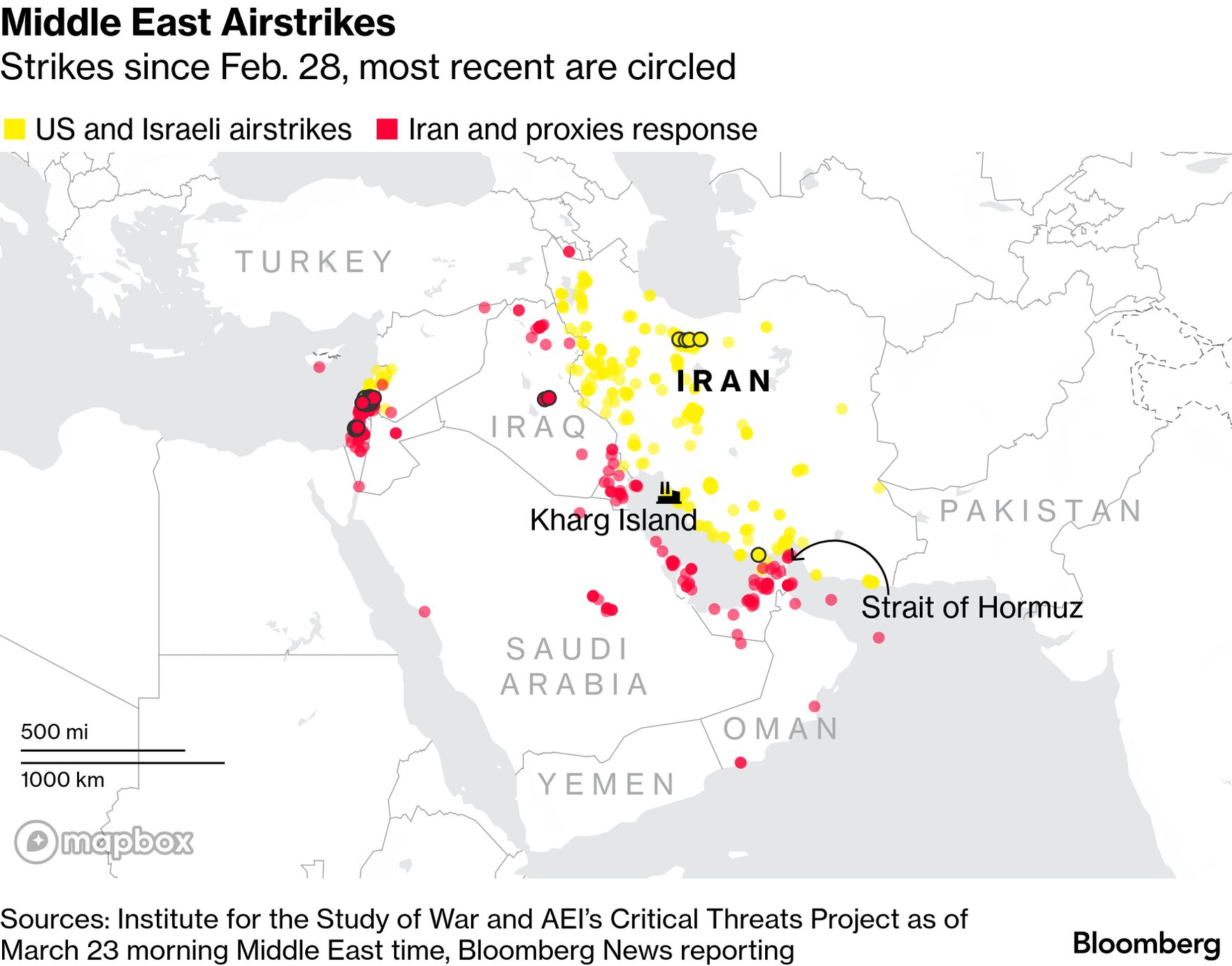 The Trump administration is reorganizing and downscaling foreign aid after dismantling USAID, a move critics say has cost millions of lives. Washington's international humanitarian-assistance budget for this year has been slashed to $5.4 billion. African nations have been hard hit.  The tail of a Kenya Airways plane. Photographer: Patrick Meinhardt/Bloomberg Nigerian billionaire Aliko Dangote's refinery has begun exporting fuel across Africa after reaching full production, sending about a dozen cargoes to markets as far away as Tanzania. The shipments of about 456,000 tons of gasoline represent less than a fifth of the plant's monthly output. China and Russia are holding back fertilizer shipments to Nigeria as the Iran war shakes up the global supply chain. Consignments of phosphorus fertilizers and ammonium sulphate from China and potash from Russia are expected to be significantly delayed, according to Ayo Sotinrin, CEO of the state-owned Agriculture Bank of Nigeria. Thank you for your responses to our weekly Next Africa Quiz and congratulations to Connor Bell, who was first to correctly identify Ghana as the African nation whose central bank shrugged off the looming price pressures from the war and cut interest rates last week. Behind the numbersSouth Africa's central bank will decide whether to adjust borrowing costs this week for the first time since the outbreak of the war. Bloomberg Economics' Yvonne Mhango expects the South African Reserve Bank to hold rates at 6.75% on Thursday, reflecting the inflationary risks that higher oil prices pose to Africa's biggest economy and increased uncertainty over the outlook.  The South African Reserve Bank headquarters in Pretoria. Photographer: Leon Sadiki/Bloomberg Zambia and Namibia are also due to release gross domestic product data. Namibia's year-on-year growth rate likely moderated in the fourth quarter, dragged down by weaker consumption and investment, while Zambia's likely picked up, supported by a seasonal rise in demand. Last WordSouth African billionaire Patrice Motsepe has been lauded for cleaning up the finances of Africa's most powerful sports organization, but a football-trophy scandal has highlighted the deep mistrust that still dogs the body. The Confederation of African Football stripped Senegal of its Africa Cup of Nations title, handing the trophy to host Morocco two months after the Jan. 18 final, a dramatic twist that's reignited questions about CAF's credibility. 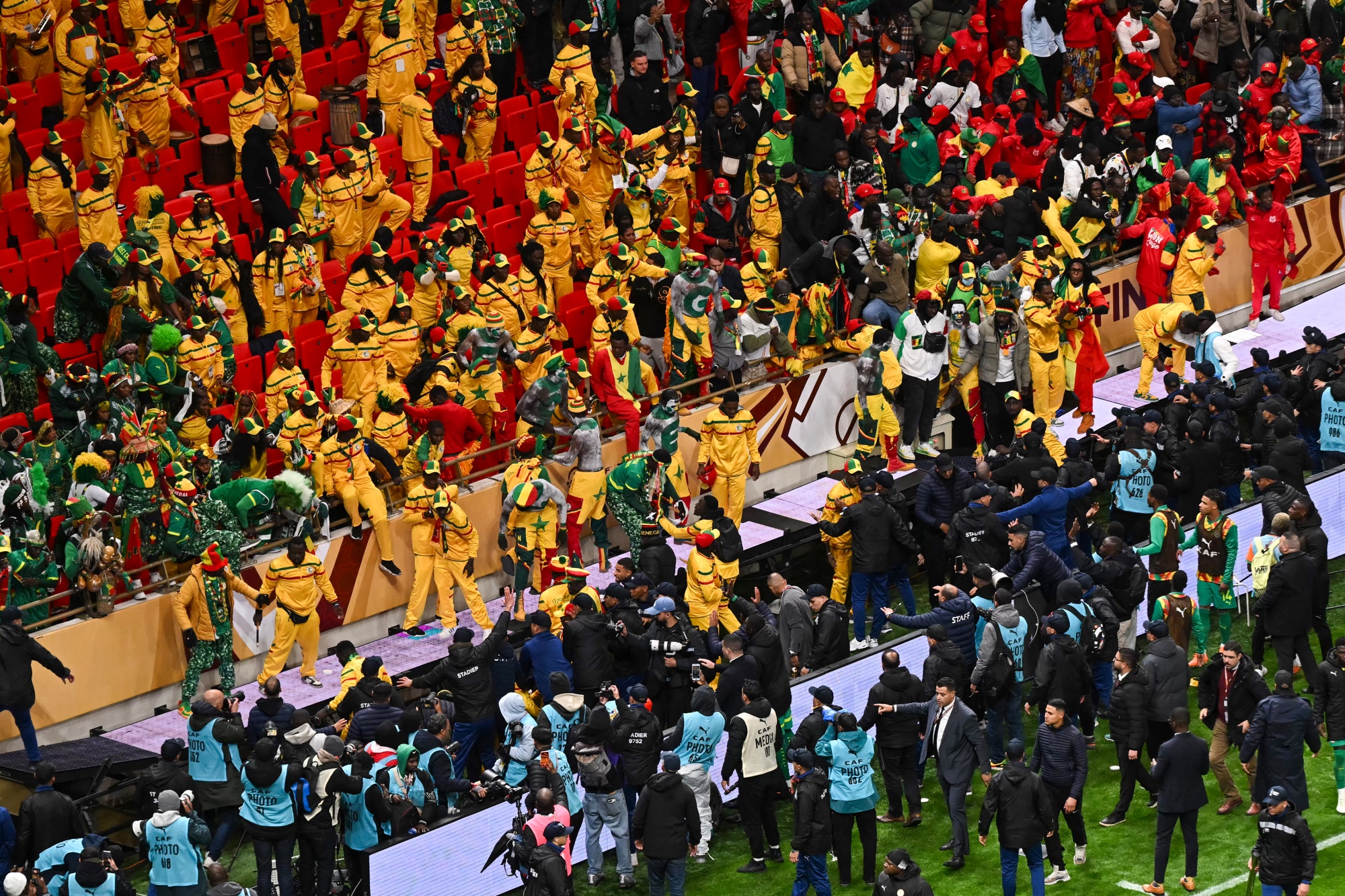 Senegal supporters clash with officials at the Africa Cup of Nations final n Rabat on Jan. 18. Source: AFP/Getty Images We'll be back in your inbox with the next edition tomorrow. Send any feedback to mcohen21@bloomberg.net. More From BloombergEnjoying Next Africa? You might also like:
We're improving your newsletter experience and we'd love your feedback. If something looks off, help us fine-tune your experience by reporting it here. Follow us
You received this message because you are subscribed to Bloomberg's Next Africa newsletter. If a friend forwarded you this message, sign up here to get it in your inbox.
|
Monday, March 23, 2026
Next Africa: Europe’s quest for gas





Subscribe to:
Post Comments (Atom)
OpenClaw's ChatGPT Moment & The $25B Terafab
🚨🦞🚀🤖 OpenClaw's ChatGPT moment sparks commoditization fears, Elon Musk unveils the $25B Terafab chip factory, and OpenAI plans a de...

-
PLUS: Dogecoin scores first official ETP ...
-
Bloomberg Evening Briefing Americas View in browser Who's paying for Donald Trum...


No comments:
Post a Comment