| Read in browser | ||||||||||||||
 Welcome to Next Africa, a daily newsletter on where the continent stands now — and where it's headed. Sign up here to have it delivered to your email. In today's edition, we look at a new monopoly in Nigeria as well as:
He Wins, AgainAfrica's richest man got what he wanted. When his $20 billion refinery began operations in 2024, Aliko Dangote pressured Nigeria's government to halt fuel imports — fighting with watchdogs, traders and the state oil company. This week, the regulator froze import permits for gasoline, shutting a supply line in a major win for the billionaire amid war in the Middle East that's disrupted global energy logistics. Dangote marketed his Lagos refinery as critical to ending the paradox of Africa's top crude producer having to import gasoline. At this moment of global volatility, it's poised to offer a buffer against external shocks at higher returns. But the suspension of imports has also stripped Nigerians of options. The move hands Dangote control of Nigeria's fuel market. Data from the oil marketers' association whose members ship fuels — and are now sidelined — show prices for his petroleum products are higher than imported alternatives. Nigerians will now buy only from him, and will do this at a premium. For critics, it echoes the cement industry, where import restrictions helped Dangote build the vast wealth that propelled him to the top of Africa's rich list. The specter of monopoly power — an allegation he disputes because he insists the regulator is still allowing cheap imports — has returned. It's a huge gamble for the country: The refinery is still ramping up and operating at about 78% capacity. The plant supplied 64% of Nigeria's gasoline requirement last month, leaving a daily deficit of 20 million liters (5.3 million gallons) that imported stocks covered, underscoring the risks. At issue is whether Africa's most populous nation can entrust its fuel security and industrial ambitions to one billionaire. — Nduka Orjinmo 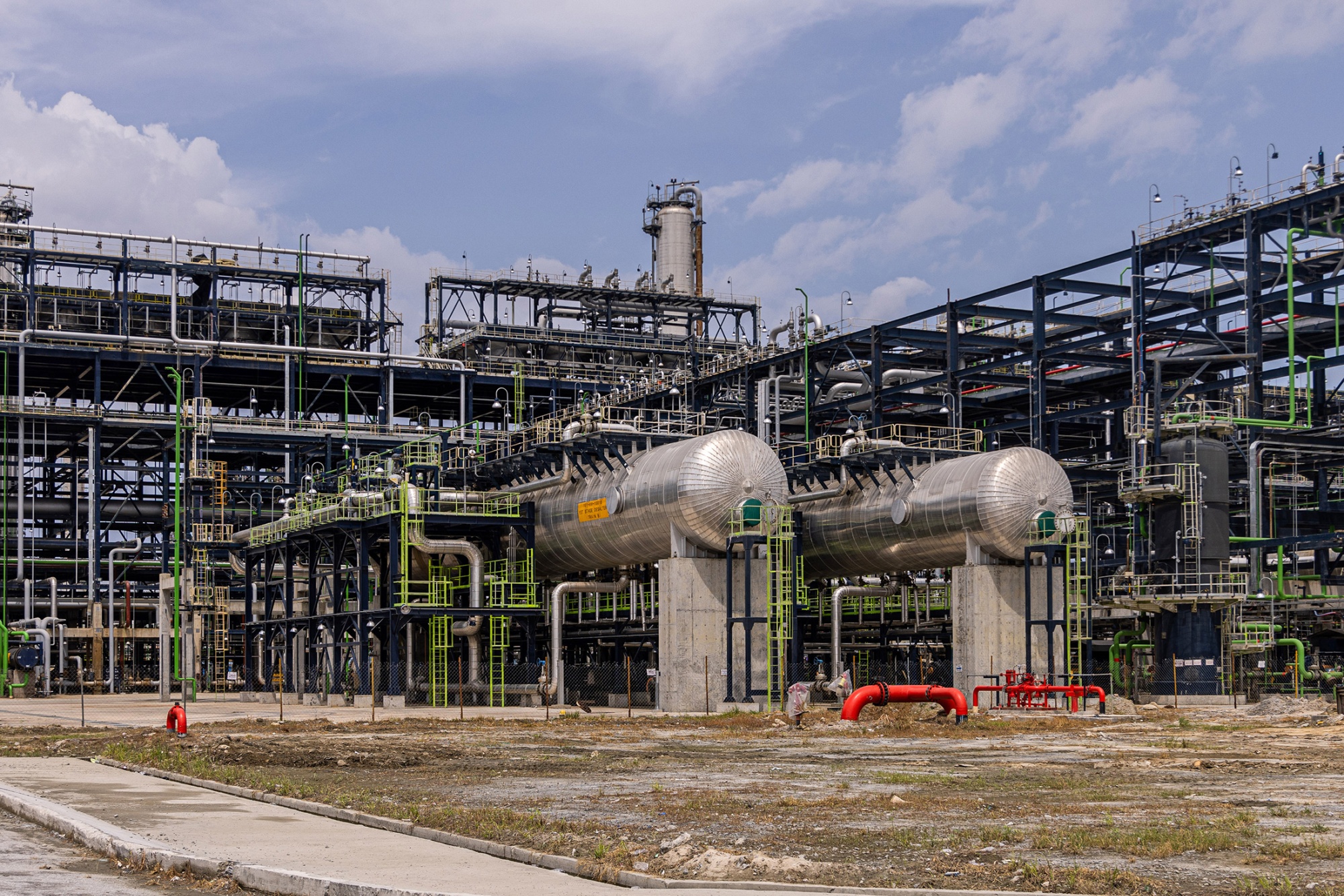 The Dangote Industries oil refinery and fertilizer plant in Lagos in 2023. Photographer: Benson Ibeabuchi/Bloomberg What Everyone's ReadingTwo oil tankers were hit in Iraqi waters, the latest in a string of attacks on ships in the Persian Gulf that are raising risks to global energy supply from the deepening Middle East war. The International Energy Agency approved its largest release yet of emergency oil reserves yesterday as the conflict exposes the fragility of modern travel, with airlines left reeling. 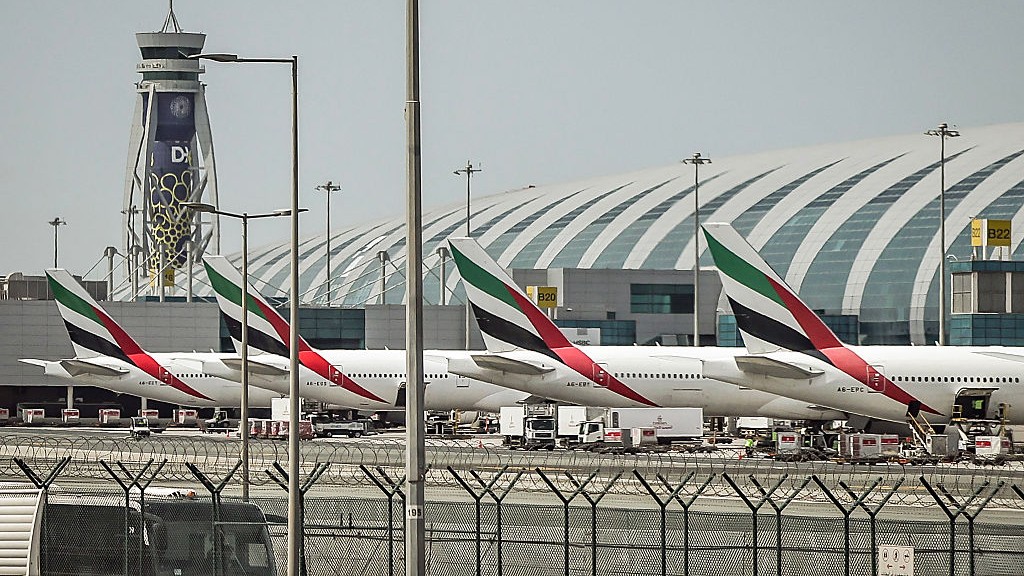 WATCH: Dubai International Airport briefly halted operations yesterday. Bloomberg's Leen Al-Rashdan reports. Egyptian assets are among the Middle East's worst hit by the war, a major stress test for grueling International Monetary Fund-backed reforms meant to protect against future crises. Although far from the missiles striking the Gulf, billions of dollars in portfolio investment exited, bonds fell and its currency dropped to a record low. Mali will set up a task force with judicial powers to oversee gold mining and quarrying sites in the West African nation. Despite a reinforced legal framework and ongoing enforcement since 2020, the industry continues to face illegal operations, clandestine gold panning and illicit mineral trafficking. Microsoft is making a push for more Africans to adopt its artificial-intelligence tools as the US tech giant competes with China's DeepSeek. It plans to train 3 million Africans on its AI technology this year and partnered with MTN to sell the Microsoft 365 suit of apps together with its Copilot digital assistant to top African telecoms provider's 300 million subscribers. The European Union's financial support for Rwandan troops helping to fight an Islamic State-linked insurgency in Mozambique expires in May and there are no plans to extend it, sources say. The bloc in 2024 approved €20 million ($23 million) of assistance for the Rwanda Defence Force operating in the gas-rich Cabo Delgado province. 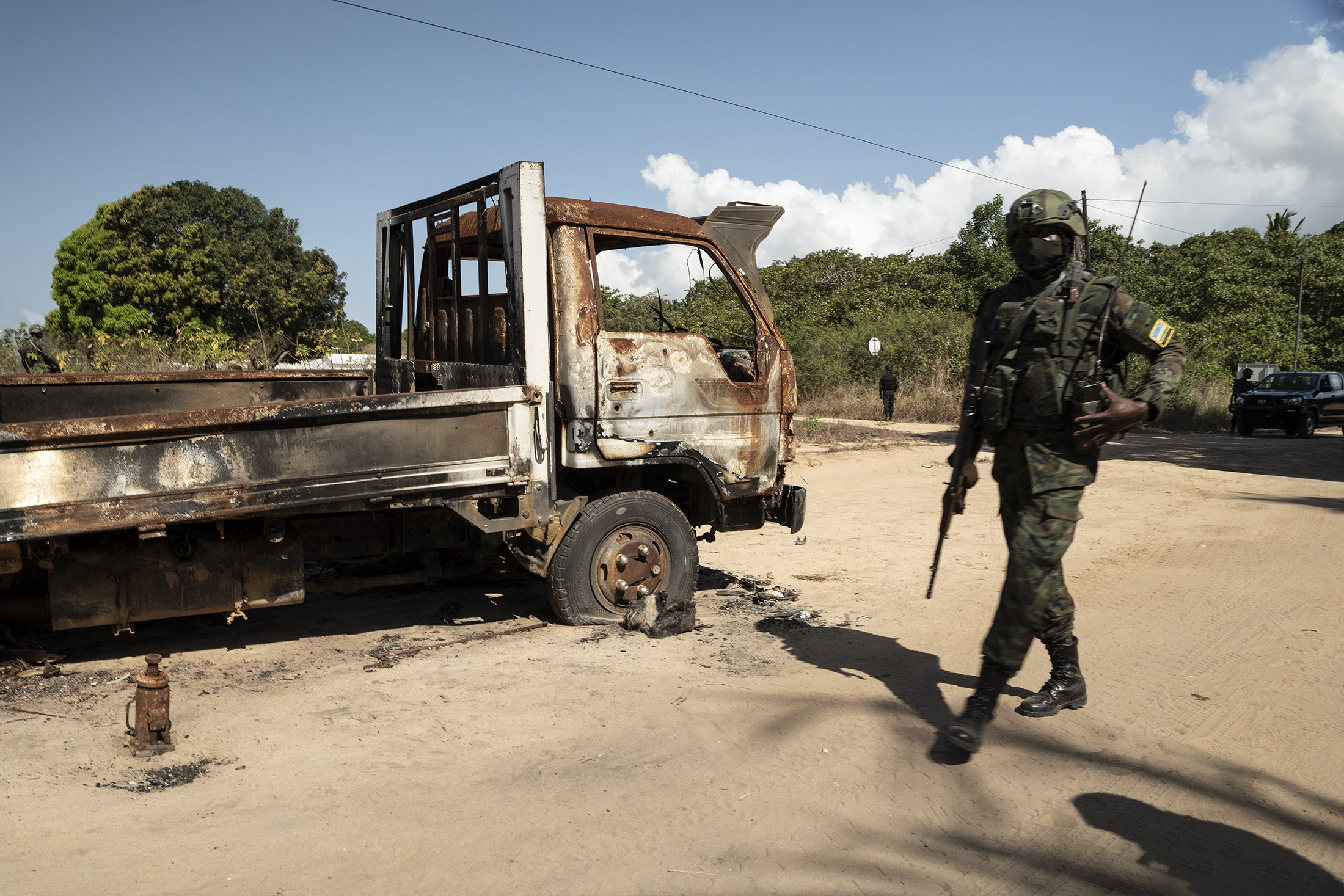 A Rwandan soldier Cabo Delgado, Mozambique in 2021. Photographer: Simon Wohlfahrt/AFP/Getty Images Quote of the Week"As I've made clear in meetings I've had, the US is running out of patience." Leo Brent Bozell US ambassador to South Africa Bozell was commenting on the relationship between Washington and Pretoria and business opportunities between the nations amid strained diplomatic ties. Last WordSenegalese Prime Minister Ousmane Sonko urged the swift settlement of unpaid contractor invoices so work can resume on a flagship waterfront redevelopment in the capital, Dakar, as it prepares to host the Summer Youth Olympic Games, the first such event in Africa. The delays underscore the fiscal constraints the West African nation faces after President Bassirou Diomaye Faye's administration discovered billions of dollars of previously undisclosed debt that led the IMF to suspend a $1.8 billion funding program. 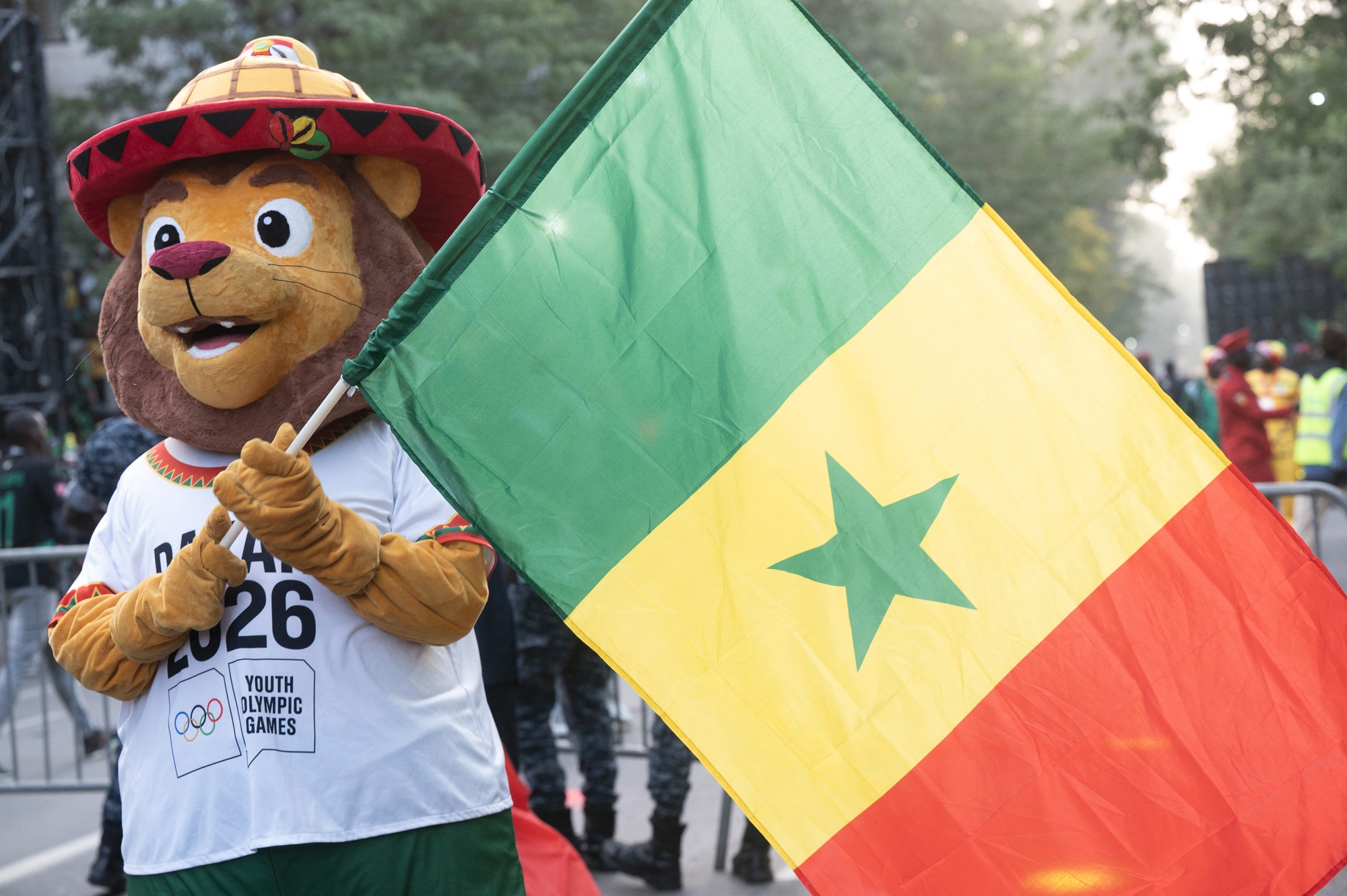 Ayo, the mascot of the Dakar Youth Olympics, on Jan. 20. Photographer: Seyllou/AFP/Getty Images More From BloombergEnjoying Next Africa? You might also like:
We're improving your newsletter experience and we'd love your feedback. If something looks off, help us fine-tune your experience by reporting it here. Follow us
You received this message because you are subscribed to Bloomberg's Next Africa newsletter. If a friend forwarded you this message, sign up here to get it in your inbox.
|
Thursday, March 12, 2026
Next Africa: Dangote scores





Subscribe to:
Post Comments (Atom)
There hasn’t been a single losing decade for these stocks since 1887
Thanks to one special market force Sponsored ...
-
PLUS: Dogecoin scores first official ETP ...
-
Bloomberg Evening Briefing Americas View in browser Who's paying for Donald Trum...


No comments:
Post a Comment