| Read in browser | ||||||||||||||
 Welcome to Next Africa, a daily newsletter on where the continent stands now — and where it's headed. Sign up here to have it delivered to your email. In today's edition, we look at how African countries are trying to deal with surging fuels costs. Also:
Hitting the PocketThe war on Iran is beginning to hit home in Africa. Governments — many dependent on refined-fuel imports — are scrambling to find ways to shield their economies from the devastation of higher energy prices and insufficient supply triggered by the conflict. Namibia is halving its fuel levies and Kenya will use its petroleum-development duty to help cap costs as gas stations already grapple with supply shortages. Some Ethiopian firms have urged staff to work from home to ease demand as motorists queue for days to fill tanks, while Egypt has given restaurants and retailers a 9 p.m. curfew, even as it secured oil from its neighbor Libya. Somalia — with no means to intervene — has seen fuel prices more than double. Mali and Botswana also ramped up diesel and gasoline costs. Top oil producer Nigeria has the fuel to keep its economy running thanks to the giant Dangote refinery, although its pump prices have also climbed. In South Africa, citizens are still awaiting word on the state's plan. As things stand, they're bracing for what will likely be the biggest fuel-price increase since 2008 come midnight tomorrow. Market movements point to a diesel hike of at least 50% (prices are changed at the start of each month). 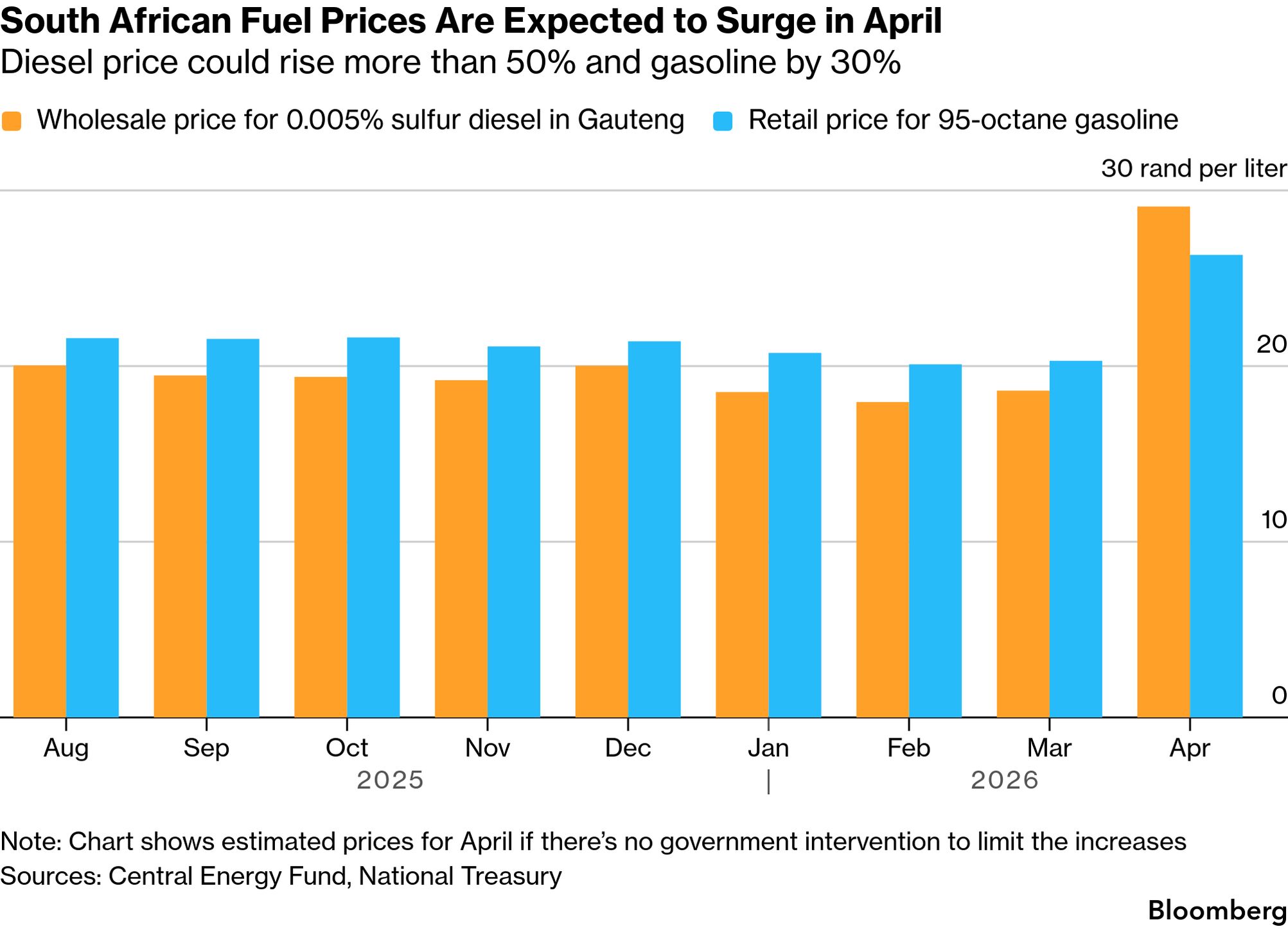 For Africa's biggest economy, the alarm bells are ringing and President Cyril Ramaphosa has assembled a cabinet group to urgently find a solution to cushion the blow for consumers. Johannesburg's key stocks gauge is heading for its worst month in almost two decades, reeling as the war saps demand for emerging-market assets while plunging precious-metal prices weigh on the country's miners. Farmers of winter grains such as wheat are reporting that some fuel retailers are limiting purchases to try prevent a run on their stocks, leaving them scrambling for supply as they prepare their fields for planting. Lower harvests will extend the hardship for households long after a resolution is found in Iran. Cutting or suspending levies and taxes collected through the sale of fuel — they comprise about a third of the total retail price of every liter sold — would ease pressure on households. But given that it's one of the state's most effective revenue-collection tools in a nation with a small tax base and that's pledged to contain debt, authorities might not be so keen on the idea. South Africa had finally started to see the green shoots after a decade of anemic growth. But, like fuel-importing countries across the continent, there isn't much Pretoria can do that won't have lasting implications. — Ana Monteiro 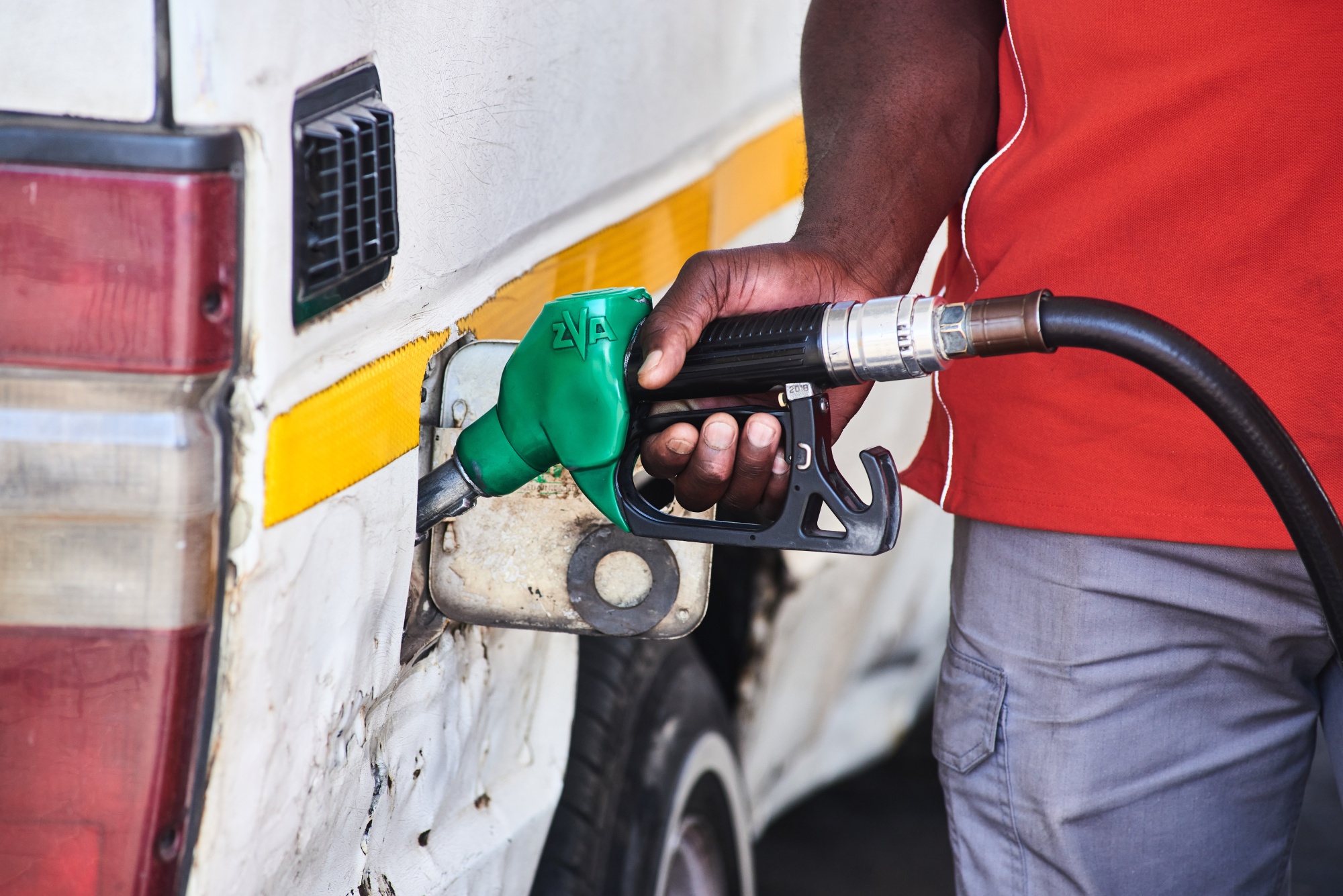 A fuel station in Johannesburg. Photographer: Waldo Swiegers/Bloomberg What Everyone's ReadingThe biggest oil-supply shock in history has reached the one-month mark, but the energy industry is warning that the crisis is only beginning. Fierce and widespread attacks in the war continue even after the US extended a deadline for Tehran to agree to reopen the Strait of Hormuz. Gold gained as dip buyers supported prices while the market awaited clarity on the duration of the conflict. Egyptian President Abdel-Fattah El-Sisi appealed to Donald Trump to find a way to end the war. The US ally is among nations working to mediate between Washington and Tehran and authorities in the North African country have voiced hope for direct talks and a diplomatic solution. 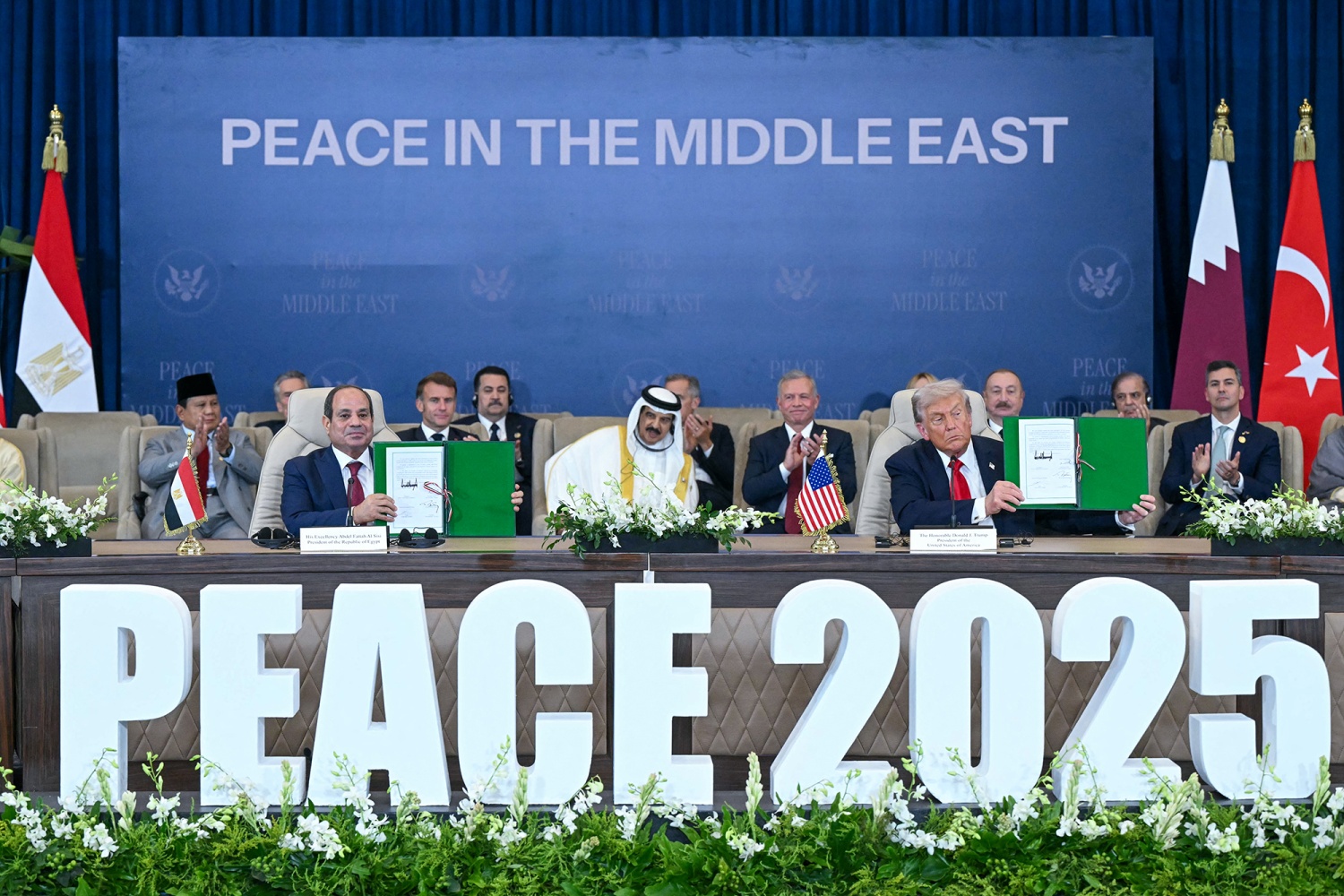 Sisi and Trump show signed documents during a peace summit on Gaza in Sharm el-Sheikh, Egypt, on Oct. 13. Photographer: Saul Loeb/AFP/Getty Images The World Trade Organization failed to extend a 28-year-old ban on e-commerce tariffs at its ministerial conference in Yaoundé, Cameroon's capital, over the weekend. It's a major setback for an organization whose mission is already under threat from US efforts to impose tariffs on its major trading partners. A demand by former South African Presidents Jacob Zuma and Thabo Mbeki that the head of a probe into the government's failure to prosecute apartheid-era crimes recuse herself has been dismissed by a High Court judge. Descendants of some of those murdered by apartheid forces have blamed administrations led by the African National Congress for failing to pursue cases against those accused. A surge in Mozambique's bond yield premiums versus Treasuries have seen the nation overtake Senegal to become the most distressed sovereign issuer in Africa. Meanwhile, oil producer Angola will use a fifth of the funds raised in a eurobond sale last week to buy back debt maturing in 2028, Finance Minister Vera Daves de Sousa said in an interview. 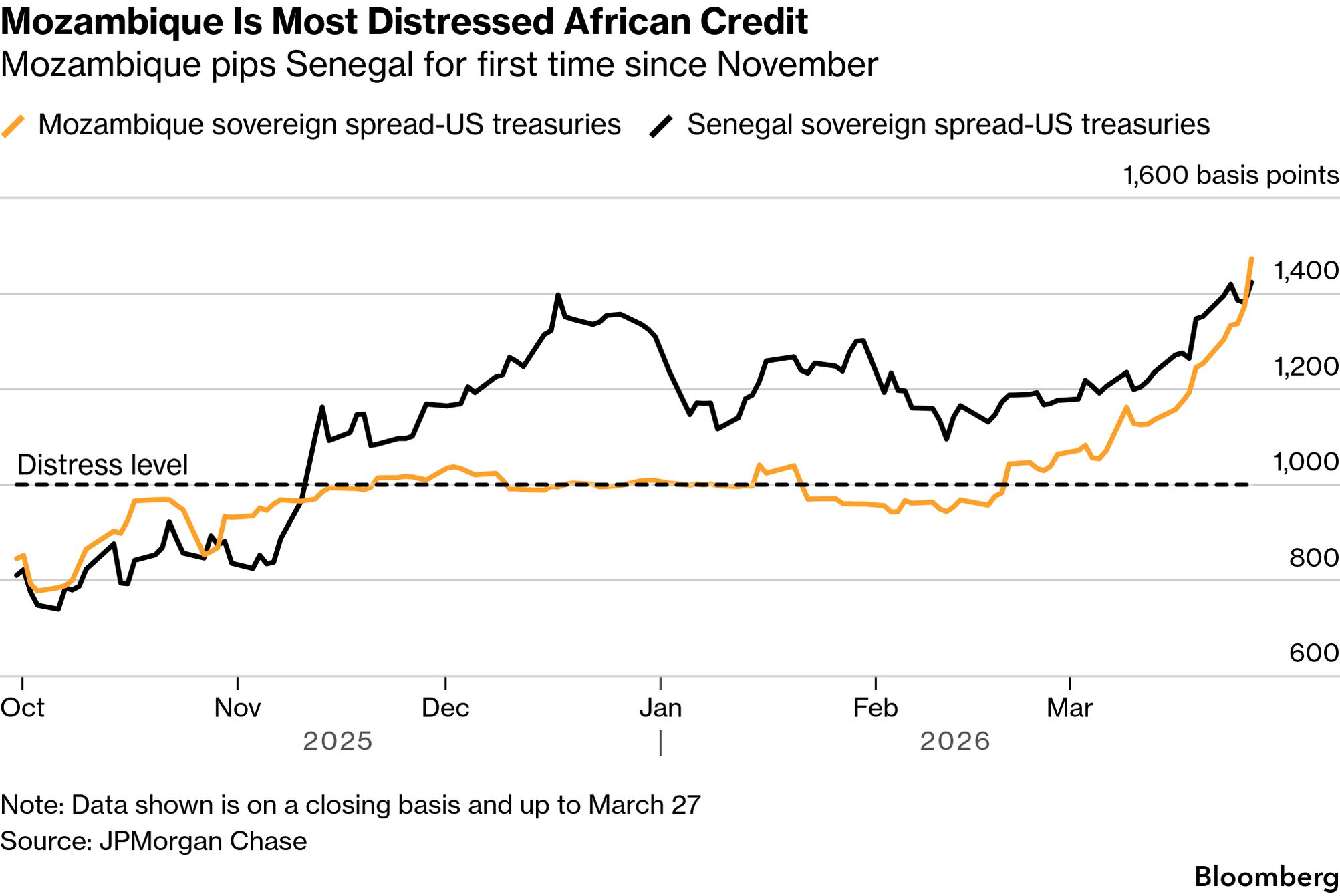 Ethiopia signed $13.1 billion of investment deals spanning renewable energy, manufacturing, real estate, mining and green ammonia, according to the government. The accords were signed at the Invest in Ethiopia conference in the capital Addis Ababa. Thank you for your responses to our weekly Next Africa Quiz and congratulations to Jacques Nel, who was first to correctly identify Morocco as Africa's top tourist destination. Behind the NumbersEgypt's central bank will decide this week whether to adjust borrowing costs for the first time since the Iran war began. Like South Africa did last week, it's likely to hold, keeping the deposit rate at 19% on Thursday, Bloomberg Economics' Yvonne Mhango writes. Higher oil costs argue for a wait-and-see approach until there is clearer direction on where prices will settle. 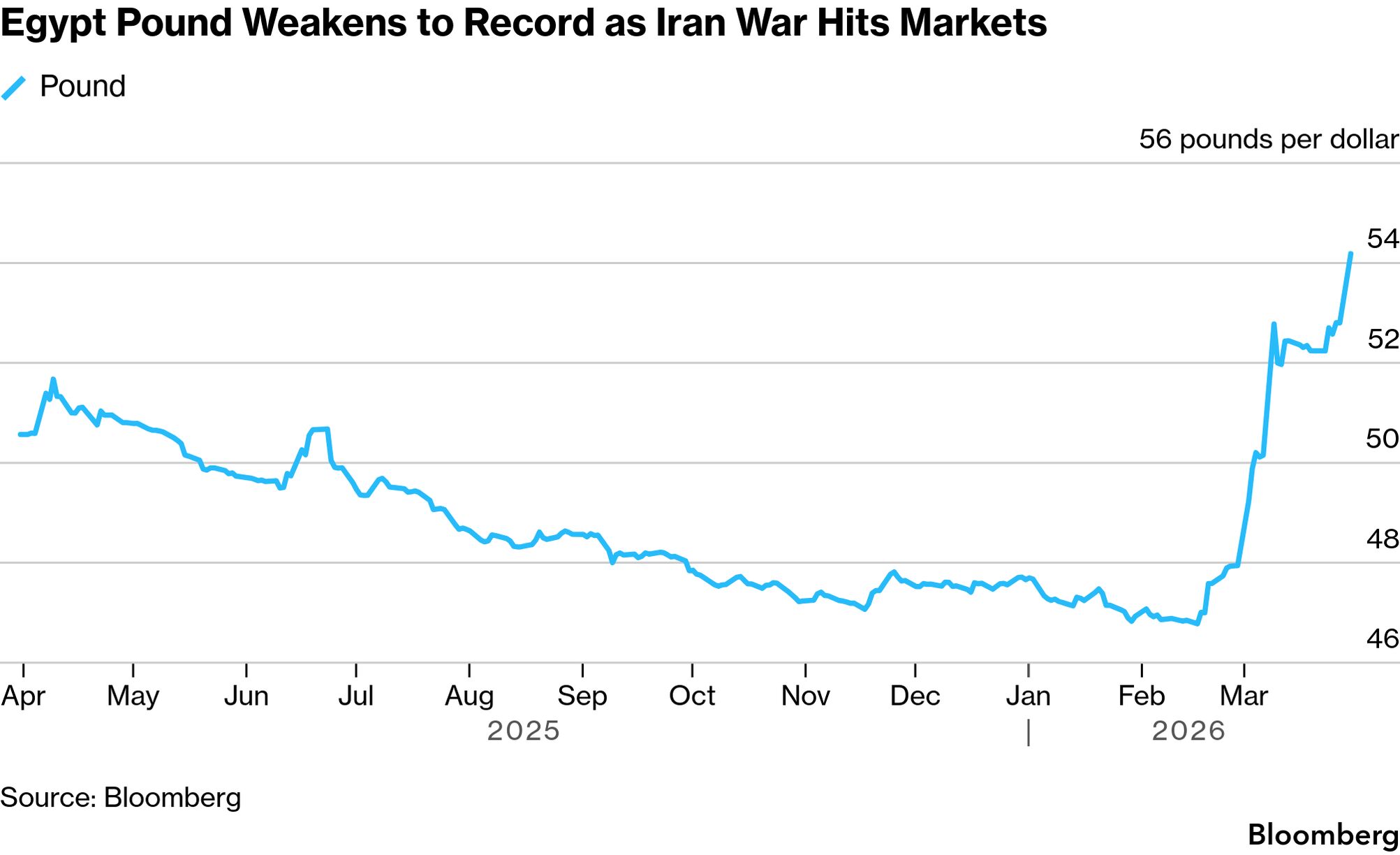 Kenya, East Africa's largest economy, will release inflation data tomorrow. The print is expected show whether oil is feeding into consumer prices, and whether the recent slowdown in inflation — to 4.3% year-on-year in February — is starting to reverse. Last WordA former Mozambique finance minister convicted in the US for his role in a $2 billion bond fraud was set to be deported after his release from prison, but was instead detained by Immigration and Customs Enforcement. Manuel Chang wasn't allowed to get on his flight to Mozambique after airline officials found a problem with his travel documents, his lawyer said. While sentenced to 8 1/2 years in prison, Chang was given credit for the years he'd already spent in custody fighting extradition and awaiting trial, reducing his prison sentence to just over 14 months. 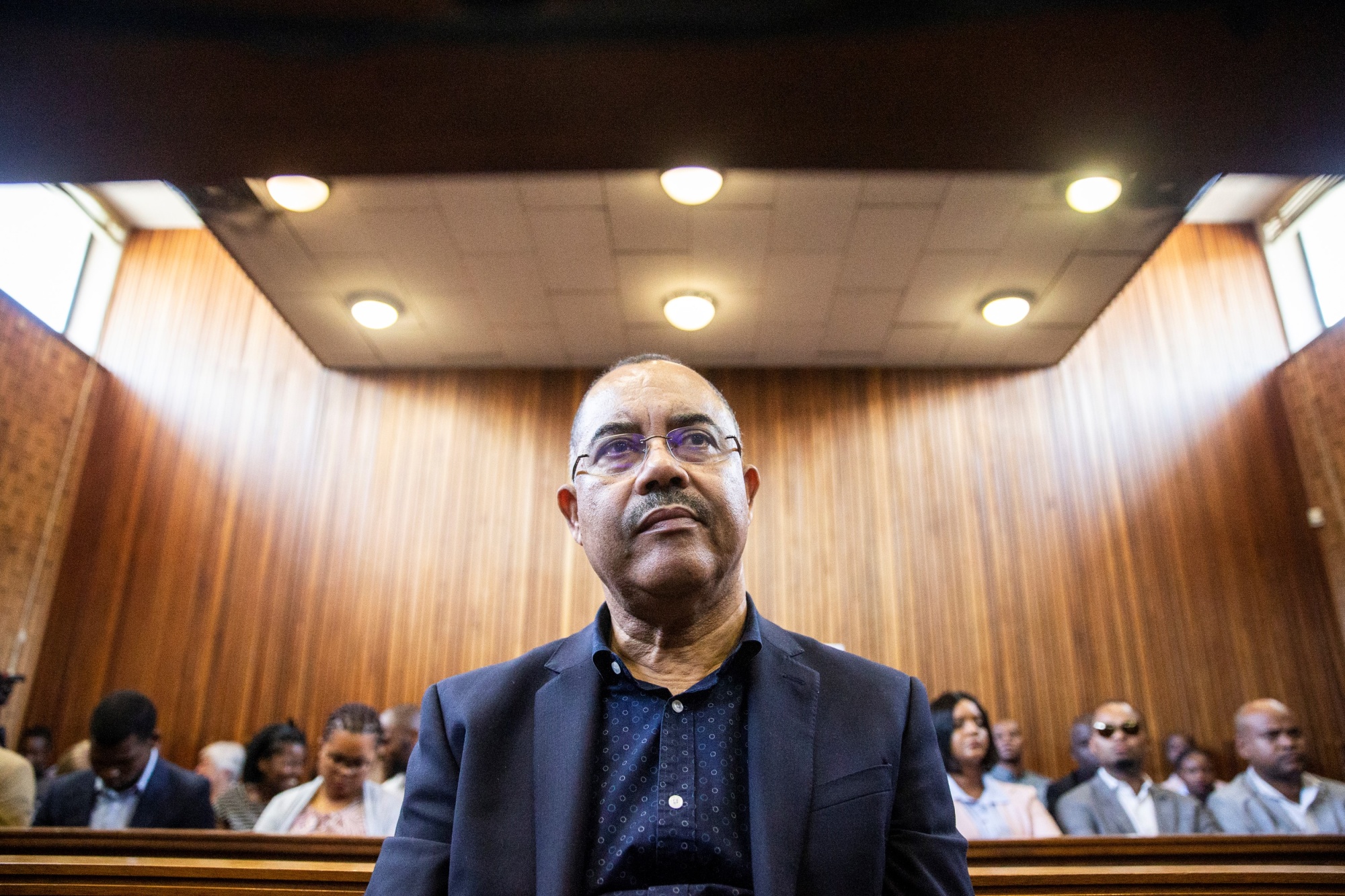 Chang during an extradition hearing in South Africa in 2019. Photographer: Wikus de Wet/AFP/Getty Images More From BloombergEnjoying Next Africa? You might also like:
We're improving your newsletter experience and we'd love your feedback. If something looks off, help us fine-tune your experience by reporting it here. Follow us
You received this message because you are subscribed to Bloomberg's Next Africa newsletter. If a friend forwarded you this message, sign up here to get it in your inbox.
|
Monday, March 30, 2026
Next Africa: Cushioning the blow






Subscribe to:
Post Comments (Atom)
The hidden zone that controls the SPY’s move all day
Get all the details here The war has just clocked a month, and in that time, the market has bled almost trillions of d...

-
PLUS: Dogecoin scores first official ETP ...
-
Bloomberg Evening Briefing Americas View in browser Who's paying for Donald Trum...


No comments:
Post a Comment