| Read in browser | ||||||||||||||
 Welcome to Next Africa, a daily newsletter on where the continent stands now — and where it's headed. Sign up here to have it delivered to your email. In today's edition, we look at what's ahead for Rwandan troop deployments in Mozambique, as well as:
Losing SecurityThere's never a good time to get slapped with US sanctions, much less when crucial European Union donor support is due for renewal. The stakes are even higher when the penalties have a direct bearing on the viability of an emerging African natural-gas export hub that's suddenly escalated in strategic importance in the wake of the Iran war, and is key to transform one of the world's poorest nations. Rwandan forces and Mozambique are confronting exactly that. Kigali's army has been punished by Washington for backing rebels in eastern Democratic Republic of Congo, in defiance of a US-backed peace agreement. Now, sources say the EU won't extend the €20 million it's directed to help the soldiers fight an Islamic State-linked insurgency in northern Mozambique. 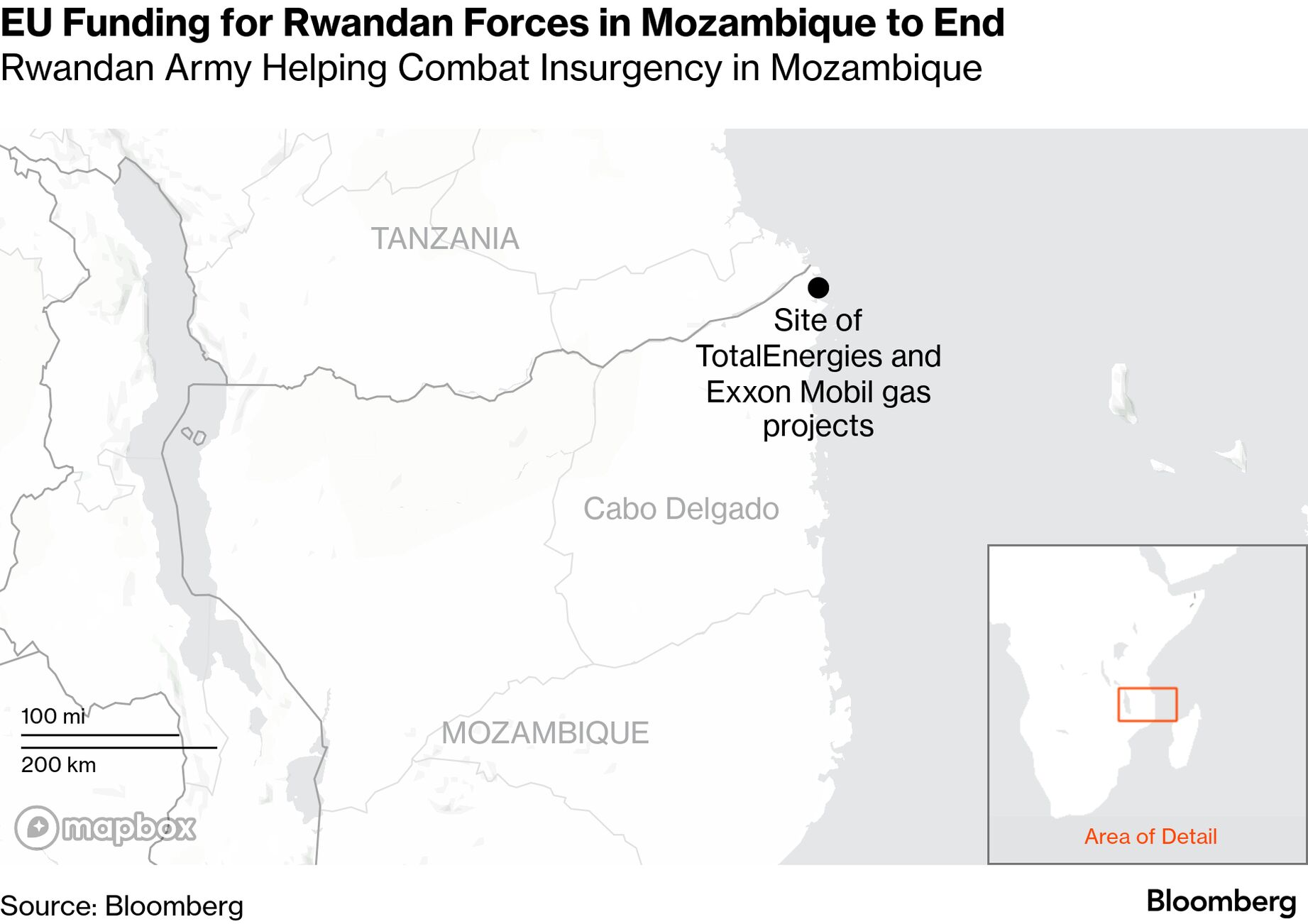 The Rwandans have been key to driving militants away from about $50 billion in gas projects led by European and American companies in Cabo Delgado province. When the troops arrived in 2021, Islamic State's local affiliate was running rampant, forcing TotalEnergies to abandon its site on what was Africa's biggest private investment. With security now improved, the French energy giant announced in January that construction would resume. The dilemma is indicative of the complexities of the various wars raging across the world, and the web of conflicting objectives in the race for African commodities. While the Rwandans are crucial to protecting gas investments in Mozambique, the US accuses the army's actions of hindering peace — and access to critical minerals — in Congo. The insurgents are down but certainly not out in northern Mozamibque. With debt rising in Kigali, the Rwandan troops are unlikely to stand as security guards forever, especially with Mozambique facing a deep fiscal crisis. — Matthew Hill 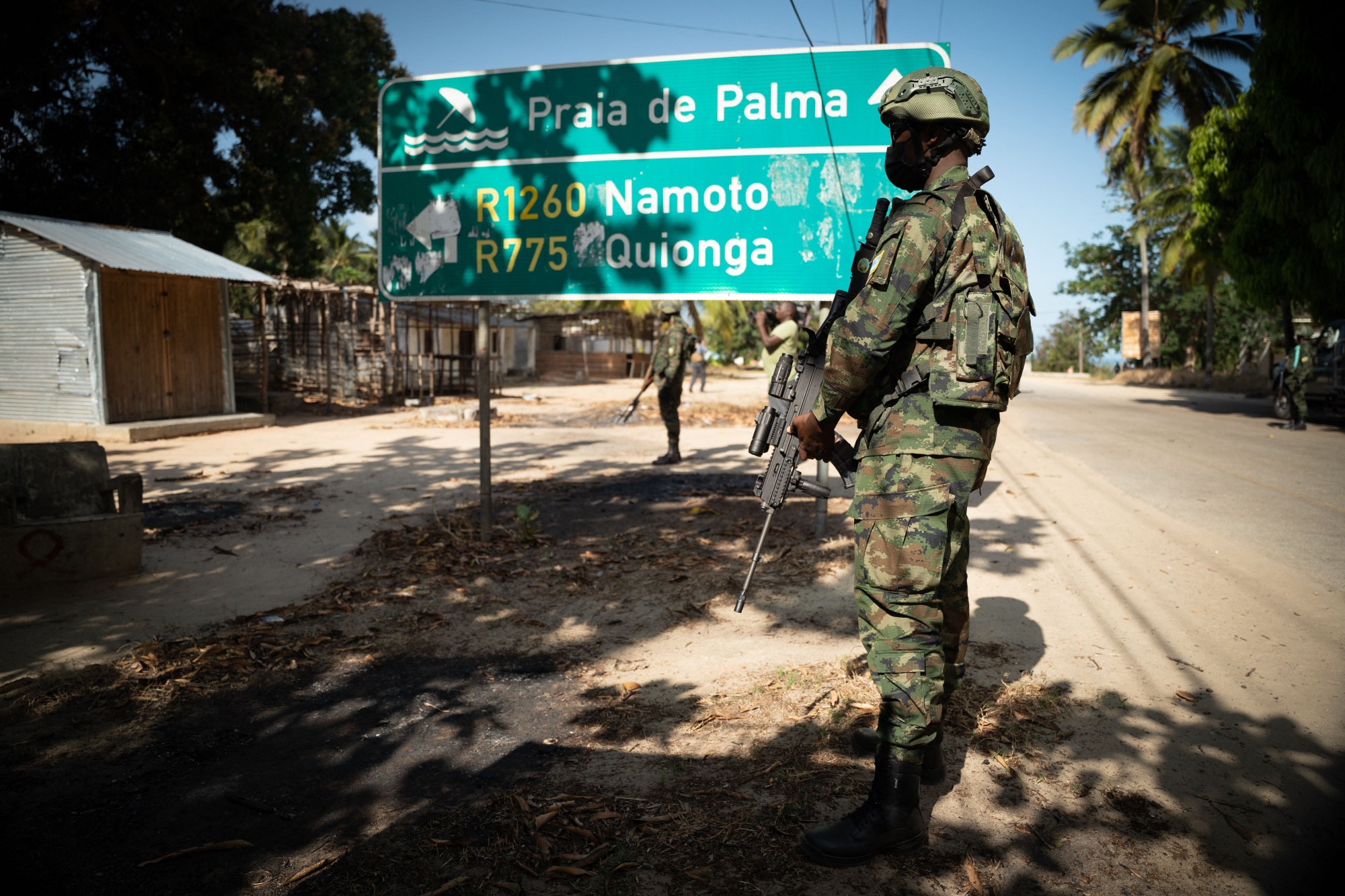 A Rwandan soldier patrols near Palma, Mozambique. Photographer: Simon Wohlfahrt/AFP/Getty Images What Everyone's ReadingUs President Donald Trump threatened Iran with further attacks after the Islamic Republic's new leader signaled defiance and suggested there would be no easing of a war that's upending energy flows and global markets. Algeria was thrown a lifeline after Russia's invasion of Ukraine sent energy prices soaring, and now there's hope in the North African country that the latest surge in oil prices will offer another. Today's Big Take looks at how the US enlisted Silicon Valley in its vision for AI warfare in Iran. Nigeria's central bank has prepared contingency measures to stabilize the naira if it comes under pressure from the war, Deputy Governor Muhammad Sani Abdullahi said in an interview. Investors continuing to plough money into high-yielding assets like Nigerian bonds have helped support the currency, making it one of the world's best performers of the past week. 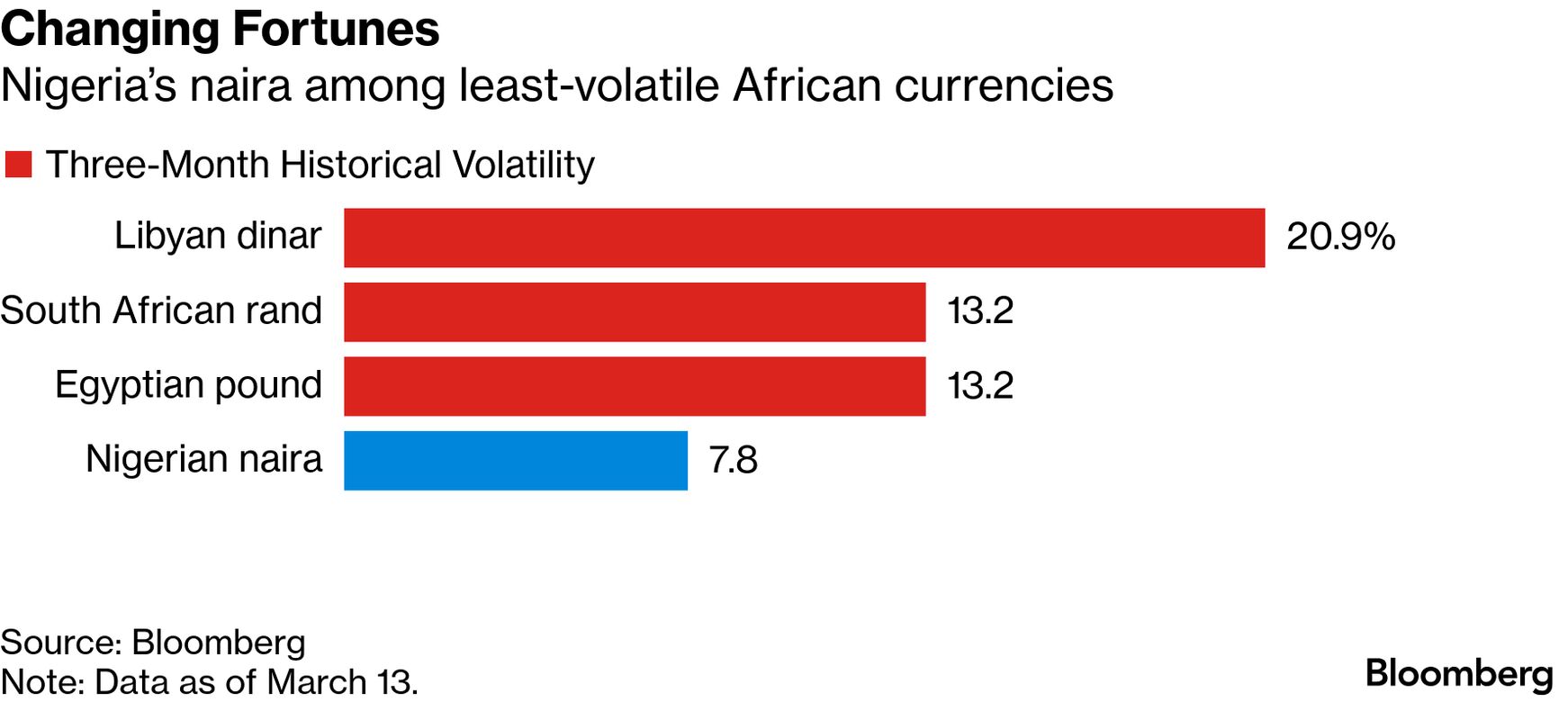 South Africa's main stocks index has dropped 10% since its peak in late February — meeting the definition of a market correction — as investors pull away from overheated assets. Prolonged higher oil prices could force the central bank to consider raising interest rates as the rand comes under pressure, according to Goldman Sachs. Congo launched its first state-backed gold refinery as it moves to formalize a trade historically linked to smuggling and conflict in the country's mineral-rich east. The refinery in the city of Kalemie on Lake Tanganyika will process bullion purchased from Congo's artisanal miners. 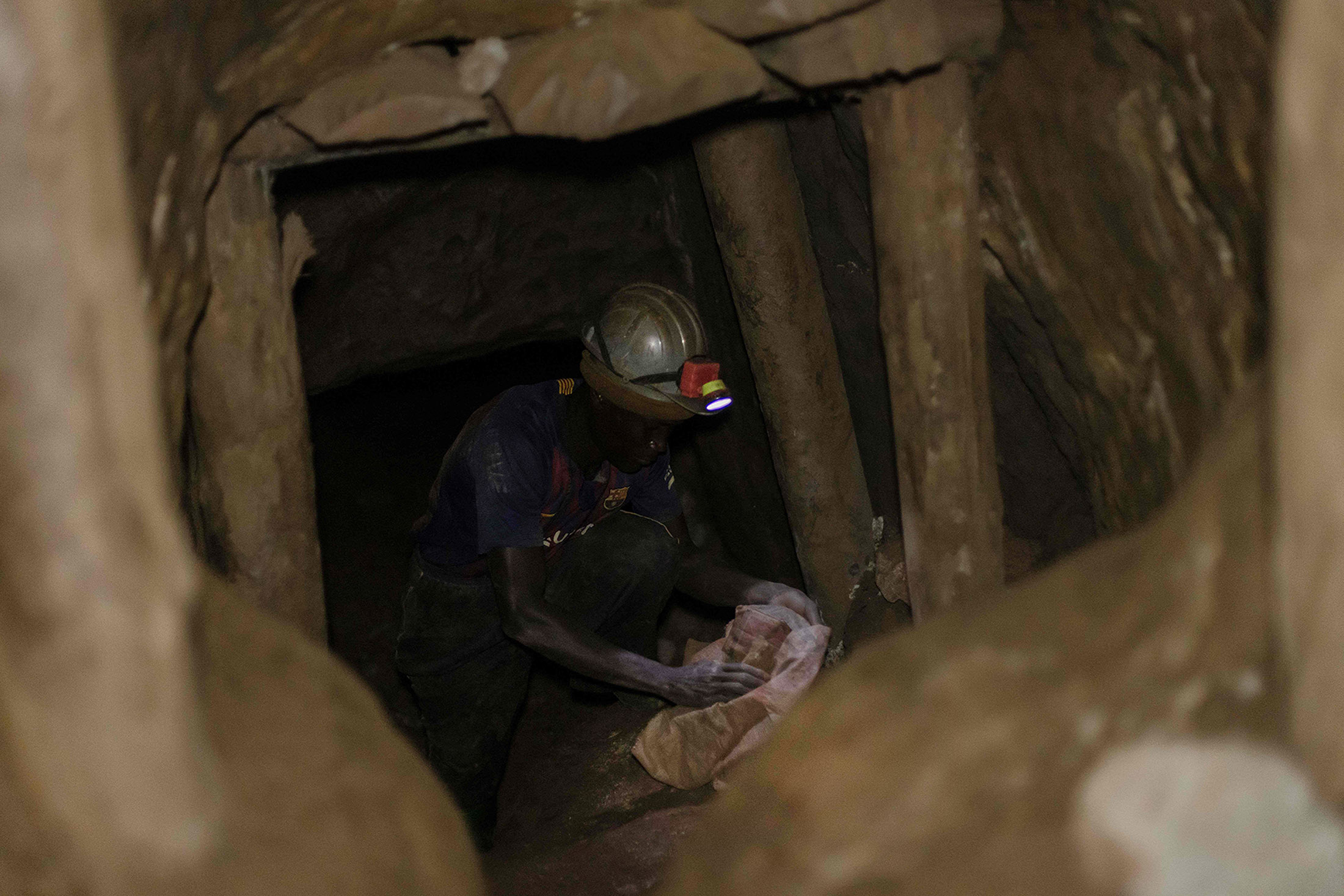 A worker at the Luhihi mine in eastern Congo. Photographer: Guerchom Ndebo/AFP/Getty Images Taiwan has received an invitation from Eswatini for President Lai Ching-te to attend celebrations marking King Mswati's birthday, a potential overseas trip that would be Lai's first in more than a year. The African nation is one of only 12 to still have diplomatic ties with Taipei. Next Africa Quiz — Which African nation will host the Youth Games in October, the first Olympic event on the continent? Send your answers to gbell16@bloomberg.net Coming Up
 On this week's Next Africa Podcast, Jennifer Zabasajja talks with Neil Munshi, deputy managing editor for the Middle East and Africa, and South Africa government reporter S'thembile Cele about how Nigerian Christians and White South Africans have become a big issue in Washington. Last WordLesley-Ann Foster packed up her office in the South African coastal city of East London, putting years of patient records into boxes. Her mind wandered to the events that led up to this moment: the sudden closure of USAID and the reduction in support from European donors that led to the roughly 300 survivors of sexual assault the Masimanyane Women's Rights Internationals had to turn away. It's a tale playing out across the continent and one that's spurred governments to explore ways to minimize reliance on foreign donors as the traditional charity model of international aid falls apart. 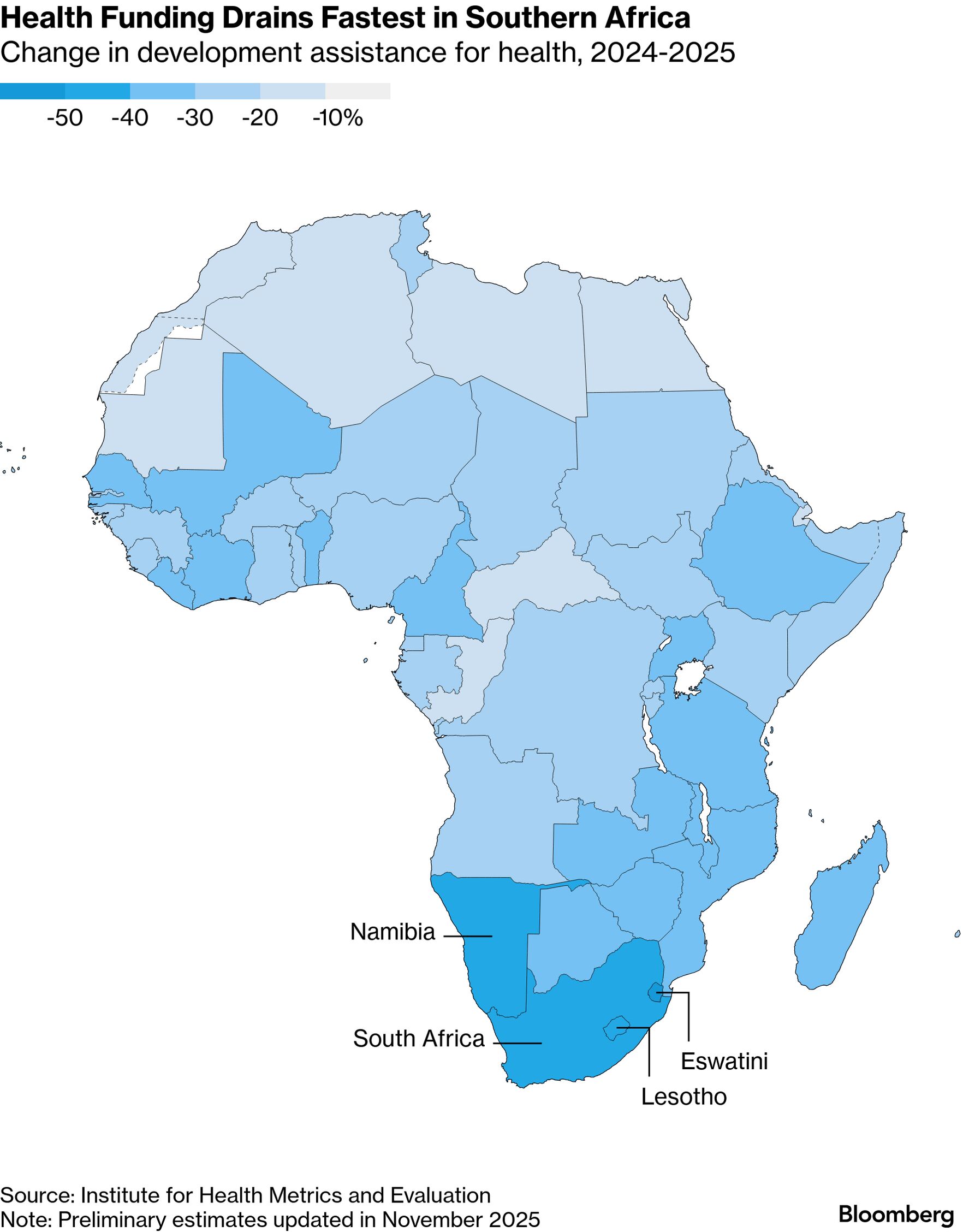 More From BloombergEnjoying Next Africa? You might also like:
We're improving your newsletter experience and we'd love your feedback. If something looks off, help us fine-tune your experience by reporting it here. Follow us
You received this message because you are subscribed to Bloomberg's Next Africa newsletter. If a friend forwarded you this message, sign up here to get it in your inbox.
|
Friday, March 13, 2026
Next Africa: Collateral damage





Subscribe to:
Post Comments (Atom)
Get a deep dive into stealth surges in the VIP Trade Room
There’ll be a bonus round on debit spreads too To view this email as a web page, go here. To view this email as a web page, go here. ...

-
PLUS: Dogecoin scores first official ETP ...
-
Bloomberg Evening Briefing Americas View in browser Who's paying for Donald Trum...


No comments:
Post a Comment