| Read in browser | ||||||||||||||
 Welcome to Next Africa, a daily newsletter on where the continent stands now — and where it's headed. Sign up here to have it delivered to your email. In today's edition, we look at the seismic shakeup in South Africa's vehicle-manufacturing industry.
A Lifeline From ChinaIf you can't beat them, join them. That may be what Mercedes-Benz executives are thinking as the luxury carmaker weighs sharing its South African manufacturing plant with China's Great Wall Motor Company. A co-manufacturing agreement would boost the viability of the German firm's facility in the southern port city of East London as President Donald Trump presses ahead with levies on a range of American imports. Mercedes has shipped locally made C-Class sedans to the US for almost three decades, taking advantage of an African trade program that allows the cars to enter duty free. A deal hasn't been inked and could still fall apart, but the talks with GWM underscore a seismic shift in Africa's biggest economy. A decade of moribund growth, rising living costs and stagnant wages are driving ever more motorists to budget brands, mostly from China and India. Relatively new entrants like GWM are muscling out established carmakers from Europe, the US and Japan, and are increasingly looking at South Africa as an entry point into the rest of the continent. 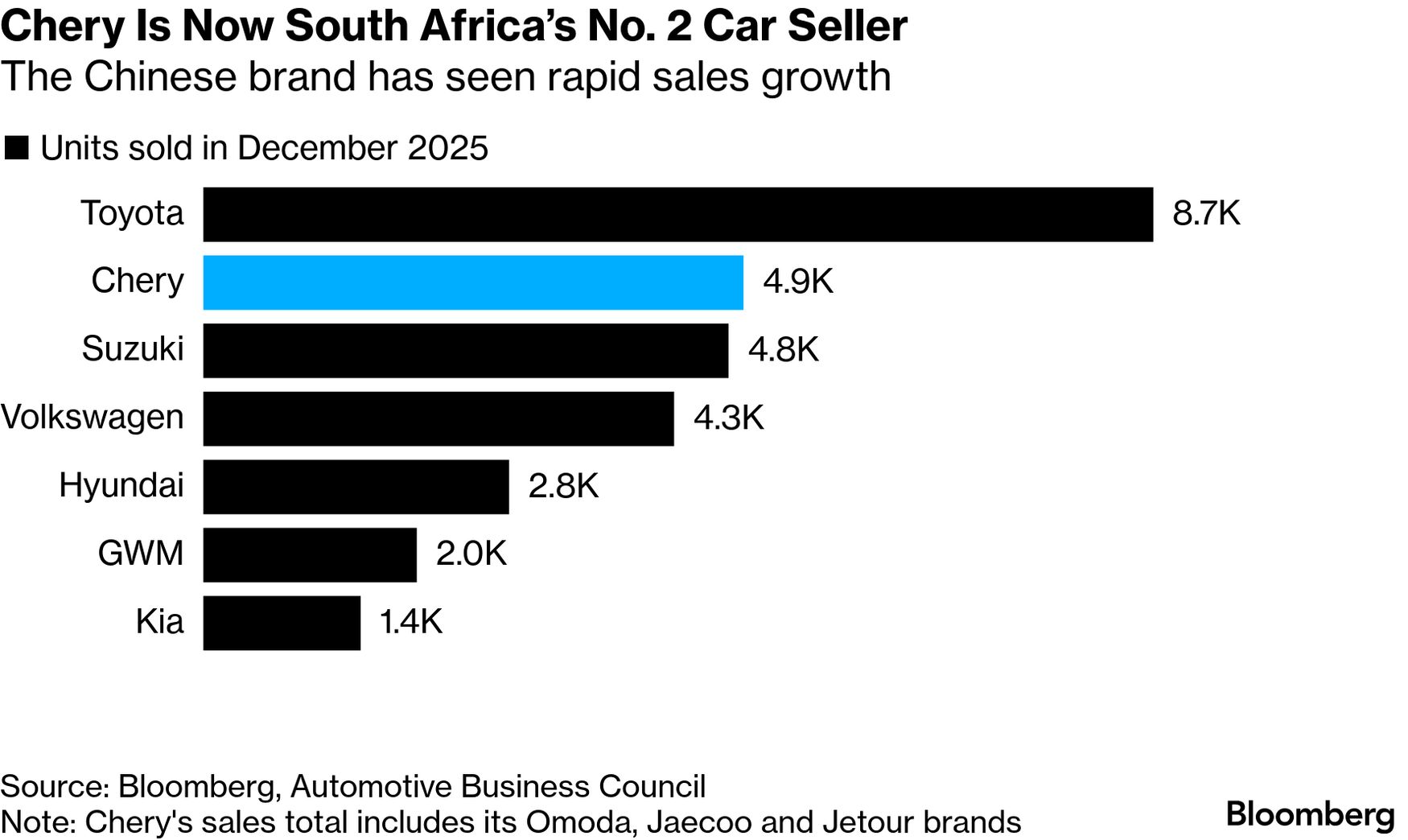 Chery, which broke into the market in 2021, is already the biggest car company after Toyota, and is buying out Nissan's assets in South Africa. Mahindra is boosting capacity at its local plant while rival Tata, India's largest automaker, is back after a lengthy hiatus. For manufacturers in South Africa, uncertainty looms large. Trade wars threaten exports as does a shift to electric vehicles in key overseas markets. At the same time, rising input costs and outdated policies make it difficult to maintain operations — even though they've been restructured and shed jobs. Just one in three cars sold in South Africa are locally made, down from 56% two decades ago. Volkswagen and other established carmakers have urged the government to safeguard the industry, partly through improved tax breaks and policies to grow the local market. Swift action will be needed to keep them in business and preserve what's left of the country's dwindling manufacturing capacity. — Prinesha Naidoo 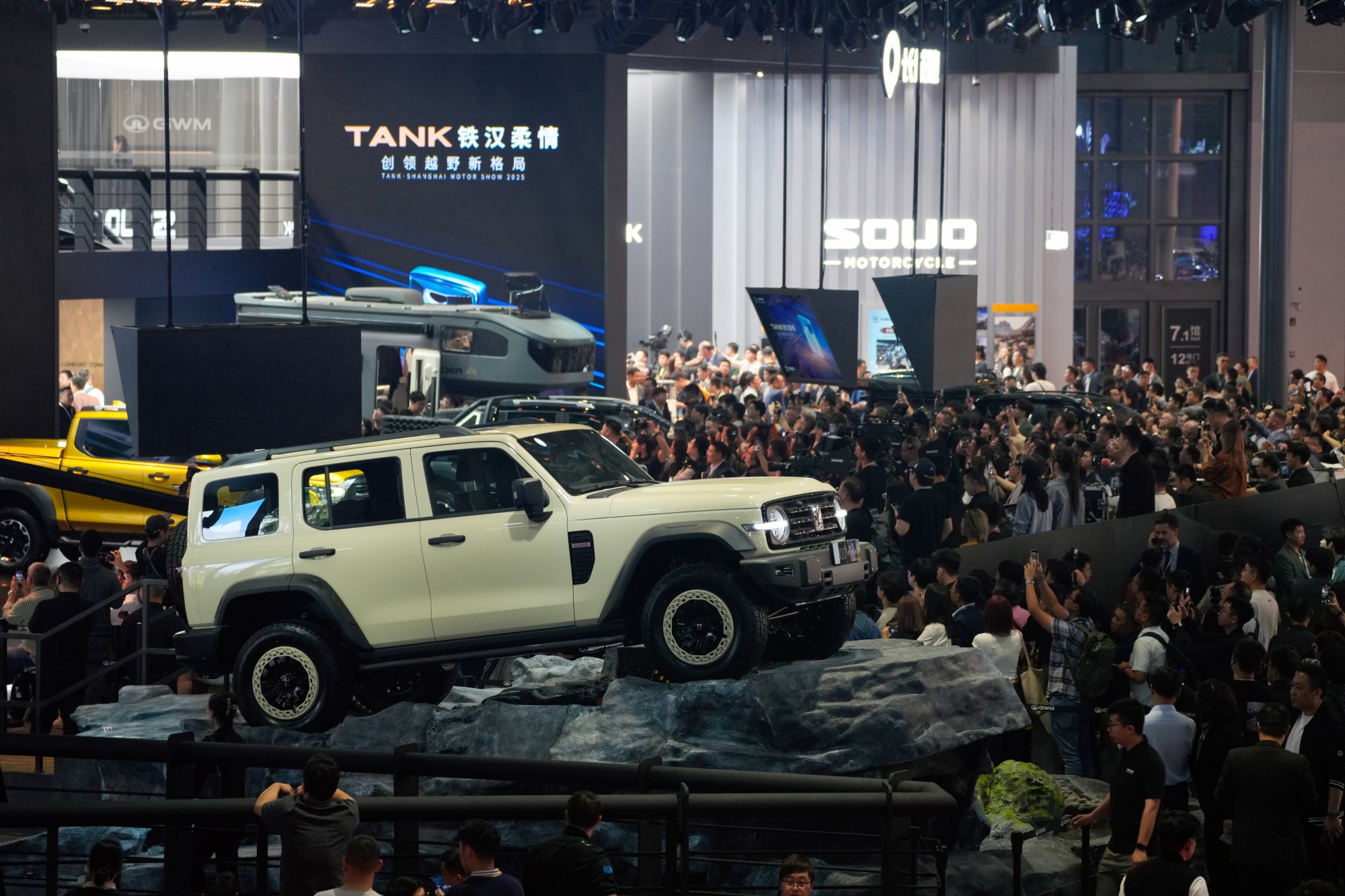 A Great Wall Motors Tank SUV at the Shanghai Auto Show in April 2025. Photographer: Qilai Shen/Bloomberg What's Everyone ReadingTrump said the US and Israel were making significant progress in their war on Iran and could end the conflict "very soon," curtailing an oil-price surge. Brent crude, having climbed to almost $120 a barrel early yesterday is back down close to $90, but is still up almost 50% this year. The effective closure of the Strait of Hormuz will keep pressuring prices and poses a risk of shortages to African importers. Supply cuts in major Gulf producers has already shaved about 6% off global output. 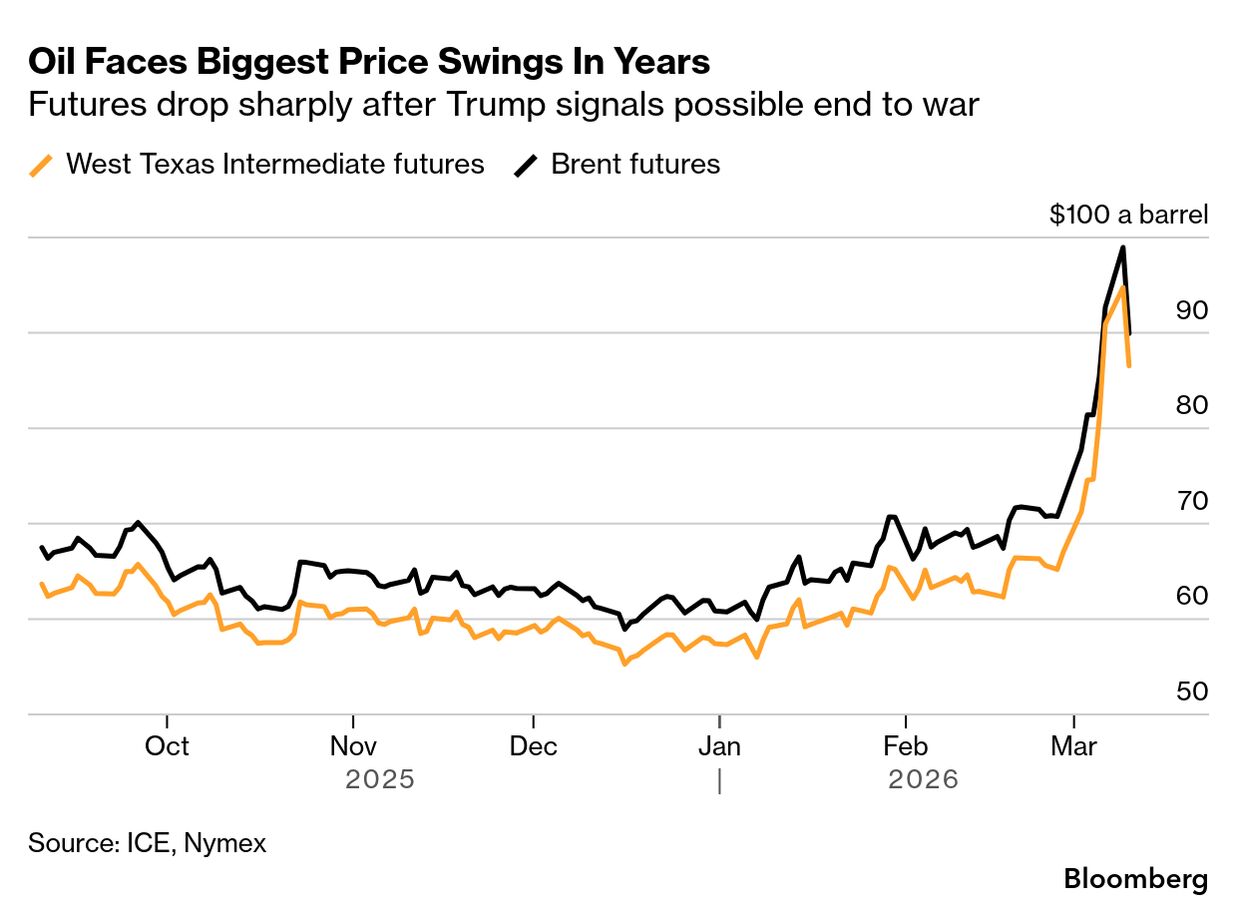 South Africa plans to expand a new credit-guarantee facility to support billions of dollars in infrastructure projects, from power-grid expansion and water systems to ports and freight rail. The initiative aims at mobilizing private capital while limiting pressure on state finances. Madagascar's military ruler Michael Randrianirina dissolved the government and plans to appoint a new one in coming days. Ministry officials will continue managing state affairs until a new cabinet is named, the Indian Ocean island nation's presidency said. It didn't give reasons for the dissolution.  Michael Randrianirina. Photographer: Brian Inganga/AP Photo Egyptian inflation quickened to 13.4% last month and looks poised to increase further as the knock-on effects from the Iran war hit the import-reliant economy. The oil ministry has already announced fuel-price hikes of as much as 17%, while the pound slumped to a new low. South African bank Absa said profit rose to a record $1.5 billion as business outside its home market of South Africa surged. The lender has been scaling up across the continent — a strategy its main rivals are also pursuing. Separately, the national economy expanded the most in three years in 2025, data showed today. Last WordGhana has banned some pasta imports, days after inaugurating its first processing plant. The measure is aimed at protecting domestic producers of pasta, which is known locally as italia and is typically served alongside waakye — a dish of rice and beans. "Now that we have our own pasta factory here, we must make sure that cheap smuggled pasta is not brought in through our eastern border," President John Mahama said at the plant opening. 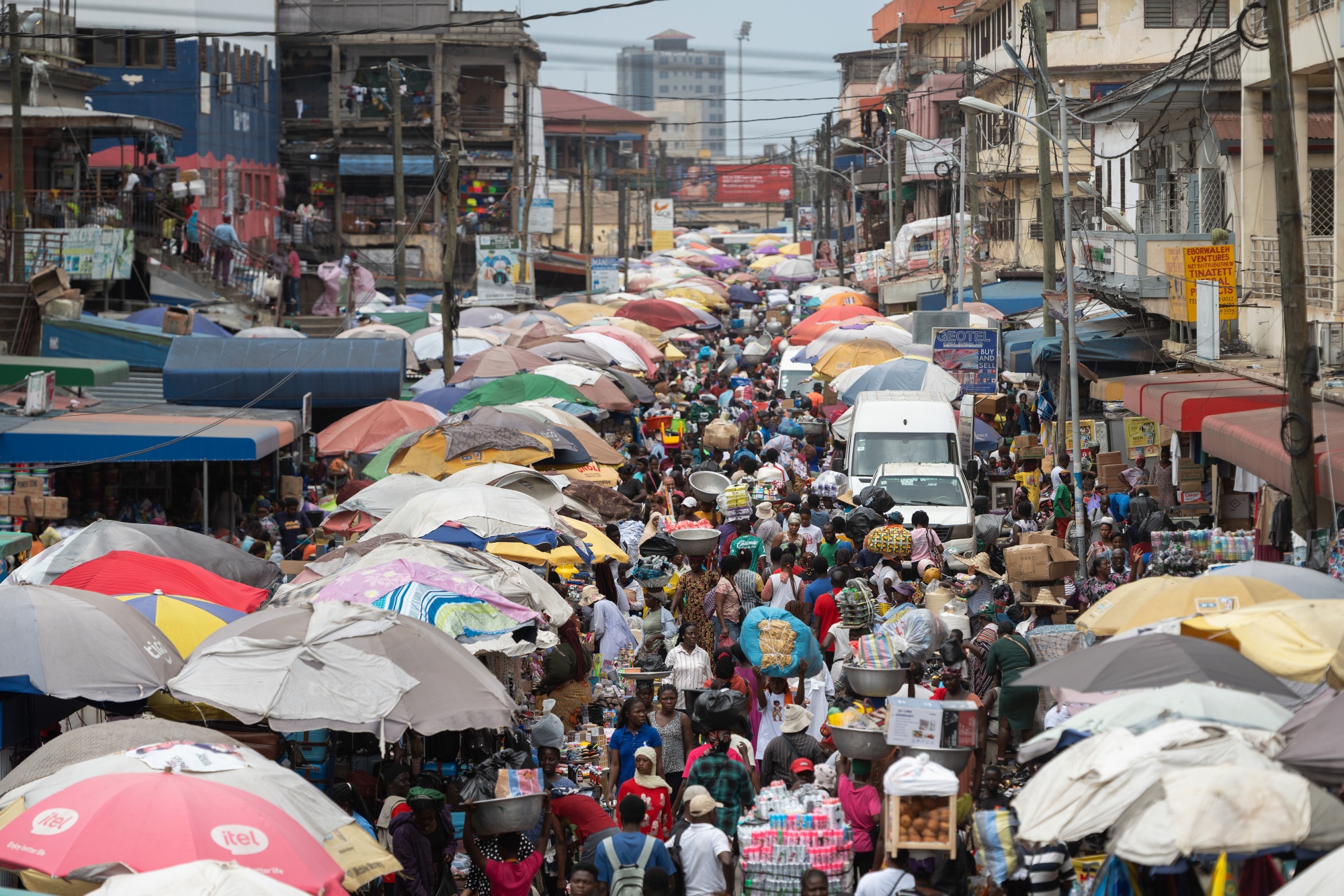 The Okaishie market in Accra in July 2025. Photographer: Ernest Ankomah/Bloomberg More From BloombergEnjoying Next Africa? You might also like:
|
Tuesday, March 10, 2026
Next Africa: Car trouble





Subscribe to:
Post Comments (Atom)
-
PLUS: Dogecoin scores first official ETP ...
-
Bloomberg Evening Briefing Americas View in browser Who's paying for Donald Trum...


No comments:
Post a Comment