| Read in browser | ||||||||||||||
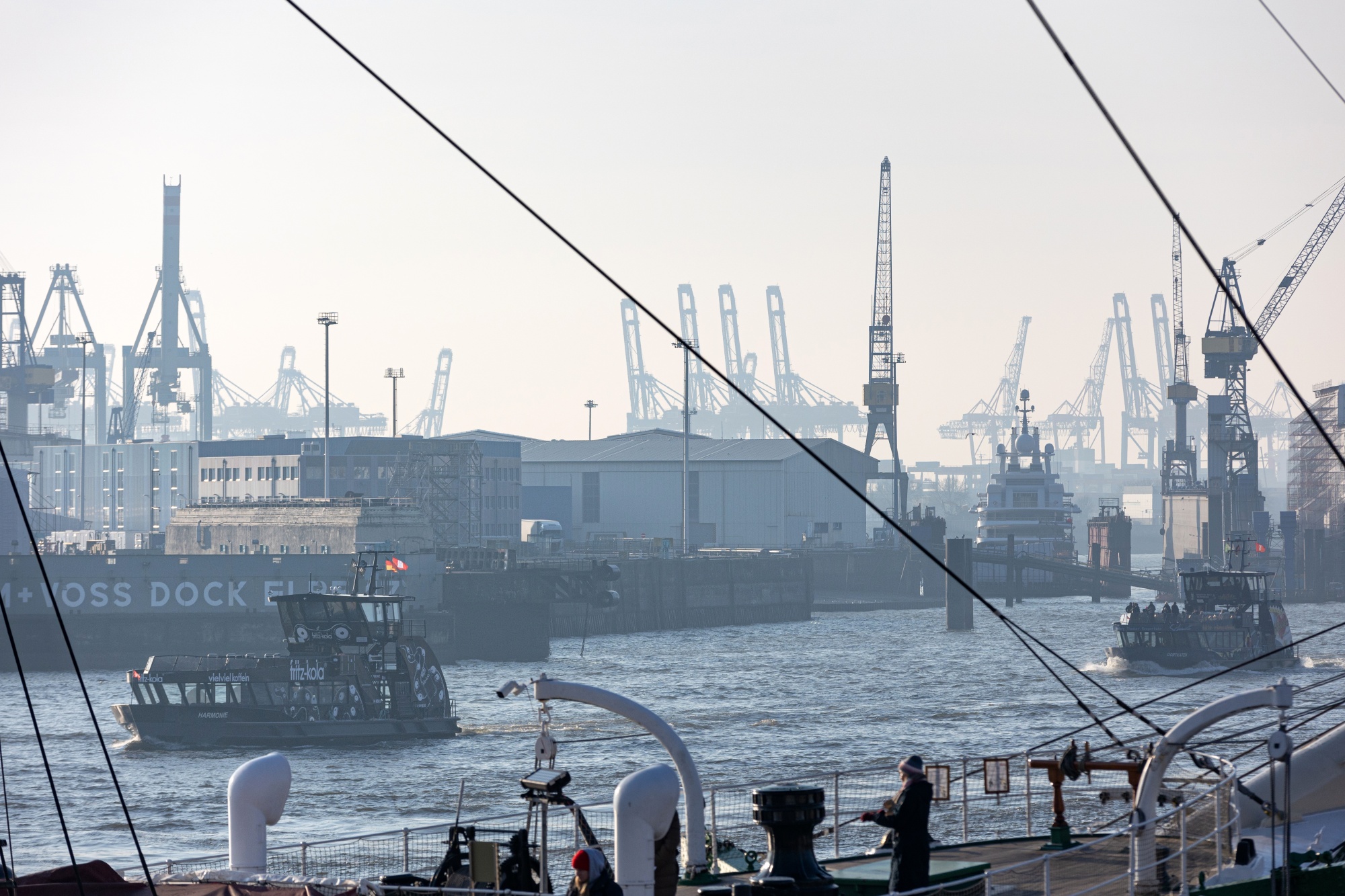
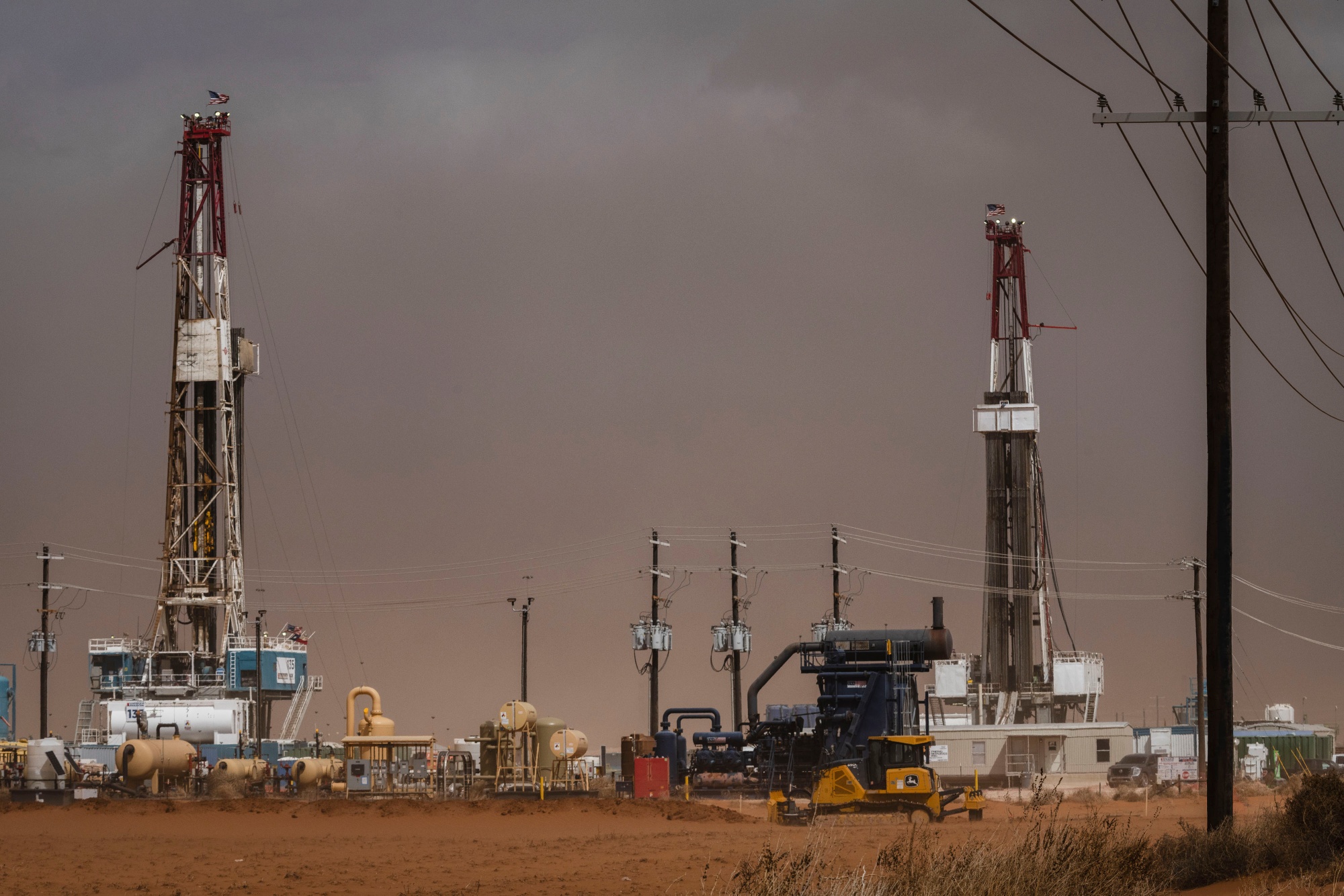
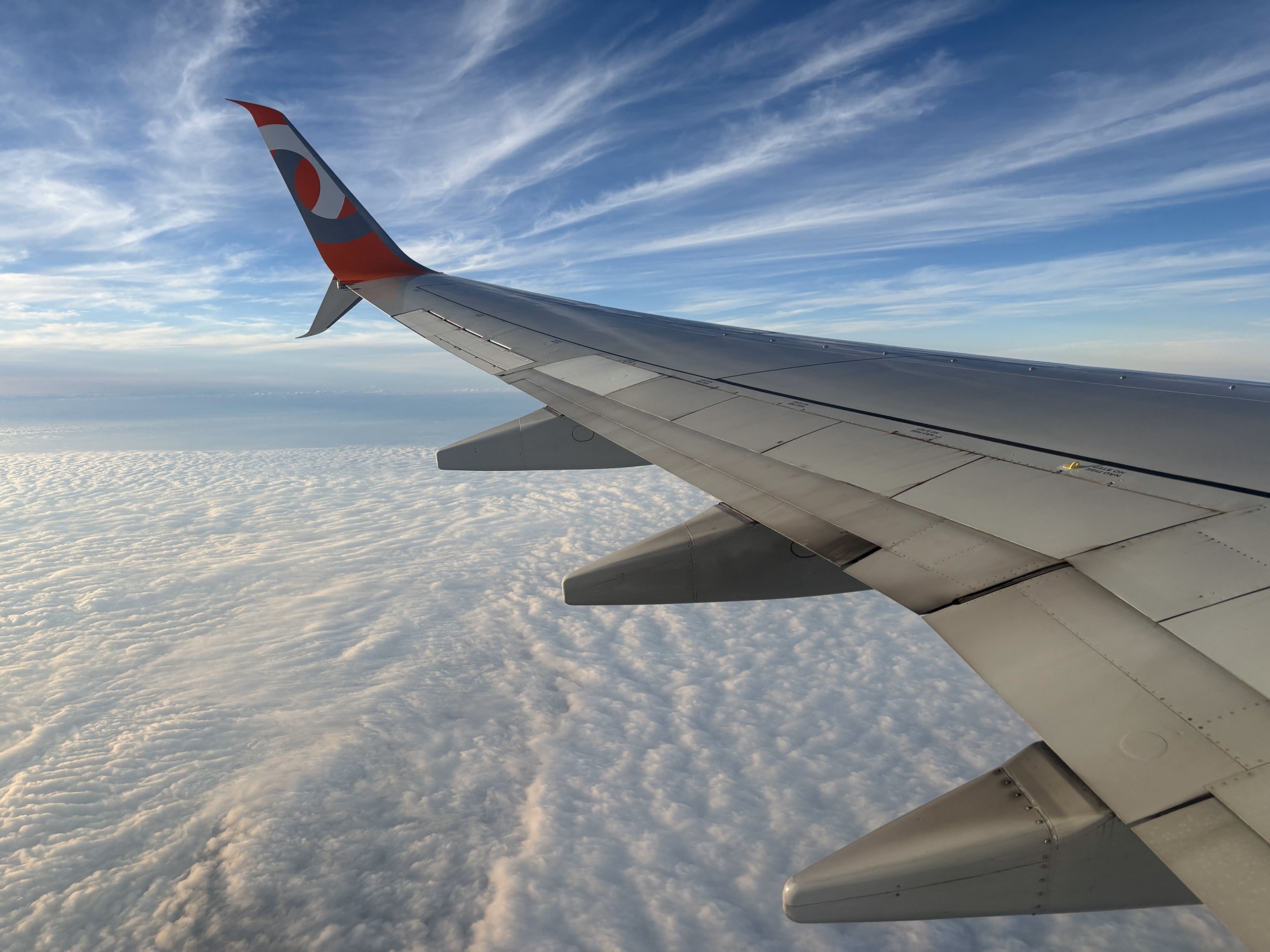
 Markets cratered on Friday, with the S&P 500 losing 1.7% and the Nasdaq 100 entering a correction with a loss of more than 10% from its last record. As the conflict in the Middle East continues unabated and the White House sends mixed signals about the status of the war, investors have grown increasingly concerned that higher oil prices will lead to faster inflation and cripple the global economy. Brent crude oil jumped to $112 a barrel as Iran continued to turn away tankers from the Strait of Hormuz. Higher fuel prices are stoking inflation worries — economists raised US inflation estimates to 3% this year — and undercutting the case for the Federal Reserve to lower interest rates anytime soon. That has helped push up Treasury yields this week. Among S&P 500 sectors, consumer discretionary stocks were among the biggest losers, with the group falling more than 3%, while the communications, technology and financial sectors were down more than 2%. The broader index itself was off nearly 9% from its late January record, nearing correction territory. Meanwhile, US consumer sentiment tumbled to a three-month low on Friday. Here's today's markets wrap. — Margaret Sutherlin What You Need to Know TodayThe US and Israel bombed Iranian nuclear targets and steel facilities on Friday, while Iran launched more airstrikes around the Persian Gulf, damaging two ports in Kuwait and prompting missile alerts in Doha. The attacks came after Trump pushed back his deadline for Iran to agree to reopen the Strait of Hormuz or face strikes on its power plants. The 10-day extension was his second since Saturday's threat to destroy the infrastructure if Tehran didn't reopen the critical waterway, a chokepoint that's become increasingly urgent with global energy and commodity shortages mounting. Meanwhile in Europe, US Secretary of State Marco Rubio sparred with his G-7 counterparts, criticizing allies for their unwillingness to help reopen the Strait of Hormuz. The Europeans have rebuffed Trump's bid for their militaries to participate in opening the chokepoint, saying they'd help once the missiles have stopped flying. Rubio also indicated to allies that the use of ground troops in Iran is unlikely and that the goals of the administration are achievable without them. A Senate deal to reopen the Department of Homeland Security hit a major roadblock in the House of Representatives on Friday, after several of Trump's right-wing allies opposed a fast track to fund the agency. The DHS shutdown has snarled air traffic for weeks and threatened to ripple through an economy also roiled by the Iran war. In the House, ultraconservatives want to add immigration funds and a controversial Trump-backed voter ID measure to the agreement. Under the Senate deal passed overnight, Republicans agreed to a Democratic offer to finance most of DHS's operations with the exception of ICE and Border Patrol. ICE had already received funding for multiple years as part of Trump's tax and spending bill last year. Trump may have alleviated some of the pressure after signing an memo directing Transportation Security Administration employees be paid after missing several paychecks. The mess at US airports has been a boon for one industry: private flight companies are keeping busy. Paramount Skydance may have won out against Netflix in the fight to buy Warner Bros. Discovery, but there are enough market cross-currents and doubts around the pending $111 billion deal that it could make for an enticing wager. Shares of Warner Bros. have fallen more than 7% from their peak in February and trade for less than the price Paramount agreed to pay, a classic signal of diminishing probability of the deal getting done. It's an opportunity for some investors willing to take the gamble. 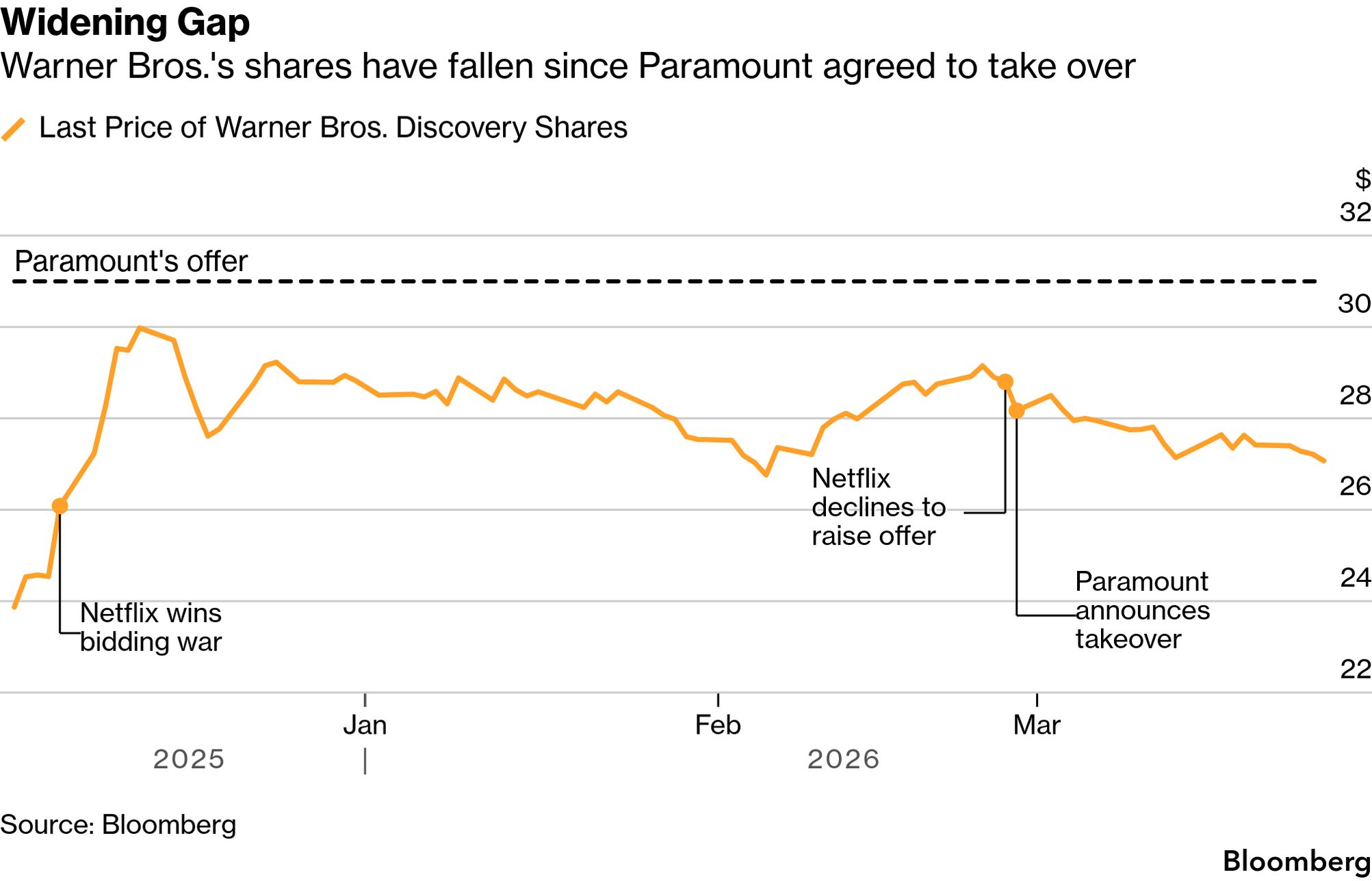 American farmers have been one of President Trump's most loyal constituencies, but their businesses have been rocked by Trump's own policies. In an effort to shore up support before the November midterm elections, the administration rolled out new loan guarantees for farmers, pledged to update biofuel standards and loosened rules around transporting fuel, fertilizer and other goods between ports. The Iran war, which is nearing its one-month mark, has sent the costs of fertilizer and fuel — both crucial inputs for growing crops — skyrocketing, and farmers were already reeling from damage to their businesses from Trump's tariff policies. What You'll Need to Know TomorrowFor Your CommuteMore from BloombergEnjoying Evening Briefing Americas? Get more news and analysis with our regional editions for Asia and Europe. Check out these newsletters, too:
Explore all newsletters at Bloomberg.com. We're improving your newsletter experience and we'd love your feedback. If something looks off, help us fine-tune your experience by reporting it here. Follow us
You received this message because you are subscribed to Bloomberg's Evening Briefing Americas newsletter. If a friend forwarded you this message, sign up here to get it in your inbox.
|
Friday, March 27, 2026
Nasdaq 100 in a correction







Subscribe to:
Post Comments (Atom)
Remember Tesla?
Just click here to see how to get positioned before the big SpaceX announcement. ͏ ͏ ͏ ͏ ͏ ͏ ͏ ͏ ͏ ͏ ͏ ͏ ͏ ͏ ͏ ͏ ͏ ͏ ͏ ...

-
PLUS: Dogecoin scores first official ETP ...
-
Bloomberg Evening Briefing Americas View in browser Who's paying for Donald Trum...


No comments:
Post a Comment