| Read in browser | ||||||||||||||
 Welcome to Balance of Power, bringing you the latest in global politics. If you haven't yet, sign up here. The US-Israel war on Iran has just landed on India's doorstep. Judging by his response, Prime Minister Narendra Modi seems to wish it would go away. Earlier this week, a US submarine sank an Iranian frigate off the coast of Sri Lanka. The attack was an affront to India for two reasons: First, it took place squarely in India's strategic backyard, a region of which New Delhi sees itself as the chief economic and military hegemon. Second — and perhaps more significantly — the Iranian vessel, the IRIS Dena, was in this region chiefly because of India. 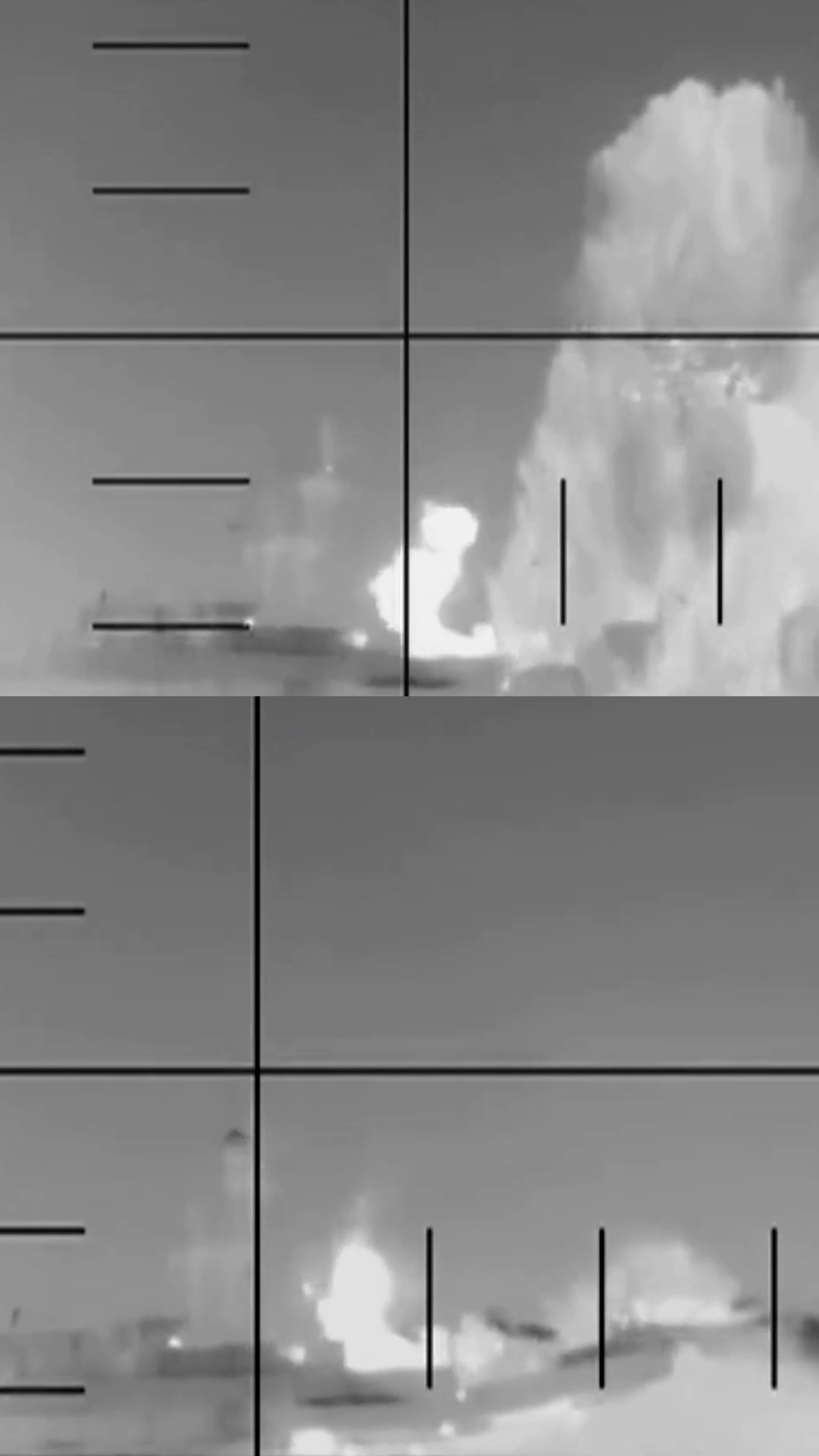 WATCH: The US sinking of an Iranian warship after it took part in naval drills in India. Just a few weeks ago, the vessel had participated in an India-sponsored military exercise on the eastern coastal city of Visakhapatnam, along with the navies of some 40 other nations. During the event, the Indian Navy tweeted photos of the vessel, and of personnel posing on its deck. The Iranian government has said the ship was unarmed. The episode is going down poorly inside India. Opposition leader Mallikarjun Kharge said the ship was "a guest of India" and lambasted Modi for offering no statement of concern or condolence. "PM Modi remains mute," he said on X. Yesterday, Modi offered his first public statement on the war since the vessel sank. He didn't take a firm line, emphasizing "dialog and diplomacy" to solve "any issue, be it in Ukraine or West Asia." Strategically, Modi has little to gain by taking a hard line on this war. India shares long diplomatic ties with pretty much all of the parties in the Mideast conflict. India also has much to lose the longer the war goes on, given its massive dependence on imported Middle East oil. But if the current war continues its eastward expansion, the middle path is likely to become more and more difficult to walk. — Dan Strumpf 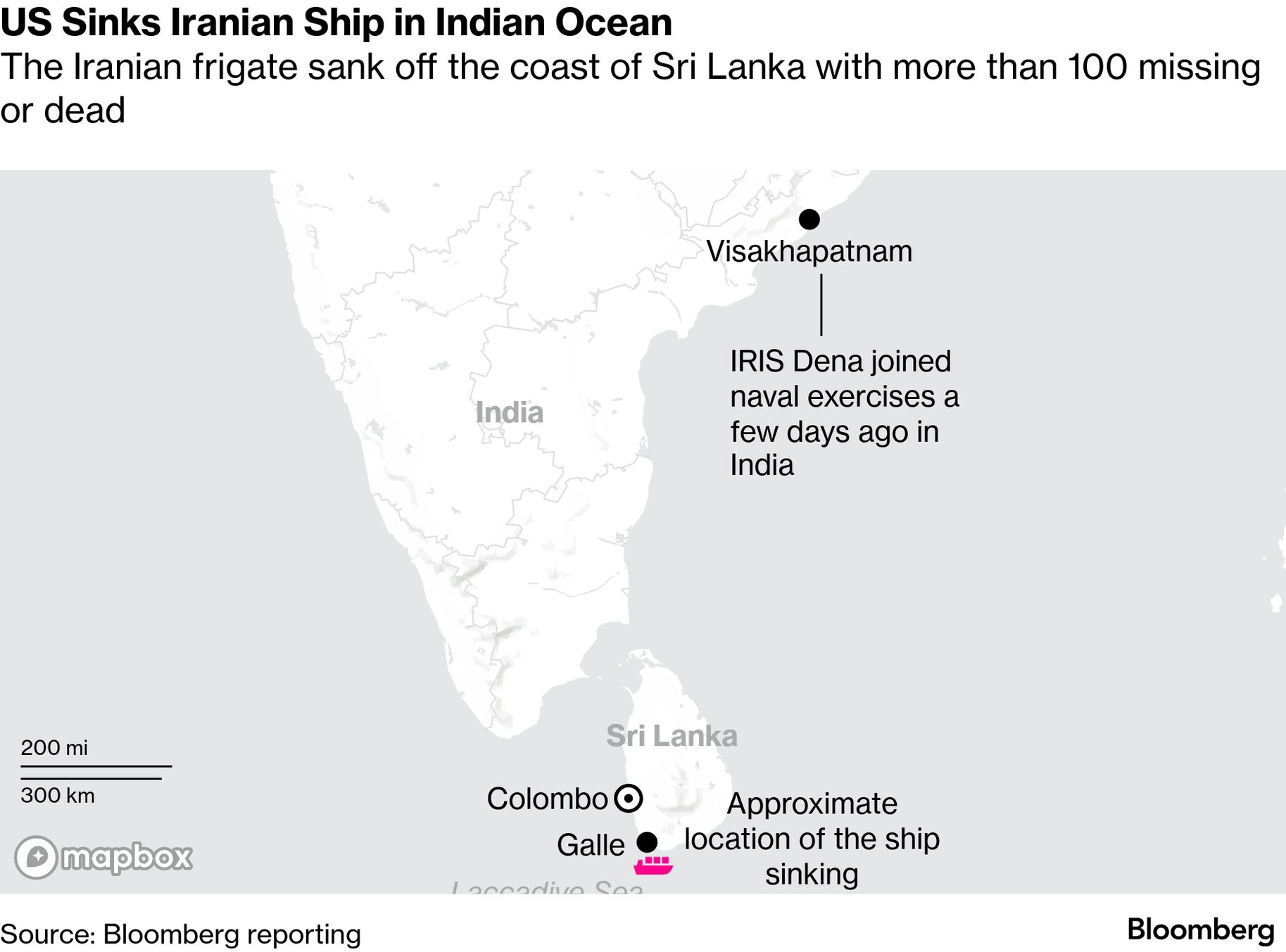 Global Must ReadsA barrage of Iranian missiles and drones targeted at least five countries across the Middle East, while Israel carried out a 12th wave of airstrikes on Tehran and the US suspended operations at its embassy in Kuwait. In an interview with NBC News, Trump said he wanted to "clean out" Iran's leadership structure and he had names in mind to take over, adding that Mojtaba Khamenei, the son of the late ayatollah, is "unacceptable to me." For the latest coverage of the Middle East conflict, follow our live blog. 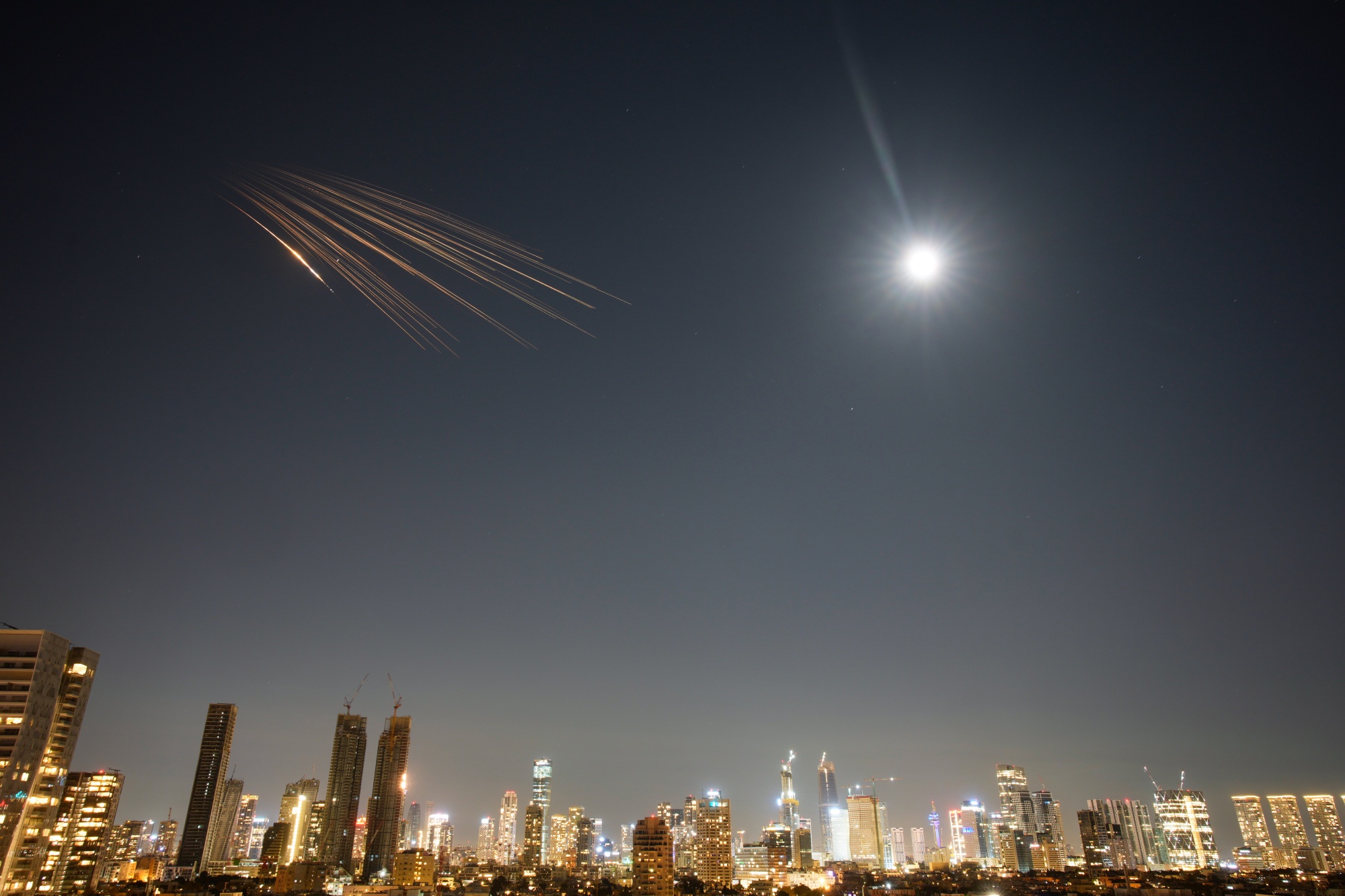 Iranian missiles over central Israel yesterday. Photographer: Ohad Zwigenberg/AP Photo The United Arab Emirates' status as a hub for the global economy and a magnet for money and talent is under threat due to the conflict, with some companies reconsidering hiring and expats thinking of leaving. At stake is the allure of the country as a pillar of stability in an uncertain world after its gleaming cities drew the biggest names in finance, became vital travel gateways and embarked on building huge data centers. Israel's military is working to open the way for Kurdish forces to take up positions in Iran's northwest to further shake Tehran's authority, a move that's raising alarm bells in Turkey and Iraq. While the US and its allies relied on the Kurds, the world's largest ethnic group without a state of its own, in neighboring conflict zones including against Islamic State, entering the war against Iran could have wider repercussions. 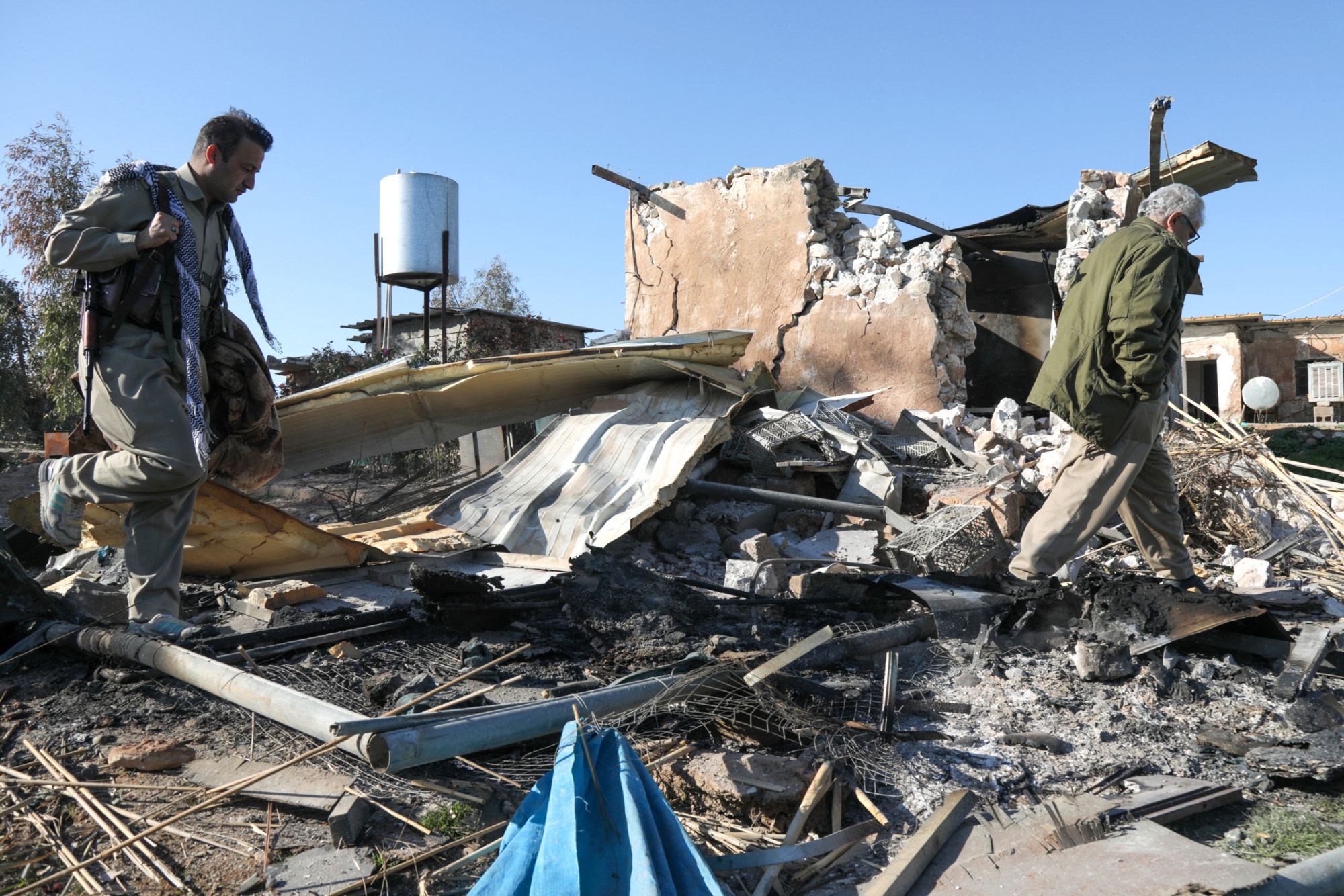 Iranian Kurdish forces inspect damage after an Iranian attack in northern Iraq on Tuesday. Photographer: Safin Hamed/AFP/Getty Images The US and Venezuela agreed to re-establish diplomatic relations, signaling Trump's willingness to work with its current leadership now that he's ousted Nicolás Maduro. The State Department said Washington wants to create the conditions "for a peaceful transition to a democratically elected government," a day after Venezuela's interim president, Delcy Rodríguez, welcomed an American delegation and promised to move at "Trump speed" to unlock her country's mineral wealth. The European Union is considering providing Ukraine with financial help to repair the Druzhba oil facility as Hungary and Slovakia block support for Kyiv and sanctions on Russia until supplies through the pipeline resume. Repairs would take as long as six weeks, though Kyiv would be reluctant to restore the flows, Ukrainian President Volodymyr Zelenskiy said, pointing to the exports that help finance Russia's war. The Swiss may be about to reaffirm their fondness for cash with a vote that would give the francs in their wallets a place in the constitution. 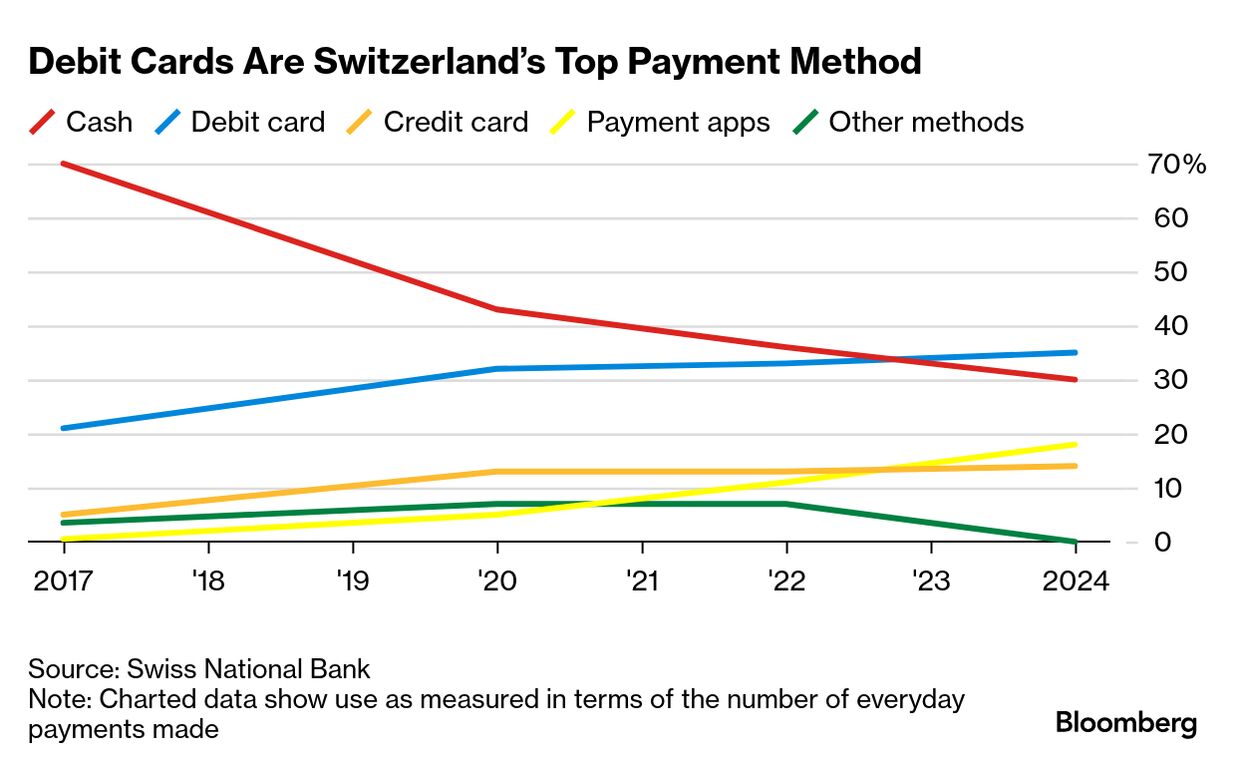 The EU's enlargement chief said the destabilized world requires new rules to rules to accelerate Ukraine's membership bid, confirming the country won't be able to join by its 2027 goal under the current process. New Zealand Prime Minister Christopher Luxon moved to quell speculation he'll resign after a poll showed sinking public support for his National Party, which he said still stood firmly behind him. The Philippines' top security official said more people are being probed after authorities apprehended three Filipino nationals for allegedly leaking sensitive information to Beijing. Don't miss from Bloomberg Weekend: Mishal Husain talks with Middle East scholar Bernard Haykel about Tehran's calculus and the risk of regime collapse, Philip Delves Broughton looks at how shocks to energy supply can unravel economies, and Adrian Wooldridge explores how the US gave up on liberalism. Subscribe to the newsletter here.  WATCH: Middle East scholar Bernard Haykel talks to Mishal Husain. Sign up for the Washington Edition newsletter for news from the US capital and watch Balance of Power at 1 and 5 p.m. ET weekdays on Bloomberg Television. Chart of the Day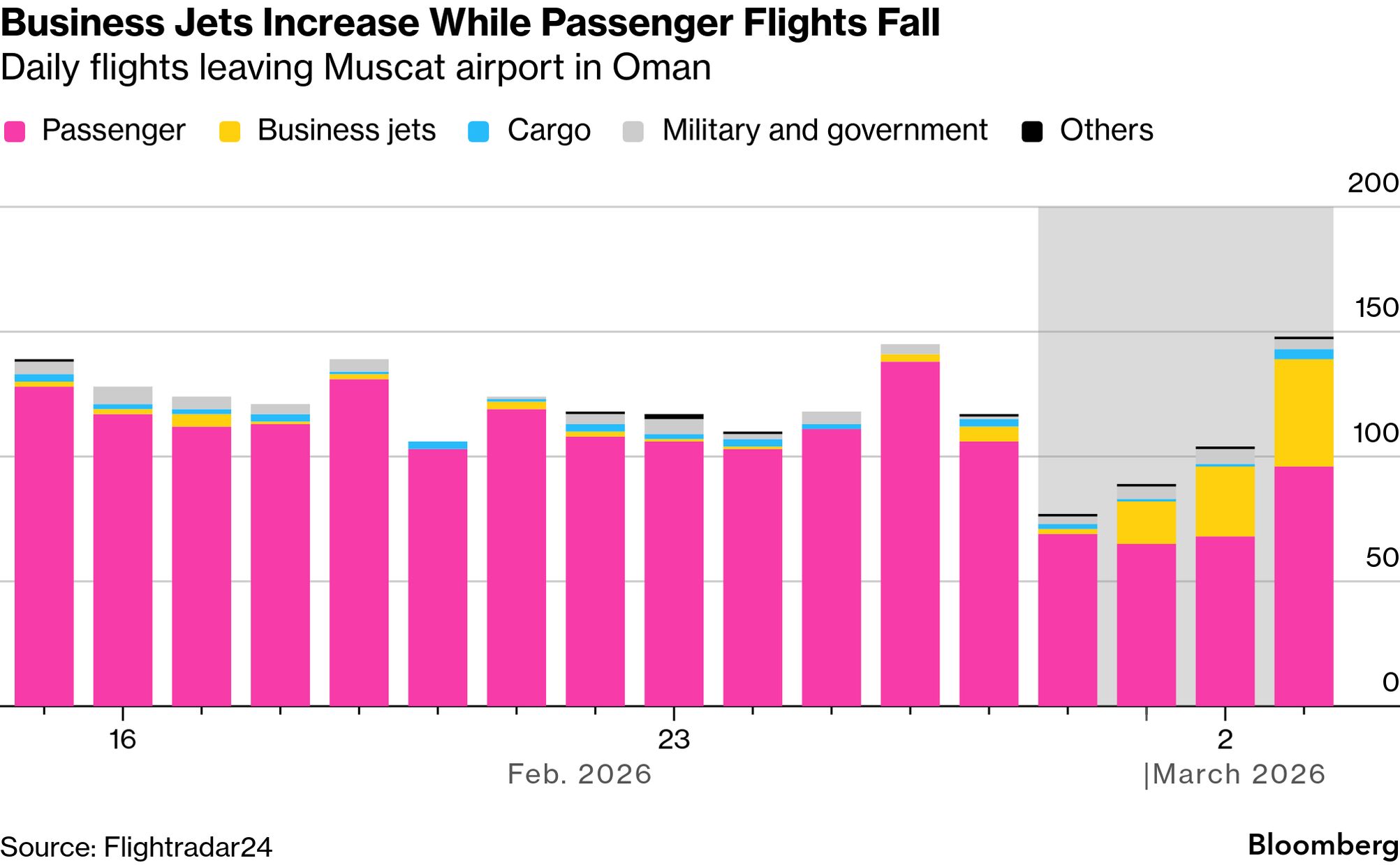 Governments from the UK to Germany to Italy are dispatching rescue missions to Muscat International Airport to retrieve stranded citizens. Oman's government is working with airlines to get people home, with carriers including Qatar Airways conducting flights from Muscat to destinations such as London and Amsterdam. Private-jet movements have surged at the airport, with governments and companies arranging evacuation flights and others being booked by wealthy families escaping Dubai. And FinallyThe financial and logistical troubles the Iran war is causing for the global aviation industry are compounding by the day, with the number of canceled flights to Middle East hubs surpassing 27,000 since fighting began. Thousands of passengers in the Gulf region have had to take circuitous, expensive routes to reach functioning airports in Saudi Arabia and Oman. Of the 51,600 scheduled flights to or from the Middle East since Feb. 28, more than half have been canceled. Lufthansa is considering more capacity on routes to Asia and Africa amid growing demand on long-haul routes. 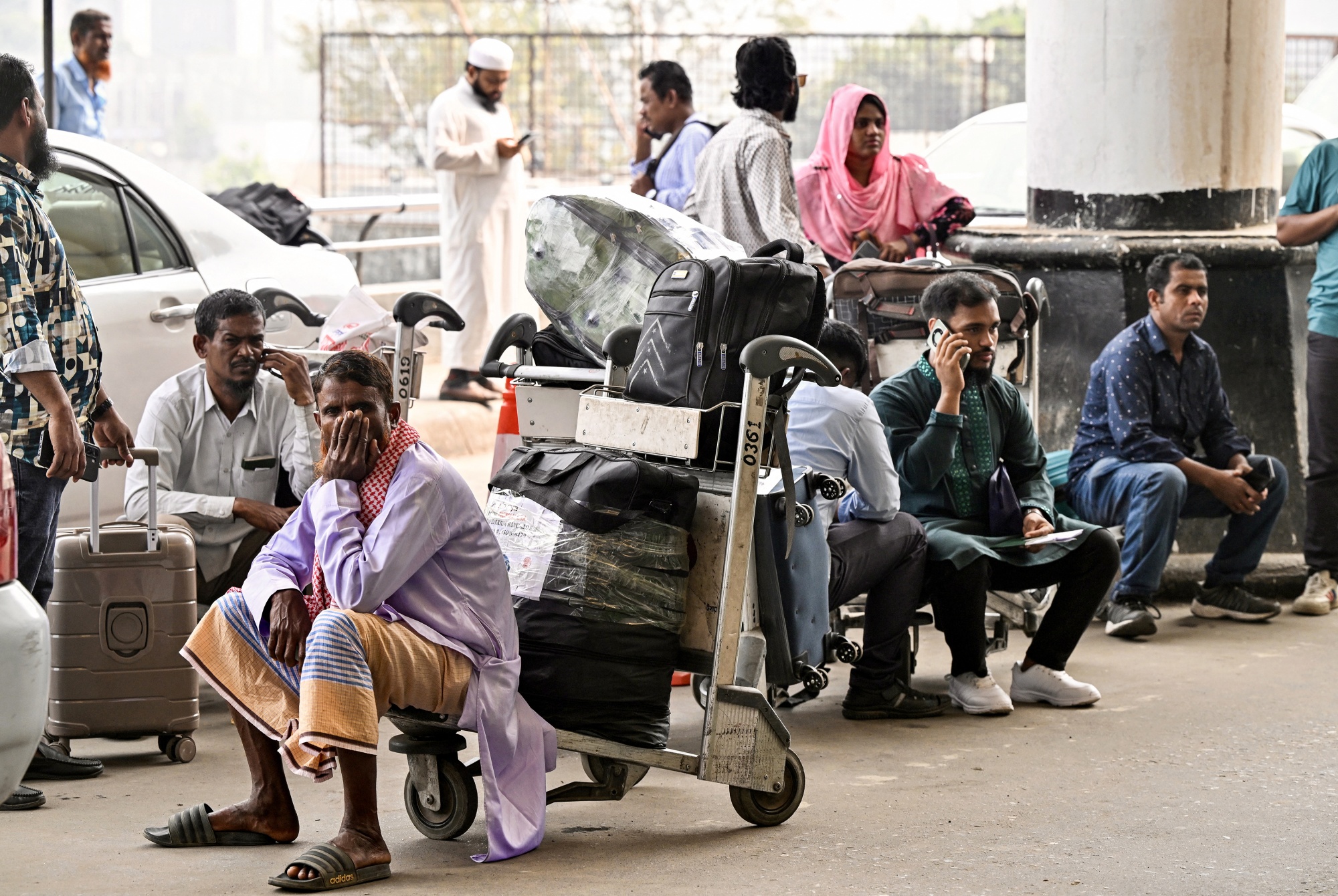 Stranded passengers at the Hazrat Shahjalal International Airport in Dhaka, Bangladesh, on March 3. Photographer: Munir Uz Zaman/AFP/Getty Images Pop Quiz (no cheating!). The president of which country called members of the opposition parasites, delinquents and thieves during a speech to congress this week? Send your answers to balancepower@bloomberg.net More from Bloomberg
We're improving your newsletter experience and we'd love your feedback. If something looks off, help us by reporting it here. Follow us
You received this message because you are subscribed to Bloomberg's Balance of Power newsletter. If a friend forwarded you this message, sign up here to get it in your inbox.
|
Friday, March 6, 2026
Modi’s new headache





Subscribe to:
Post Comments (Atom)
Big Bear AI: Defense Giant With Trump Tailwinds?
Big Bear AI is a small-cap defense stock sitting at the crossroads of military intelligence, border security, and biometric technology, qu...
-
PLUS: Dogecoin scores first official ETP ...
-
Bloomberg Evening Briefing Americas View in browser Who's paying for Donald Trum...


No comments:
Post a Comment