| Read in browser | ||||||||||||||
 Iran has numerous vulnerabilities in its war with the US and Israel. One of its biggest might be its water system. Already strained by a multiyear drought, any damage to Iran's water infrastructure would be a devastating blow. Today's newsletter looks at how Iran's water crisis got so bad and how climate change is impacting one of the most arid parts of the world. Plus, a scoop about green cement startup Sublime Systems laying off two-thirds of its workforce. Subscribe to Bloomberg News for unlimited access to all our coverage on the conflict in the Middle East and implications for the clean energy transition. Water on the brinkBy Laura Millan and Eric Roston A bright ball of fire traveled along the Tehran boulevard, so fast that people initially thought it was a drone attack. But the video shows no explosion and, instead, a long tail of flames where a water canal used to be. Multiple posts shared on social media show what look like drainage channels burning after Israeli airstrikes hit oil depots on the outskirts of Tehran last weekend. Bloomberg could not independently verify the videos. The images are a brutal example of the state of Iran's water system, which was already in a dire condition before the war. Tehran was on the verge of reaching so-called Day Zero for water at the end of last year, with reservoirs that supply the city of about 9 million running dry. In an unprecedented move, the country's President Masoud Pezeshkian in November released a video warning that, even with rationing, people would have to evacuate Tehran if no rain fell soon. 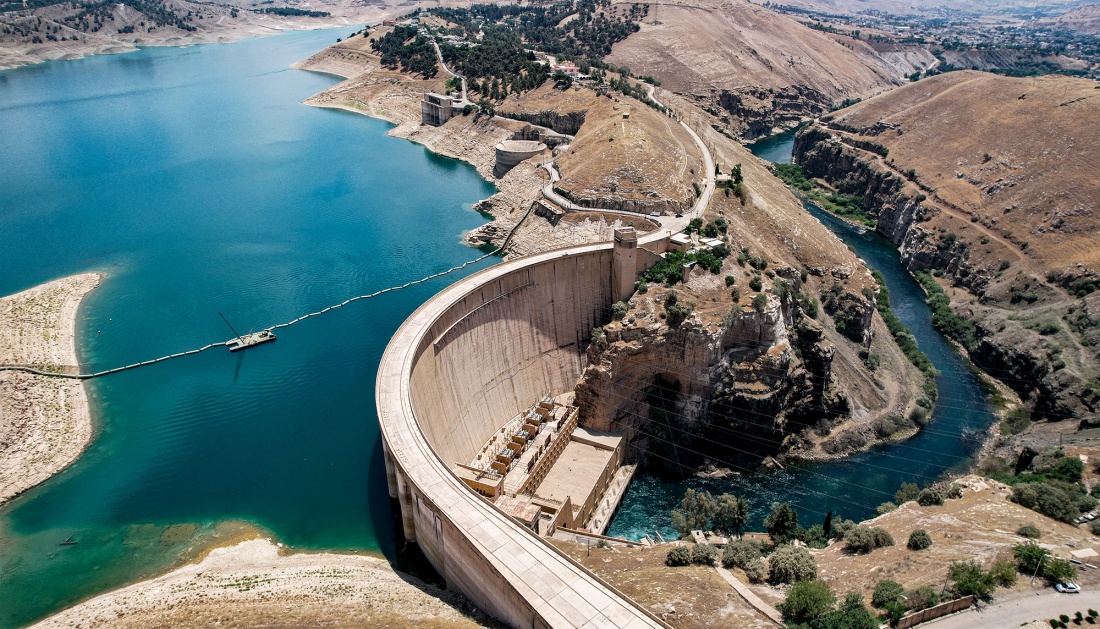 The Dukan Dam and reservoir near Sulaimaniyah, Iran, on June 4. AFP The conflict is unfolding in the world's most water-stressed region and in one of those most affected by climate change. "Iran was already not able to adapt to any of the consequences that climate change brings for water," said Susanne Schmeier, a professor of water cooperation, law and diplomacy at IHE Delft in the Netherlands who has studied the water crisis in Iran for years. 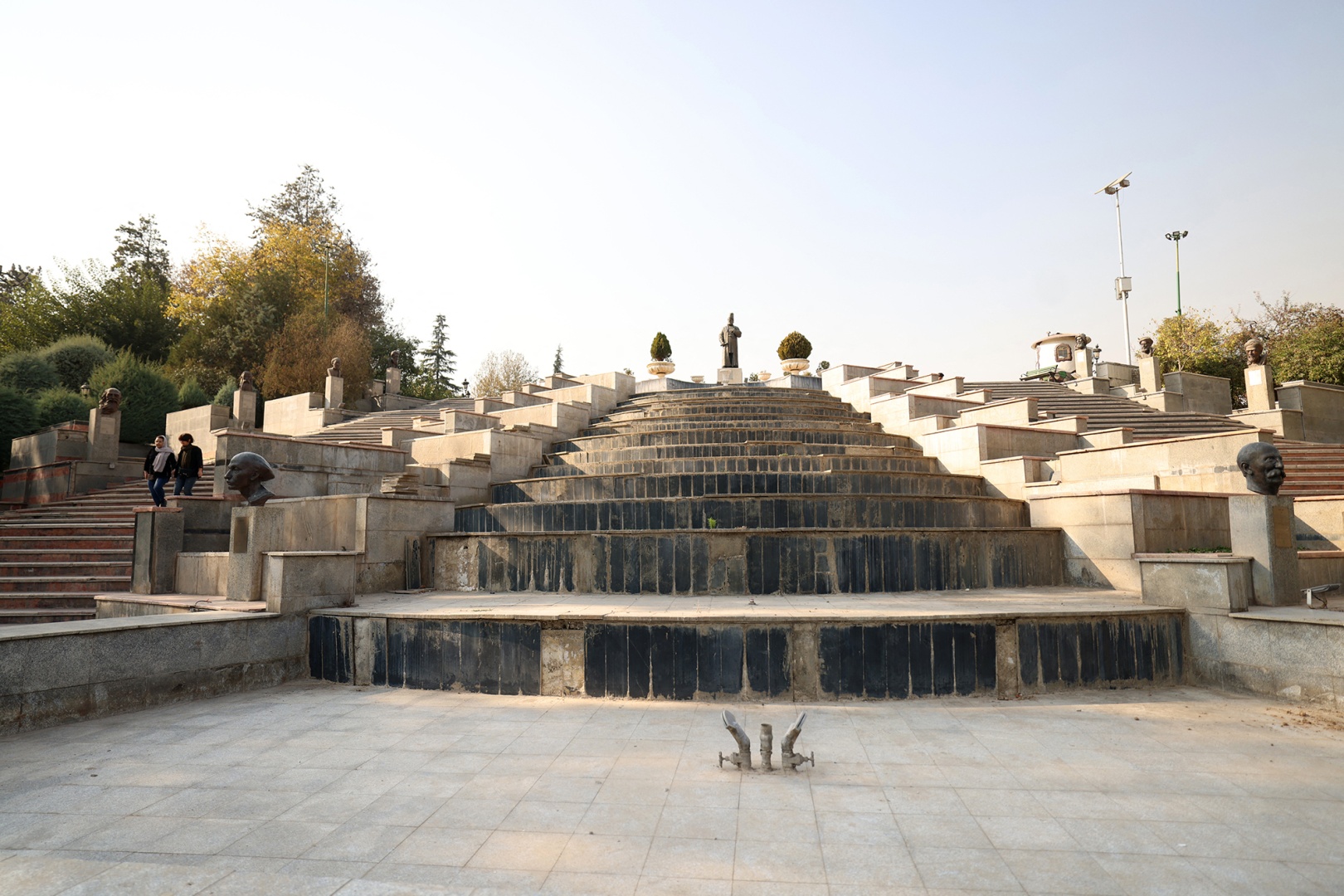 A dry water feature collects dust in Mellat Park in Tehran on Nov. 9. Photographer: Atta Kenare/AFP/Getty Images Since 2020, the nation has seen its worst drought on record. Years with very little rain are now 10 times more likely than they were before industrialization, according to World Weather Attribution, a scientific group that quantifies the effects of greenhouse gas pollution on extreme weather episodes. The consequences of global warming are compounding decades of mismanagement by Iranian authorities, a water-intensive agricultural policy and sanctions that prevented imports of supplies essential for the maintenance of water infrastructure. "Iran has had this water-security crisis building for decades," said Tom Ellison, deputy director at the Center for Climate and Security, part of the nonprofit Council on Strategic Risks in Washington, DC. "Whatever comes out of this conflict, Iran is still going to have this worsening problem." 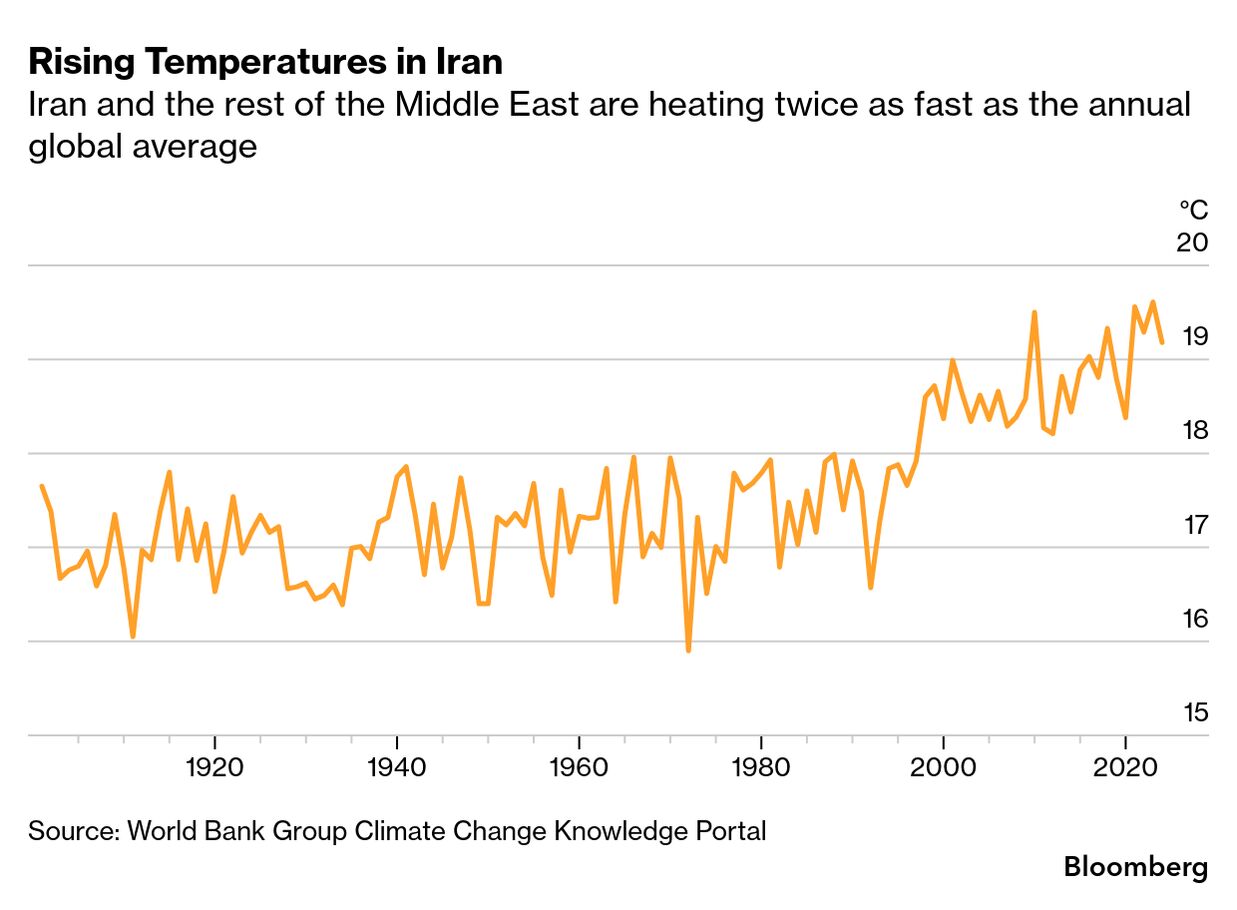 It is the 14th most water-stressed country globally, and more than four-fifths of its 93 million people face extremely high water stress, said Liz Saccoccia, a water security analyst at the nonprofit World Resources Institute. In modern times, Iran and other countries in the Gulf region have addressed water scarcity by building centralized systems that rely on large infrastructure like dams and desalination plants, said Swathi Veeravalli, an advisory board member at the Center for Climate and Security. That has allowed cities in the region to grow far beyond their ecological limits, she said. "Drinking water is [Iran's] most strategic vulnerability," Veeravalli said. "These centralized water distribution systems are fantastic, except when they become single points of failure, which they're becoming quickly right now." Read the full story on Bloomberg.com, as well as our explainer of how desalination plants have been drawn into the war. Going bankrupt6.1 billion The number of people who live in countries where freshwater supplies are insecure or critically insecure, according to a United Nations report. That same report referred to this era as one of "global water bankruptcy." Global water grab"To knowingly go into a region like that and drill deeper wells really tests the limits of corporate ethics." Jay Famiglietti Global futures professor, Arizona State University Read our Pulitzer-finalist Water Grab series from 2023 about how investors around the world are moving to control and profit from scarce water sources. This week's Zero Abi Daré at the Bloomberg office in London. Photographer: Akshat Rathi/Bloomberg In the latest episode of Zero's Imagine series, Akshat Rathi is joined by Abi Daré, winner of the inaugural Climate Fiction Prize. Abi is the bestselling author of And So I Roar, which tells the story of the teenager Adunni as she confronts superstition, lack of education and the impacts of climate change on the rural communities of Nigeria. Abi joins Zero to talk about the role climate change plays in her storytelling, and how she has seen Nigeria adopt climate solutions as it develops rapidly. Listen now, and subscribe on Apple, Spotify, or YouTube to get new episodes of Zero every Thursday. Low-carbon layoffsBy Akshat Rathi and Emma Court Green cement startup Sublime Systems has laid off two-thirds of its current workforce after President Donald Trump's administration canceled a crucial grant that would have supported the producer's first major manufacturing facility. As a result of the loss of an $87 million grant from the US Department of Energy, "the company has faced compounding challenges in assembling the capital stack required to scale our operations," a Sublime spokesperson wrote in an email. Prior to the layoffs, the company employed between 80 and 90 people. 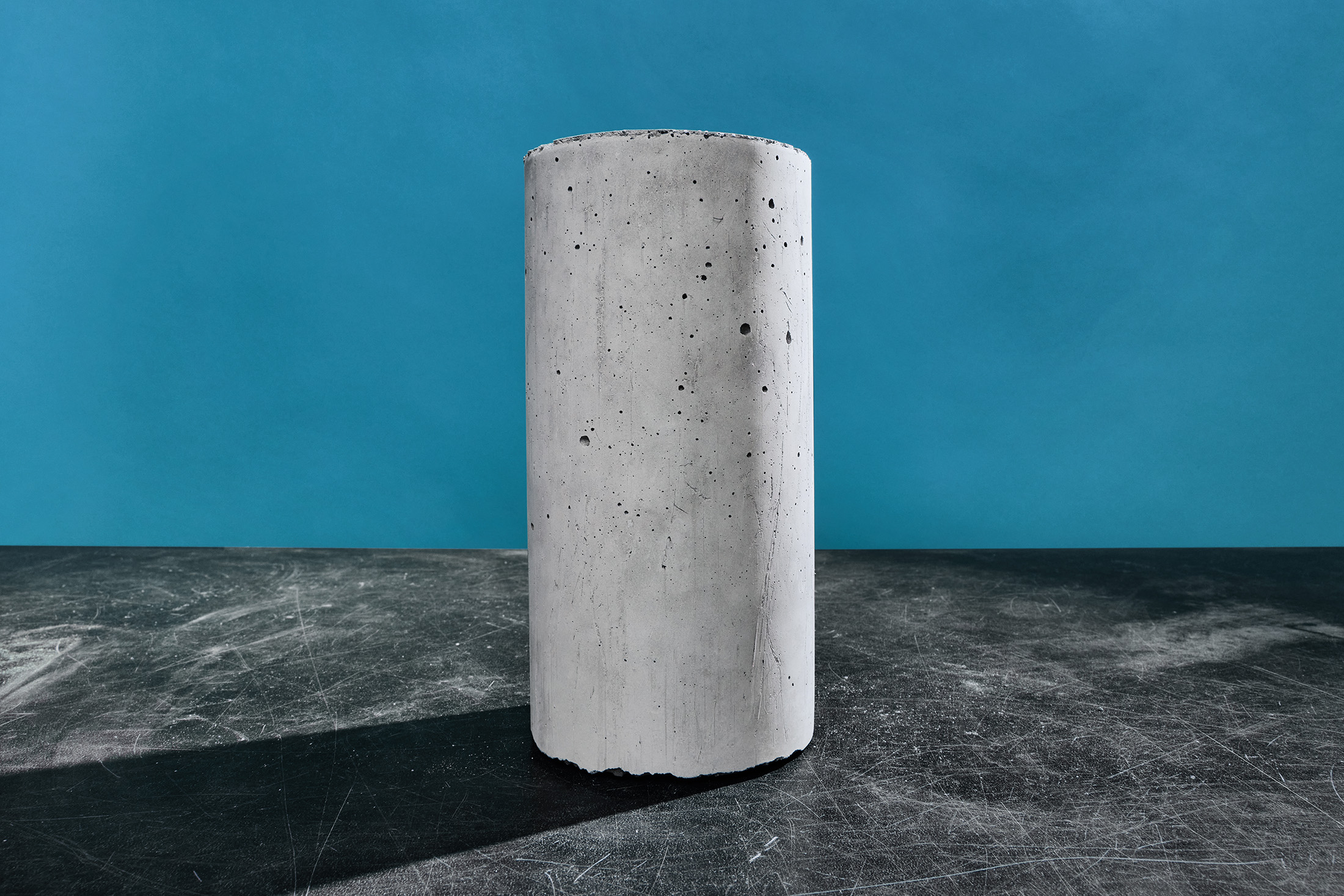 A Sublime Systems concrete cylinder. Source: Sublime Systems In December, Sublime let go of 10% of its workforce and halted construction of a manufacturing plant in Holyoke, Massachusetts. The job cuts mean it's now unclear whether the company will be able to fulfil a deal with Microsoft Corp. to supply as much as 622,500 metric tons of cement over a period of five to eight years. "Microsoft remains committed to advancing low-carbon building materials and continues to work with Sublime," a company spokesperson said in an email. Read the full story on bloomberg.com. More from Green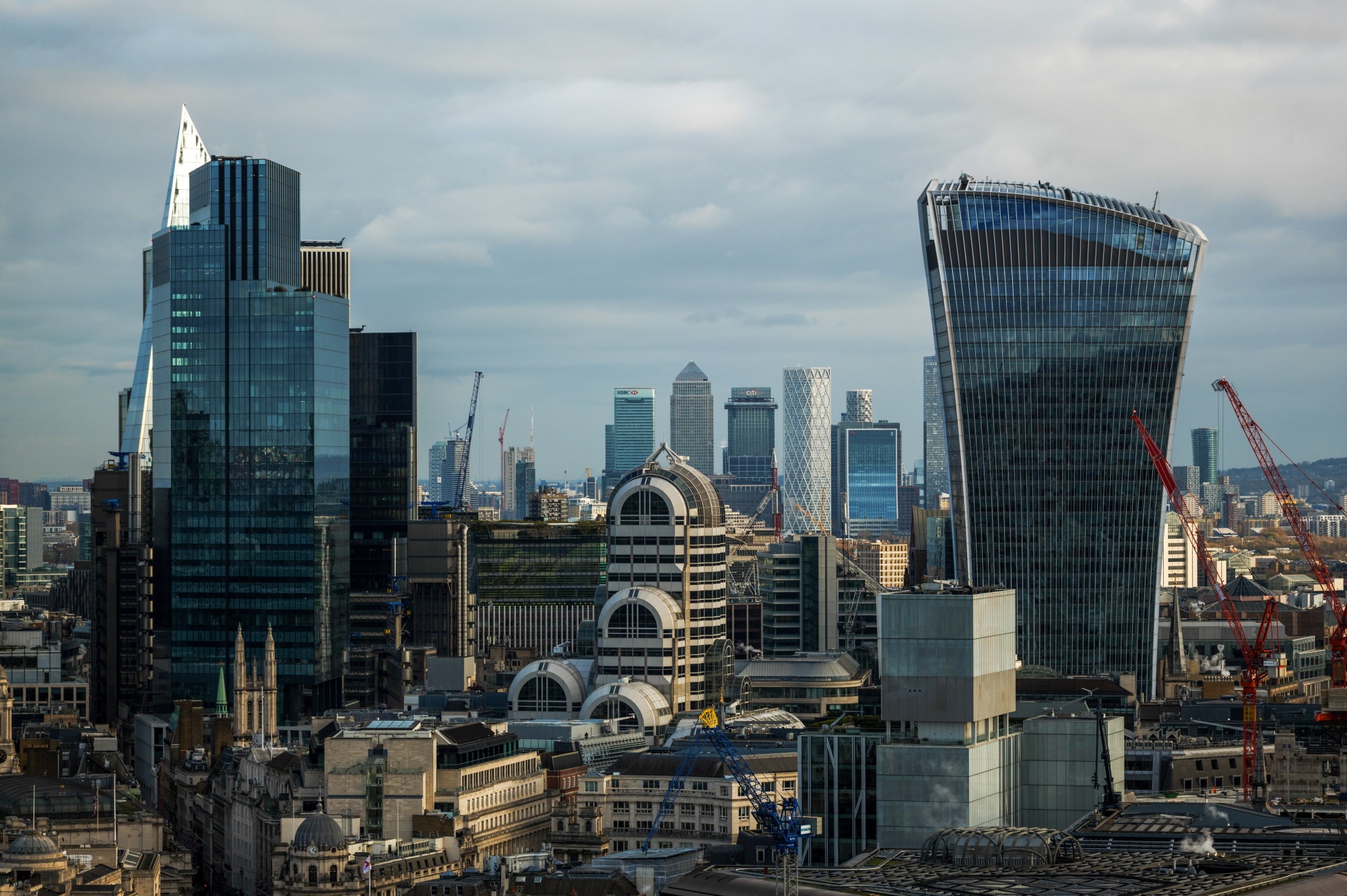 Skyscrapers and commercial buildings on the skyline of the City of London. Bloomberg Soaring oil and gas prices have thrust into plain sight the risk investors in commercial real estate face if they don't make their buildings less reliant on old-world energy. That's according to the chief executive and co-founder of Deepki, a closely held real estate consultancy whose clients include the French government, Generali Real Estate and SwissLife Asset Managers. "The current conflicts in the Middle East and Ukraine are no longer peripheral geopolitical risks," said Deepki CEO Vincent Bryant. That means over-reliance on old sources of energy such as oil and gas presents a potentially unmanageable risk, he said. "For institutional investors, the question is no longer whether they can afford to decarbonize, but whether they can afford the terminal risk of holding assets that are structurally tethered to a volatile fossil fuel economy," Bryant said. More from Bloomberg
Explore all Bloomberg newsletters. We're improving your newsletter experience and we'd love your feedback. If something looks off, help us fine-tune your experience by reporting it here. Follow us
You received this message because you are subscribed to Bloomberg's Green Daily newsletter. If a friend forwarded you this message, sign up here to get it in your inbox.
|
Thursday, March 12, 2026
Iran’s water crisis meets warfare





Subscribe to:
Post Comments (Atom)
Huge returns… from 0.1% moves?
Do you know the market has a natural bullish bias? Sponsored Content Do you know the market has a natural bullish bias? Do you know the ...
-
PLUS: Dogecoin scores first official ETP ...
-
Bloomberg Evening Briefing Americas View in browser Who's paying for Donald Trum...


No comments:
Post a Comment