| Read in browser | ||||||||||||||
 Welcome to Balance of Power, bringing you the latest in global politics. If you haven't yet, sign up here. The aura of invincibility has come off Giorgia Meloni. Italy's prime minister is something of a model for far-right contenders in Europe, where she serves as an example of how a rabble-rousing provocateur can successfully transition to the mainstream. In Brussels, she earned a prominent seat at the table in a European Union hierarchy suspicious of an anti-establishment populist tide. She managed to stay out of Donald Trump's sights when he took jabs at traditional US allies of all stripes. Now she's suffered defeat — in a referendum of her own making on a judicial overhaul few Italians understood. It became a plebiscite on her, exposing her over-confidence a year ahead of a general election she was looking to win to lay down her legacy. 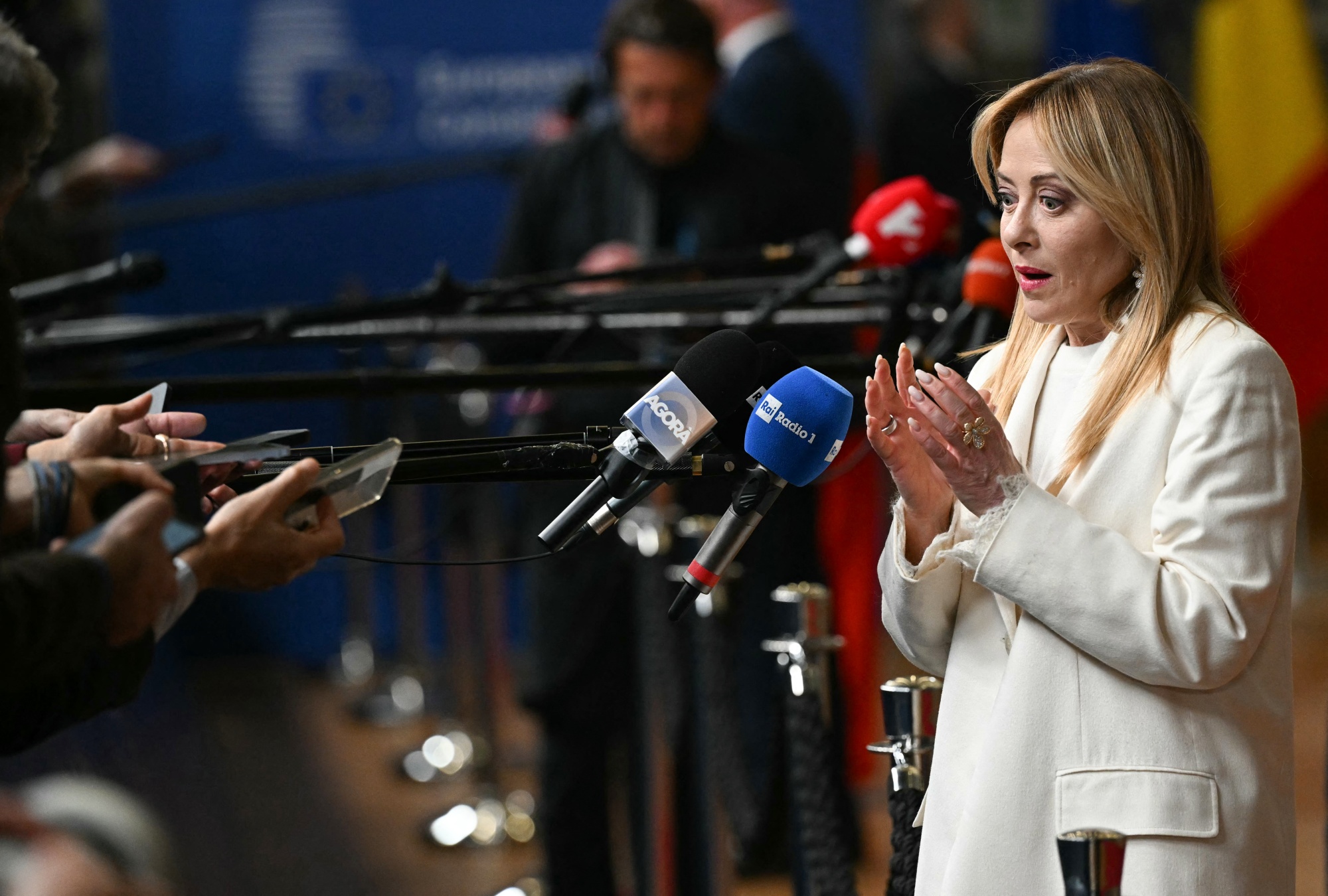 Meloni in Brussels on March 19. Photographer: Nicolas Tucat/AFP/Getty Images Instead, she must correct course just as she becomes a veteran among Group of Seven leaders, with her political frenemy French President Emmanuel Macron exiting the scene. Still, Meloni is not alone in experiencing a setback. In France, the far right failed to take key cities in municipal elections, blunting the sense of inevitability that Marine Le Pen — or her dauphin, Jordan Bardella, if she's barred from running — would finally claim the presidency in 2027. In Slovenia, a far-right insurgency was shut out of power by a whisker, while in Spain, Prime Minister Pedro Sánchez's Socialists scuppered the far-right's rise with a surprise comeback. Nigel Farage is meanwhile losing his polling gloss in the UK. He was an architect of the Brexit movement that won its referendum — a tool traditionally favored by populists, until they go awry. Next up is Viktor Orban, the conservative nationalist who's turned Hungary into an illiberal state. Despite his iron grip on power, surveys suggest he faces an uphill struggle for re-election in April. For Orban, it's all looking much too close for comfort. — Flavia Krause-Jackson 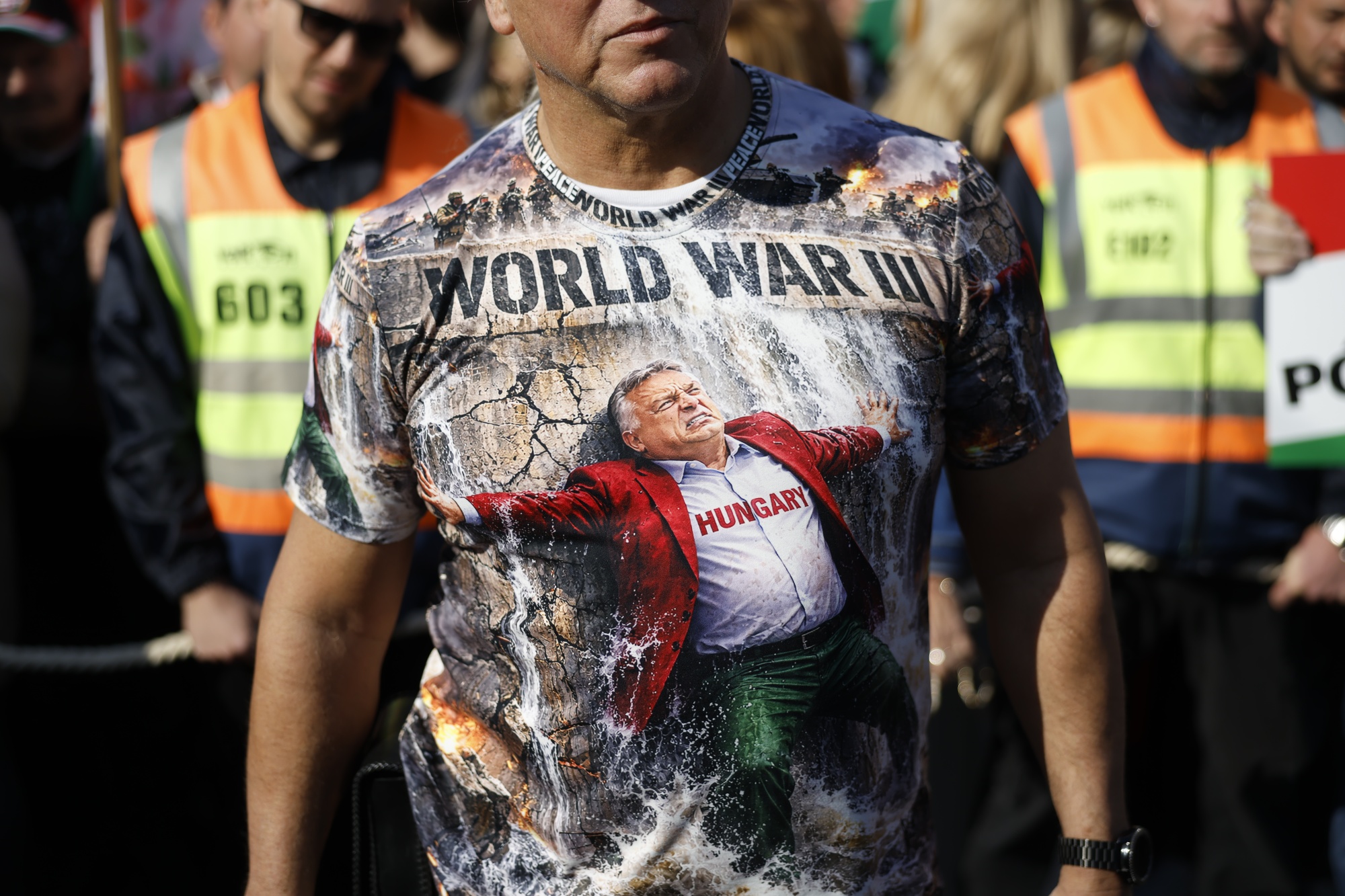 An Orban supporter during a rally in Budapest on March 15. Photographer: Akos Stiller/Bloomberg Global Must ReadsFighting continued unabated between Iran and the US-Israeli alliance, even as Trump said talks are under way to end the conflict — claims denied by officials in Tehran. The US president's decision to back down from his threat to destroy Iran's power infrastructure came after allies and Gulf countries privately warned him of the dangers of following through with his threat, sources say. Pakistan is making a push to mediate talks to end the fighting, with its powerful army chief holding calls with Trump to find a resolution. Saudi Arabia and the United Arab Emirates have meanwhile taken steps toward joining the war on Iran, the Wall Street Journal reported, potentially signaling an escalation of the fighting. 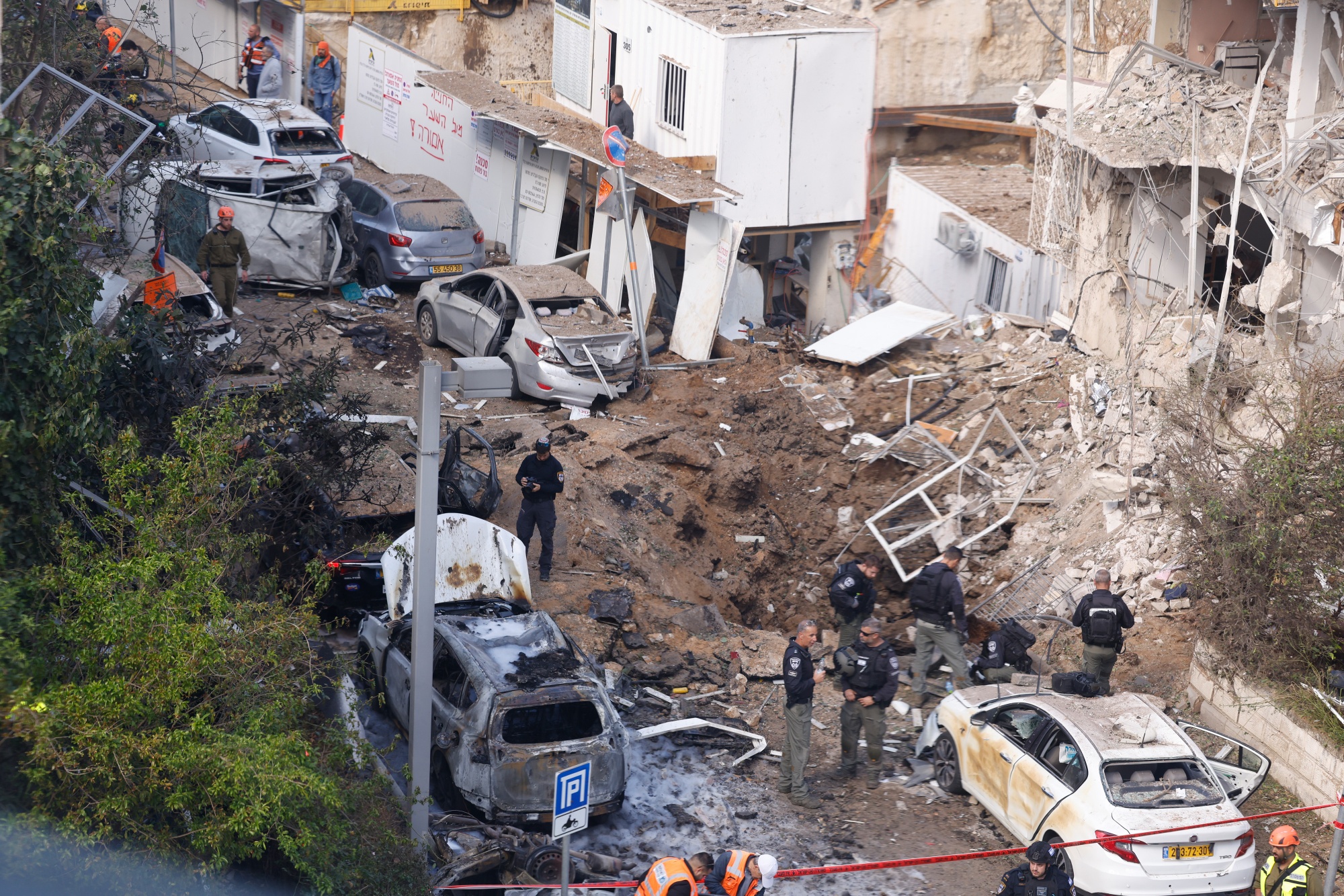 Officials inspect damage today following an overnight missile attack by Iran in Tel Aviv. Photographer: Kobi Wolf/Bloomberg The EU and Australia agreed to a free-trade deal, wrapping up almost a decade of negotiations as the two sides push to tighten ties and reinvigorate a rules-based order that's under assault from the Trump administration. They are working to shield their economies from Washington's tariff program and China's restrictions on critical minerals, with European Commission President Ursula von der Leyen taking a thinly veiled swipe at both tendencies in her remarks. Philippine President Ferdinand Marcos Jr. signaled that his government will tolerate weakness in the peso, saying there is a limit to their defense of the currency as market forces drive up the dollar. He is also open to restarting talks with Beijing on a joint oil and gas project in a disputed area of the South China Sea, saying the war in Iran may provide the impetus for a breakthrough. Read the edited highlights of his interview here.  WATCH: Marcos spoke with Bloomberg's Haslinda Amin in Manila. Global air quality declined in 2025, with more cities reporting standards below international health guidelines on the impact of severe wildfires and pollution from sectors including fossil fuels and agriculture, according to a report today by IQAir Group. The world's 25 most polluted cities were all located in India, Pakistan and China, where industrial emissions, vehicle exhaust, dust storms and crop burning contributed to poor air quality. Trump urged Republican lawmakers to link funds to reopen the Department of Homeland Security to voter ID legislation and remain in Washington through the Easter holiday if necessary. The conflict in Iran is pushing Middle Eastern countries toward South Korea's lower-cost air-defense systems, opening a new opportunity to expand its arms export footprint beyond Europe. Danes are casting their ballots today in a general election that's shaping up to be a vote for stability after Trump's threats over Greenland. Russia's space company launched 16 broadband internet satellites, marking an early step in a low-Earth orbit network that officials have cast as a domestic version of SpaceX's Starlink. Sign up for the Washington Edition newsletter for news from the US capital and watch Balance of Power at 1 and 5 p.m. ET weekdays on Bloomberg Television. Chart of the Day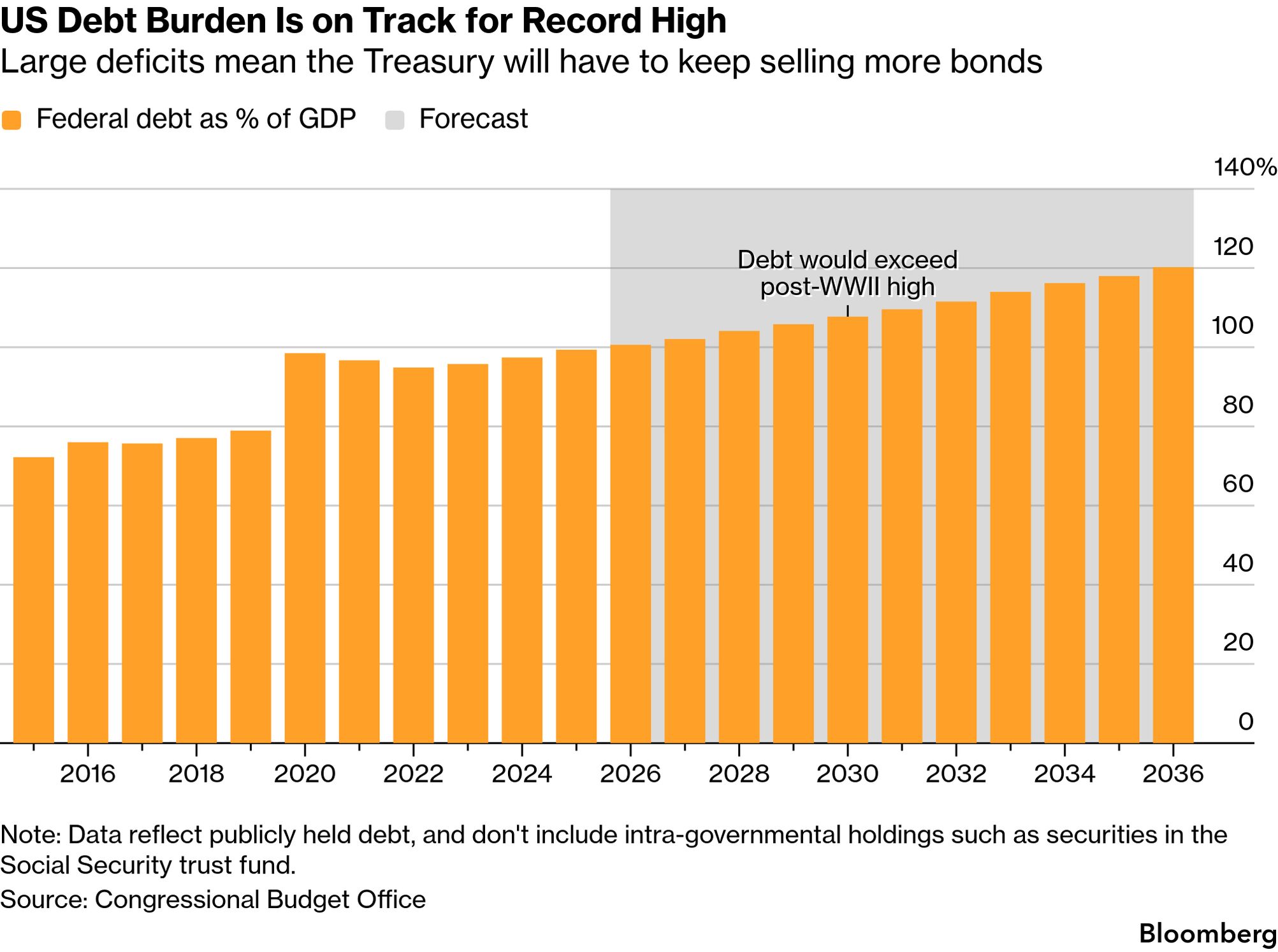 Treasury Secretary Scott Bessent regularly says his motivation to get "out from behind my desk" and enter public service was concern about growing US debt. Developments over the past several weeks — from the Supreme Court ruling on tariffs to the war on Iran and its effect on inflation and interest rates — have left those alarms ringing even louder. It all means Bessent's objective of getting the fiscal deficit-to-GDP ratio below 4% by the time Trump leaves office in January 2029 looks even tougher. And FinallyIt's been half a century since the fall of Saigon ended the Vietnam War, the first conflict of the television age, when journalists had almost unrestricted access to the battlefield. In today's Iran conflict, the first military engagement involving America of the social-media era, the world is facing an information black box. Internet blackouts in the Islamic Republic, widespread arrests of anyone who films strikes in Gulf countries, Israeli reporting restrictions and a US administration hostile to mainstream media — the result is extreme difficulty in conveying what is happening in the conflict zones, and a public left trying to make sense of it all. 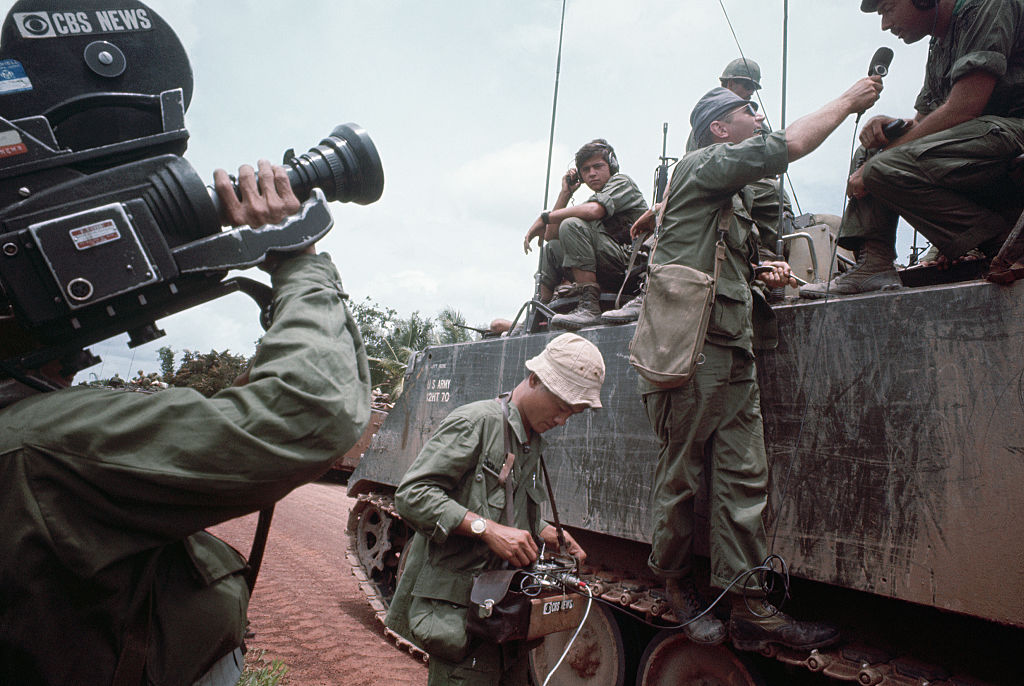 A CBS camera crew interviews American soldiers in Vietnam 1967. Photographer: Tim Page/Corbis Historical/Getty Images More from Bloomberg
We're improving your newsletter experience and we'd love your feedback. If something looks off, help us by reporting it here. Follow us
You received this message because you are subscribed to Bloomberg's Balance of Power newsletter. If a friend forwarded you this message, sign up here to get it in your inbox.
|
Tuesday, March 24, 2026
Far-right setbacks





Subscribe to:
Post Comments (Atom)
Tomorrow: The end of the Bull Market
The U.S. stock market is balanced on a knife's edge... And tomorrow, it all comes to a head. Dear Reader, The U.S. stock market ...

-
PLUS: Dogecoin scores first official ETP ...
-
Bloomberg Evening Briefing Americas View in browser Who's paying for Donald Trum...


No comments:
Post a Comment