| Read in browser | ||||||||||||||
  Welcome to the Brussels Edition. I'm Suzanne Lynch, Bloomberg's Brussels bureau chief, bringing you the latest from the EU each weekday. Make sure you're signed up. As Sam Stolton reports today from Berlin, Teresa Ribera raised the alarm in a speech today over how companies can "entrench corporate power" in Artificial Intelligence markets, as her regulators pursue alleged risks posed by giants including Nvidia and Meta. "We are looking at the entire AI stack," Ribera told Berlin's International Conference on Competition on Thursday, referring to the set of technologies and services that underpin AI systems. She said the focus is not just on the final applications "but also on underlying models that power them, the data the models are trained on and the cloud infrastructure and energy sources at their foundation." 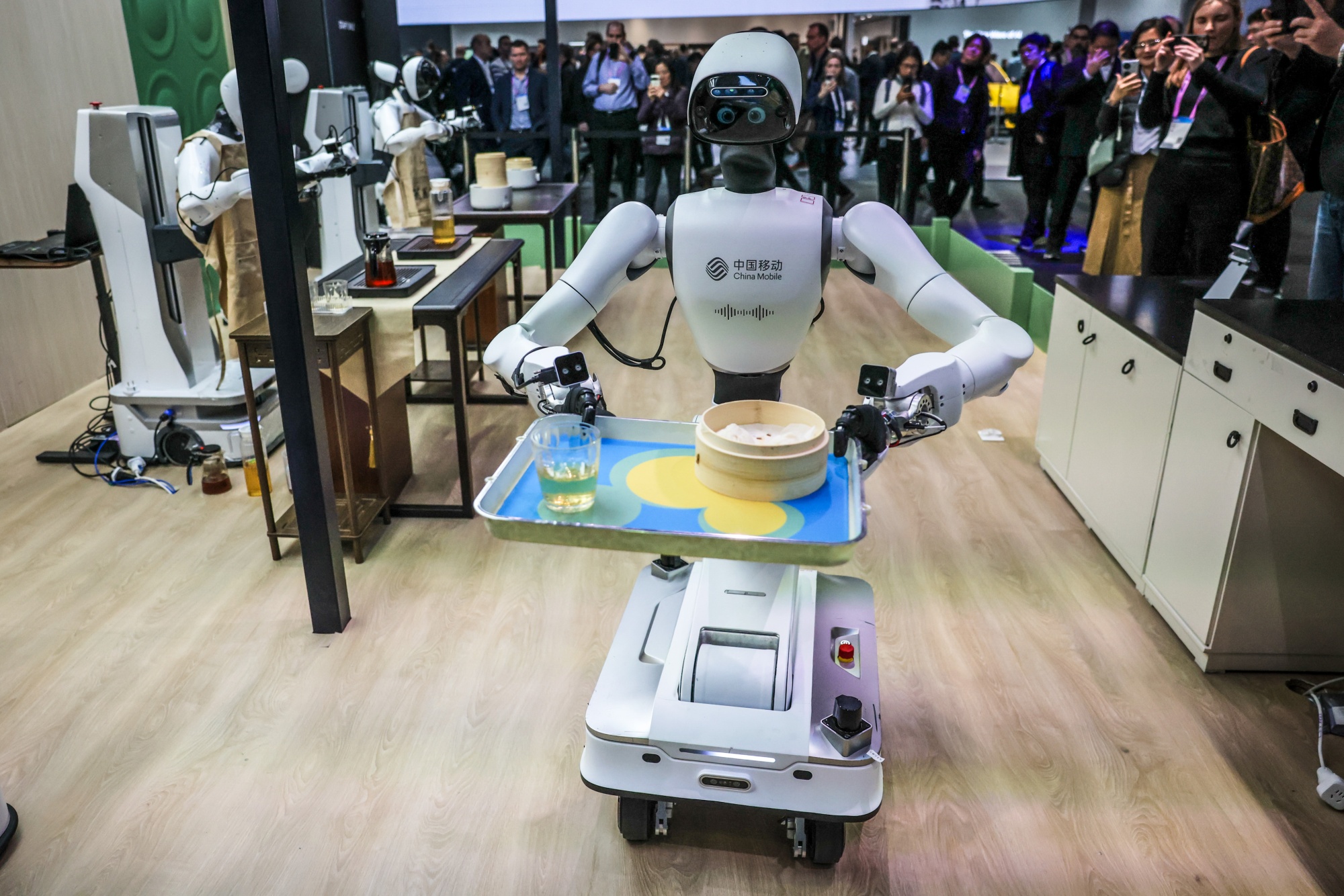 Demo of a robot restaurant at the Mobile World Congress in Barcelona. Photographer: Angel Garcia/Bloomberg Scrutiny from the EU's powerful regulatory arm of the burgeoning AI industry is likely to unsettle US tech giants, already feeling the heat of regulations like the bloc's Digital Services Act (DSA) and Digital Markets Act (DMA). At the same time, European countries are grappling with the implications of AI on their economies and work-forces. While fears of workers being displaced by technological change exist, Europe equally needs to ensure it doesn't miss the benefits of the current data revolution. Earlier this week, Nobel prize-winning economist Professor Sir Christopher Pissarides briefed EU ministers in Brussels as Europe grapples with the implications of AI on its economy. Speaking after the meeting, EU Commissioner Roxana Minzatu said it had been a "lively" discussion, with different opinions expressed. While there was an emphasis on protecting workers, "we should make the most of the opportunities that artificial intelligence can bring to the workplace for both companies and workers," she said. With EU leaders set to discuss the issue of competitiveness at next week's summit in Brussels, addressing the reality of AI and its potential benefits as well as costs to the region's economy should be front and center. The Latest
Seen and Heard on Bloomberg BMW's Chief Executive Officer Oliver Zipse says the automaker isn't currently seeing any supply-chain disruptions from the conflict in the Middle East. Speaking to Bloomberg's Oliver Crook as the company reported full-year results, Zipse criticized the EU's so-called "Made in Europe" plan, saying it was "leading in the wrong direction." Chart of the Day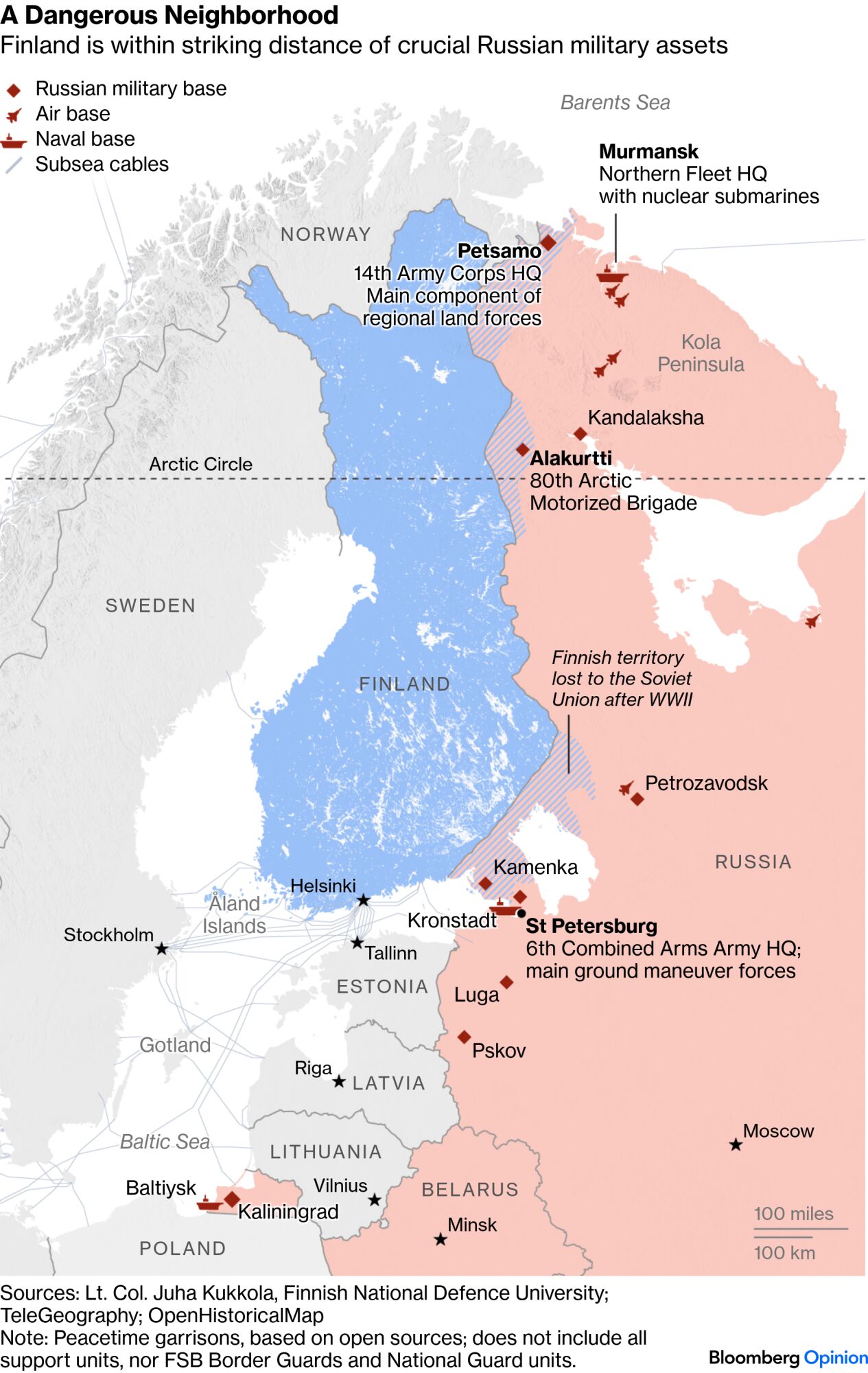 Finland, a nation of less than six million that for decades inhabited a diplomatic limbo between East and West, now sits at the center of new geopolitical currents. Finland's exposure to the complications of its eastern neighbor means that it's ready for war. The question is, however, is anyone else, writes Liam Denning for Bloomberg Opinion. Coming up
Final ThoughtLe Pen's National Rally, known as the RN, leads national polls for the first round of the 2027 presidential election, riding the illiberal wave that has elevated once-fringe figures throughout the West and rattled the EU's elite. Le Pen and her allies see municipal elections this month in the diverse, cosmopolitan city of Marseille — far from the provincial towns that represent their political base — as a potential stepping stone to conquering the country. Ania Nussbaum reports from the Mediterranean city.  Passenger ships docked at the port of Marseille. Photographer: Jeremy Suyker/Bloomberg Like the Brussels Edition?Don't keep it to yourself. Colleagues and friends can sign up here. We're improving your newsletter experience and we'd love your feedback. If something looks off, help us fine-tune your experience by reporting it here. Follow us
You received this message because you are subscribed to Bloomberg's Brussels Edition newsletter. If a friend forwarded you this message, sign up here to get it in your inbox.
|
Thursday, March 12, 2026
Brussels Edition: AI in EU’s crosshairs





Subscribe to:
Post Comments (Atom)
The SEC finally admits US crypto chaos was caused by its own regulatory turf wars
U.S. crypto companies were being regulated twice — now regulators say they’ll try to fix it. ͏ ͏ ͏ ͏ ͏ ͏ ͏ ...
-
PLUS: Dogecoin scores first official ETP ...
-
Bloomberg Evening Briefing Americas View in browser Who's paying for Donald Trum...


No comments:
Post a Comment