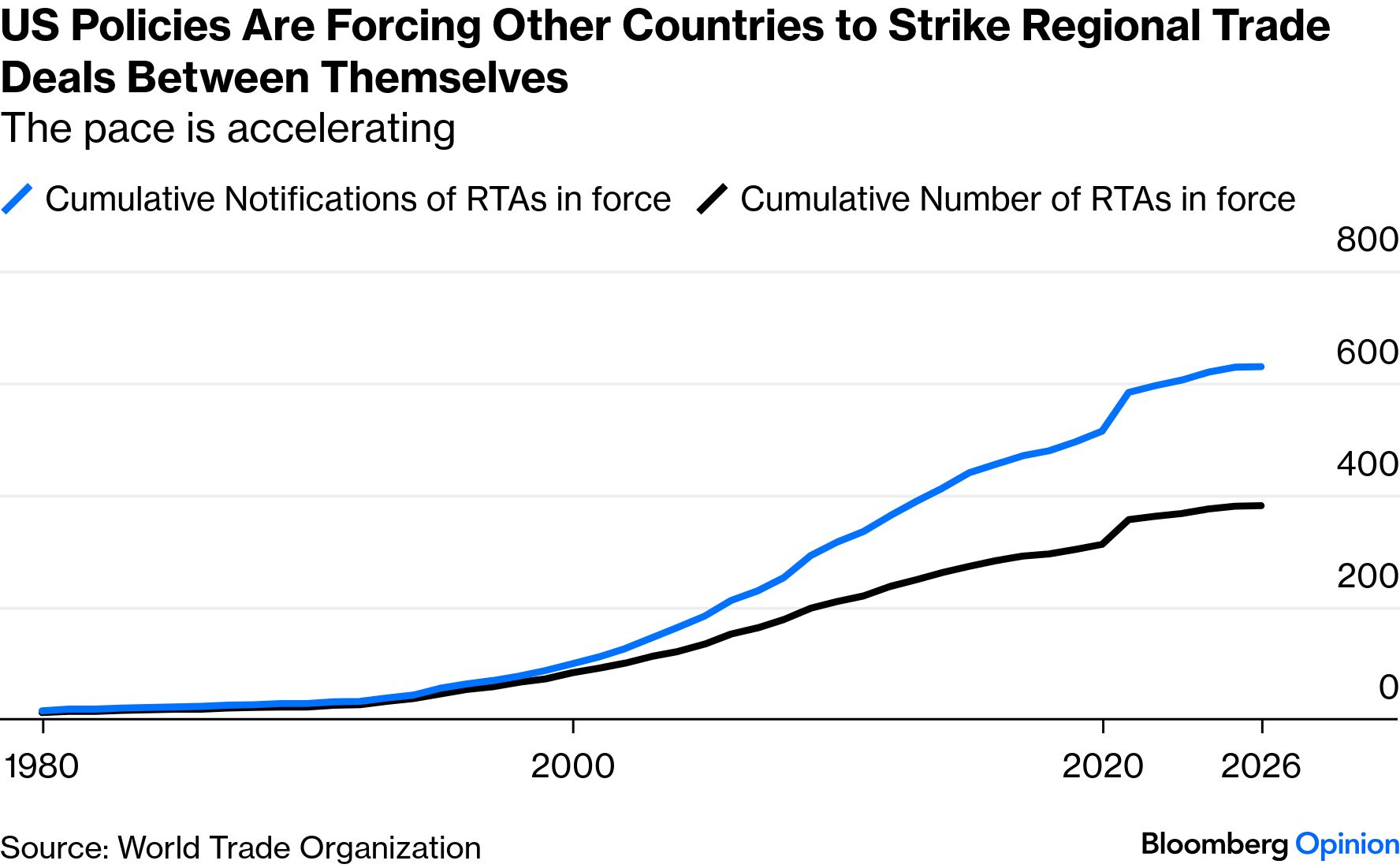
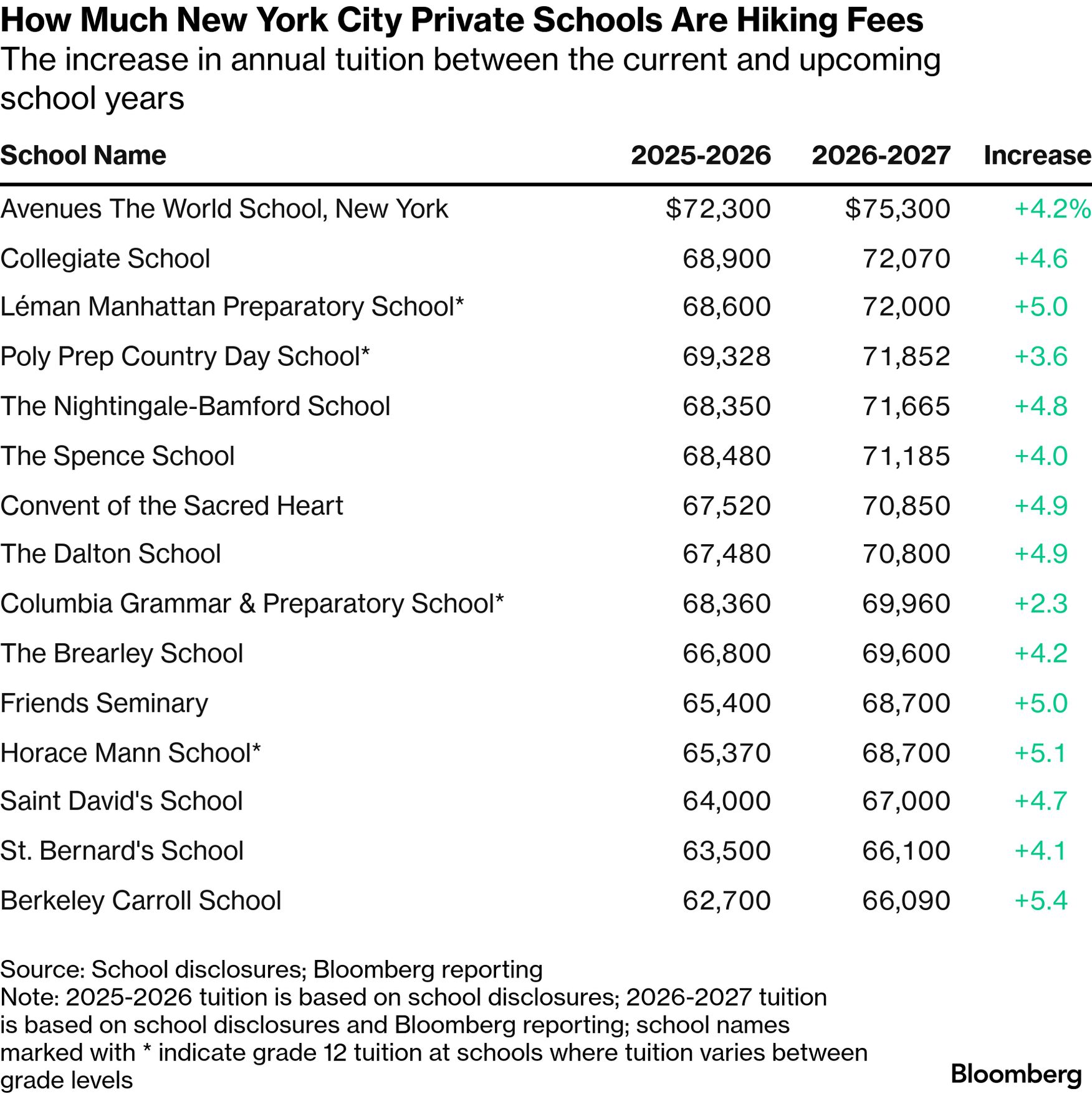
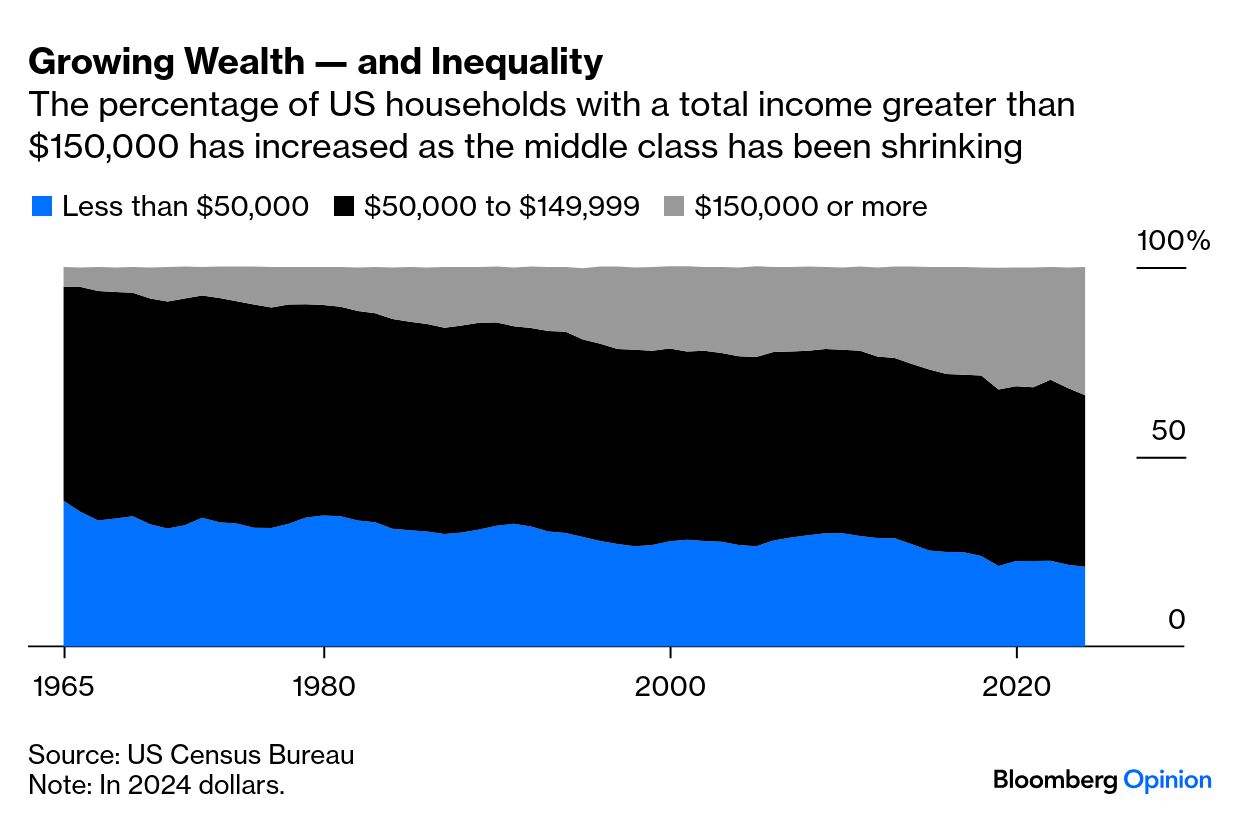
| Do you ever have those moments where you feel like you're regressing as a functioning human being? There's a pile of clothes that has sat in my bedroom corner for so long that I could charge it rent. A mug that I broke in October now sits on my living room shelf, mocking me from the couch. I've swiped up on a calendar reminder — BOOK DERM!! — so many times that my doctor probably thinks I moved to another state. Life isn't perfect, but I like to think that mine remains full of promise: Any day now, I could put away those clothes, throw away that mug, call the dermatologist. Or just learn wabi-sabi. But what if you feel like your country is regressing? Liam Denning says President Donald Trump — awarded the title "Undisputed Champion of Beautiful Clean Coal" by coal-loving lobbyists in a White House ceremony yesterday — has a genius new strategy to revive the industry: Get the Pentagon to pay for it, under the guise of "national security." Liam notes that the president is also using the military to pay for a new aluminum smelter in Oklahoma. It's the first such plant to be built in the US since … 1980. Then there's the FDA's recent decision to reject the application for Moderna's new flu vaccine. Lisa Jarvis says the shot — intended for older Americans — was tested on more than 40,000 adults and appeared to be more effective than routine flu jabs. "That should have been enough to at least merit an FDA review — in the past, that is. But it landed at US regulators' desk at a time of incredible scrutiny," she writes, calling the dismissal "rare and typically reserved for applications that have some glaring deficiency." Shifting standards will affect more than this one shot, says Lisa: "Drug and vaccine developers — not to mention investors — rely on regulatory certainty," she writes. "Regulators in other countries, meanwhile, have continued to review vaccines with the same level of scrutiny and surety as in the past." This "keep calm and carry on" response to America's actions can be seen in the realm of global commerce as well. Instead of embracing tit-for-tat retaliation, Scott Lincicome says, foreign governments and companies have been reducing their US exposure by simply trading more with each other. As Trump privately mulls exiting the USMCA — a trade deal with Mexico and Canada that he helped negotiate in 2018 — one can't help but feel as though we're traveling backwards. On the other hand, maybe we already rewound the clock. As Scott writes, the US "has increasingly embraced protectionism since at least 2016 — protectionism that, ironically, might be helping the very country tariffs were supposed to contain." Have you heard?! Some of New York City's most elite schools (including the one that inspired Gossip Girl) are now charging more than $70,000 for tuition — an amount that, as Bloomberg News' Erin Hudson and Amanda L. Gordon detail, far exceeds that of many elite colleges. At first, it's like, no way!! Who's paying for that! You're craaaazy. But no, this is a real spreadsheet with real numbers and there are plenty of people who will pay the exact nominal amount to have their kid sit in what I would hope to be a very comfortable chair in a very nice classroom overlooking some Central Park treetops: Although the gazillionaires at the tippy top of the food chain — think: Elon Musk, Mark Zuckerberg, Jeff Bezos — get a lot of hate for being too powerful, Allison Schrager says it's actually upper-middle income earners (a growing cohort that she refers to as the new "mass affluent class") who are making the gap between the rich and poor a lot worse. Consider the "Ticketmaster wars" that concertgoers have to endure to see popular artists like Harry Styles and Noah Kahan. "It's easy to blame algorithms and the secondary market for expensive concert tickets," Allison writes, but prices are high for a reason: Families that can will pay thousands for tickets, travel and lodging. "The economy has not fully adjusted to this new income distribution," she explains. "Too many affluent people are chasing a limited number of high-end goods and services that feel like necessities: city apartments, an elite-university education, luxury vacations, innovative health care, concert and sports tickets, and so on." | 









No comments:
Post a Comment