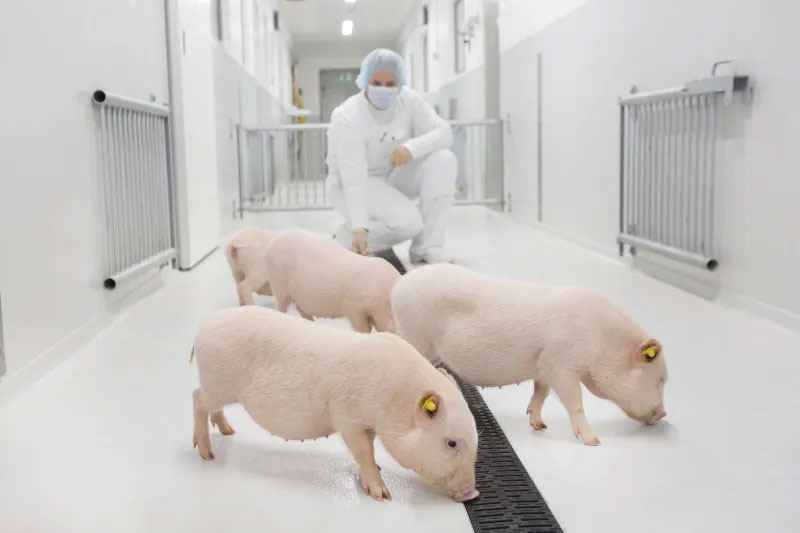
| Berkshire Hathaway hits a milestone this weekend as it releases its first annual letter written by someone other than Warren Buffett. Alexandre Rajbhandari, who covers the company for Bloomberg News, writes about what to look for. Plus: Why gold above $5,000 an ounce looks like the new normal, and Europe's biotech companies are enlisting minipigs for drug testing. And there's a new episode of the Everybody's Business podcast. If this newsletter was forwarded to you, click here to sign up. Warren Buffett enthusiasts are about to get a taste of what life at Berkshire Hathaway Inc. looks like without its legendary chief executive officer. On Saturday, his conglomerate will publish its traditional annual letter. But for the first time in more than six decades, the missive won't be written by Buffett himself. His successor, Greg Abel, will be the author instead. For Buffett fans, this is the end of an era. The billionaire's pearls of wisdom, aphorisms and life advice have turned the trove of letters into a must-read archive. Far from the reserved addresses of most of his peers, the billionaire's musings have provided innumerable clues into his perception of the world, helping build his legacy of a successful and sophisticated investor—as well as a highly relatable person. Now Abel needs to find his own voice. 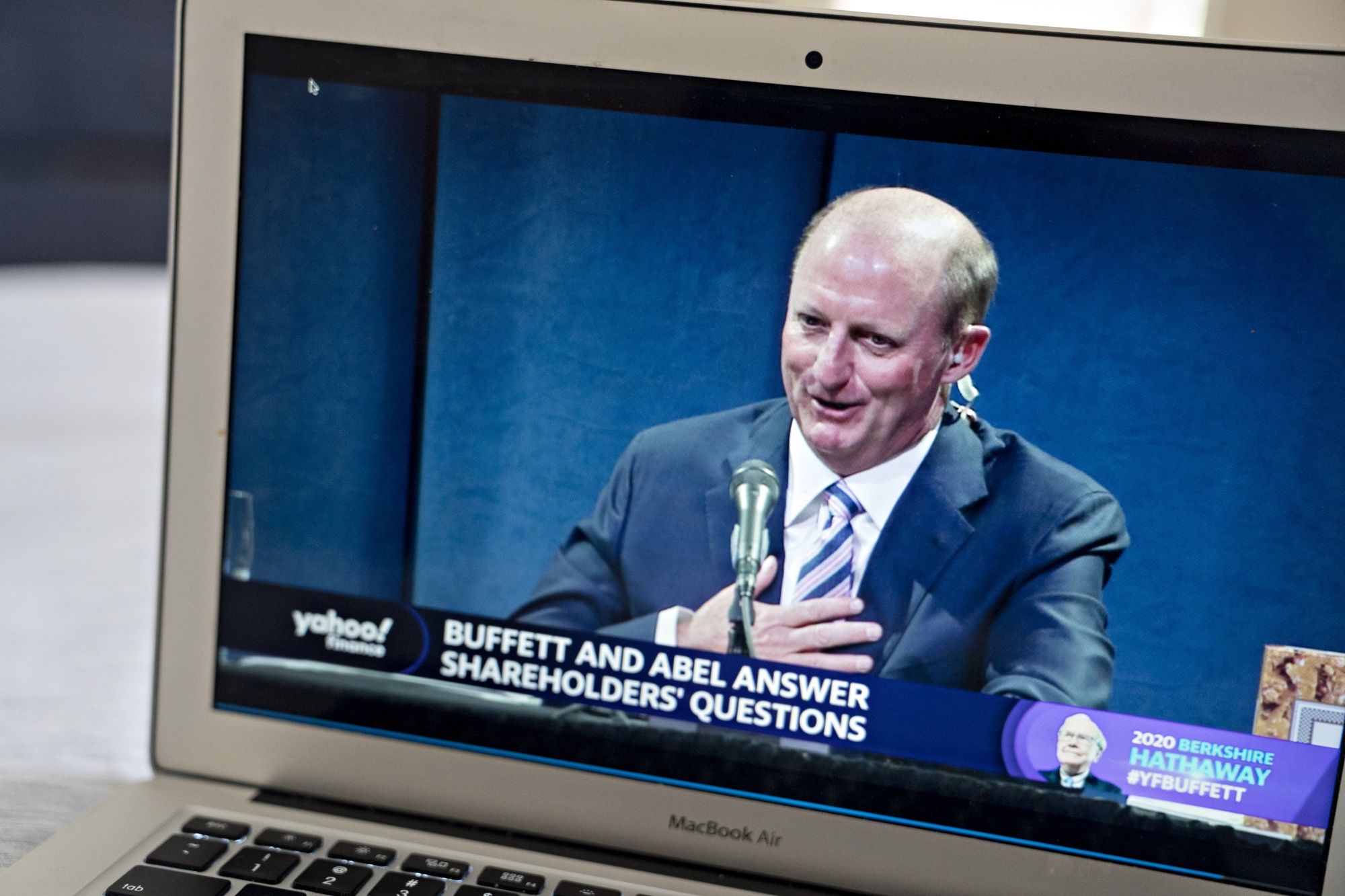 Abel in 2020. Photographer: Andrew Harrer/Bloomberg "Is Greg Abel going to carry on that mantle of a folksy legend? Or is he going to basically just put out a very professional, to-the-point, buttoned-up shareholder letter?" asks Cathy Seifert, a CFRA Research analyst. Whichever tone Abel eventually chooses, shareholders of the conglomerate will be looking for clues on how the new CEO intends to run things at Berkshire—starting with how he'll communicate with them going forward. Berkshire, the only public company of its size without a dedicated investor relations function, is notorious for its relative lack of transparency. "Quite frankly, I think if given a choice, investors would rather have transparency over folklore," Seifert says. Berkshire could maybe start with a clear communication on the firm's shareholder return policy. While Buffett always ruled out a dividend—except once, an event he recently recalled as a "bad dream"—Berkshire has in the past repurchased some of its own shares when the billionaire thought they were trading below their intrinsic value. The subjective criteria means investors were often left in the dark. After more than a year without buybacks despite a whopping $381.7 billion cash pile and shares still below last May's all-time peak, analysts say it could be a good time for Abel to come up with more quantifiable guidance. For instance, "there might just be more of a target that, absent investment opportunities, we should expect some proportion of free cash flow to be invested in buybacks going forward," says James Shanahan, an analyst for Edward Jones. "Otherwise he's subjecting himself to criticism in the annual meeting." The letter could also be the occasion for Abel to clarify his priorities in his new role, in particular his ambition for the firm's closely watched $274 billion stock portfolio. After Buffett's retirement and the departure of Todd Combs for JPMorgan Chase & Co., the firm is left with only one of its historical stock pickers, Ted Weschler. Abel now has to oversee a sprawling empire spanning multiple industries and employing almost 400,000 people, and may not have the bandwidth to dedicate much time to investing—an area where he lacks a documented track record. "If he had to make a difficult choice, I think he would choose to de-emphasize the importance of making individual equity investments and focus more on the operations of the underlying portfolio companies—and potentially acquisitions in those areas," Shanahan says. Away from the letter, investors will also get access to Berkshire Hathaway's fourth-quarter results, the last under Buffett's leadership. Outsiders often scrutinize the firm's earnings for clues about the health of the broader economy. A number of uncertainties—from President Donald Trump's trade policy to geopolitical risks—might translate into softer earnings at the conglomerate. "Overall, I'm looking for sort of a moderation in results," Seifert says. "The consumer-facing businesses are certainly likely to have some headwinds." | 








No comments:
Post a Comment