| Read in browser | |||||||||||||||
 Welcome to a special edition of Balance of Power from the Munich Security Conference. If you haven't yet, sign up for our regular newsletter here. As the snow fell on Munich, the chill cast over transatlantic relations was palpable. Marco Rubio, the diplomatic face of the Trump administration, led the US delegation to this year's Munich Security Conference. But even he didn't manage to exorcise the ghost of last year's haranguing by JD Vance. In a keynote yesterday, Rubio sketched out a shared heritage with Europe and asserted a common path ahead — but on the Trump administration's anti-immigration, climate skeptical, western-dominated terms. As one European participant noted, the tone was different, but the content was much the same. 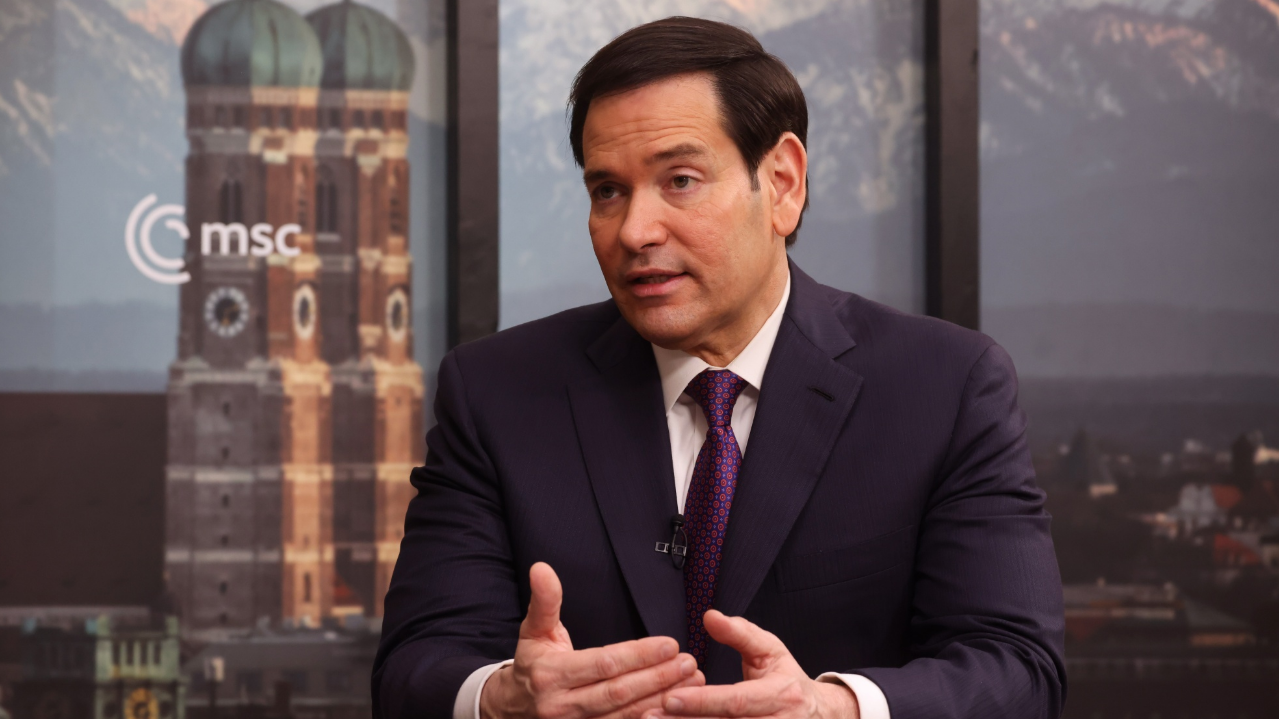 Secretary of State Marco Rubio discussed transatlantic ties in an interview with Bloomberg News Editor-in-Chief John Micklethwait in Munich yesterday. Source: Bloomberg Senator Lindsey Graham, a close ally of President Donald Trump, was openly contemptuous when asked about US pressure on Russia by a hapless European lawmaker. "Who are you to lecture me?" Graham snapped. What has changed, as seen throughout this weekend's gathering of global security and defense officials, is Europe's determination to forge its own future, preferably with the US at its side, but girding for all eventualities. Trump's approach to Russia's war on Ukraine, pressuring the victim as much or more than the aggressor, his designs on Greenland, his tariffs, taunts and threats over US tech have made Europe sit up, and begin to act. It is — belatedly, in some cases grudgingly, but surely — spending big on defense, paying for all aid for Kyiv, while forging new global partnerships. All Rubio's appeals to western values can't change that. Kaja Kallas, the European Union's chief diplomat, rejected the idea outlined in the US National Security Strategy and repeated by Rubio of "civilizational erasure," saying countries were "queuing up" to join the EU. 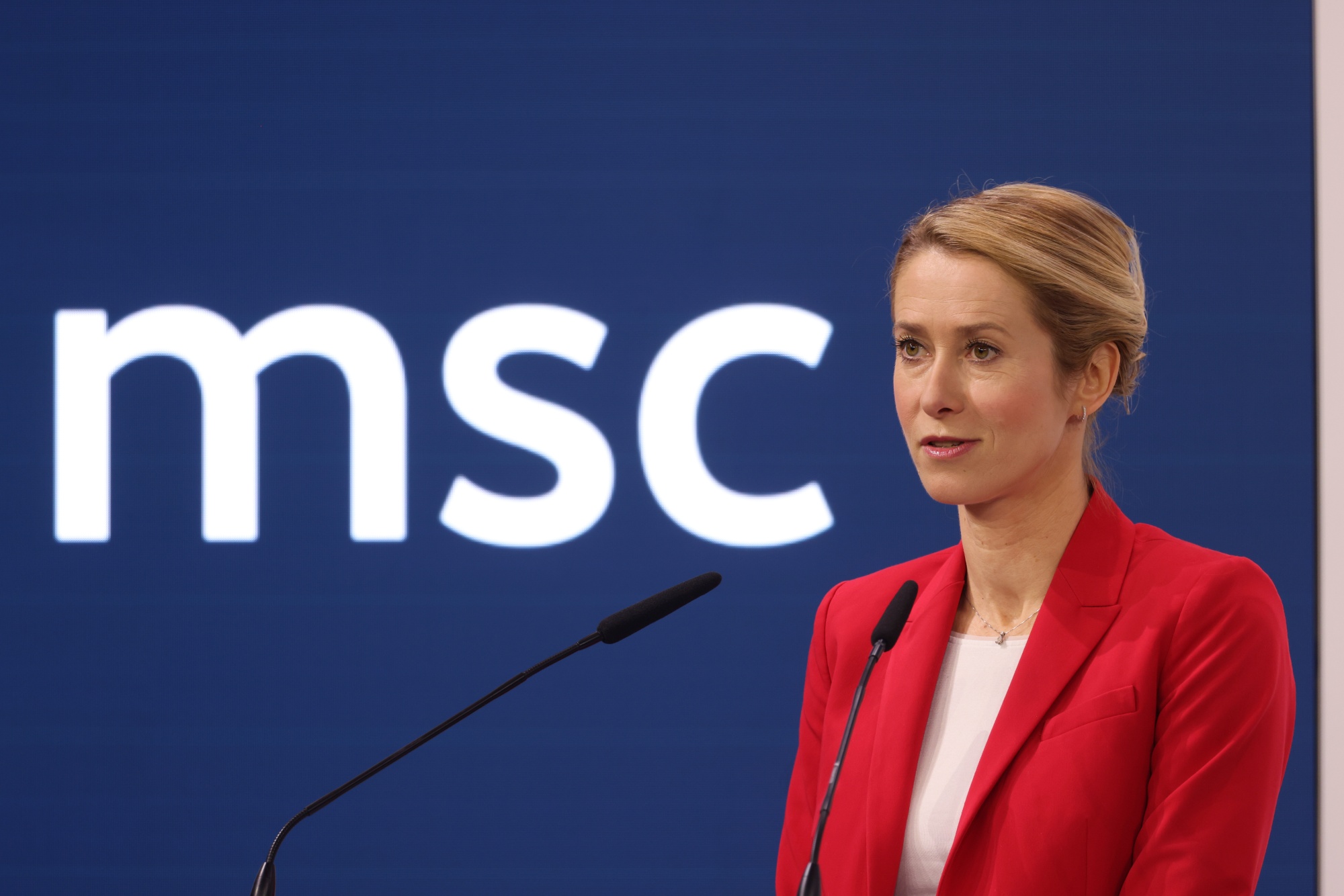 Kallas in Munich today. Photographer: Alex Kraus/Bloomberg "We absolutely know what we are and what we stand for," she said. A fellow panelist, NATO Deputy Secretary General Radmila Shekerinska, pointed out that Germany will spend some $180 billion on defense by 2029, double the outlay in 2021. German Chancellor Friedrich Merz floated the possibility of a European nuclear umbrella extended across the continent. Prime Minister Keir Starmer talked of closer UK-EU ties. French President Emmanuel Macron said a stronger, more assertive Europe would be a better US ally. These are the building blocks of new transatlantic relationship beginning to be put in place, one more coldly pragmatic to face the challenges of a radically changed world. "Preparing for geo-economic fragmentation," was the title of ECB President Christine Lagarde's Munich speech. "Trusted partners do not always remain so," she noted. — Alan Crawford 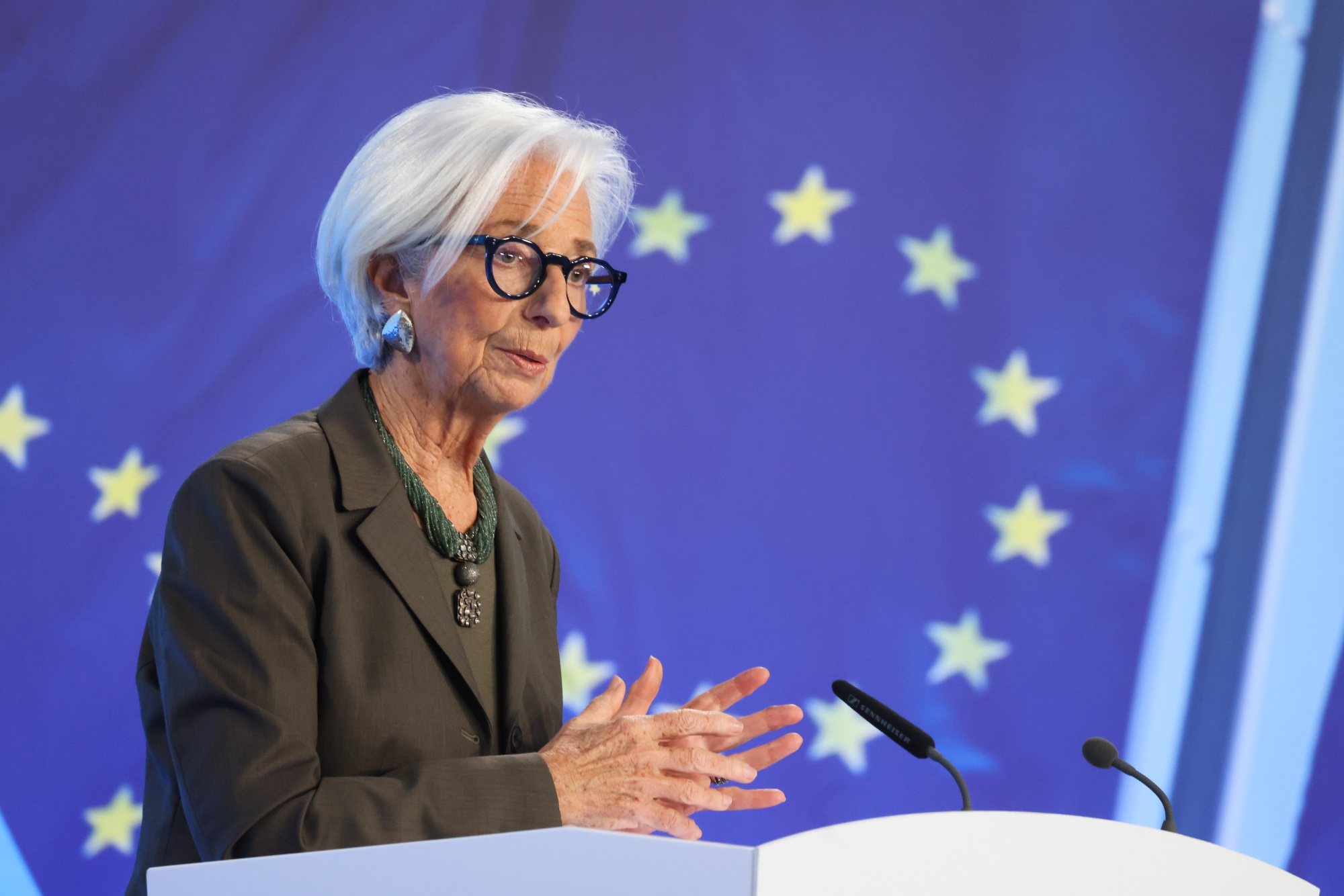 Lagarde. Photographer: Alex Kraus/Bloomberg Global Must ReadsRubio said Cuba's Communist regime will need to give its people political and economic freedom for the US to ease pressure that's recently led to blackouts and disrupted daily life on the island. Havana is in a "dire situation" because it has no subsidies coming from any other country, he said in the interview, declining to expand on what the US endgame is for Cuba. 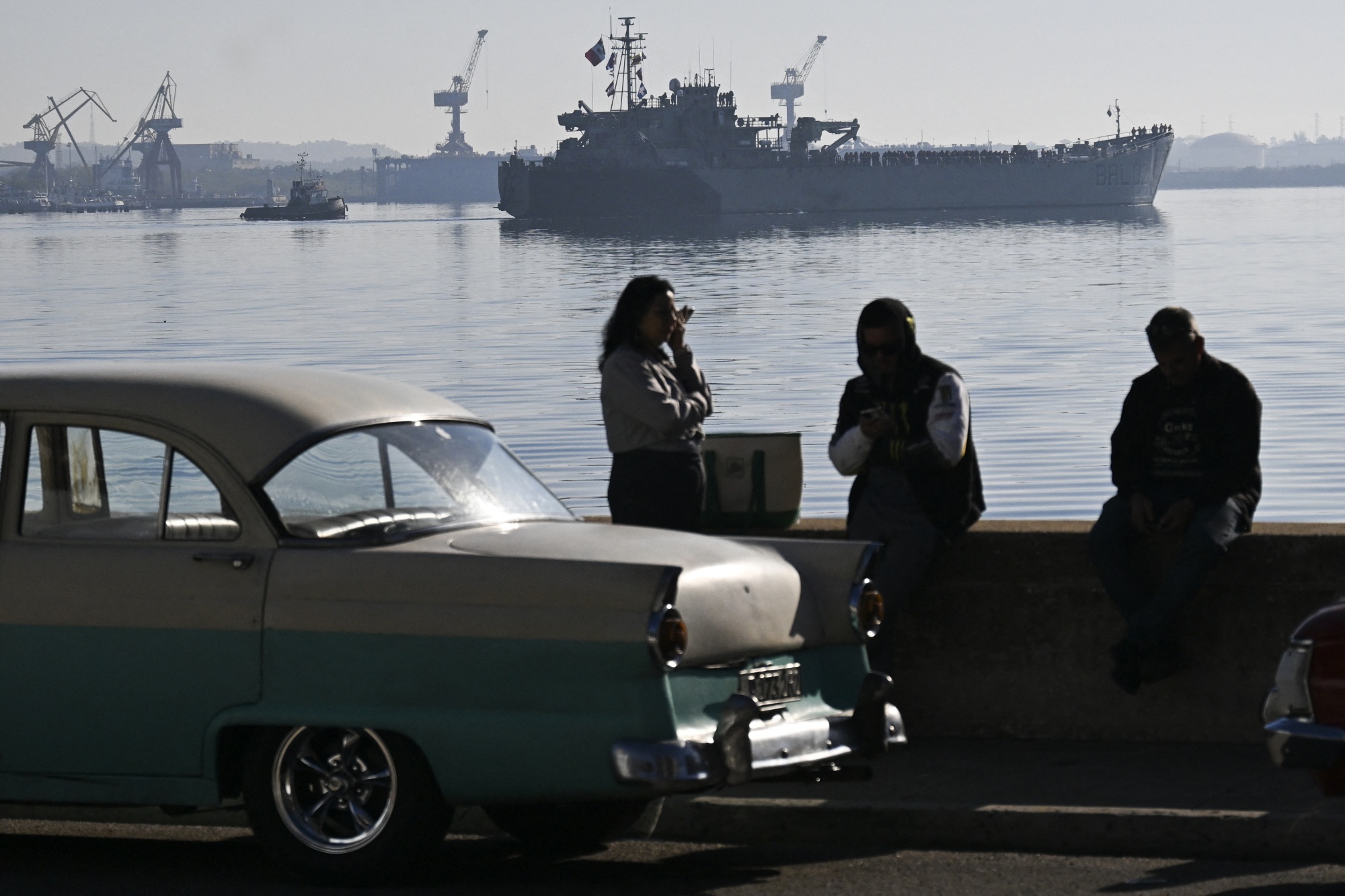 Mexican Navy ship Isla Holbox (Bal-02) arrives at Havana Bay with humanitarian aid on Thursday, as Cuba struggles under what amounts to a US blockade of oil deliveries. Photographer: Yamil Lage/AFP/Getty Images Russia is becoming increasingly reliant on foreign fighters as its forces sustain more losses than they're able to replace, UK Defence Secretary John Healey told us in Munich. Ukrainian Defense Minister Mykhailo Fedorov told European counterparts this week that Kyiv was able to inflict more Russian casualties than the Kremlin could recruit over the last two months, and that's forcing Russia to depend more on thousands of fighters from India, Pakistan, Nepal, Cuba, Nigeria and Senegal, Healey said. China increased its support for Russia's war in Ukraine in 2025 and is likely to deepen cooperation with Moscow further this year, Western officials said, casting doubt on efforts by European leaders to improve relations with Beijing. US Ambassador to NATO Matthew Whitaker meanwhile said that Beijing is providing crucial support for Russia and could end the war with a phone call — a charge dismissed by China's Foreign Ministry as "entirely baseless." Keir Starmer appeared on stage alongside EU chief Ursula von der Leyen and vowed to pursue closer UK-EU relations, saying "we are not the Britain of the Brexit years any more." While the embattled prime minister conceded that strengthening defense and trade ties with the 27-nation bloc will mean political trade-offs at home, he insisted that it's the right thing to do for the national interest. 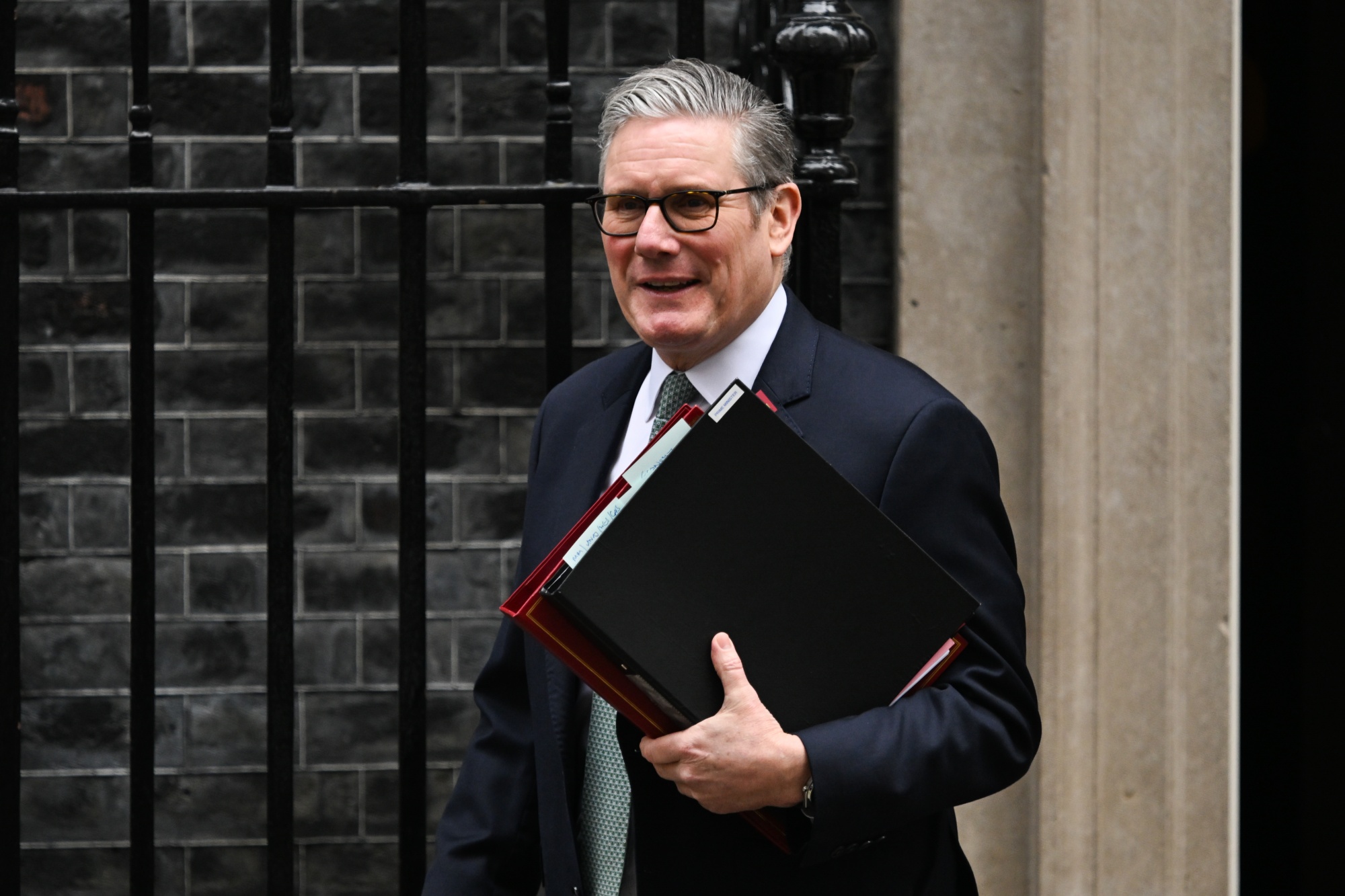 Starmer outside 10 Downing Street in London on Wednesday. Photographer: Chris J. Ratcliffe/Bloomberg Chinese Foreign Minister Wang Yi invoked Japan's World War II history of aggression and warned Prime Minister Sanae Takaichi against a return to militarism, in a broadside over her support for Taiwan. Wang singled out the Japanese leader as he warned Tokyo to "repent on its wrongdoing," signaling no climbdown in the worsening standoff between Asia's two largest economies. German Defense Minister Boris Pistorius insisted in a Bloomberg Television interview that a troubled plan to develop a new fighter jet in partnership with France is "not dead yet" as he set out plans to expand the military and make its supply chains more resilient. California Governor Gavin Newsom said that he'd traveled to Munich to reassure European allies that "Trump is temporary," predicting Trump would suffer heavy losses in the midterm elections and face legal setbacks, including limits on his tariff authority. 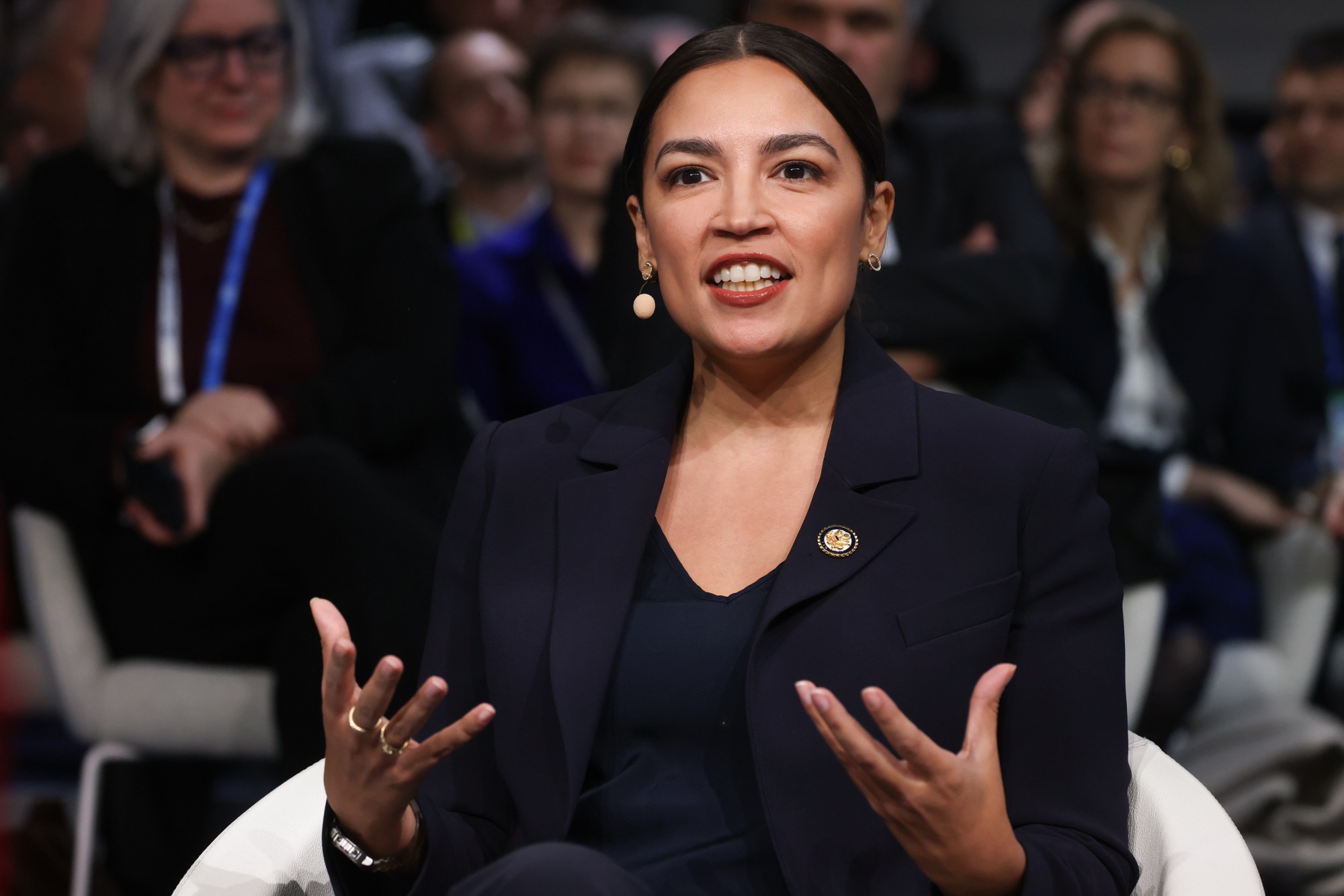 Alexandria Ocasio-Cortez was among the US Democratic representatives in Munich. Photographer: Alex Kraus/Bloomberg Europe's funding for Ukraine's defense means it has a right to a seat at the table in US-brokered peace negotiations, Polish Foreign Minister Radoslaw Sikorski said in an interview in Munich. Back home, President Karol Nawrocki said Poland should look at developing its own nuclear weapons in light of the growing threat from Russia. Senator Mark Kelly said in a separate Bloomberg Television interview that he doesn't expect any lowering of tensions after the Trump administration failed to convince a grand jury to indict him and other Democratic lawmakers for a video that told federal troops they can refuse "illegal orders." Sign up for the Washington Edition newsletter for news from the US capital and watch Balance of Power at 1 and 5 p.m. ET weekdays on Bloomberg Television. Chart of the Day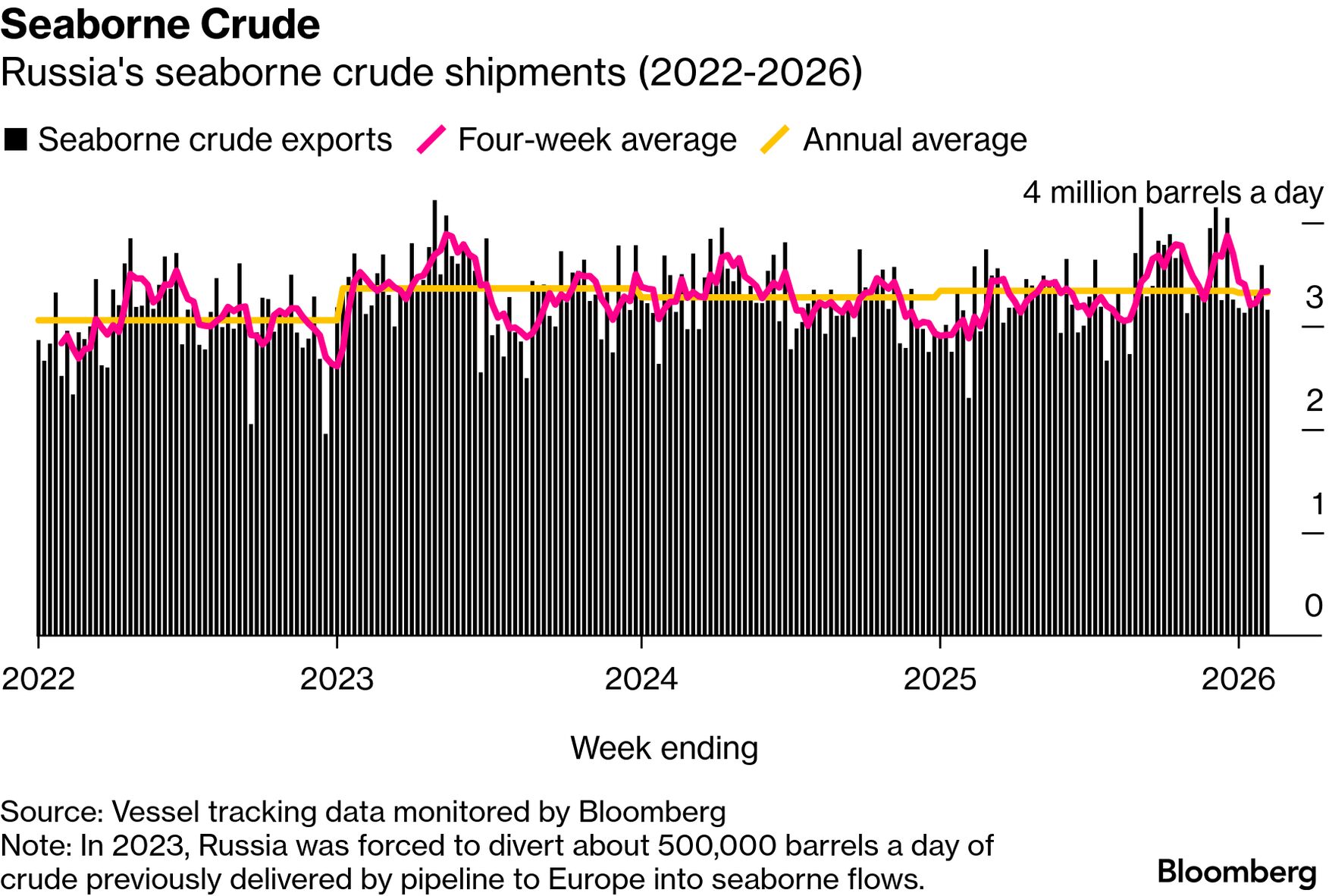 Britain's defense secretary Healey met with his counterparts from Baltic and Nordic nations on the conference sidelines to discuss seizing oil tankers linked to Russia's shadow fleet, as Europe seeks to tighten curbs on Moscow's war economy. The meeting of the Joint Expeditionary Force, a group of 10 nations with a shared commitment to the North Atlantic and Baltic Sea, took place as Russia's crude shipments hold steady in the face of mounting pressures on its critical oil trade. And FinallyRussia-friendly Viktor Orban has made verbal attacks on Ukraine's president a centerpiece of his campaign for re-election, but Volodymyr Zelenskiy turned the tables on the Hungarian premier in Munich. Pointing out that Ukrainians are holding the front on behalf of Europe, Zelenskiy said that thanks to Ukraine's military, "one Viktor" can focus on how "to grow his belly – not how to grow his army to stop Russian tanks from returning to the streets of Budapest." The volley drew a burst of laughter and applause from the crowd. 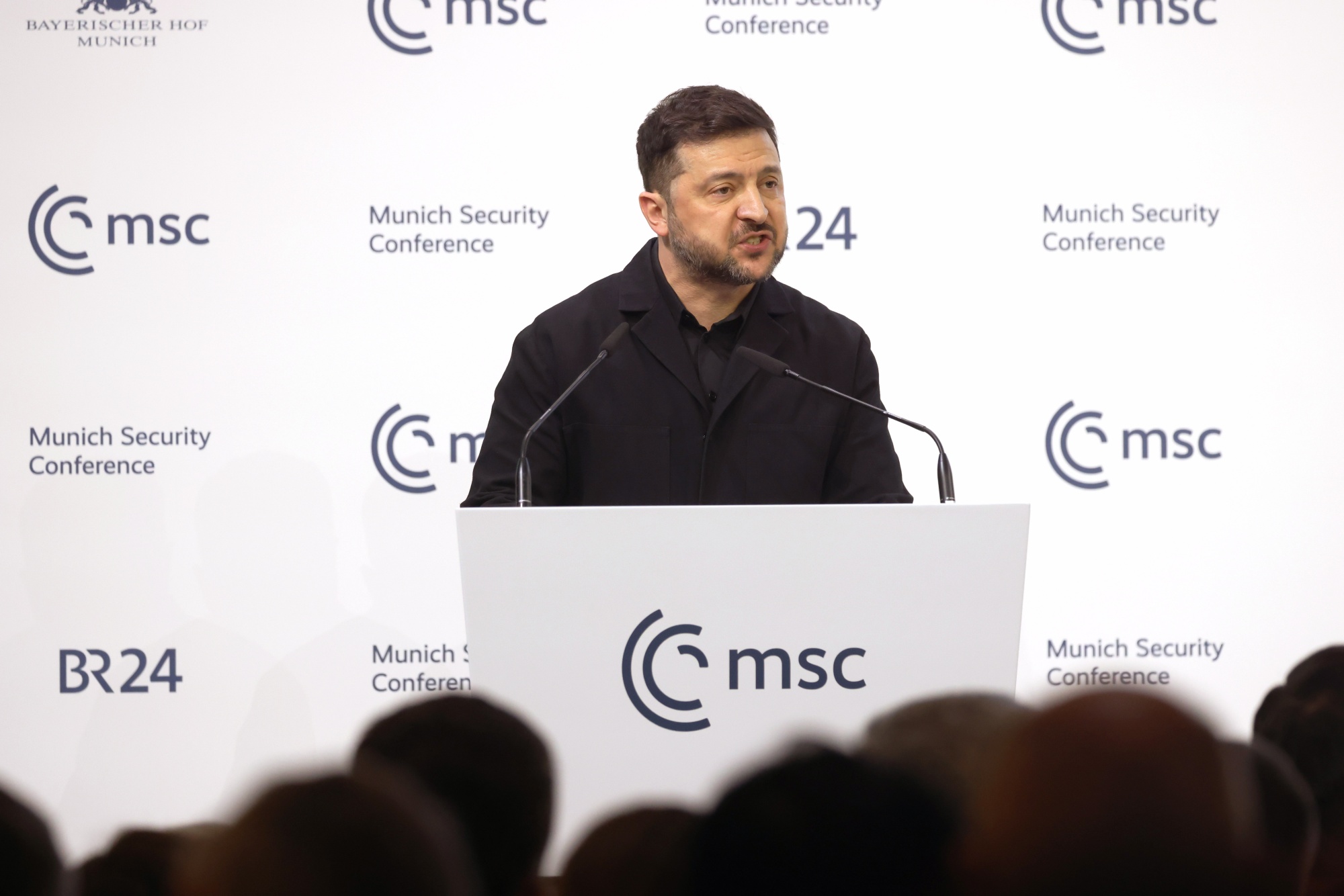 Zelenskiy received the biggest applause in Munich. Photographer: Alex Kraus/Bloomberg More from Bloomberg
We're improving your newsletter experience and we'd love your feedback. If something looks off, help us by reporting it here. Follow us
You received this message because you are subscribed to Bloomberg's Balance of Power newsletter. If a friend forwarded you this message, sign up here to get it in your inbox.
|
Sunday, February 15, 2026
Transatlantic realignment





Subscribe to:
Post Comments (Atom)
Weekly Recap: The AI Rotation, SaaS Shakeout, and the Paradigm Shifts You Can’t Ignore
Welcome to our first Hypergrowth Investing roundup. Weekly R...
-
PLUS: Dogecoin scores first official ETP ...
-
Hollywood is often political View in browser The Academy Awards ceremony is on Sunday night, and i...


No comments:
Post a Comment