| Read in browser | ||||||||||||||
 Welcome to Next Africa, a twice-weekly newsletter on where the continent stands now — and where it's headed. Sign up here to have it delivered to your email. A little over three years ago, Ethiopia's government and the leadership of the northern Tigray region agreed to end a civil war that killed hundreds of thousands of people and displaced millions more. Missing from that pact, though, was Eritrea — the secretive, militarized nation to the east that fought for decades over independence from Ethiopia before siding with new President Abiy Ahmed against the Tigrayans. The tables have turned again. 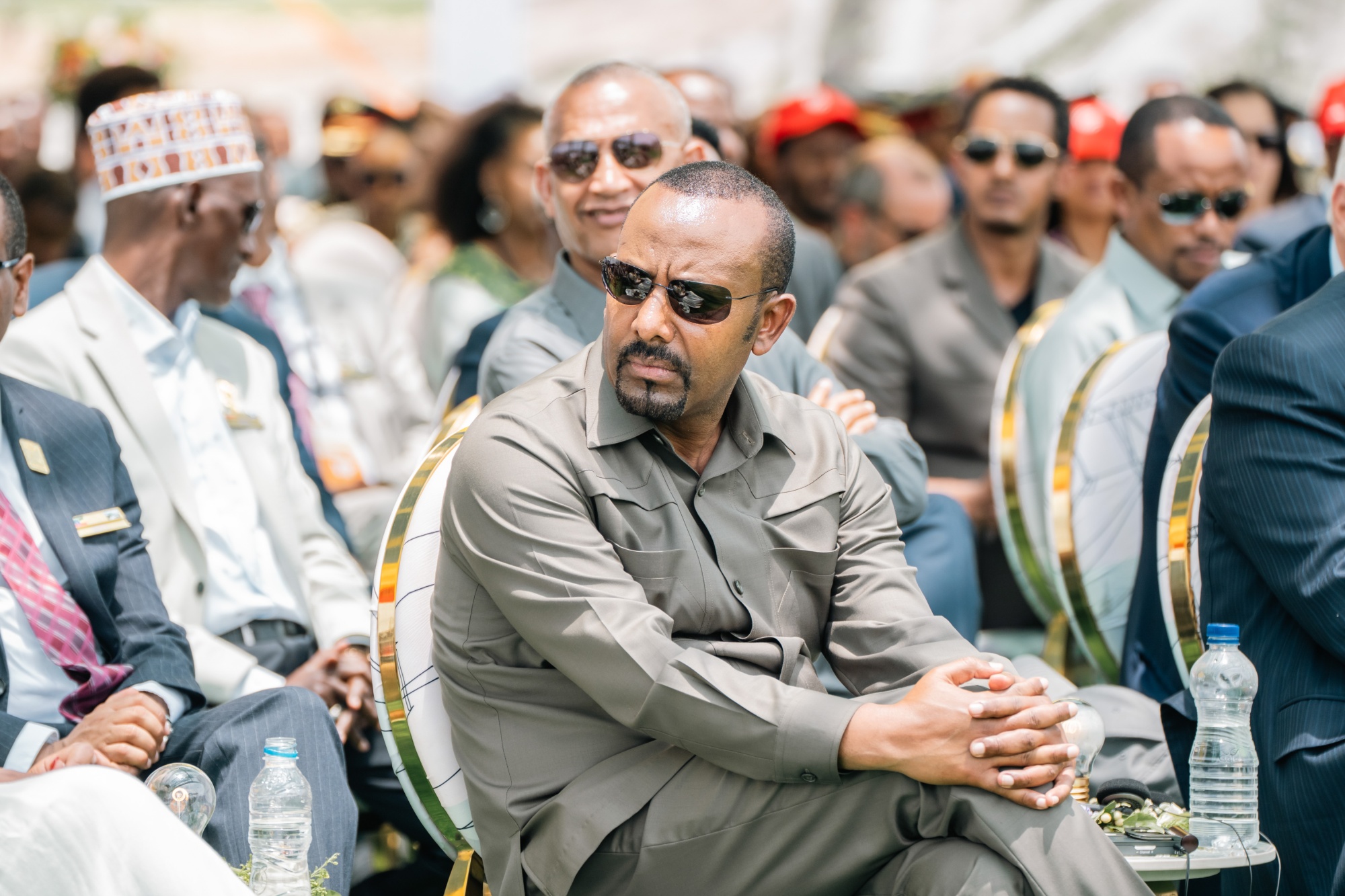 Abiy at the opening of the Grand Ethiopian Renaissance Dam in Guba on Sept. 9. Photographer: Amanuel Sileshi/Bloomberg This time Eritrea is on the same side as Tigray following months of rising tensions with Addis Ababa. The governments are deploying troops and military equipment to their border, according to regional diplomats. The animosity is historical, but has been fueled of late by rhetoric from Abiy over his nation's lack of access to the ocean — lost through Eritrea's secession three decades ago. "Due to our enemies' plot, keeping Ethiopia a geographic prisoner for so long is not right," Abiy said at a joint briefing with visiting Turkish President Recep Tayyip Erdoğan this week. "Logistics is the major bottleneck to our growth, and sea access is the key." Many suspect Abiy now has eyes on taking Eritrea back. It's a region already crippled by fighting. Tigray is still struggling to rebuild, while in neighboring Sudan, a three-year conflict between the army and a paramilitary force has exacted what the United Nations terms the world's worst humanitarian crisis. To the south, jihadists have been waging war against the Somali government for years. 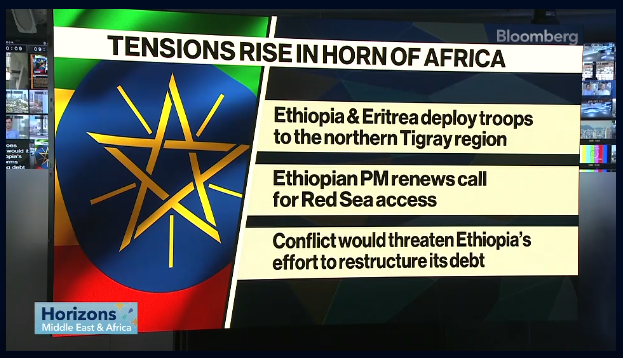 WATCH: Simon Marks reports on the latest developments on Bloomberg TV. A broader power play raises the risk of wider conflict. The United Arab Emirates has backed Abiy with financial aid in recent years, while Egypt and Saudi Arabia positioned themselves as close allies of Eritrea and the Tigrayans. Sudan and Egypt are already angered by Ethiopia's giant new dam that blocks the flow of the Nile. Once again, the Horn or Africa sits on a powder keg. — Simon Marks Key stories and opinion:  On this week's Next Africa podcast, Jennifer Zabasajja is joined by Simon Marks and Professor Kjetil Tronvoll from Oslo New University College to discuss the rising tensions in the Horn of Africa and the possible repercussions of a wider war. News RoundupAs many as 1,000 Kenyans have been recruited by "rogue agencies" to fight for Russia in its war against Ukraine, the head of the East African country's National Assembly said, a development that threatens to spark a diplomatic rift. There is mounting concern in a number of African countries about Russian recruitment abroad to bolster its manpower-strapped military. Four South Africans, among about 20 young men whose families said they were duped into fighting for Moscow, have been repatriated. 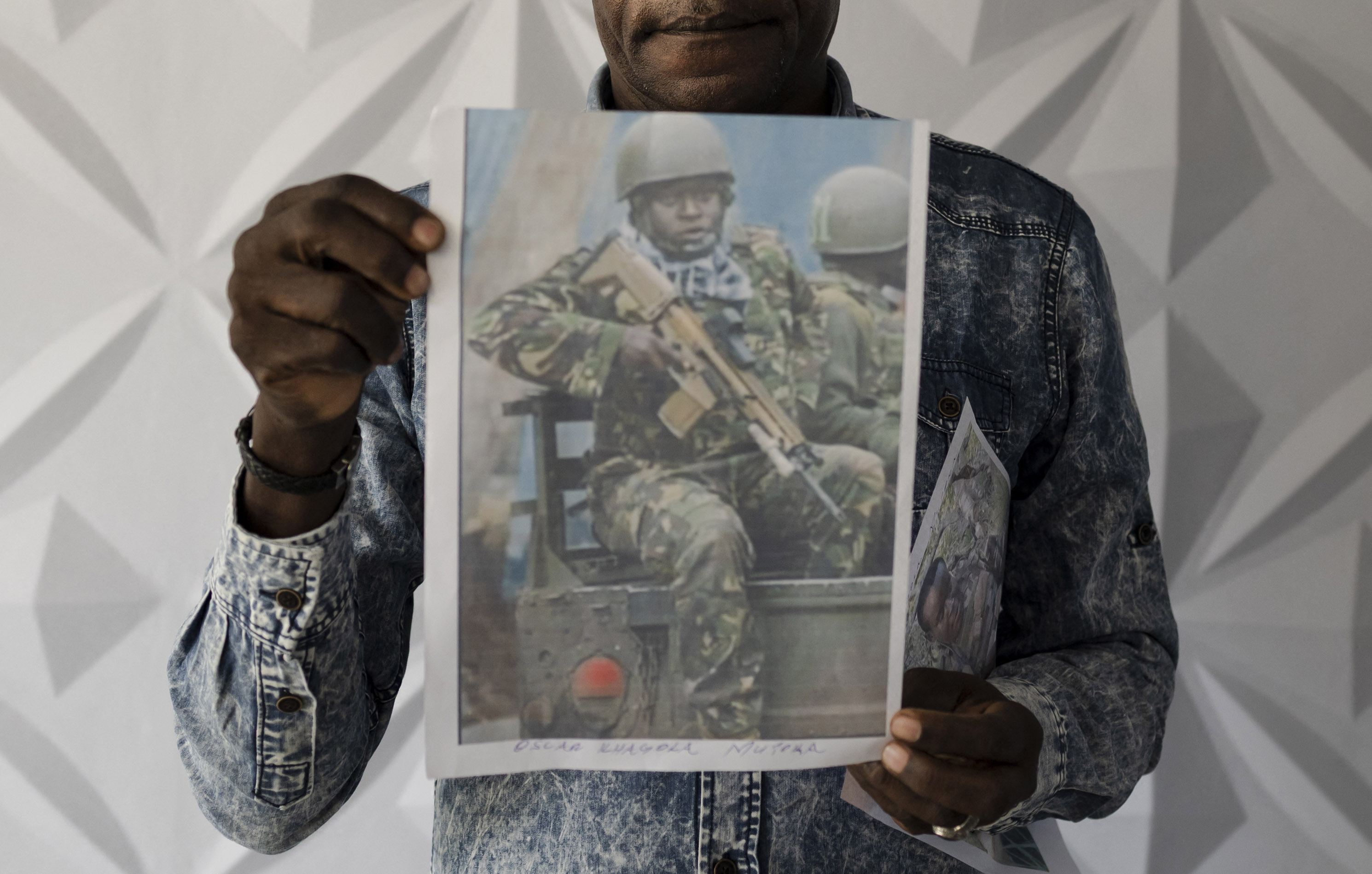 Charles Ojiambo Mutoka shows a portrait of his son Oscar, who was killed while fighting for Russia in August, during a briefing in Nairobi on Jan. 27. Photographer: Tony Karumba/AFP/Getty Images Aliko Dangote, Africa's richest person, has given his three daughters greater responsibilities at his sprawling conglomerate, citing a plan to build it into a $100 billion business within four years. The moves mark a pivotal step in his succession plan, accelerating the transfer of operational authority to the next generation at one of the continent's largest industrial groups. Separately, Nigerian President Bola Tinubu ordered the state oil company to share more of the crude and gas production proceeds it's been retaining. Rising pay among Black South Africans has dramatically changed the racial makeup of the country's band of middle- and top-income earners, a new study has found. The shift underscores how economic disparities can narrow, even in societies shaped by deep, institutionalized inequality. However, Black South Africans still predominate the ranks of the poor, and the proportion of them in that category is increasing. 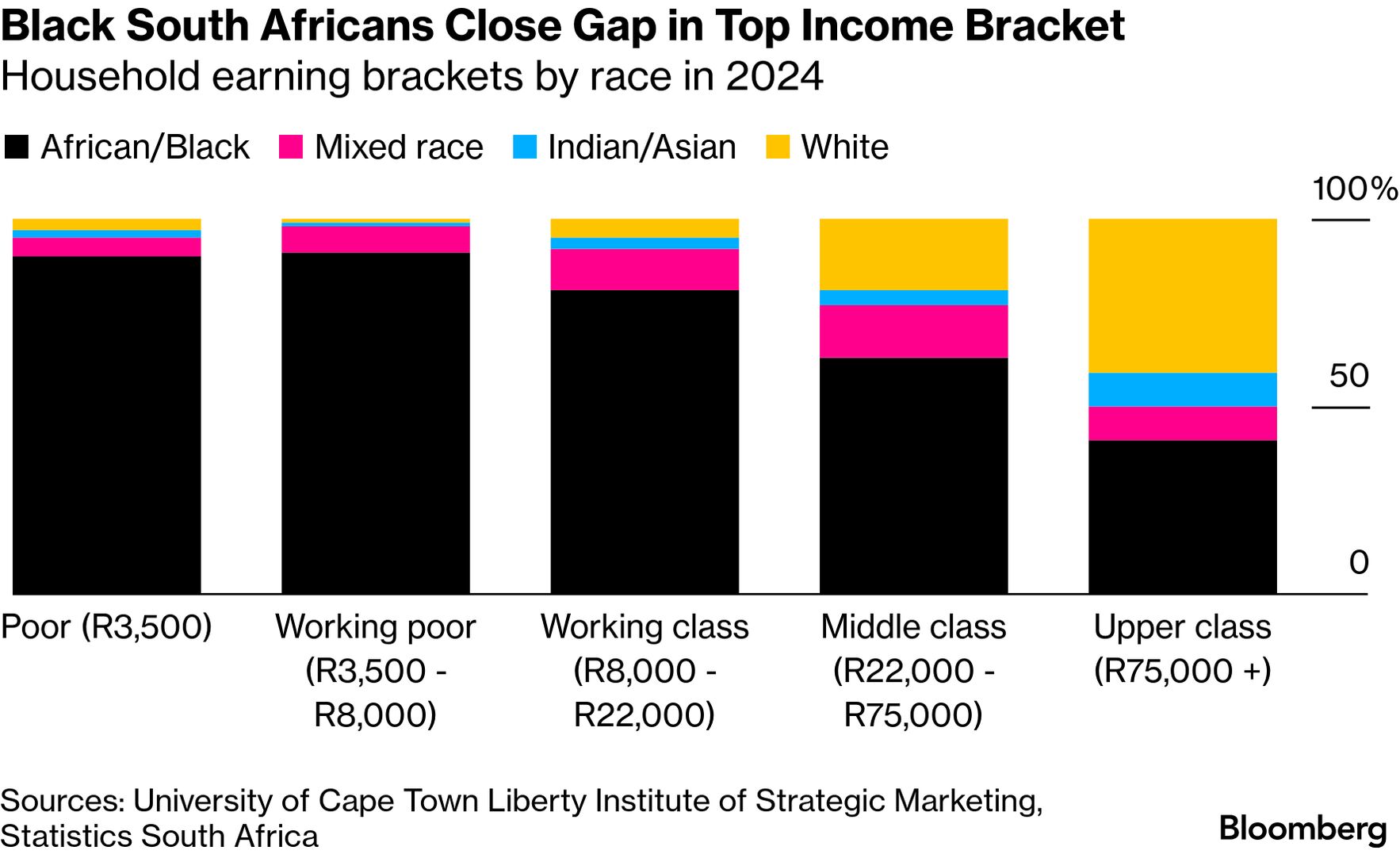 US President Donald Trump said the UK was making a "big mistake" with its proposed deal to turn over control of the Chagos Islands to Mauritius just weeks after saying the agreement was the "best" arrangement British Prime Minister Keir Starmer could make. Trump argued that the military base at Diego Garcia on the islands in the Indian Ocean could play a critical role in a hypothetical US attack on Iran, but sources say Starmer baulked at the idea. Since Ethiopia banned imports of internal combustion-engine vehicles in 2024 and slashed tariffs on electric counterparts, EV adoption has grown from less than 1% to nearly 6% of cars on the roads. While the policy was driven less by climate ambitions than fiscal pressures from gasoline subsidies, the government aims to have 60 EV assembly plants by 2030. Unlike older vehicles vehicles that make up most of the traffic in Addis Ababa, the new cars are reliable and relatively affordable to run. 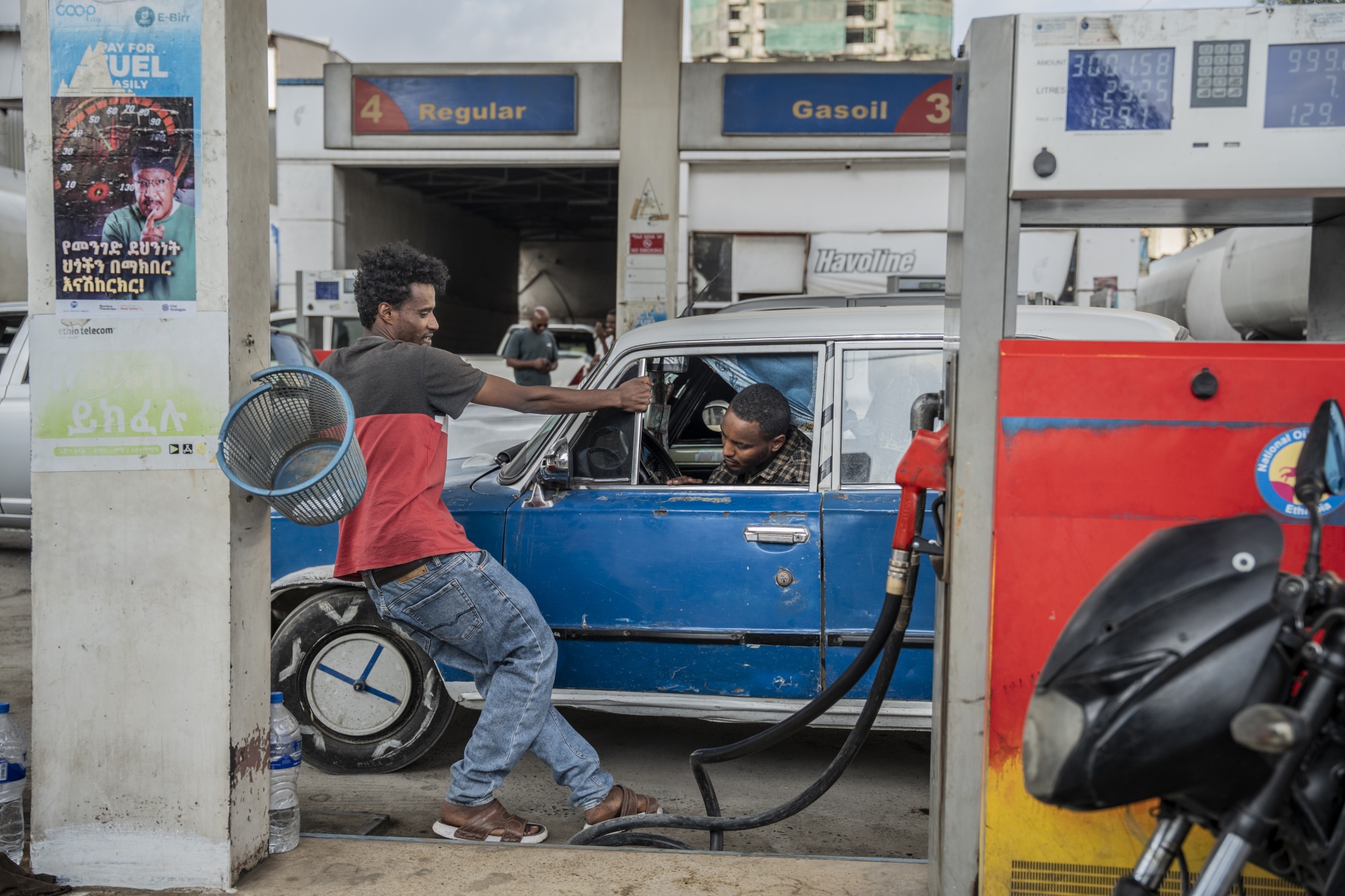 A fuel station in Addis Ababa on Feb. 6. Photographer: Amanuel Sileshi/Bloomberg Mozambique is navigating a fiscal crisis and has built up debt-servicing arrears with a raft of bilateral and multilateral lenders, the International Monetary Fund said, painting a bleak picture of the southeast African nation's economy. Securing a new IMF bailout will require critical reforms that the government has failed to make over the past two years. Next Africa Quiz — Which African nation's media regulator suspended all social-media platforms this week as the government faces protests over high living costs? Send your answers to gbell16@bloomberg.net Past & PrologueData Watch
Coming Up
Quote of the Week"A new big war will come. It's a matter of what will be the triggering factor." Kjetil Tronvoll Professor of peace and conflict studies at Oslo New University College Tronvoll was commenting on tensions between Ethiopia and Eritrea. Last WordTechnology tycoon Mark Shuttleworth will pay stipends of almost $1,000 a year to inhabitants of an island off Africa's west coast where he owns luxury resorts to help preserve its biodiversity. South Africa-born Shuttleworth, who made his fortune selling Thawte Consulting, a company he founded that helps prevent credit-card fraud online, will make the payment in quarterly installments to about 3,000 people — around 60% of Príncipe's adult population. Adults who have lived there for eight years or more can sign up to receive the dividends, and in return are expected not to act in ways that harm the environment.  Shuttleworth's Bom Bom lodge on Príncipe island. Photographer: Miguel Madiera/HBD Príncipe Group More From BloombergEnjoying Next Africa? You might also like:
|
Friday, February 20, 2026
Next Africa: Old foes, new wounds





Subscribe to:
Post Comments (Atom)
Reigning cats, not dogs, in Japan
It's fine to be feline in Japan View in browser This is Bloomberg...
-
PLUS: Dogecoin scores first official ETP ...
-
Hollywood is often political View in browser The Academy Awards ceremony is on Sunday night, and i...


No comments:
Post a Comment