| Read in browser | ||||||||||||||
 Welcome to Next Africa, a twice-weekly newsletter on where the continent stands now — and where it's headed. Sign up here to have it delivered to your email. The ghosts of Libya's past are making their presence felt as the nation with Africa's biggest oil reserves tries to show it's open for business. Former dictator Muammar Qaddafi's son was killed by unidentified gunmen at his home last week, throwing the spotlight on a strongman who seemed to be slowly fading into irrelevance. 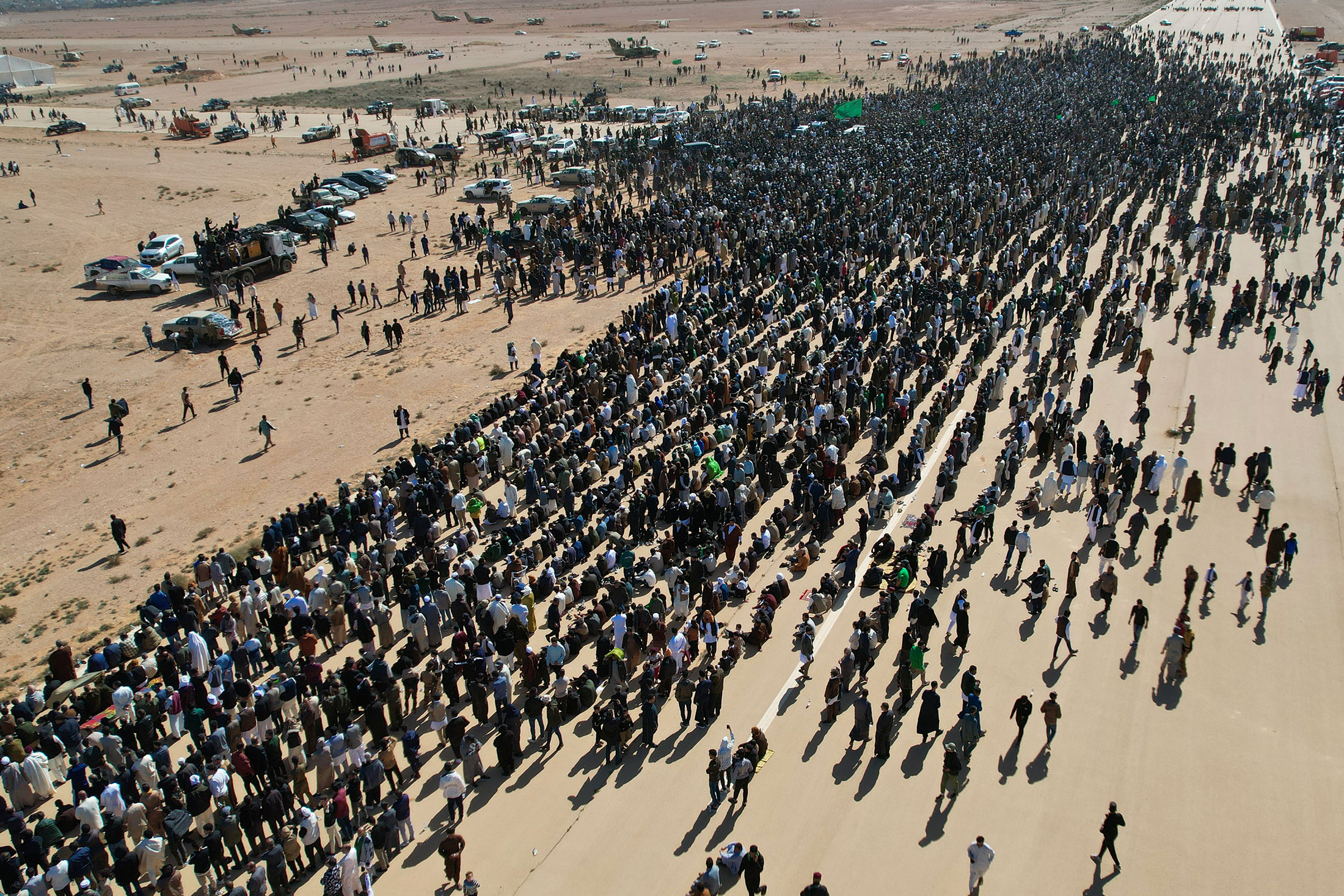 Mourners attend Saif al-Islam Qaddafi's funeral in Bani Walid on Feb. 6. Photographer: Mahmud Turkia/AFP/Getty Images When Saif al-Islam Qaddafi, 53, was laid to rest, however, his supporters came out in force. Thousands gathered in Bani Walid, south of the capital of Tripoli — a reminder that Libya's political divide runs deeper than a decade-long split between rival eastern and western governments. Mending the chasms is becoming increasing important, both for its beleaguered 7 million people and the goal of attracting Western investment. Chevron and Exxon Mobil are showing interest in returning as the country offers oil-exploration blocks as part of plans to increase production 40% by 2030. Muammar Qaddafi's heir apparent was charged for war crimes and held in captivity for years following the 2011 rebel uprising that violently ended his father's four-decade rule. He reemerged in late 2021, seeking to run in presidential elections that were eventually canceled. With tensions simmering between Prime Minister Abdul Hamid Dbeibah's internationally recognized government and a breakaway eastern administration backed by military leader Khalifa Haftar, Qaddafi loomed in the background — a spoiler capable of upsetting even the most careful plans. At one point, Russia backed him as a way to reassert power in Libya. He never abandoned his dreams of regaining political clout. It's anyone's guess what comes next. Qaddafi's supporters — most of them from two key tribes — have lost a figurehead and there's no clear successor. Analysts warn this month's killing comes at a delicate time for Libya, with the economy under strain and a political deadlock obstructing reunification. There hasn't been major fighting between Libya's rival governments for years. Yet deadly militia clashes that rocked Tripoli last year show it doesn't take much to touch off another crisis. — Michael Gunn Key stories and opinion: News RoundupEthiopia accused neighboring Eritrea of staging an incursion into its territory and supporting militant groups intent on undermining Prime Minister Abiy Ahmed's administration. Eritrea dismissed the claims as "yet another deplorable act" in a hostile campaign that's been waged against it for more than two years. The Horn of Africa nations fought a war from 1998 to 2000 that led to tens of thousands of deaths, and the renewed tensions have raised fears of a resumption in hostilities. 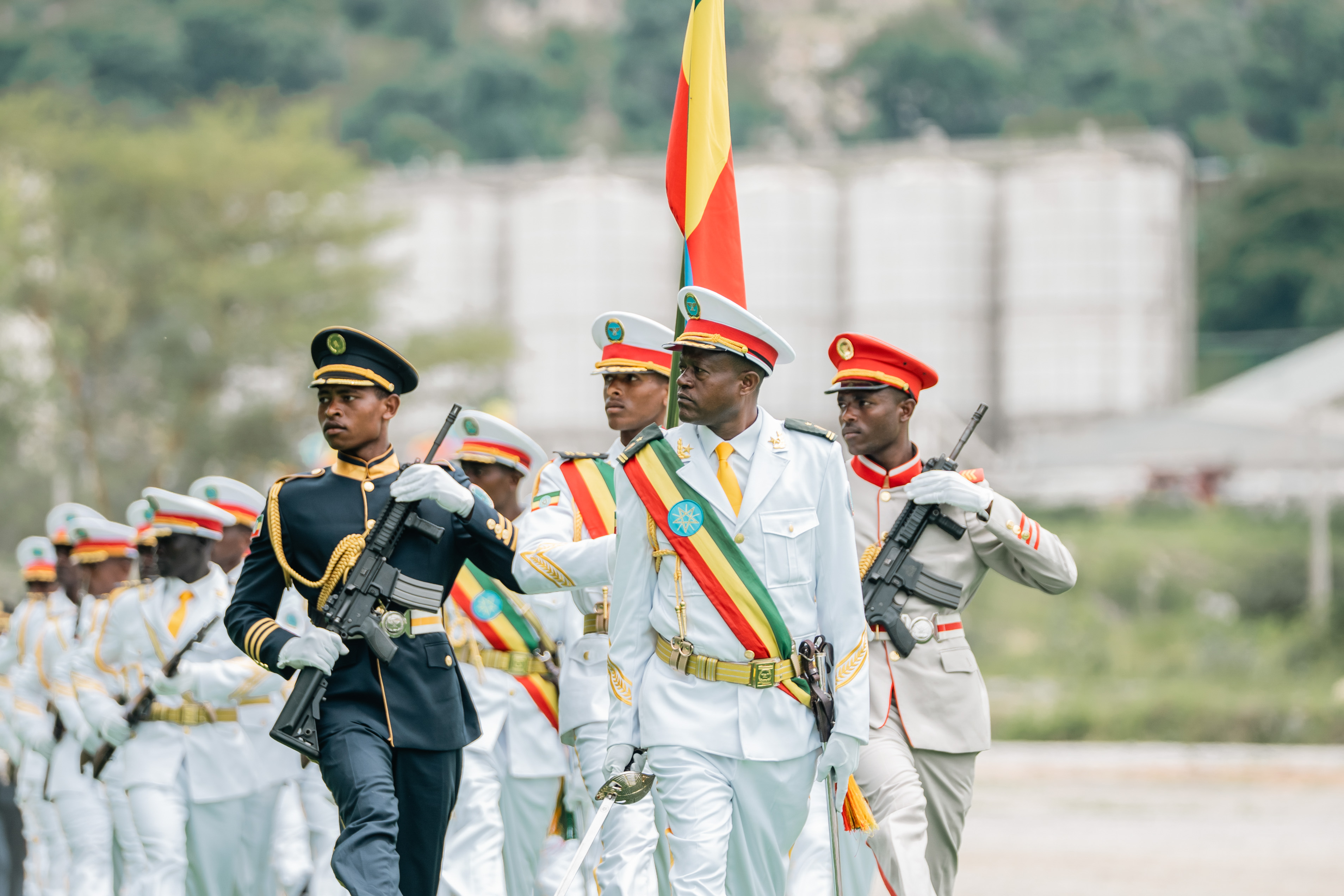 Ethiopian soldiers at the opening of the Grand Ethiopian Renaissance Dam in September. Photographer: Amanuel Sileshi/Bloomberg Construction will begin this year on Zambia's biggest rail project in decades, linking its copper-mining region to Angola's Lobito port, President Hakainde Hichilema said. The US and the European Union have cast the development as a flagship initiative to counter China's growing influence in Africa and to access metals critical for electric-vehicle batteries and the defense and aerospace industries. Surging copper prices have highlighted the strategic importance of those supply chains. 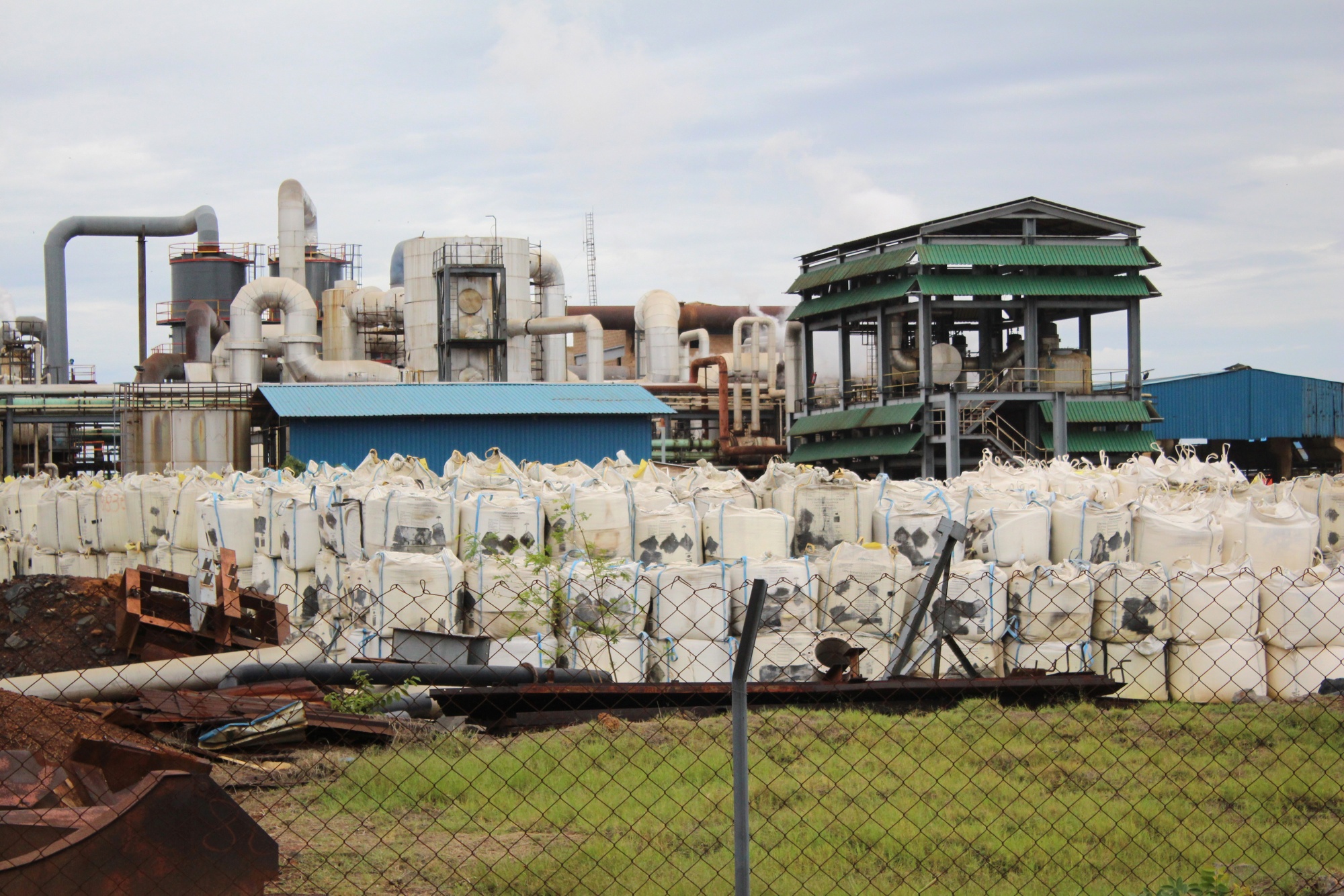 Sacks of cobalt at Chemaf's Etoile mine. Photographer: Lucien Kahozi/Bloomberg BNP Paribas told a US judge it's appealing a nearly $21 million verdict against the French lender for funding a regime in Sudan that committed widespread human-rights abuses. A New York jury ruled in October that BNP is liable for harm to three civilians who accused the bank of helping finance Sudan's dictatorship from 1997 to 2011, despite US sanctions. District Judge Alvin Hellerstein ruled last month that he would delay thousands of additional victims' claims in anticipation of the appeal. South Africa's government will award animal-trophy export quotas, paving the way for hunting of black rhino, elephant and leopard to resume for the first time in about six years. The environment minister's announcement eases a dispute that halted expeditions costing as much as $350,000. Professional hunting and wildlife breeding associations see the quotas as key to safeguarding a $2.7 billion industry. 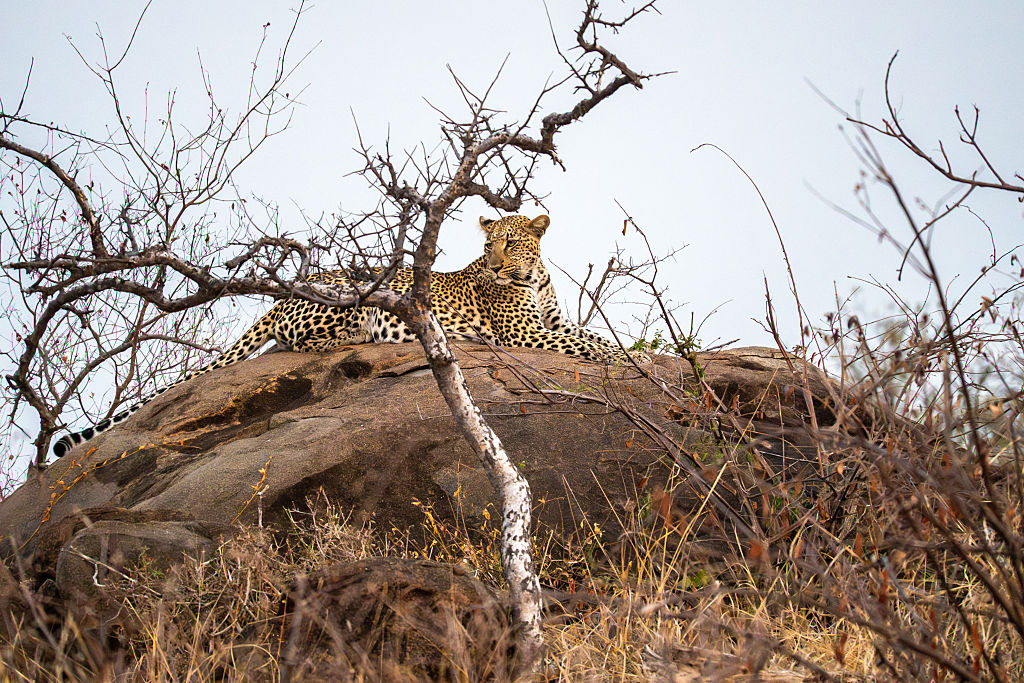 A leopard in South Africa's Kruger National Park. Photo by Xavier Duvot/AFP/Getty Images Nigeria plans to institute a new cybersecurity policy as it confronts a surge in increasingly sophisticated artificial intelligence-driven cyberattacks costing companies and government agencies millions of dollars. Organizations in the West African nation will have to adhere to minimum spending targets on cybersecurity and meet timelines for reporting breaches, Kashifu Inuwa Abdullahi, head of the National Information Technology Development Agency, said in an interview. Chart of the Week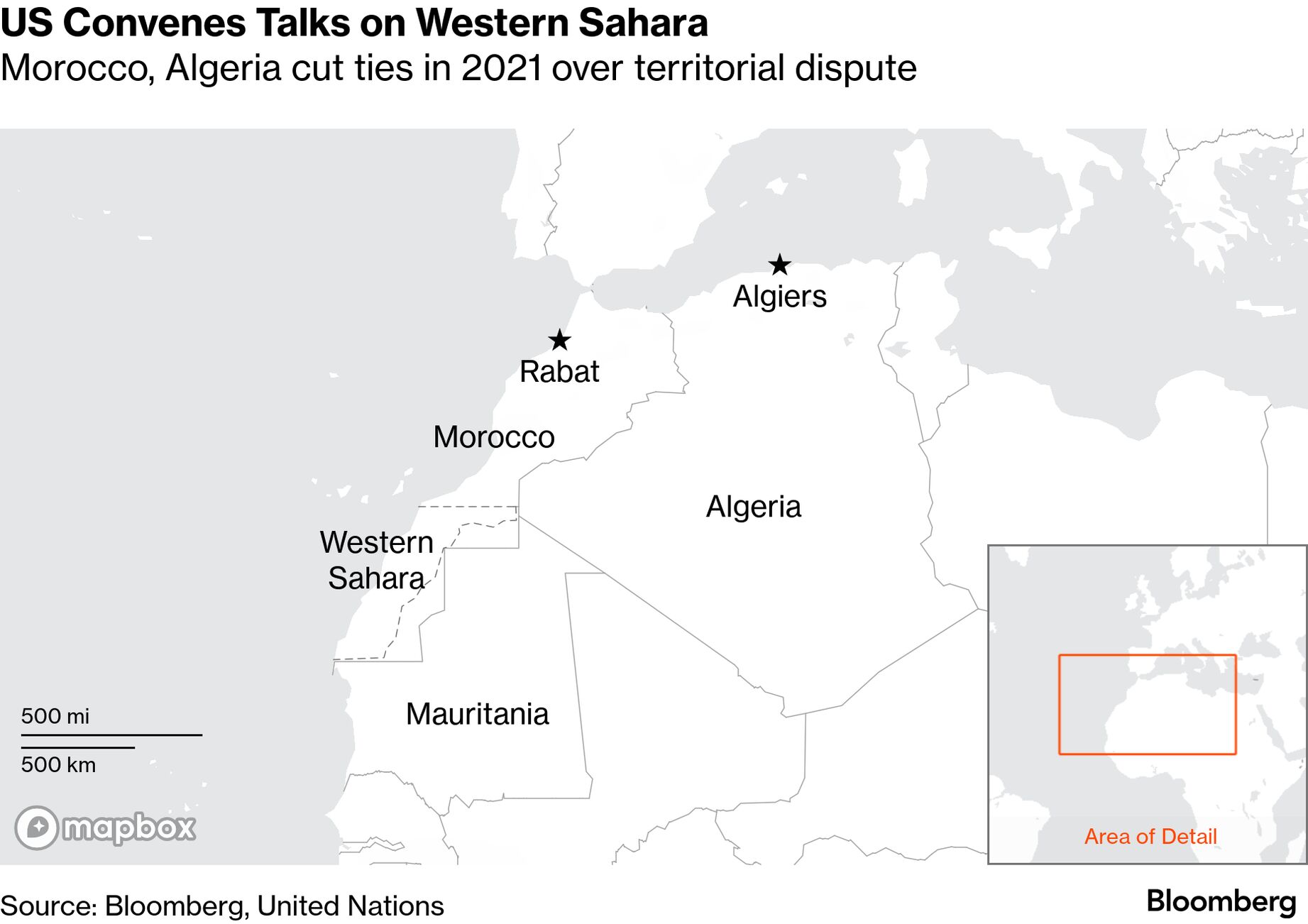 The US and United Nations convened rare talks between rivals Morocco and Algeria on the fate of the Western Sahara, as the Trump administration tries to resolve one of Africa's longest-running territorial disputes. The negotiations in Madrid were also attended by Mauritanian officials and representatives from the rebel Polisario Front, which has fought a half-century campaign for the area's independence. More From BloombergEnjoying Next Africa? You might also like:
|
Tuesday, February 10, 2026
Next Africa: Libya’s ghosts





Subscribe to:
Post Comments (Atom)

-
PLUS: Dogecoin scores first official ETP ...
-
Hollywood is often political View in browser The Academy Awards ceremony is on Sunday night, and i...


No comments:
Post a Comment