| Read in browser | ||||||||||||||
 Welcome to Next Africa, a twice-weekly newsletter on where the continent stands now — and where it's headed. Sign up here to have it delivered to your email. South African President Cyril Ramaphosa used the opening of parliament on Thursday to deliver a message as much for his colleagues in the African National Congress as for the country's citizens. While claiming successes such as getting the debt trajectory under control and saying that loadshedding — scheduled power outages designed to protect the grid from collapse — was a thing of the past, he was careful to recognize issues plaguing everyday life: widespread municipal decay and crime. 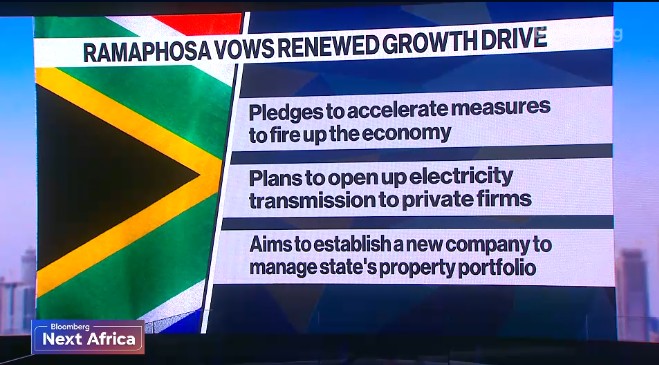 WATCH: Jennifer Zabasajja reports on Ramaphosa's state-of-the-nation address. He promised to move fast to address a deepening water crisis, acknowledging that many ANC-run local governments were dysfunctional and unable to deliver basic services such electricity and functional roads. The leader also pledged to increase police recruitment and deploy the army to help law-enforcement authorities curb gang violence and illegal mining, consequences of profound social issues in a nation with an unemployment rate persistently exceeding 30% and one of the highest murder rates globally. However, in a year in which South Africans will likely vote in municipal elections, Ramaphosa's promises came across as an exhortation to his ANC colleagues running towns and cities across the country. Polls suggest the party — which in 2024 lost its outright national majority for the first time since the end of apartheid — will pay heavily for its failures at the ballot box. Ramaphosa's focus on reforming critical state enterprises in energy, ports and rail has started yielding some results, and markets have rallied. Local stocks up 45% since the start of 2025 and bond yields are at 10-year lows. The economy, though, hasn't expanded by more than 1% on average annually over the past decade, and the central bank sees it growing 1.4% this year, well below the global average of 3.3% forecast by the International Monetary Fund. The president acknowledged that it needs to increase "much higher and faster to meet our social and economic challenges." Getting out of the slump will be crucial to halt the ANC's demise. — Alexander Parker 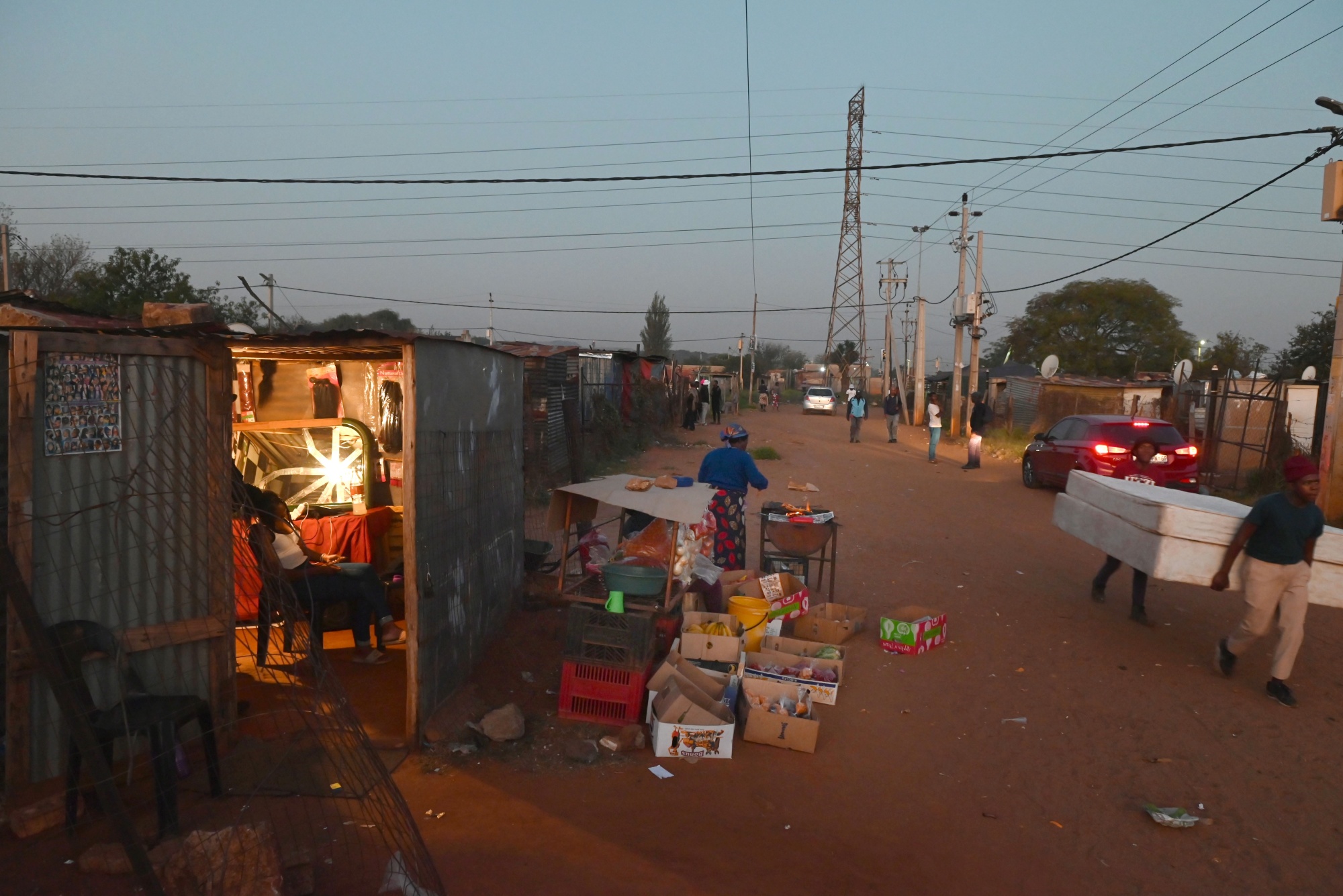 The Slovo Park informal settlement outside Johannesburg in May 2024. Photographer: Leon Sadiki/Bloomberg Key stories and opinion: News RoundupGhana is seeking to overhaul the long-time pricing regime used to pay farmers for cocoa, a sign of the pressure the market boom-and-bust cycle has put on major growers. The world's second-biggest producer plans to introduce a flexible system linked with international prices of the commodity, Minister of Finance Cassiel Ato Forson said. The central bank is urging lenders to tap into pension funds by offering shares and listing on the stock market. 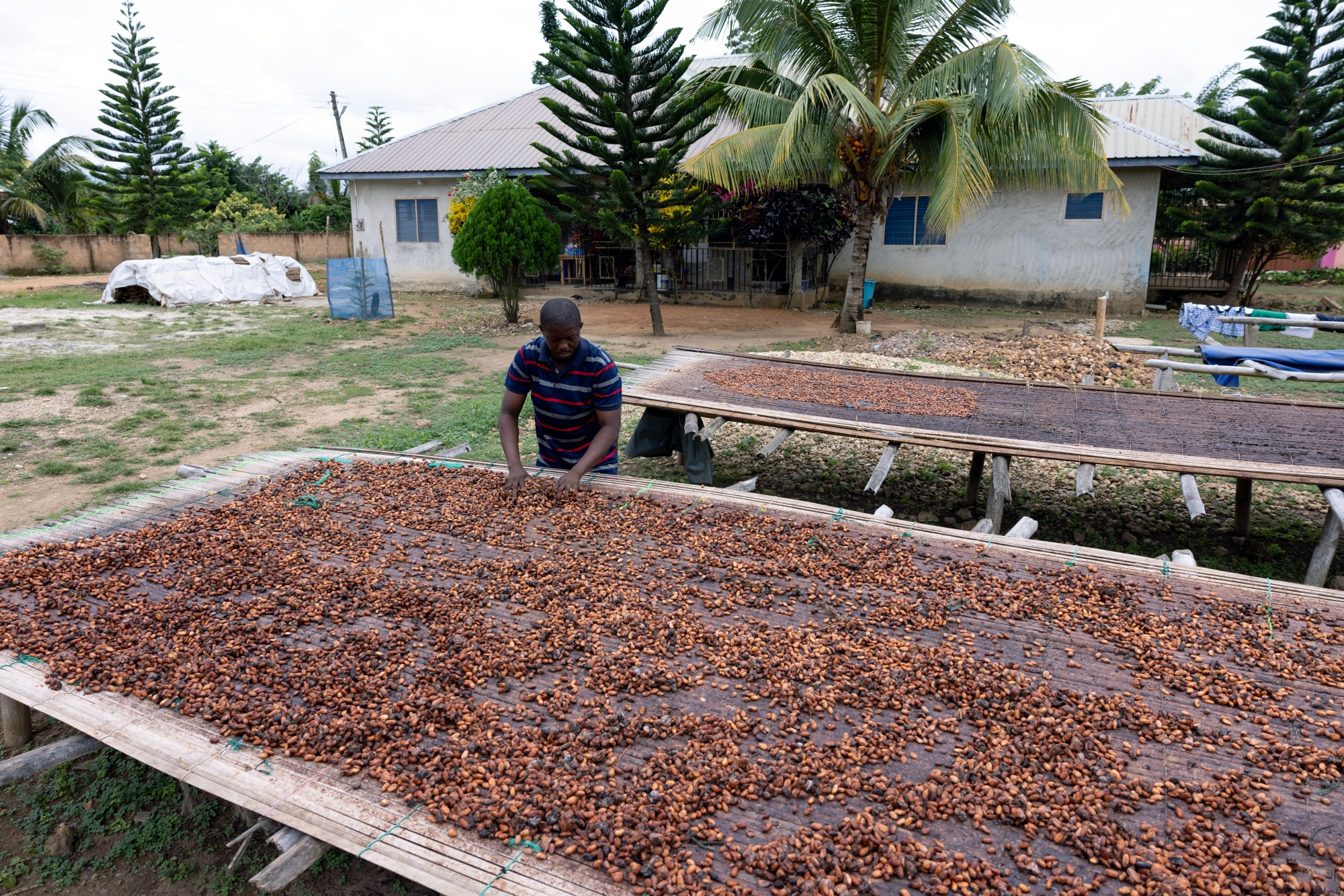 Cocoa beans drying in Kwabeng, Ghana, in July 2024. Photographer: Paul Ninson/Bloomberg Chevron, Eni, QatarEnergy and Repsol were among major energy companies that won rights to explore for oil and gas in Libya, the latest sign that the country with Africa's largest crude reserves is opening up for investment following years of civil war. Of the 20 exploration blocks offered in the first tender of licenses since 2007, only five received valid bids, and officials pledged to make improvements for the next round. The Central Bank of Nigeria has for the first time granted currency-exchange bureaux access to dollars at the official market, seeking to ease retail shortages and narrow the gap between the naira's formal and street rates. All licensed money handlers can access cash from the Nigerian Foreign Exchange Market through any authorized dealer at the prevailing exchange rate "to ensure the availability of adequate foreign exchange liquidity in the retail segment of the foreign exchange market," it said. Concerns about crime, the future of their children and career prospects have driven more than 1 million rich and well-educated South Africans to emigrate, a new report shows. Separately, a 134-year-old sugar maker is on the brink of collapse again as its administrators prepare to place the firm into a local form of bankruptcy. And British American Tobacco's chief said he warned Pretoria for years that it would be forced to end local output if illegal cigarette sales weren't stamped out. The world is facing a challenge with 1.2 billion young people in developing countries coming of working age over the next 10 to 15 years, with only about 400 million jobs expected to be generated. In this opinion piece, World Bank Group President Ajay Banga outlines the lender's strategy for generating jobs. 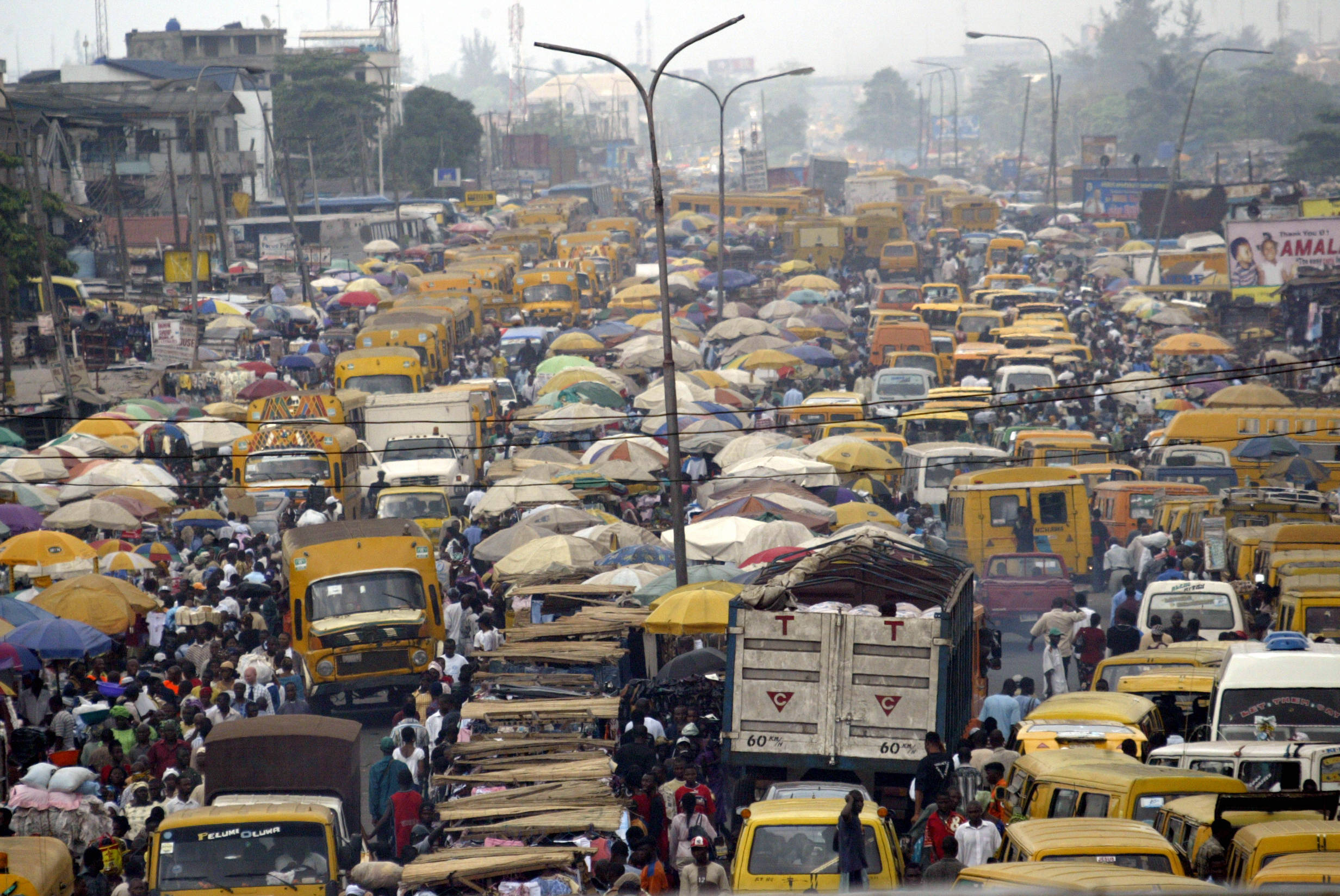 People struggle for space between buses and trucks in Lagos. Pius Utomi Ekpei/AFP/Getty Images Next Africa Quiz — Which African nation reintroduced legislation that seeks to jail LGBTQ people? Send your answers to gbell16@bloomberg.net Past & PrologueData Watch
 On this week's Next Africa podcast, Jennifer Zabasajja speaks with Bloomberg's Matthew Hill and William Clowes about why international collaboration was high on the agenda at the Africa Mining Indaba and how African nations are pushing to avoid being short-changed as global demand for their natural resources grows. Coming Up
Quote of the Week"People think that if there's no water, ourselves and our families we've got special water. We don't. In some instances, I had to go to a certain hotel so that I bath." Panyaza Lesufi Premier of South Africa's Gauteng province The provincial leader made the comments at a briefing about the region's deepening supply crisis amid years of underinvestment in crumbling infrastructure and poor maintenance. Last WordKenya repatriated 27 of its citizens recruited to fight for Russia against Ukraine as the families of 17 South African men fighting in that conflict demanded that Ramaphosa intervene to bring them home. The contrasting fortunes of the two groups, whom the families of both claim were lured to Russia under false pretenses, highlights a growing concern that the manpower-starved Russian military is turning to foreign recruits to bolster its numbers. 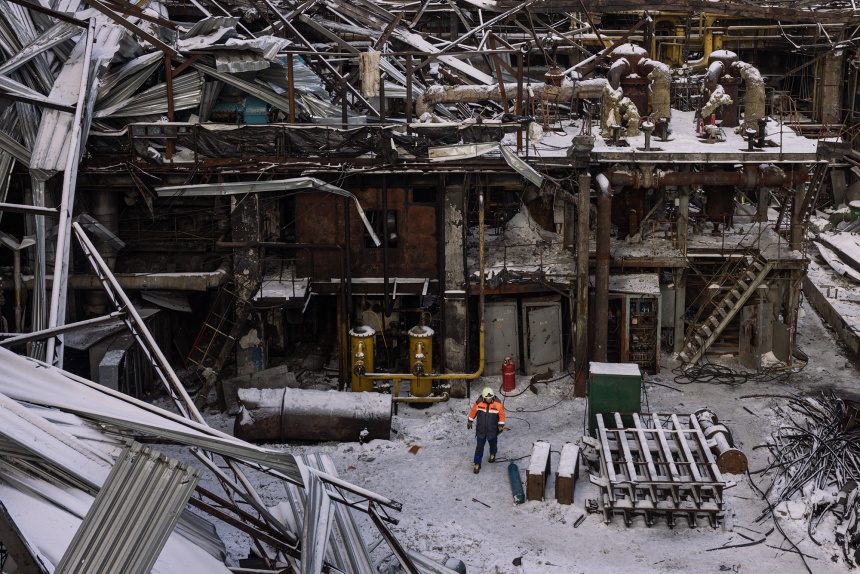 Workers repair damage from attacks at a thermal power plant in Ukraine on Feb. 9. Photographer: Diego Fedele/Getty Images More From BloombergEnjoying Next Africa? You might also like:
|
Friday, February 13, 2026
Next Africa: An electoral warning





Subscribe to:
Post Comments (Atom)
AI Job Loss Is Accelerating – and Washington Won't Stop It
Policy is chasing power, not payrolls AI Job Loss Is Acceler...
-
PLUS: Dogecoin scores first official ETP ...
-
Hollywood is often political View in browser The Academy Awards ceremony is on Sunday night, and i...


No comments:
Post a Comment