| Read in browser | ||||||||||||||
  Welcome to the Brussels Edition. I'm Suzanne Lynch, Bloomberg's Brussels bureau chief, bringing you the latest from the EU each weekday. Make sure you're signed up. In an unusual move, the leaders of the bloc's two biggest economies arrived and spoke to the press together. When it comes to competitiveness and the EU single market, "I'm happy that Emmanuel Macron and I agree with each other – as almost always," Merz told reporters standing alongside the French president. The display of bonhomie comes amid divisions between the two European powerhouses about how to deal with the EU's competitiveness woes. Macron used his speech at the Industrial Summit in Antwerp yesterday to make a renewed push for his Buy Europe agenda, arguing that Europe should prioritize local resources in strategic sectors like chemicals, chips and tech. It came ahead of the announcement of the EU's Industrial Accelerator Act next month, which will stipulate the percentage of European inputs that should be included in products and lay out new rules on foreign investment. Minutes after Macron's speech Merz pushed back, warning against a "narrow" approach to "Made in Europe" and arguing that European preference rules should only be used as a last resort. 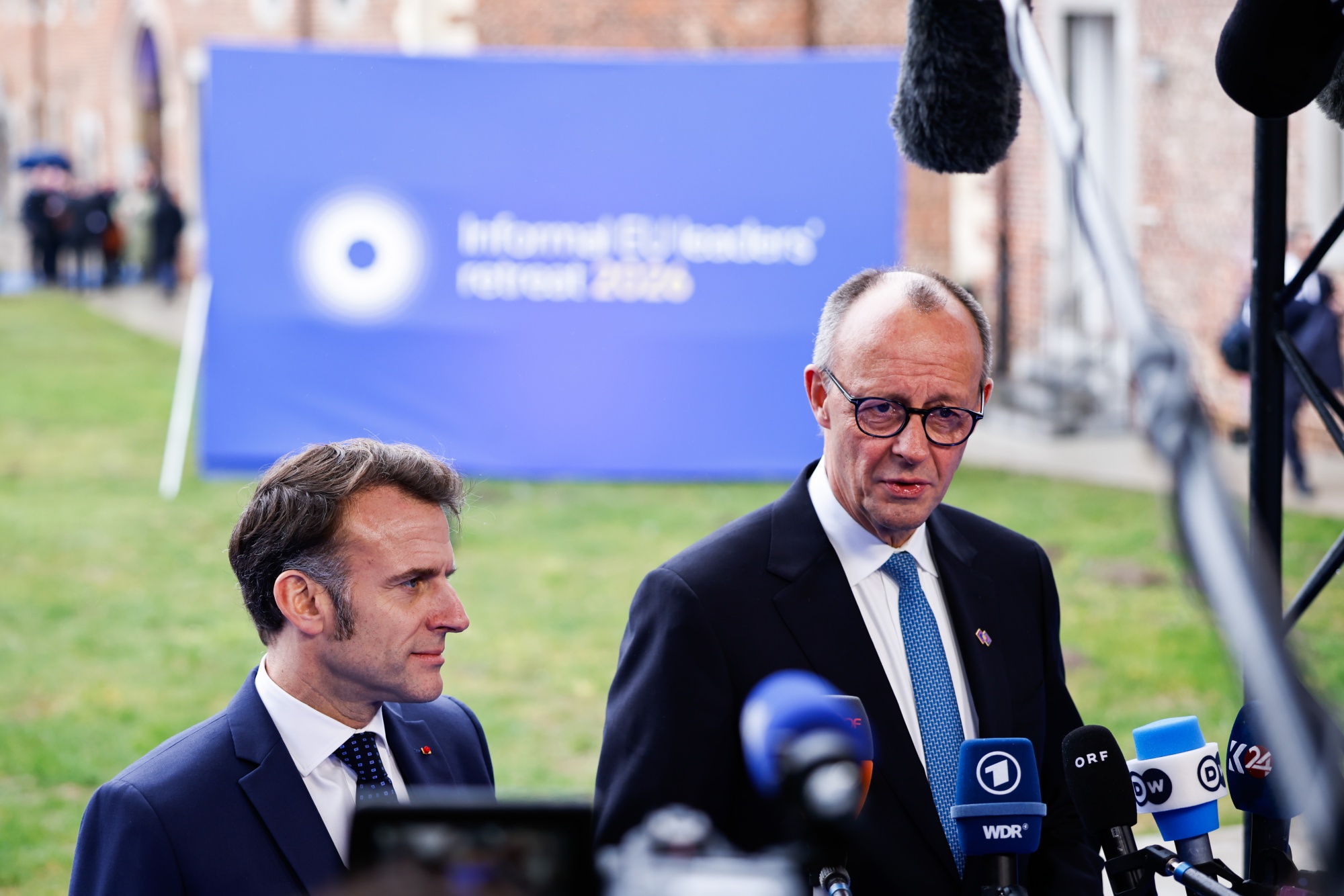 Macron and Merz speak to journalists at an EU retreat in Rijkhoven, Belgium. Photographer: Simon Wohlfahrt/Bloomberg Paris and Berlin are also divided on the issue of common debt, with Macron making the case this week that collective EU borrowings should help bankroll a boost in much-needed investment. Asked about the Franco-German divisions on his way into the summit, Belgian Prime Minister Bart de Wever expressed confidence that a solution would be found, adding that finding compromise is a Belgian speciality. The divisions between the bloc's largest members are not the only points of contention as leaders huddle east of Brussels. Given that the EU is a club of 27 countries with very different economies, agreeing on how best to spur European investment and innovation is a challenge. Small, advanced economies like the Nordic countries and Ireland, which thrive on free trade and don't have the resources or the desire to reindustrialize, are wary of the bloc turning too protectionist. "Certainly we need more self reliance in core areas... but we must protect the open free trade ethos of the European Union," Irish leader Michael Martin said ahead of today's discussion, capturing the views of many. The Latest
Seen and Heard on Bloomberg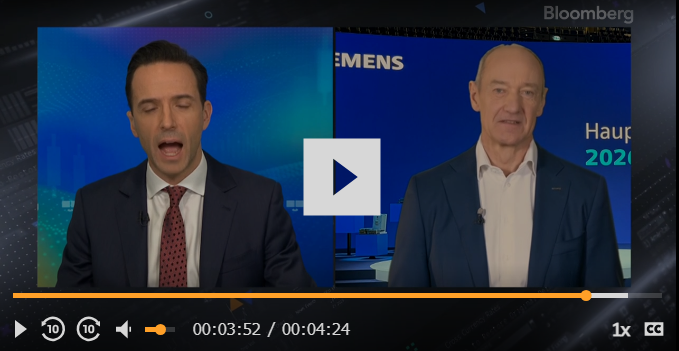 Siemens expects the boom in artificial intelligence for industry and related software solutions to keep fueling its business, after data center and automation demand rose. Speaking after the company reported first-quarter results that beat expectations, Chief Executive Roland Busch told Bloomberg TV that he was confident that demand for data centers would continue through 2026. "Will those high growth rates keep on going for the next five years or so? I don't know. No one has a crystal ball." Chart of the Day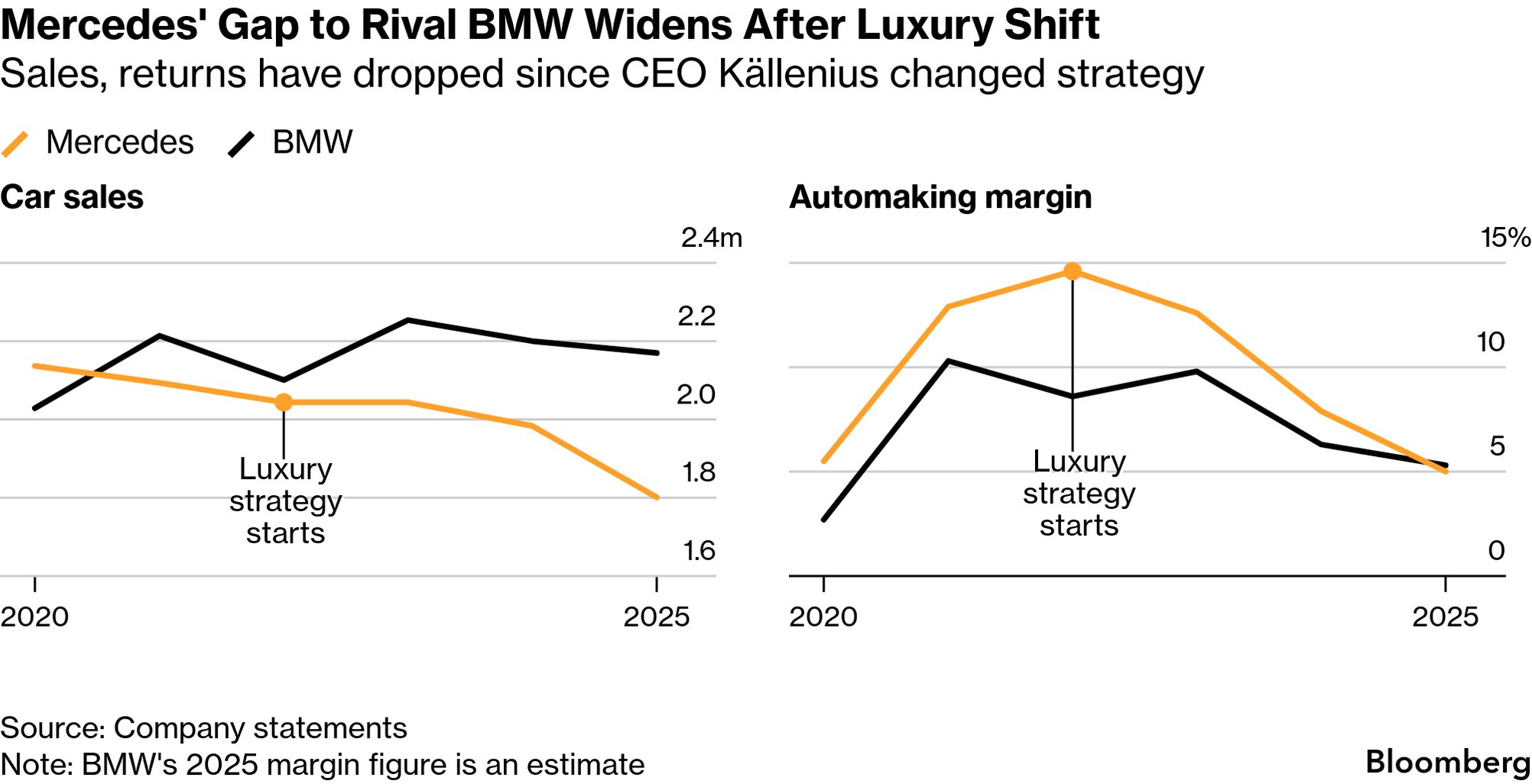 Shares in Mercedes-Benz Group fell today after the German car-maker warned that margins will remain under pressure this year amid tariffs and fierce competition in China. The company has been losing ground to rival BMW of late in the luxury car market, particularly in the sales of electric vehicles. Coming up
Final ThoughtFrench far-right leader Marine Le Pen will learn in July whether she convinced judges to overturn an election ban — a decision that will shape who leads the National Rally into the presidential election next year. The Paris court of appeals said it would deliver the crucial ruling on July 7 over embezzlement accusations dating back to Le Pen's time as a member of the European Parliament. At the heart of the case is whether aides, paid with European funds, worked to further her party's domestic agenda rather than focusing on matters in Brussels. 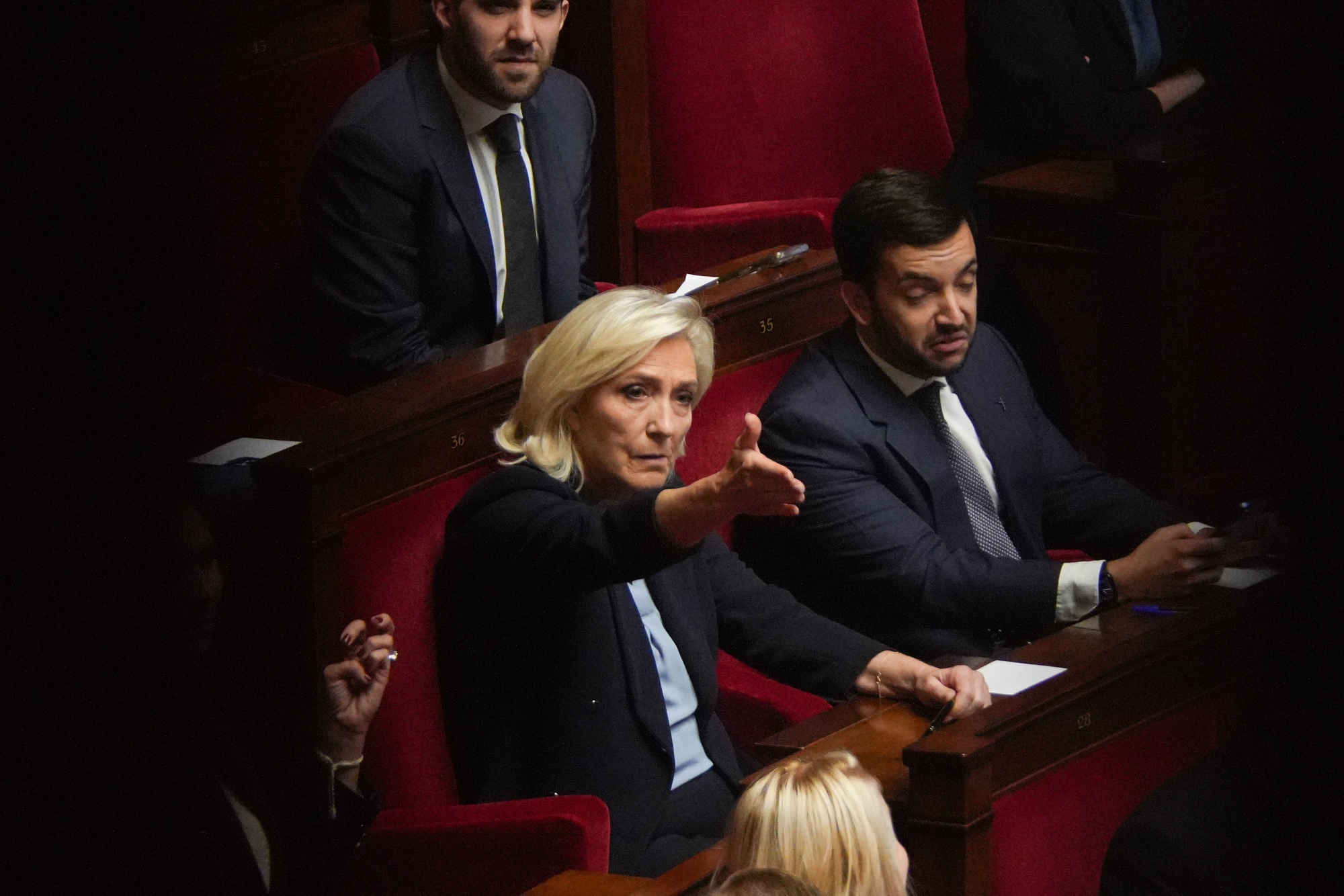 Le Pen, ahead of a confidence vote at the National Assembly in Paris, on Oct. 16, 2025. Photographer: Nathan Laine/Bloomberg Like the Brussels Edition?Don't keep it to yourself. Colleagues and friends can sign up here. We're improving your newsletter experience and we'd love your feedback. If something looks off, help us fine-tune your experience by reporting it here. Follow us
You received this message because you are subscribed to Bloomberg's Brussels Edition newsletter. If a friend forwarded you this message, sign up here to get it in your inbox.
|
Thursday, February 12, 2026
Brussels Edition: Merz and Macron’s united front





Subscribe to:
Post Comments (Atom)
-
PLUS: Dogecoin scores first official ETP ...
-
Hollywood is often political View in browser The Academy Awards ceremony is on Sunday night, and i...


No comments:
Post a Comment