| Read in browser | ||||||||||||||
  Welcome to the Brussels Edition. I'm Suzanne Lynch, Bloomberg's Brussels bureau chief, bringing you the latest from the EU each weekday. Make sure you're signed up. As around a dozen EU Commissioners, including President Ursula von der Leyen, head to Bavaria for the annual Munich Security Conference, it's clear things have changed. For the first time since the end of the Cold War, European capitals are discussing how to develop their own nuclear deterrent, our team reports today. Europe has long depended on the US nuclear shield — both through American weapons based in Europe and NATO's mutual defense pact. But a collapse in trust between the allies has prompted a rethink about the continent's own defense capabilities. The UK and France are the only European countries with atomic weapons, and French President Emmanuel Macron last year evoked the possibility of extending his country's protective umbrella over the rest of Europe. He is expected to reaffirm that offer in a speech later this month, according to people familiar with the matter. 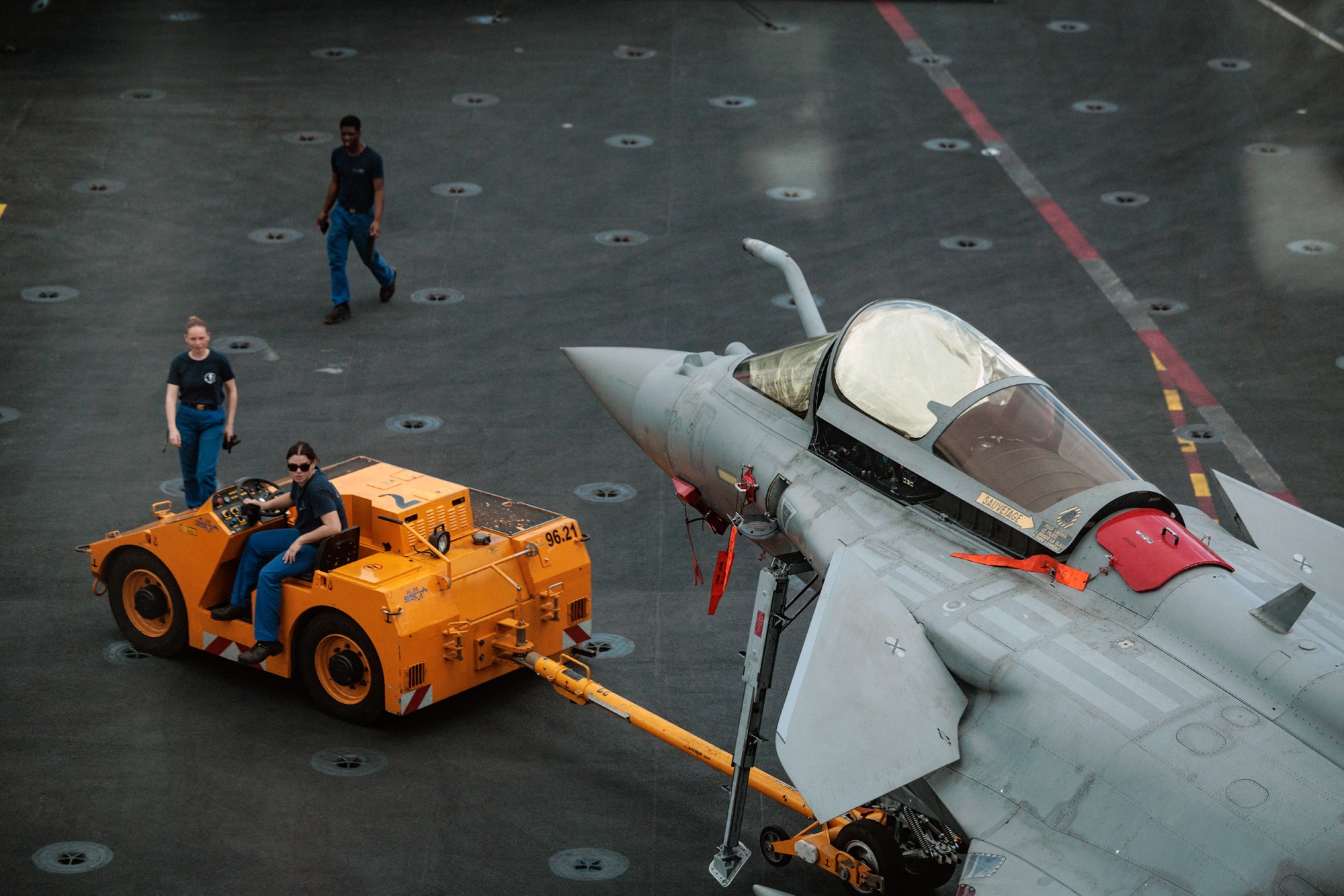 A Rafale jet fighter on the flight deck of the French Navy's nuclear-powered aircraft carrier Charles de Gaulle. Photographer: Yasuyoshi Chiba/AFP/Getty Images Speaking at the event in Munich this afternoon, German Chancellor Friedrich Merz said that he's "begun confidential talks" with Macron about Europe's nuclear deterrence. "We consider this strictly within the context of our nuclear sharing within NATO — and we will not allow zones of differing security to emerge in Europe," he said. Other European countries theoretically could get nuclear missiles, but there are barriers, including high costs and treaty violations if countries develop their own arsenal. Weighing on minds is also the size of the current European arsenal. France and the UK have about 400 deployed warheads between them, compared with America's 1,670. A central theme of the Munich Security Conference, which runs through the weekend, will be the state of the transatlantic relationship as Europe reels from Donald Trump's threat last month to take over Greenland. After Vice President JD Vance shocked the conference last year by attacking Europe's commitment to democracy, Secretary of State Marco Rubio is expected to offer a more conciliatory tone when he addresses the forum tomorrow. Ukrainian President Volodymyr Zelenskiy is also slated to attend. 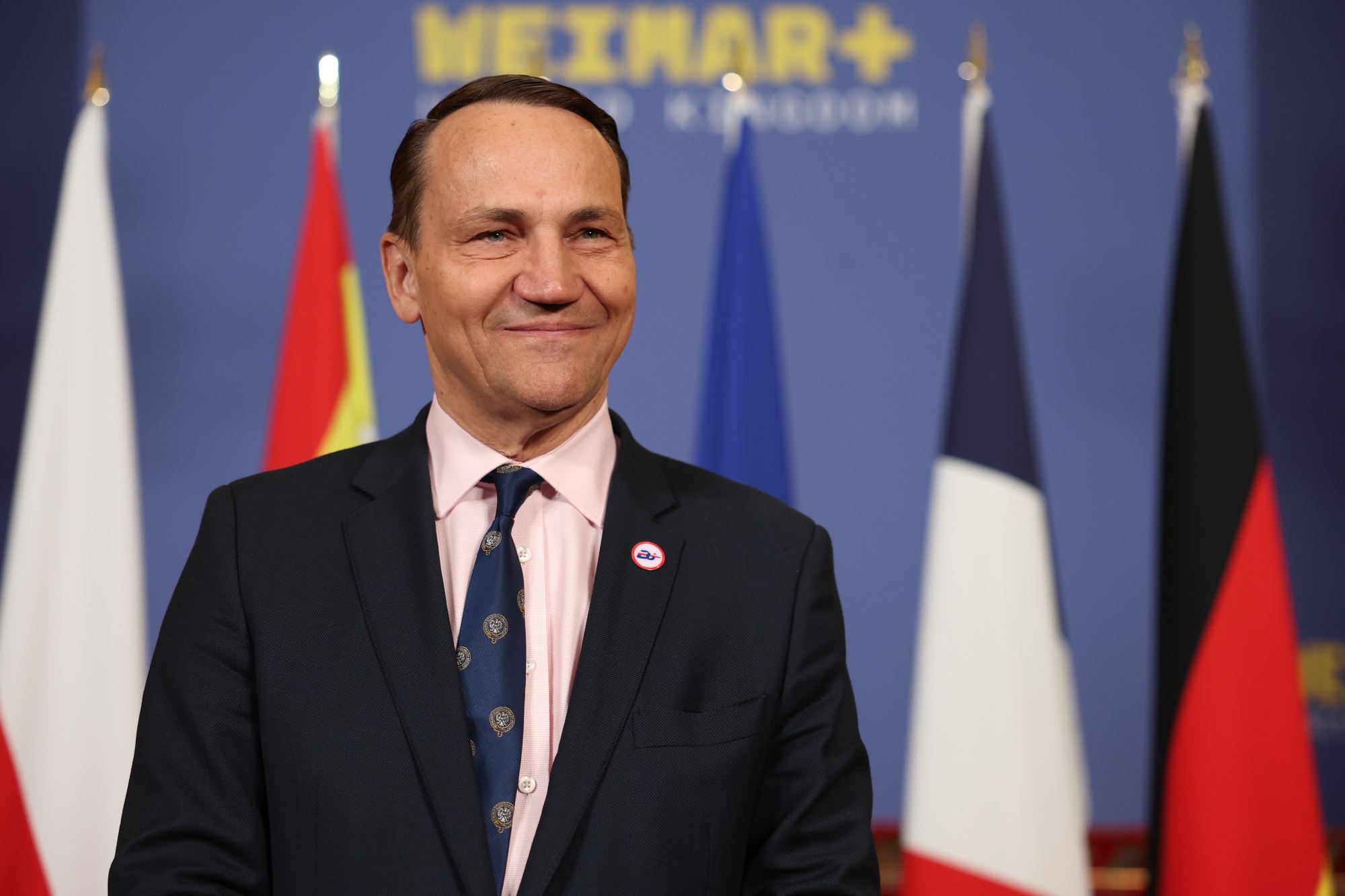 Radoslaw Sikorski Photographer: Neil Hall/EPA/Bloomberg Speaking to Bloomberg as the defense conference kicks off, Polish Foreign Minister Radoslaw Sikorski said there was a new "frankness" between the US and Europe over defense. But he argued that Europe had now stepped up and its contribution to Ukraine's defense means that it should get a seat at the table in US-brokered peace negotiations with Russia. Just this week, the UK confirmed it is spending £150 million on buying US weapons through the Prioritised Ukraine Requirements List (PURL) initiative, with a slew of European countries also participating. "The US is no longer paying for its deliveries to Ukraine, we Europeans are," Sikorski said. The Latest
Seen and Heard on Bloomberg EU Defense Commissioner Andrius Kubilius said Europe started to close the financial gap in its effort to shoulder more defense responsibility. "If all the member states will fulfill their pledges, it will bring during the next ten years €6.8 trillion for defense," he told Bloomberg TV at the Munich Security Conference. He also said that US demands for Europe to take greater conventional defensive responsibilities is a "fair request." Chart of the Day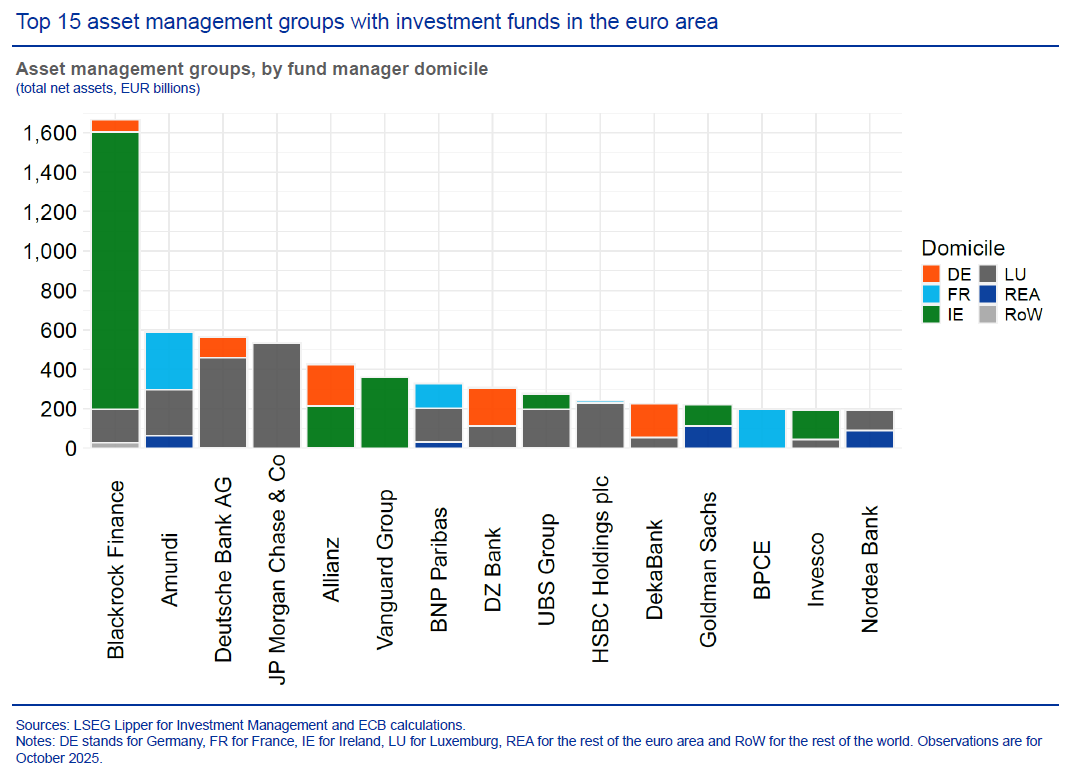 A Limited Number of Firms Dominate European Asset Management, ECB Says Bloomberg ECB staff added their support to a controversial call for more centralized supervision of the EU's largest asset managers as the bloc seeks to deepen its capital markets. "Nationally fragmented oversight leaves room for supervisory blind spots," ECB staff said in a blog post today, adding that "a more European supervisory framework would ultimately strengthen the sector's resilience." They recommended an expanded role be given to the European Securities and Markets Authority, or ESMA. Coming Up
Final Thought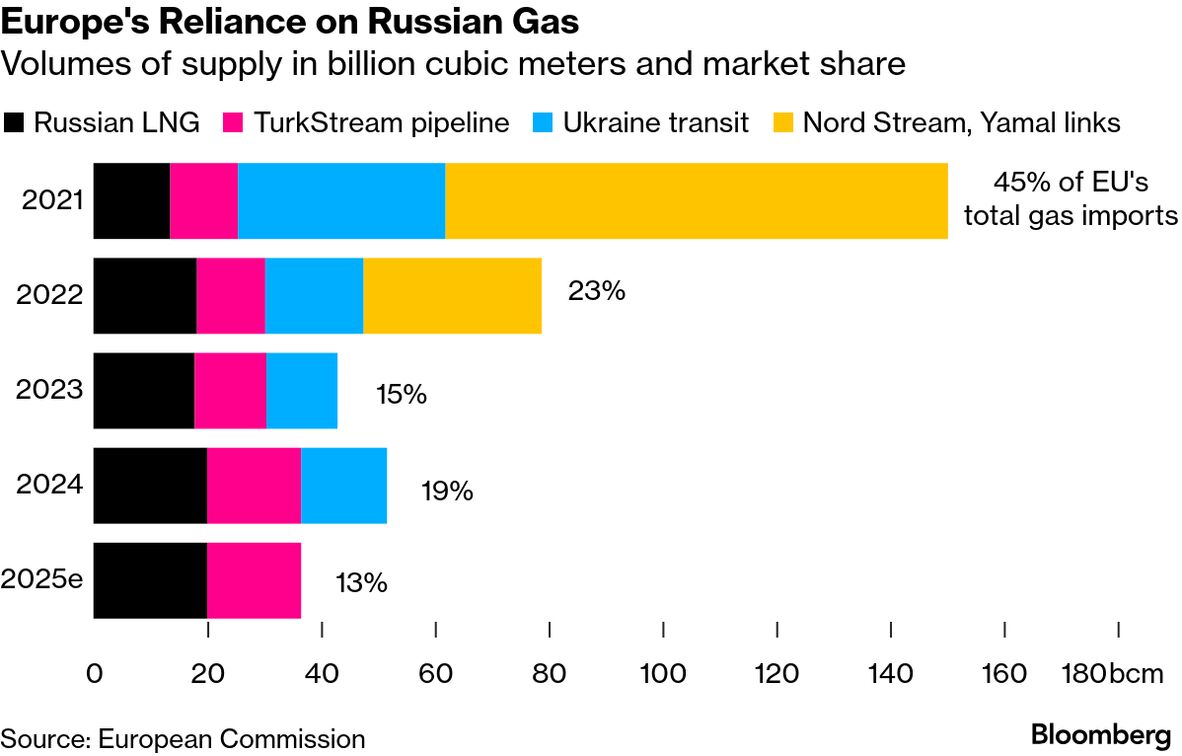 The war in Ukraine has caused an era-defining shock to Europe's economy, politics, and societies, and is raising existential concerns over Europe's ability to resist or coexist with an aggressive Russia. Europe's collective response to the war in Ukraine has become a test of the continent's ability to shape decisions affecting its own fate, with many changes seeming irrevocable, including a reassessment of relations with China and a shift towards defense mode. Like the Brussels Edition?Don't keep it to yourself. Colleagues and friends can sign up here. How are we doing? We want to hear what you think about this newsletter. Let our Brussels bureau chief know. We're improving your newsletter experience and we'd love your feedback. If something looks off, help us fine-tune your experience by reporting it here. Follow us
You received this message because you are subscribed to Bloomberg's Brussels Edition newsletter. If a friend forwarded you this message, sign up here to get it in your inbox.
|
Friday, February 13, 2026
Brussels Edition: Europe’s nuclear options





Subscribe to:
Post Comments (Atom)

-
PLUS: Dogecoin scores first official ETP ...
-
Hollywood is often political View in browser The Academy Awards ceremony is on Sunday night, and i...


No comments:
Post a Comment