| Read in browser | |||||||||||||||
 Welcome to Balance of Power, bringing you the latest in global politics. If you haven't yet, sign up here. If last year's political agenda was dominated by Donald Trump asserting his views on the world, then 2026 will show if governments follow his lead — or start to fight back. The World Economic Forum in Davos this month offers the US president an early platform to outline how he plans to anchor his second-term achievements in stone. Economically also, this year could be harder than last for his project. Among the most pressing — and intractable — issues in which he has taken a close personal interest is ending Russia's war on Ukraine. Almost four years since President Vladimir Putin launched his all-out invasion, US-led efforts to halt the hostilities seemed to be approaching some kind of endgame, though Trump's Christmas deadline came and went. Differences were narrowed but key sticking points remain. Peace could not be imposed. Will Trump get fed up and walk away again, try to force a ceasefire on the aggressor or allow Russia to threaten all Europe? 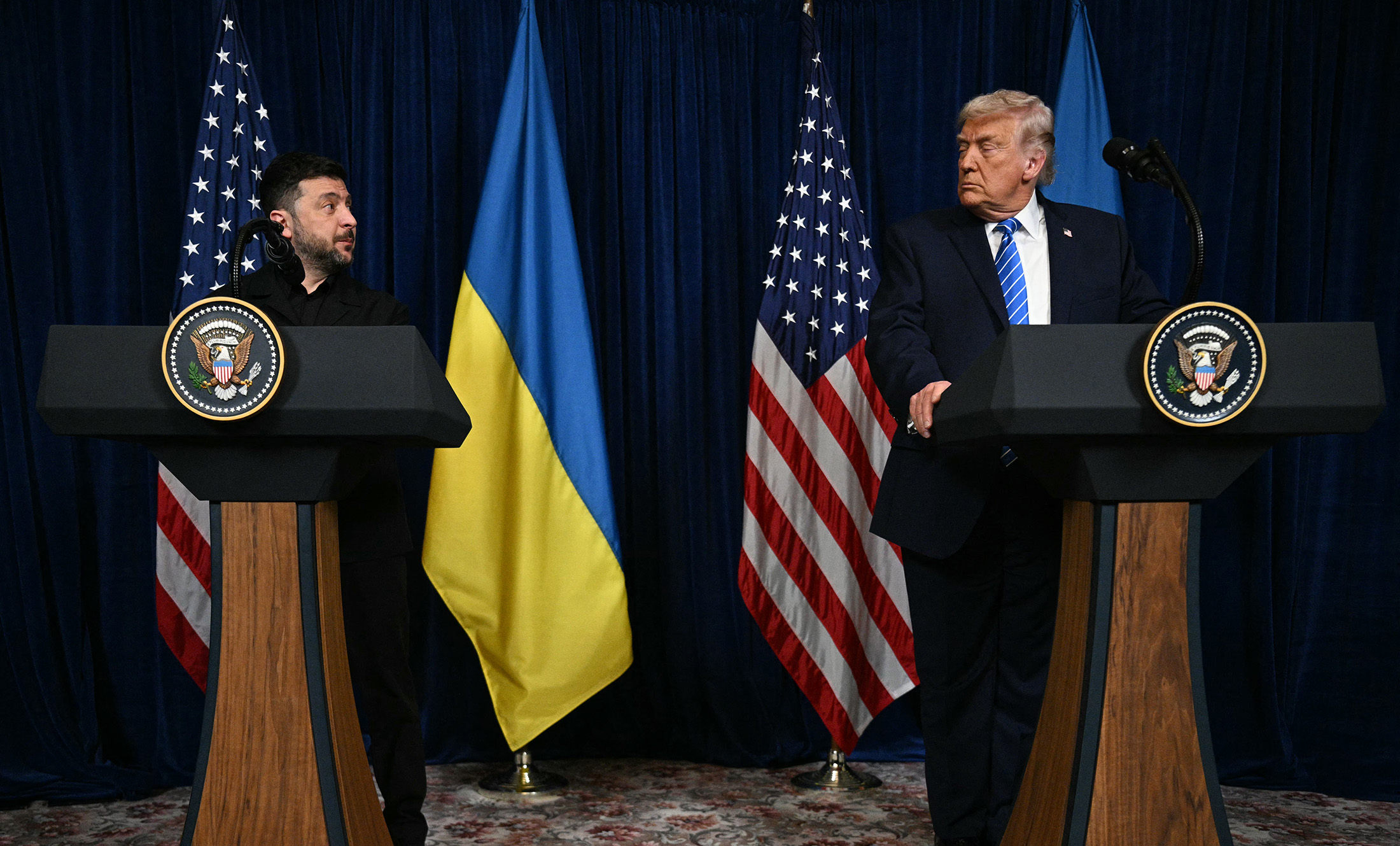 Ukrainian President Volodymyr Zelenskiy with Trump in Florida last month. Photographer: Jim Watson/AFP/Getty Images Another immediate flashpoint lies with Venezuela, where the real intentions of the US military pressure directed against Nicolás Maduro's regime will be revealed before long. As with Moscow, Trump's approach to Caracas offers a gauge of how seriously he is about carving up the world into spheres of influence. US designs on Greenland are another test of how far he might go to dominate the western hemisphere. The idea sits at the heart of perhaps the most significant encounter of the year: Trump's meeting with President Xi Jinping in April. Beijing has responded robustly to Trump on trade, chips and artificial intelligence, while insisting that Taiwan's fate is a purely domestic concern. The president's trip to China, at a time when Beijing is at odds with Japan, might easily see agreements struck at the expense of traditional US allies. 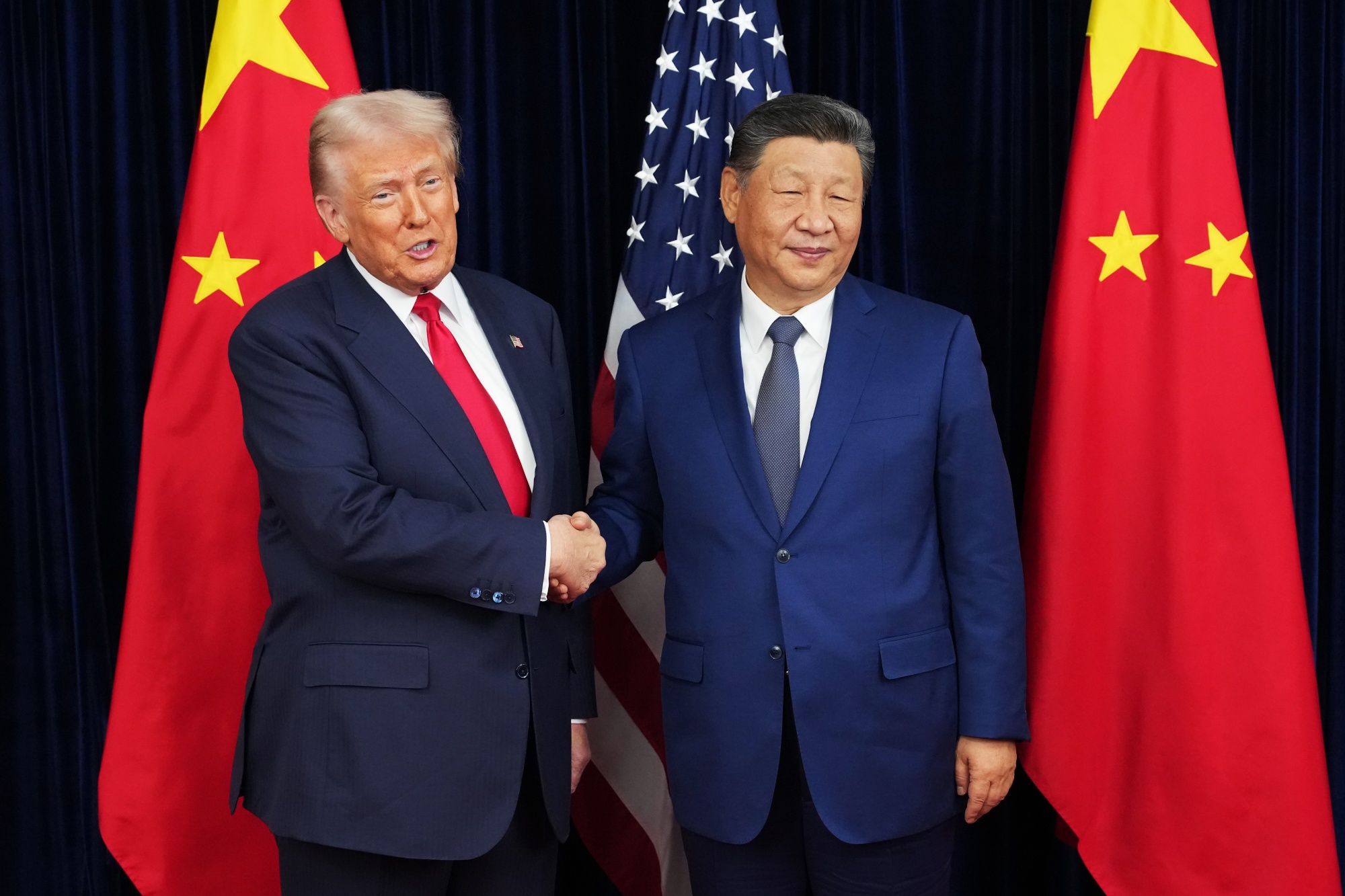 Trump and Xi in South Korea in October. Photographer: Andrew Harnik/Getty Images Prime Minister Narendra Modi will be hoping for the Xi-Trump meeting to encourage China's steps to stabilize relations with India — along with a US trade deal early in 2026 to ameliorate signs of economic damage. AI will surely reach an inflection point this year, with the astronomical sums of money being pumped into data centers unsustainable without a viable user case, above all for the US economy. Signs that job losses due to AI are already upon us mean the political fallout cannot be far behind. Affordability is the political wildcard, threatening volatility worldwide. It's effectively on the ballot in US midterm elections that will determine whether Trump ends the year unassailable or a lame duck — assuming he recognizes the result. That means November's midterms carry outsized international weight. Like it or not, all eyes will be on America again this year. — Alan Crawford  On the latest episode of Trumponomics, host Stephanie Flanders is joined by Bloomberg Economics Chief Economist Tom Orlik, Bloomberg Opinion columnist Parmy Olson and Bloomberg News US politics editor Mario Parker to look back at a chaotic 2025 — marked by Trump's messy April tariff rollout and a presidency defined by seemingly deliberate uncertainty — and ask what it means for 2026. Listen on Apple, Spotify or wherever you get your podcasts. Global OutlookA spate of big elections elsewhere will also test Washington's appetite for promoting political forces that mirror its worldview. That's a challenge especially for Europe, where the UK, France and Germany have weak governments struggling to hold off a nationalist right embraced by the US. With scheduled national ballots in all three still far off, it will be regional votes that will given an inkling of voter sentiment. In the UK, local elections could become a catalyst for Keir Starmer's replacement as prime minister if his Labour Party gets hammered. And look to see if Germany's anti-immigration AfD party makes major gains in regional elections. Hungary will be the biggest test of any retreat of Trumpist sentiment, with MAGA totem Viktor Orban behind in polls for April's vote. Latin America's major election, in Brazil, could see further resistance to Washington's agenda if Luiz Inácio Lula da Silva succeeds in defeating the Trump-backed opposition to win a record fourth presidential victory. 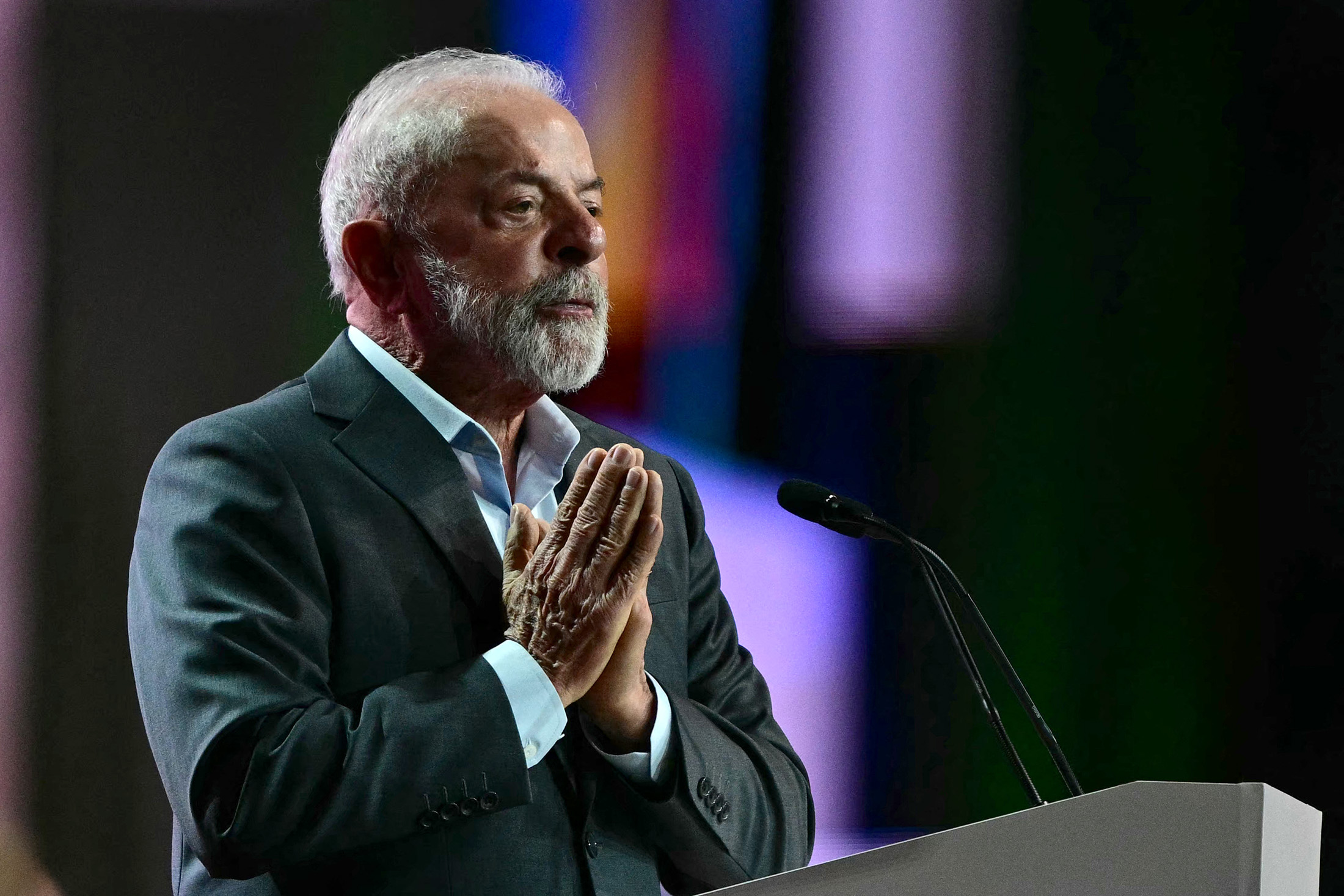 Lula at the COP30 climate conference in November. Photographer: Pablo Porciuncula/AFP/Getty Images In the Middle East, September's Israeli elections will inevitably be a ballot on Prime Minister Benjamin Netanyahu's handling of the war on Hamas in Gaza, with difficult questions ahead on how to enshrine the US-backed peace deal that will shape the wider Middle East. In Africa, voting in Morocco could offer some indication of the impact of the Gen Z protests. This may be the year where youth-led demonstrations witnessed from Nepal to Madagascar spread to the richer world. Don't miss from Bloomberg Weekend: Mishal Husain talks with podcaster Kara Swisher about the tech industry's Trump pivot, Sam Freedman looks at the decline of mainstream conservatives, and Akriti Sharma profiles India's rapidly expanding business-coaching industry. Subscribe to the Bloomberg Weekend newsletter here.  Sign up for the Washington Edition newsletter for news from the US capital and watch Balance of Power at 1 and 5 p.m. ET weekdays on Bloomberg Television. Chart of the Day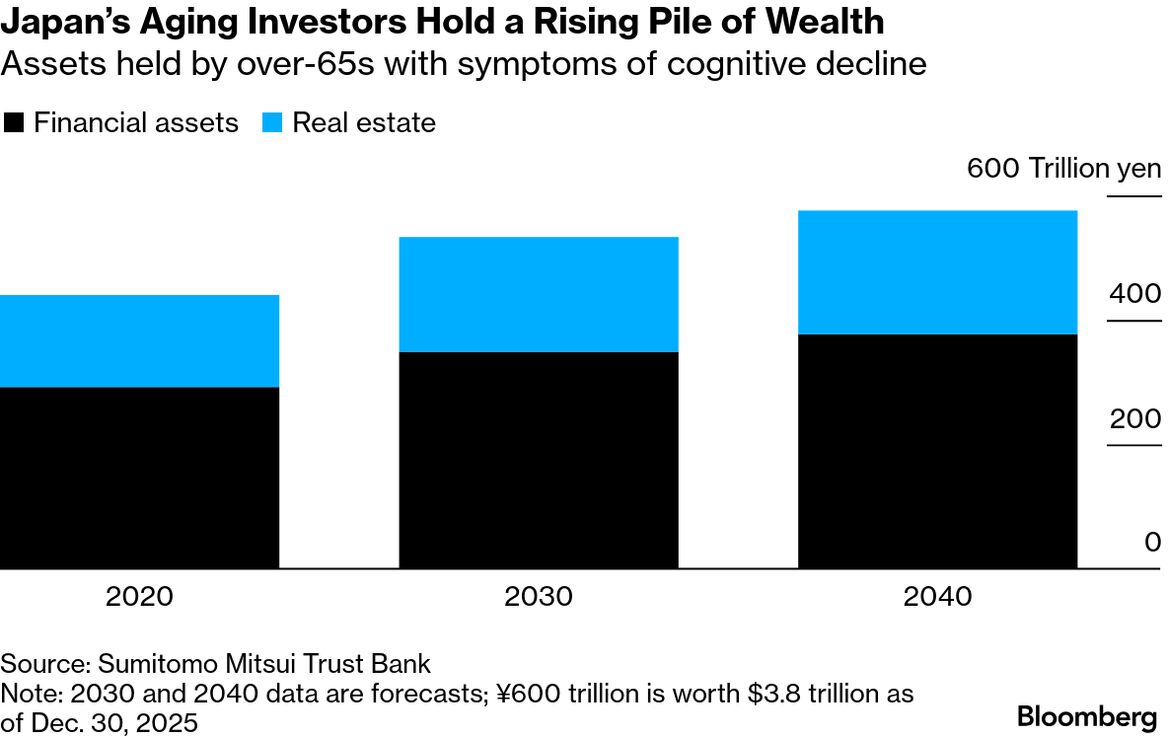 Japan is grappling with a mounting economic challenge: Seniors experiencing cognitive decline now control assets worth almost half the nation's GDP, putting trillions at risk of mismanagement, fraud or freeze. The expanding pool of so-called dementia money is not unique to Japan. In the US, older adults with the mental disorder hold an estimated $6 trillion in assets — roughly three times the Japanese amount. And FinallyBy now every firm on Wall Street is well aware of the risks surrounding the rise of artificial intelligence. Yet with the AI boom holding up, the Federal Reserve seen loosening monetary policy, and further support arriving in the shape of Trump's "One Big Beautiful Bill Act" and German fiscal stimulus, the consensus is for global expansion to rumble on. Today's Big Take looks at what the finance world's best and brightest expect in the year ahead.  Thanks to everyone who answered Dec. 24's pop-quiz question, and congratulations to Kate Sinatra, who was first to name Pakistan as the country where a former prime minister has been sentenced to an additional 17 years in jail after a court found him guilty of corruption. More from Bloomberg
We're improving your newsletter experience and we'd love your feedback. If something looks off, help us by reporting it here. Follow us
You received this message because you are subscribed to Bloomberg's Balance of Power newsletter. If a friend forwarded you this message, sign up here to get it in your inbox.
|
Friday, January 2, 2026
Whither Trumpism in 2026?





Subscribe to:
Post Comments (Atom)
Before you take another trade, watch this
I went live yesterday with a Squeeze Traps training that covered something you're probably experiencing right now. How many t...

-
PLUS: Dogecoin scores first official ETP ...
-
Hollywood is often political View in browser The Academy Awards ceremony is on Sunday night, and i...


No comments:
Post a Comment