| Read in browser | ||||||||||||||
 Welcome to Next Africa, a twice-weekly newsletter on where the continent stands now — and where it's headed. Sign up here to have it delivered to your email. Nigeria this week admitted for the first time that a group of soldiers had plotted to overthrow President Bola Tinubu. The planned October coup would have truncated almost three decades of civilian rule in Africa's largest democracy. While the plot was quashed, it highlights yet again the specter of military takeovers in West Africa that have shaken the foundations of regional governance. 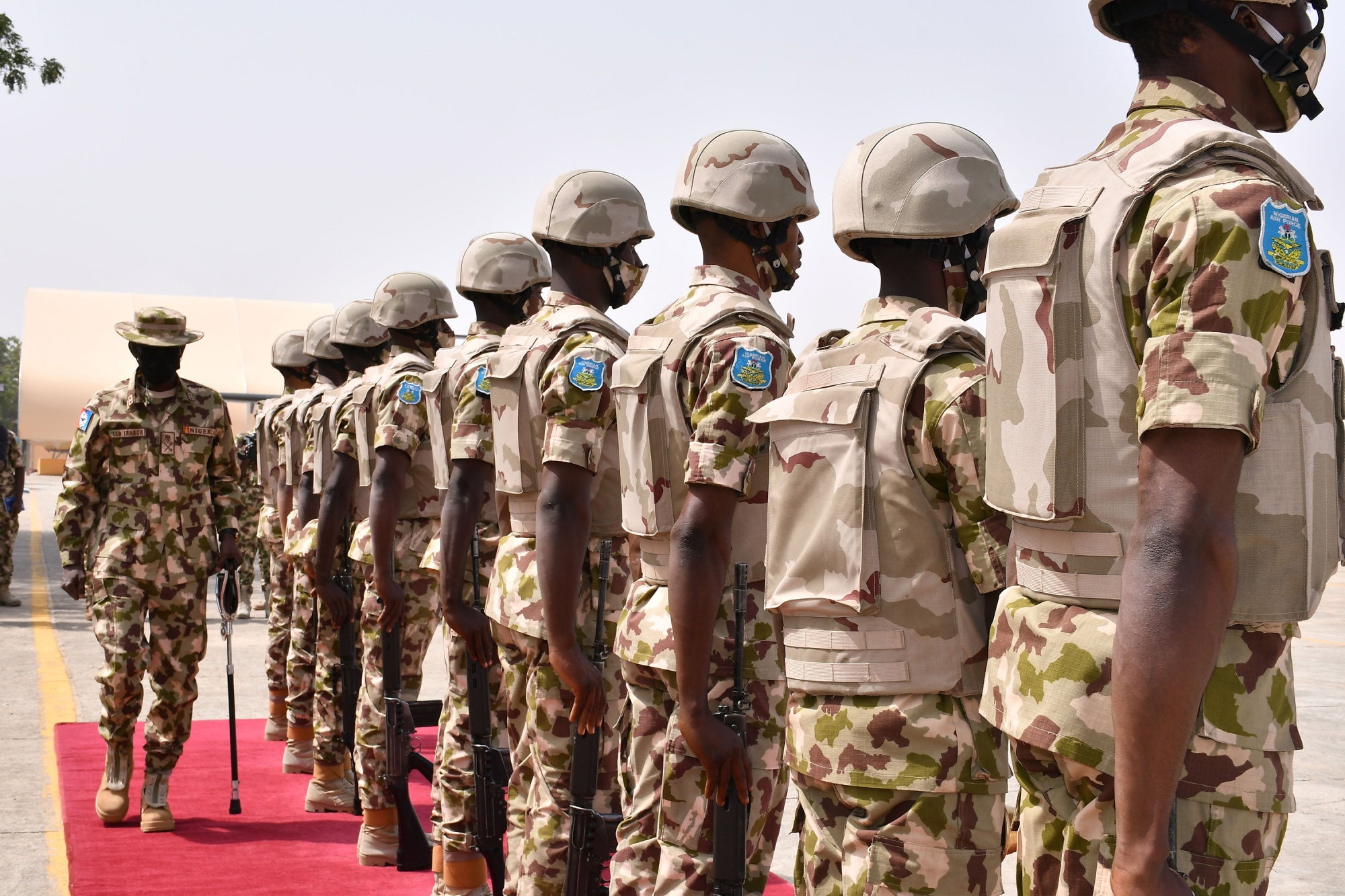 A guard of honor at the Maiduguri Airforce base, Nigeria. Photographer: Aadu Marte/AFP/Getty Images It's unclear how close the soldiers came to the presidency in Nigeria. At least 16 officers including a brigadier-general and a colonel were arrested and areset to appear before a military tribunal. "The threat posed was clear and immediate," an internal report read, warning that a failure to act risked "grave implications for national stability." Successful coups over the past five years appear to have emboldened copycats in the neighborhood. Since the incident in Nigeria, there has been an attempted power grab in Benin and a successful one in Guinea-Bissau. It mirrors the 1960s and 1970s when newly independent African governments tumbled in uprisings — many bloody, with devastating consequences. At the time, putschists cited widespread corruption, lack of economic progress, and shoddy elections. Today's coupists might as well be reading from the same playbook. 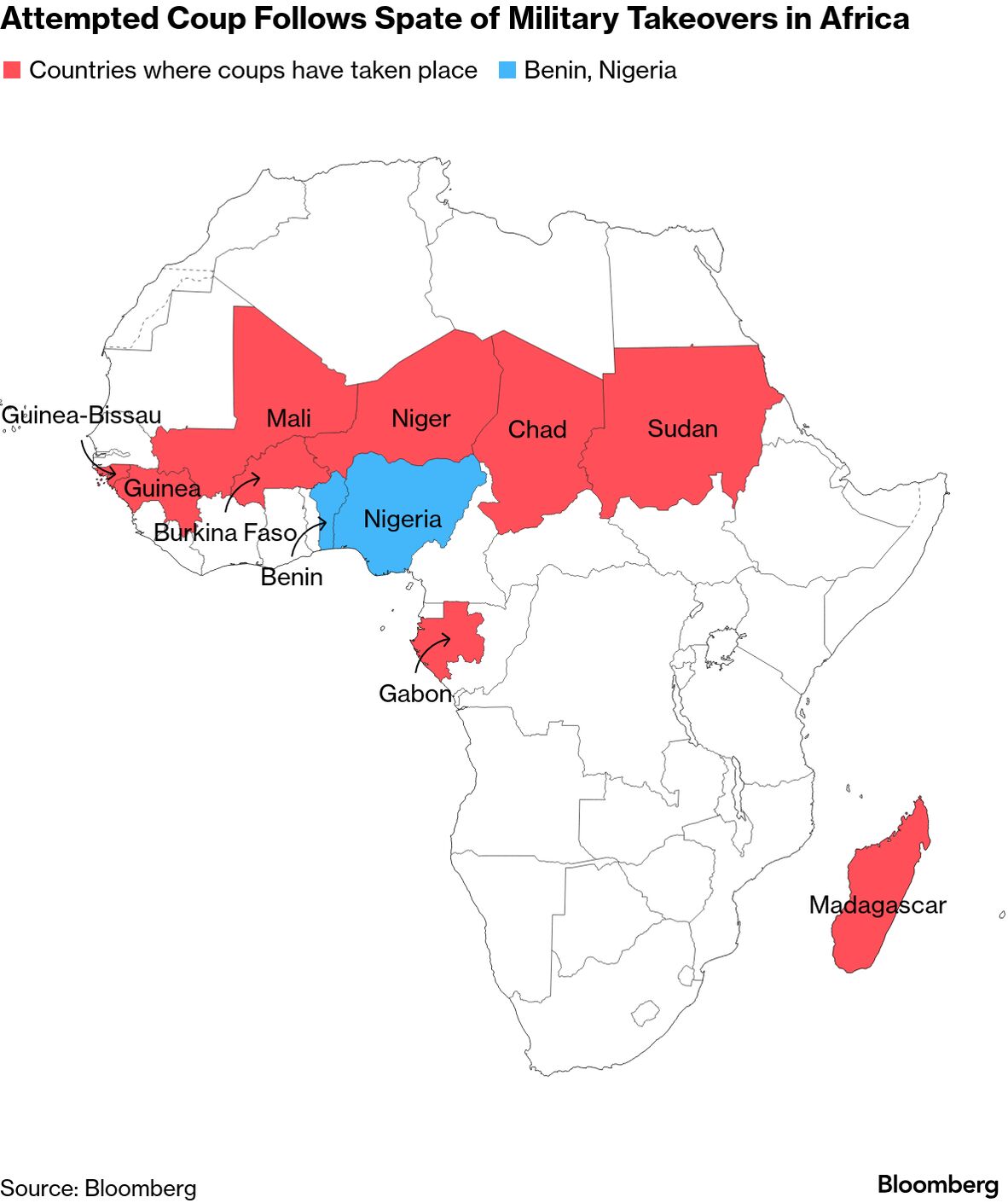 Disputed elections that deny citizens options, constitutional changes engineered to entrench incumbents, and poor governance by elites run counter to democratic principles. At the same time, a growing pool of disgruntled, unemployed young people is creating an environment for would-be usurpers, emboldened by a decade in which coups have often gone largely unpunished. The bid for control in Nigeria is said to have stemmed from officials unhappy with their lack of advancement. Yet, the mere fact that a group of soldiers felt empowered enough to attempt to oust the leadership of Africa's most populist nation and one of the biggest economies bodes ill for the future. It may well sound the alarm that the continent's coup belt is still growing. — Nduka Orjinmo Key stories and opinion: News RoundupTurkey has sent F-16 fighters and attack helicopters to Somalia to step up strikes on al-Shabaab militants and protect its growing interests in the country, sources say. The move is meant to bolster Turkish drone operations against the al-Qaeda-linked group, which has been waging a two-decade insurgency against the government in Mogadishu. Somalia's capital is home to Turkey's largest overseas military base and it's building a site nearby to test missiles and space rockets. Separately, unidentified attackers staged an assault on Niger's capital and came close to a huge stockpile of uranium. 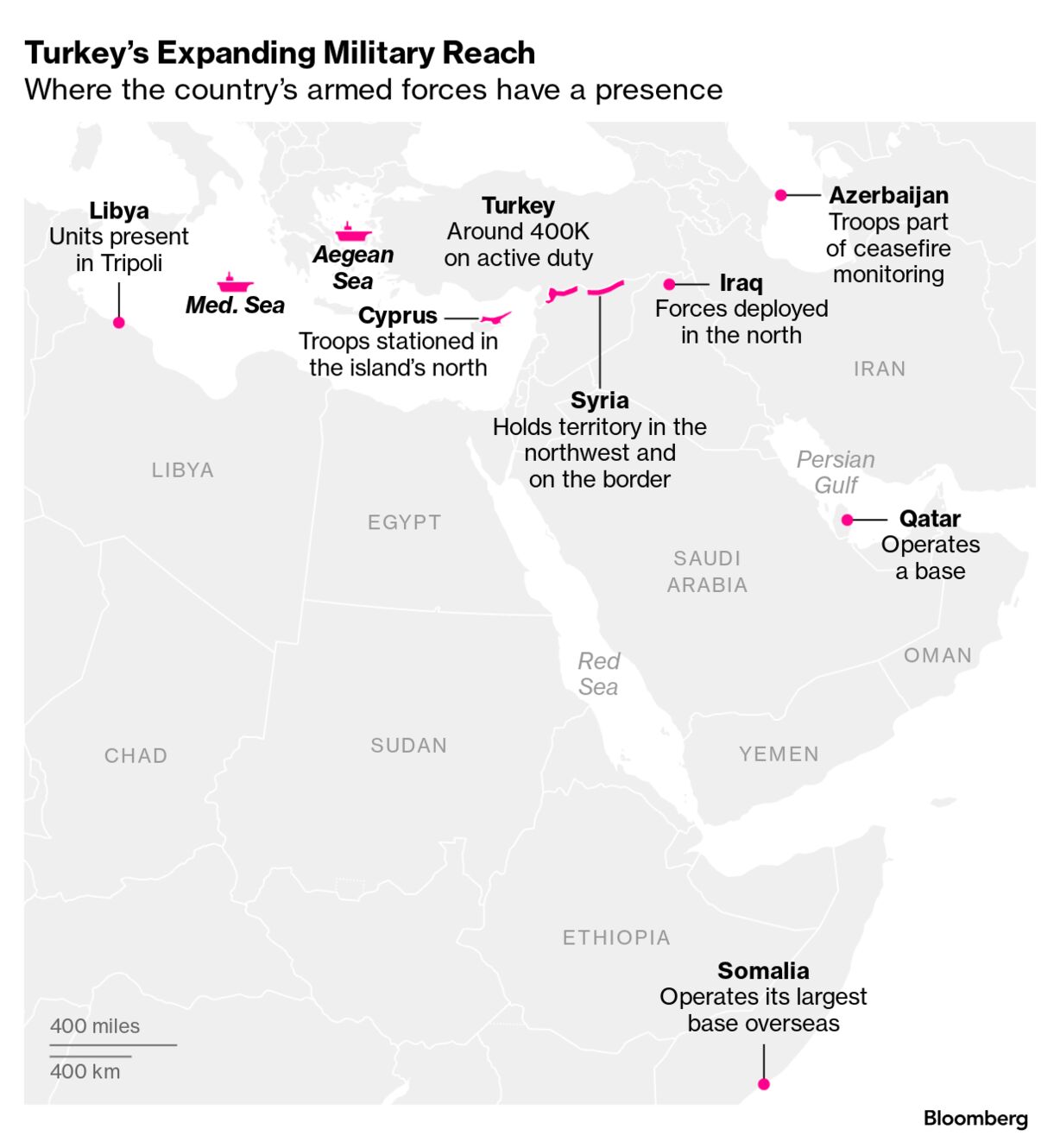 TotalEnergies is formally restarting construction of a $20-billion gas project in Mozambique, ending a five-year delay of one of Africa's biggest-ever investments. The plant in the nation's north will have annual capacity of 13 million tons and is set to ship its first exports in 2029, potentially transforming one of the world's least-developed economies. Meanwhile, oil majors are planning to drill more than twice as many high-impact exploration wells in Africa than in any other region this year. South Africa is considering imposing tariffs of as much as 50% on vehicles from China and India as it moves to protect its automotive industry from a flood of imports. Competition has been fiercest in the entry-level segment of the South African market, with lower-priced imports hitting income for domestic producers. Vehicle shipments from China have surged 368% over the past four years, while those from India are up 135%. 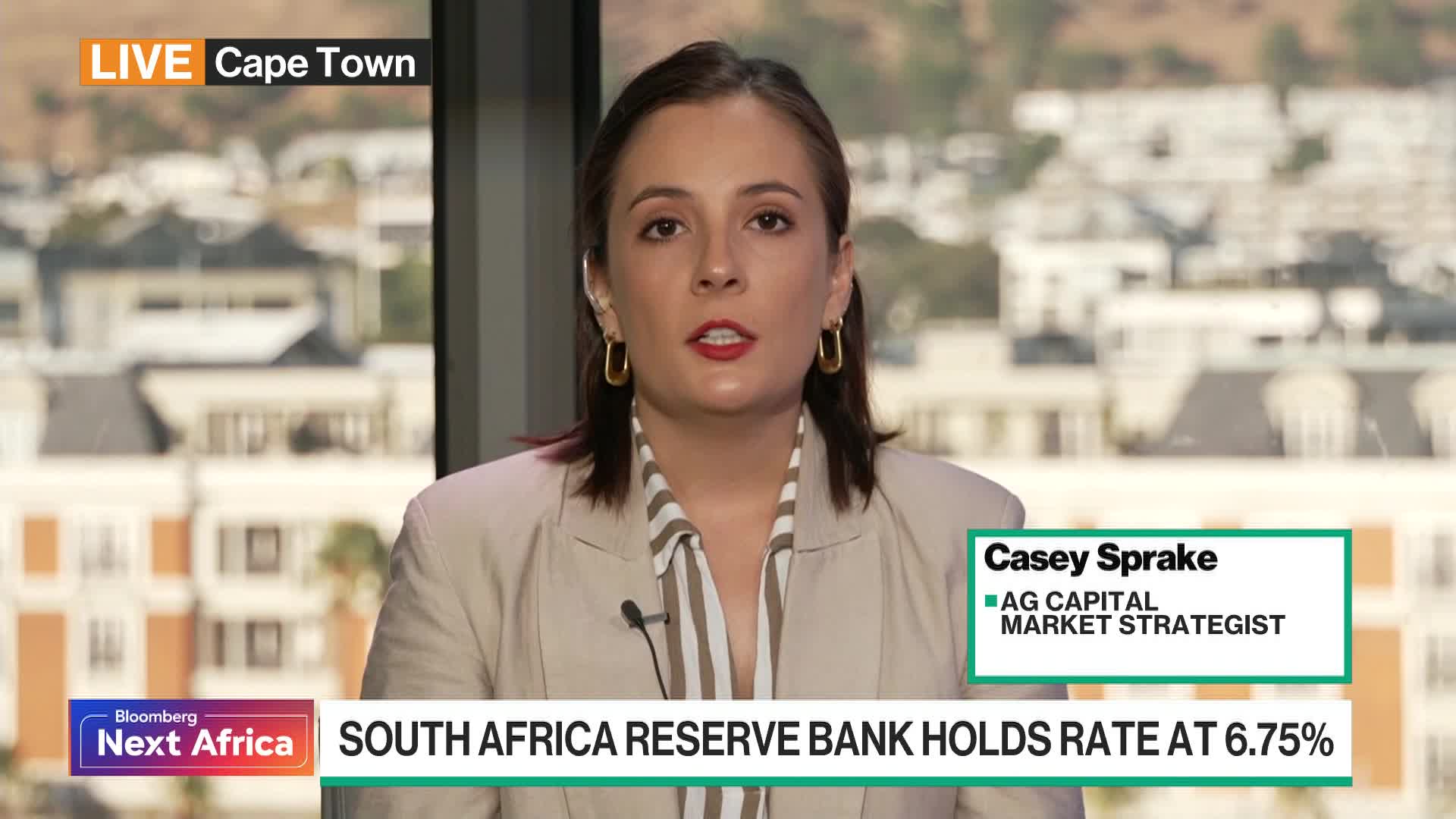 WATCH: AG Capital Market Strategist Casey Sprake spoke with Jennifer Zabasajja on Bloomberg TV about the planned tariffs and the wider South African economy. Saudi Arabia is poised to buy gold from war-torn Sudan, potentially taking a share of the lucrative market from the United Arab Emirates as a dispute simmers between the two Gulf powers. Embroiled in an almost three-year conflict, the North African nation's army-backed government officially shipped $1.97 billion of the precious metal to the UAE in 2024. But after a public rupture with Abu Dhabi last year over its alleged involvement in the fighting, the generals are seeking alternatives. Equipment failures at a new hospital in one of Nairobi's richest neighborhoods were so extensive that doctors were sending patients elsewhere, threatening the financial health of the 140-bed facility backed by the World Bank and other development funds. For Steve Okeyo, who was put in charge of the hospital in July 2021, a month after it opened, the reports he was hearing from doctors and staff were a rude awakening. This is our third story in a series about World Bank investments in for-profit hospitals. 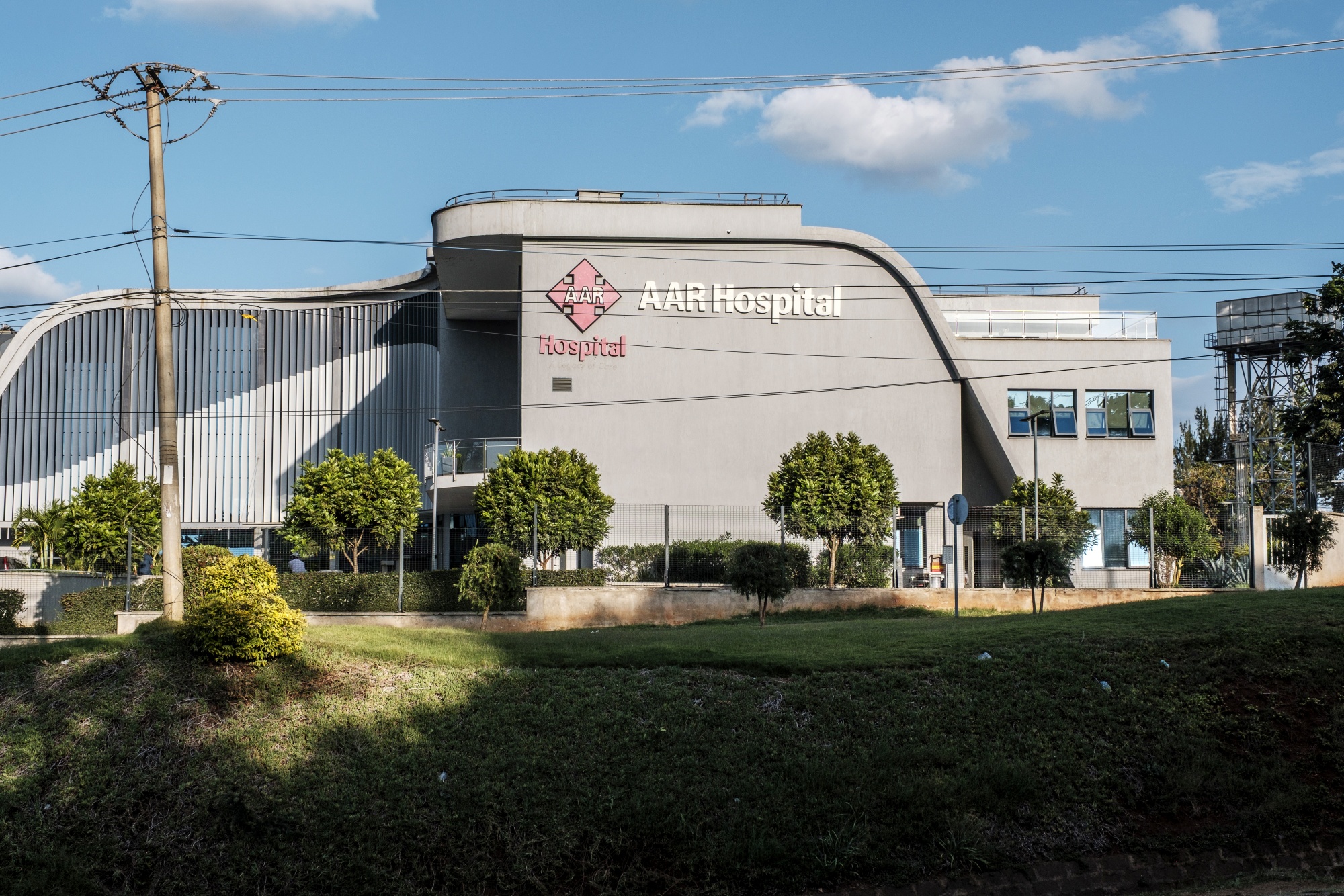 AAR Hospital in Nairobi. Photographer: Eduardo Soteras/Bloomberg Libya's central bank is suing Zimbabwe's finance minister and national oil company for more than $100 million, the latest development in a spiraling debt crisis that's bedeviled the southern African nation for a quarter of a century. The claim was filed in November in a UK court over loans taken out against a 2001 credit facility that Zimbabwe has allegedly failed to honor. On data, Zimbabwe's annual inflation rate fell to single digits for the first time since 1997, aiding a planned shift to making the ZiG its sole currency. Next Africa Quiz — Which country's government expelled a top Israeli diplomat this week? Send your answers to gbell16@bloomberg.net. Past & PrologueData Watch
 Coming Up
Quote of the Week"Early assessments indicate that the scale and impact of this disaster surpass those of the catastrophic floods of 2000, widely regarded as the worst in southern Africa's living memory." Peace Parks Foundation At least 1.3 million people were affected by recent flooding in South Africa and Mozambique. Last WordKhaby Lame has one of the internet's most famous faces, and it's made him a fortune. The world's biggest TikToker has signed a $975 million deal to transform his 360 million social-media followers into a commercial venture. Nasdaq-listed Rich Sparkle will have exclusive global rights to his brand for 36 months, transforming the Senegalese-born influencer into an "equity-backed creator," the firm said. Lame built a global following on TikTok and Instagram with wordless videos simplifying everyday life hacks. 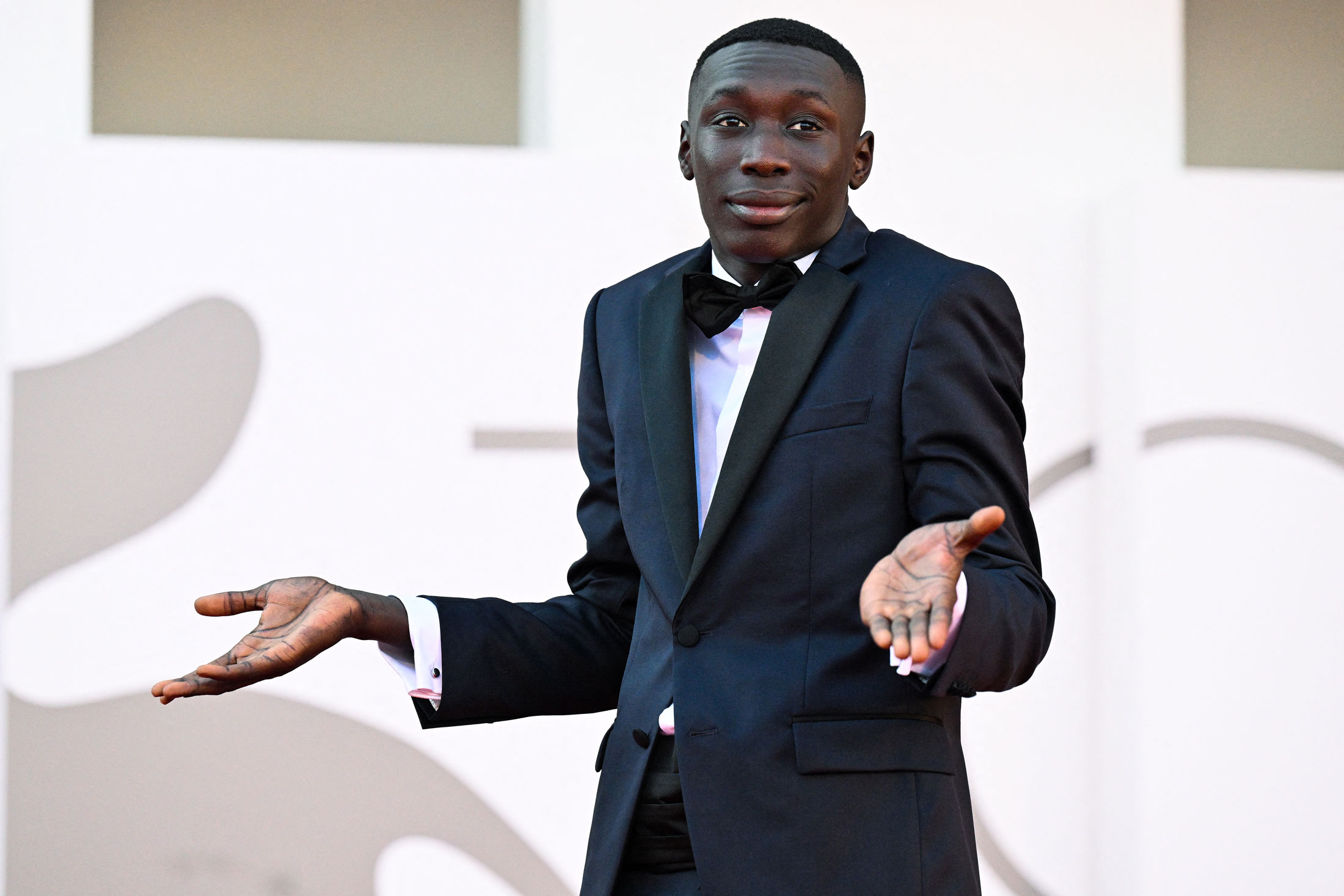 Khaby Lame. Photographer: Tiziana Fabi/AFP/Getty Images More From BloombergEnjoying Next Africa? You might also like:
|
Friday, January 30, 2026
Next Africa: Stretching the coup belt





Subscribe to:
Post Comments (Atom)
The Flow Never Stops — It Just Redirects
Understanding Why Big Money Makes Returns on Rotation 🚨 I’ll be live at 11:30 a.m. ET with Jac...

-
PLUS: Dogecoin scores first official ETP ...
-
Hollywood is often political View in browser The Academy Awards ceremony is on Sunday night, and i...


No comments:
Post a Comment