| Read in browser | ||||||||||||||
 Welcome to Balance of Power, bringing you the latest in global politics. If you haven't yet, sign up here. For the past month, the greatest threat to Iran has come from within — a protest movement triggered by a currency collapse and met with a lethal crackdown. Now the pressure is coming from outside, with President Donald Trump threatening to strike with the US carrier-led fleet he's dispatched to the region. The American president has warned Tehran that time is running out to accept a new nuclear deal. In a social-media post, Trump said the armada — led by the USS Abraham Lincoln — is "ready, willing, and able" to fulfill its mission "with speed and violence, if necessary," while insisting that negotiation over Tehran's atomic program is still possible. Oil jumped on the prospect of a conflict. 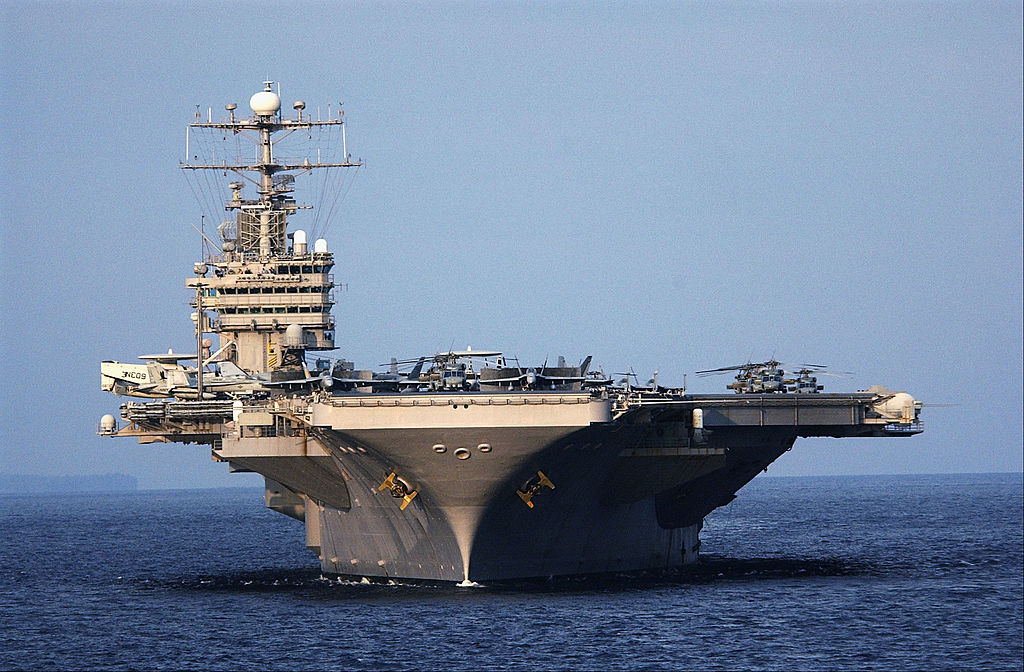 USS Abraham Lincoln. Source: US Navy/Getty Images The Islamic Republic's leaders have multiple reasons not to dismiss Trump's rhetoric. Last June, he ordered strikes on Iranian nuclear facilities — a step previous US administrations long avoided. And this month, he authorized the extraordinary operation to seize Venezuela's Nicolás Maduro, signaling a tolerance for risk that friends and foes are still digesting. The backdrop for Trump at home is volatile too. Protests and confrontations around immigration enforcement in Minnesota have intensified domestic political pressure — the kind of environment in which leaders sometimes reach for assertive moves abroad to change the subject and control the news cycle. But escalation with Iran is risky too. Tehran can retaliate with missile strikes — or through proxies — against US bases and Israel. Washington and its partners have absorbed attacks before, but even a small number of US casualties could trigger a major confrontation, pulling Trump into a wider conflict than he might have intended. A showdown in the Gulf carries dangers for both sides, and unpredictable consequences for the region. — Peter Martin 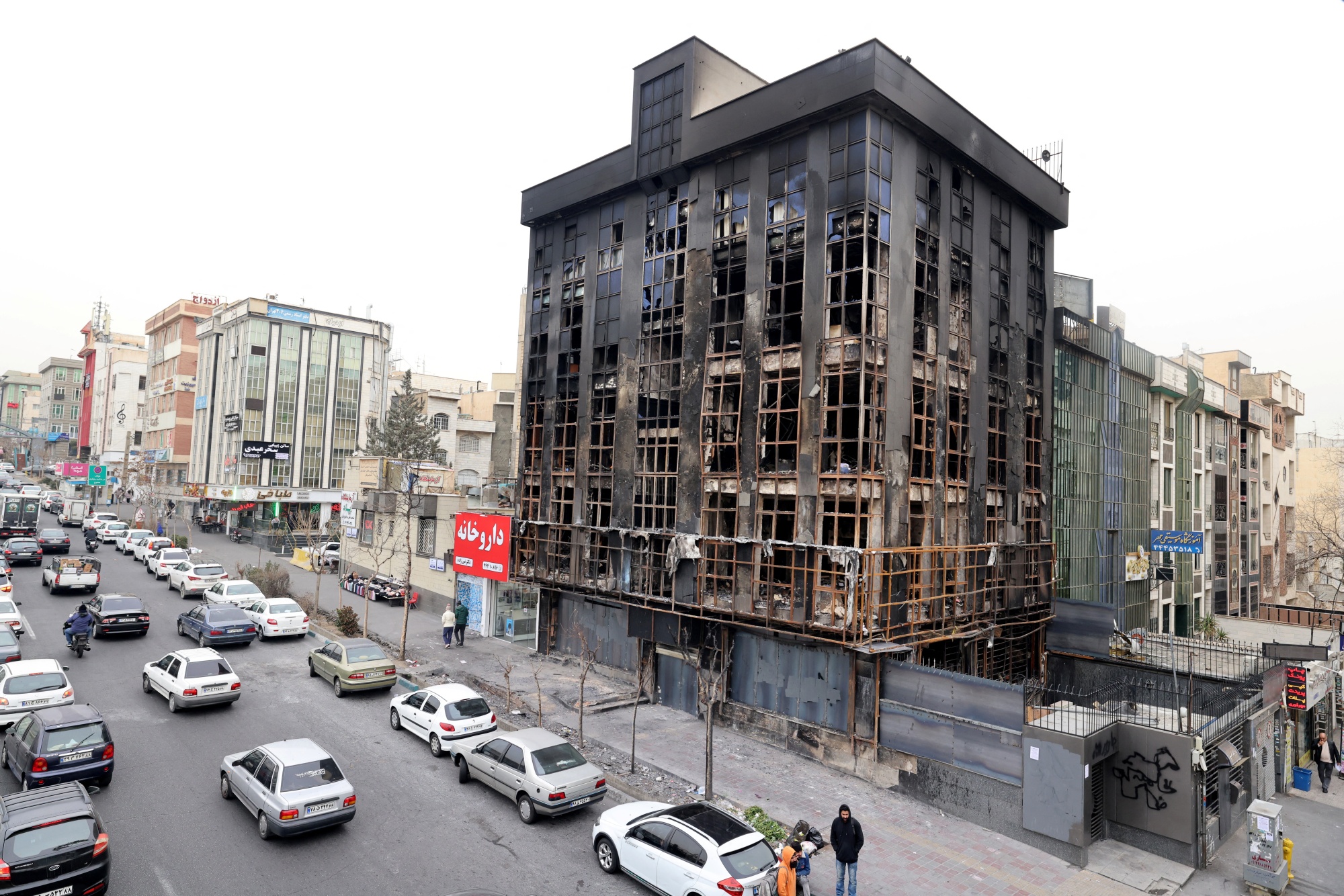 A building in Tehran damaged during public protests. Photographer: Atta Kenare/AFP/Getty Images Global Must ReadsPresident Xi Jinping praised Keir Starmer's landmark visit to China and vowed to consider granting UK citizens visa-free entry as ties between the two nations continue to improve. Beijing is meanwhile widening the scope of a sweeping shakeup of the armed forces, suggesting that political loyalty — not just corruption — is increasingly under scrutiny, and raising questions about whether Xi's goal of turning the People's Liberation Army into a world-class military by 2027 is achievable. 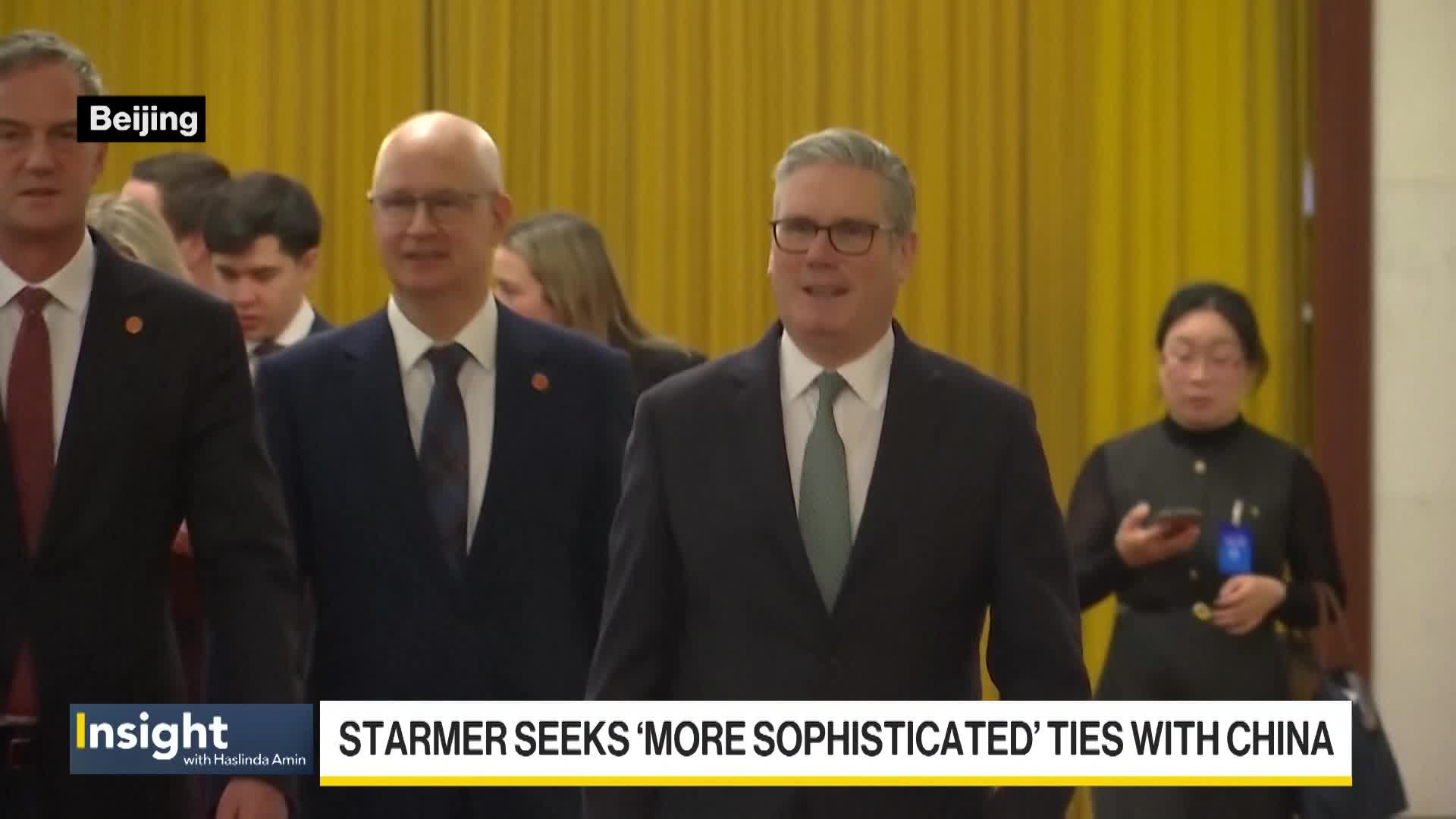 WATCH: Bloomberg's Minmin Low reports on Starmer's trip to China. US, Danish and Greenlandic officials met to discuss a new framework deal over the strategically important Arctic island, an attempt to satisfy Trump's desire for a greater presence there that stops short of ceding it to the US. They discussed "how we can address US concerns about security in the Arctic while respecting the red lines of the kingdom," according to a spokesman for the Danish embassy to the US. Talks between top Senate Democrats and the Trump administration aimed at averting a government shutdown have moved closer to Democrats' demands that include new constraints on an immigration crackdown. Without a pact, funding will lapse on Saturday for much of the federal government, including the Departments of Defense, and Health and Human Services. Trump's deployment of National Guard troops to US cities cost taxpayers at least $496 million in 2025. Japanese Prime Minister Sanae Takaichi's Liberal Democratic Party is on track to win more seats in the Feb. 8 snap election and may even secure a majority by itself in the lower house, according to early polls tracking voting trends. Just three months after becoming premier, Takaichi has said she will immediately stand down if the LDP and its junior coalition partner, the Japan Innovation Party, do not win a majority. Saudi Arabia is starting to make tough decisions on its mega projects after telegraphing a more pragmatic stance on spending for months. In quick succession, the kingdom has ordered reviews at its most ambitious developments spread across Neom, Jeddah, and even Riyadh, while delaying the 2029 Asian Winter Games. 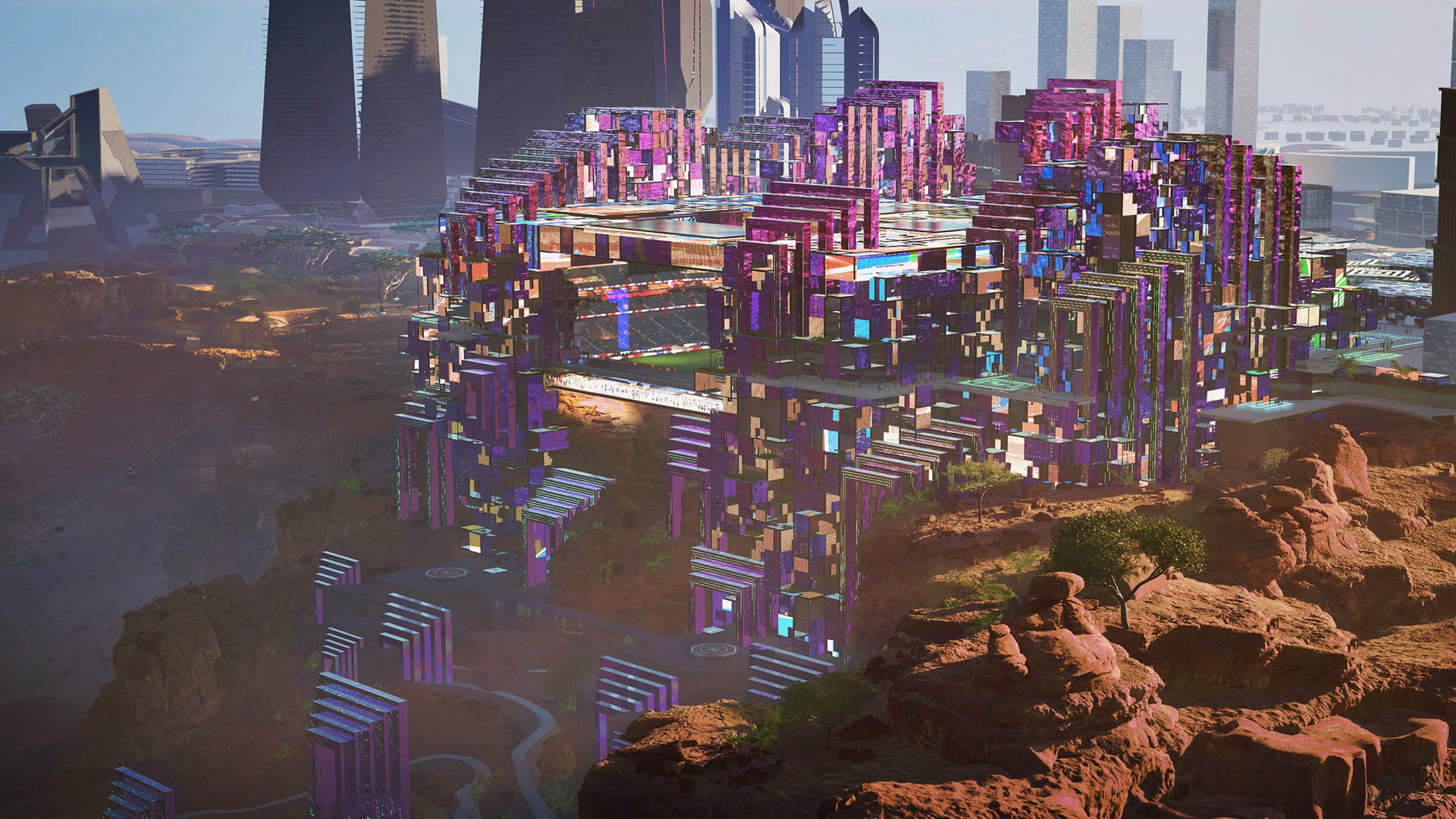 The planned Prince Mohammed Bin Salman Stadium in Qiddiya City, Riyadh. Source: Populous The UK is trying to determine if Trump has the power to derail its plans to hand over sovereignty of a strategically vital island to Mauritius, after the US president called into question a deal he previously backed. German Chancellor Friedrich Merz pushed back against Trump on multiple fronts, signaling in an address to parliament in Berlin that Europe won't bow to the US president's intimidation while reiterating a commitment to preserving the transatlantic alliance. Mexico will continue sending shipments of crude oil to Cuba, in a potential clash with Trump's pledge to deprive the impoverished island of such energy assistance. New York Mayor Zohran Mamdani is amping up pressure on Governor Kathy Hochul to hike taxes for the richest residents and corporations, asking the state to send billions more in aid to the city as he grapples with widening budget gaps.  Sign up for the Washington Edition newsletter for news from the US capital and watch Balance of Power at 1 and 5 p.m. ET weekdays on Bloomberg Television. Chart of the Day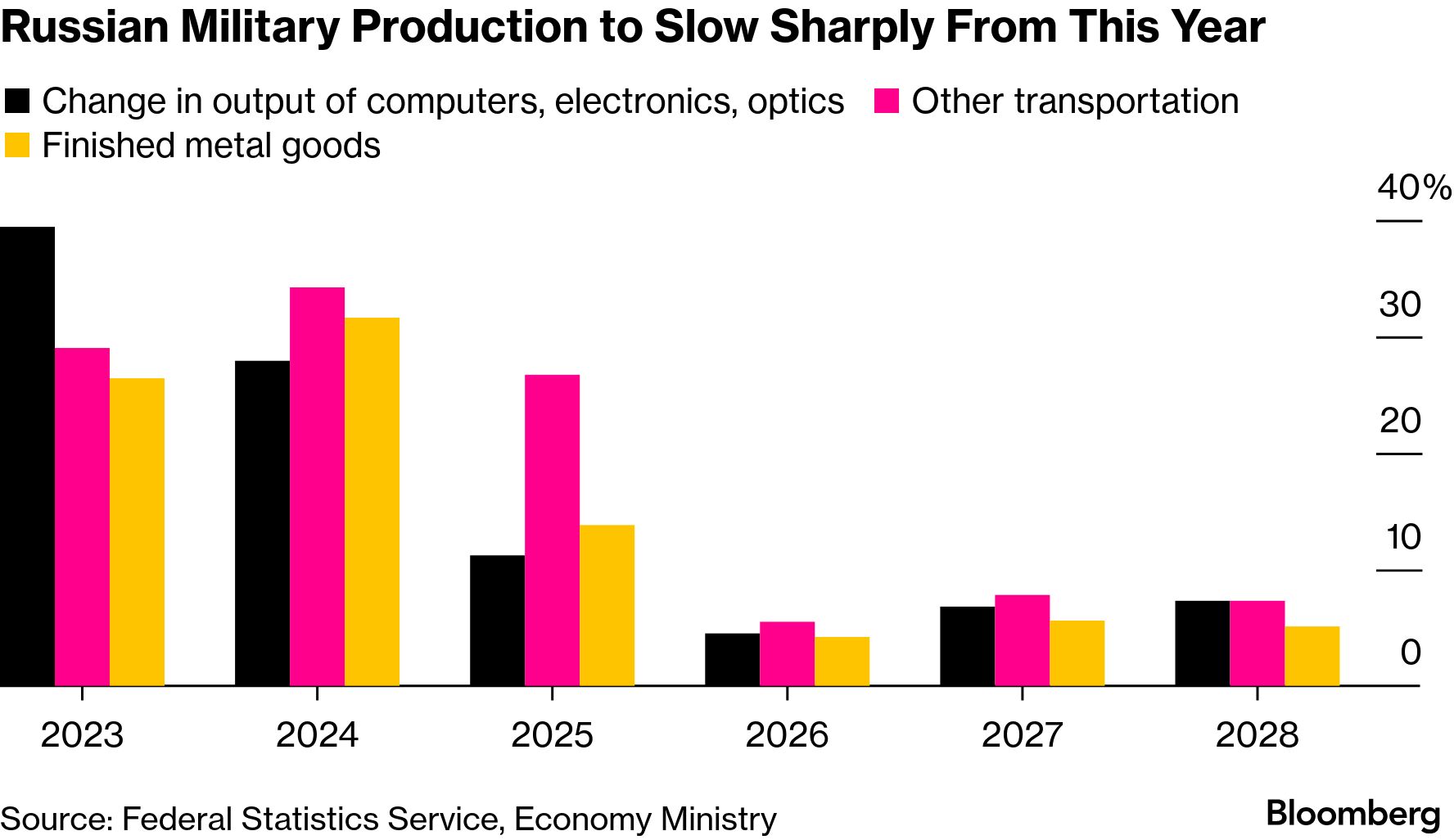 Russia's defense industry is poised to pare back production significantly this year as the Kremlin prioritizes economic stability and balancing finances over further increases in spending on the war in Ukraine. Sectors tied to state defense orders, including for military equipment and components, drones and ammunition, will see annual growth of just 4% to 5% in 2026, compared with roughly 30% in recent years, according to data from the Economy Ministry in Moscow. And FinallyIn the past four years, China added more power generation — most of it clean — than the entire US, as Beijing undertakes an unprecedented energy-building boom to ensure supply for facilities that are key to dominating emerging industries. That's benefited Cao Renxian, the founder of Sungrow Power Supply, whose company occupies an unglamorous corner of renewable power: industrial-scale batteries that make it possible for grids to cope with high volumes of clean energy. With a fortune of some $15 billion, Cao is one of the wealthiest alternative-energy titans in China. 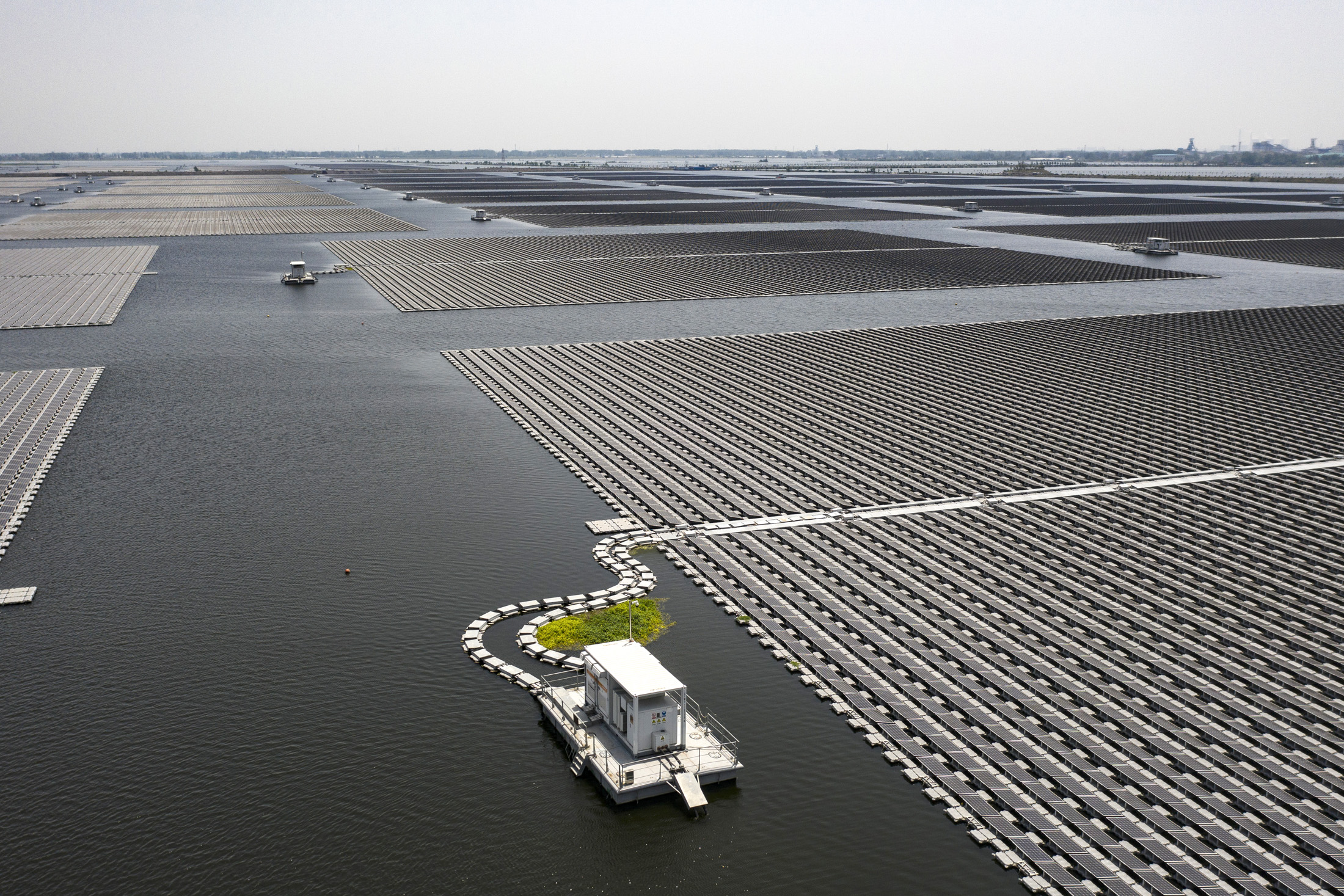 Sungrow's floating solar farm on the site of a former coal mine in Huainan. Photographer: Qilai Shen/Bloomberg More from Bloomberg
We're improving your newsletter experience and we'd love your feedback. If something looks off, help us by reporting it here. Follow us
You received this message because you are subscribed to Bloomberg's Balance of Power newsletter. If a friend forwarded you this message, sign up here to get it in your inbox.
|
Thursday, January 29, 2026
Mounting pressure on Tehran





Subscribe to:
Post Comments (Atom)
A 0.1% move shouldn’t matter this much… yet research proved otherwise
See the numbers yourself… View in browser View in browser For a while now, You may have noticed me talking a lot abou...

-
Hollywood is often political View in browser The Academy Awards ceremony is on Sunday night, and i...
-
PLUS: Dogecoin scores first official ETP ...


No comments:
Post a Comment